
Food trends can change faster than anyone expects. Ingredients that once made Canadian diners wrinkle their noses are now plated with confidence in bistros, brunch spots, and tasting-menu restaurants across the country. This gallery looks at nine foods that went from fringe, foreign, or frankly off-putting to fashionable, revealing how immigration, travel, health trends, and restaurant culture reshaped the national palate.
Avocado
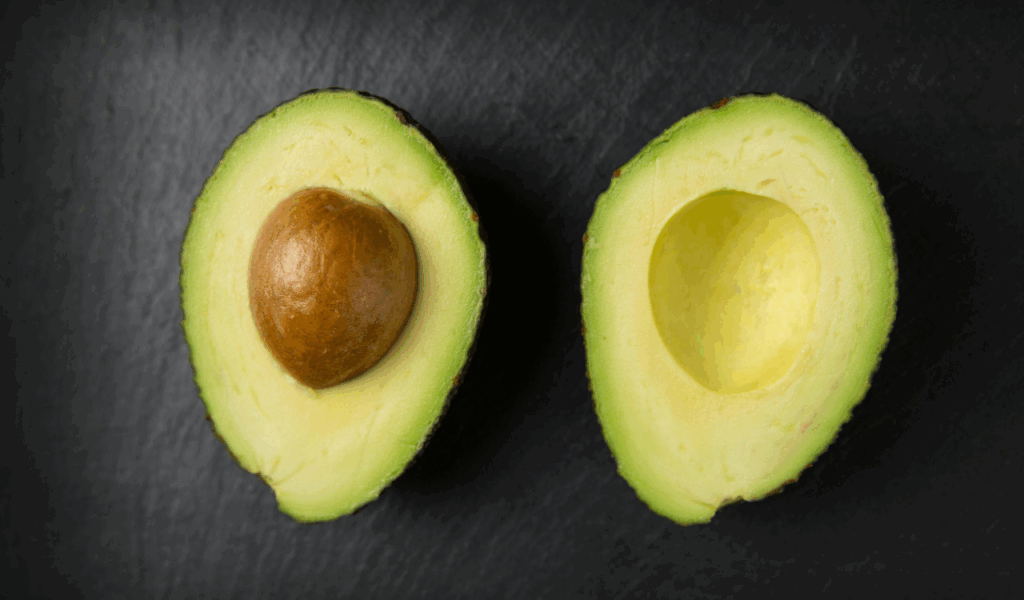
There was a time when avocado felt less like food and more like a strange green mystery. For many Canadians in the early 1990s, it was expensive, inconsistent, and associated with niche health-food stores or restaurant guacamole rather than everyday meals.
That changed as travel to California and Mexico increased, grocery imports improved, and nutrition messaging reframed avocado as a source of healthy fats. Suddenly it was not odd at all. It was smart, modern, and photogenic.
Now avocado is everywhere, from toast and grain bowls to sushi rolls and brunch plates. What once seemed mushy and bland to skeptical diners is now treated as a creamy luxury ingredient.
Sushi
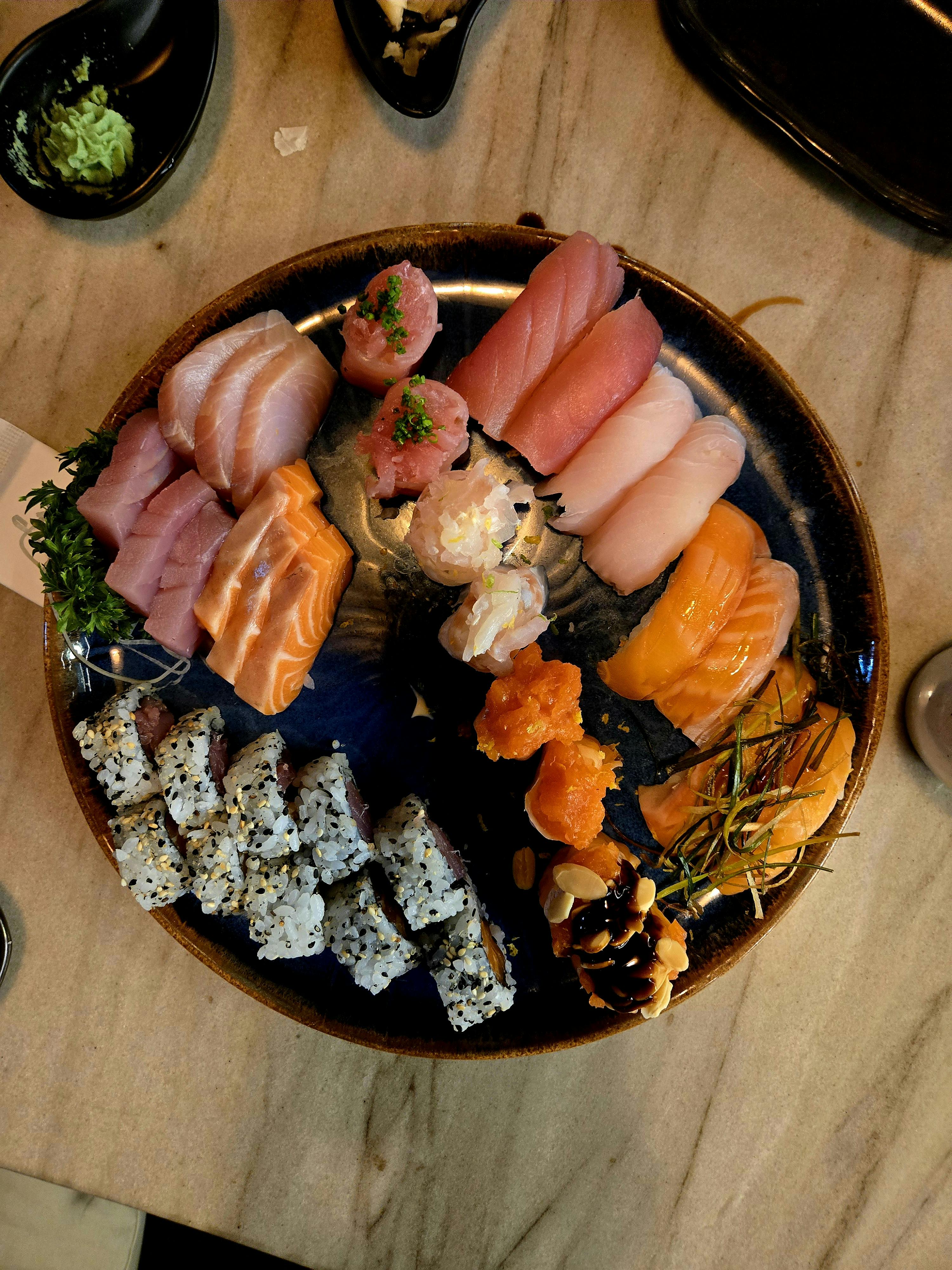
Raw fish used to be the deal-breaker. About 30 years ago, many Canadians saw sushi as unfamiliar at best and unsafe at worst, especially outside major cities where Japanese dining culture was less visible and the idea of eating uncooked seafood felt extreme.
As Japanese restaurants spread, diners learned the difference between maki, nigiri, and sashimi, and quality standards became more widely understood. Fusion rolls also helped ease people in, offering cooked crab, tempura shrimp, and sweet sauces that felt less intimidating.
Today sushi is standard lunch fare in Canada. It appears in grocery stores, office towers, airport kiosks, and high-end omakase counters, making its old outsider status almost hard to imagine.
Kale
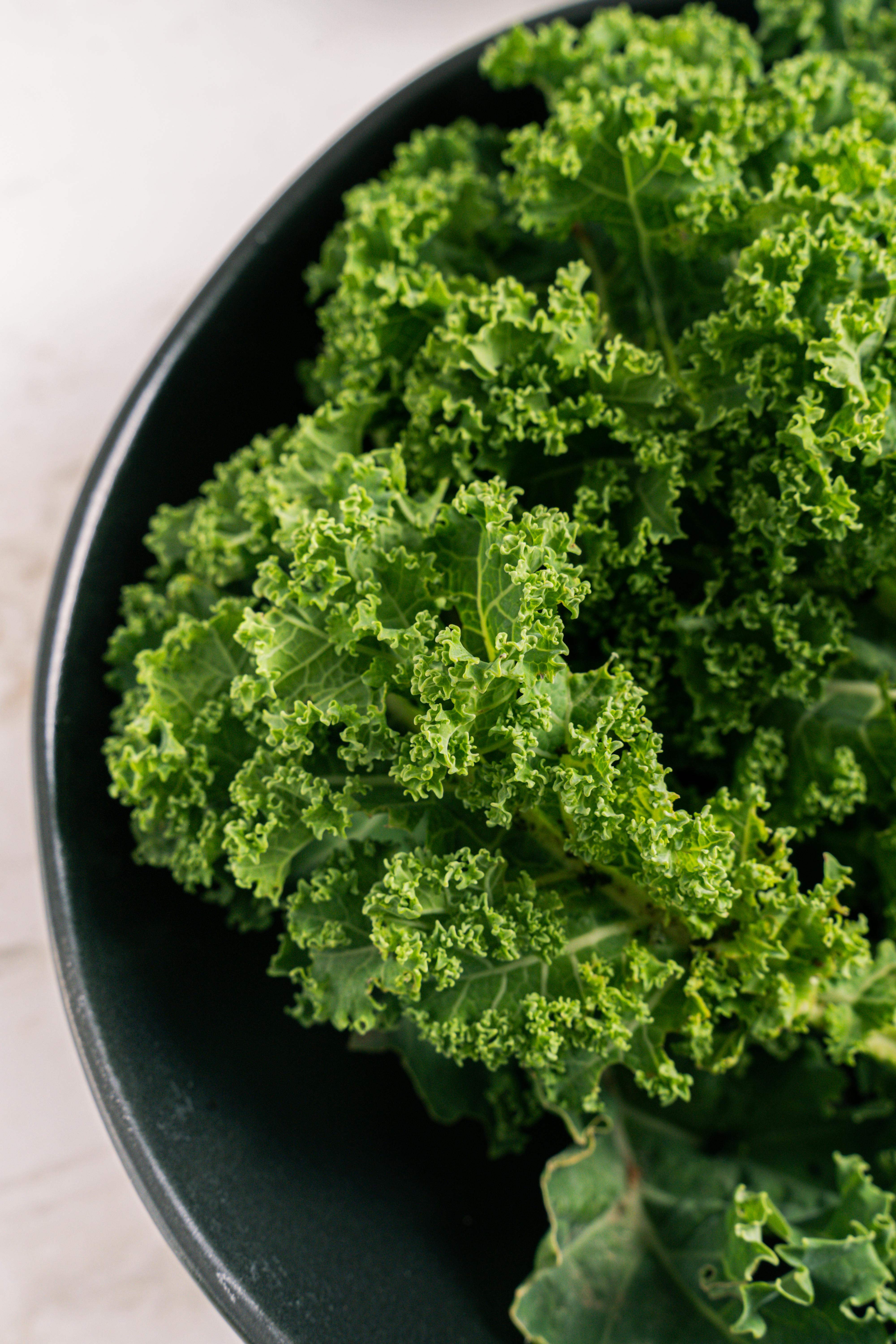
Kale's glow-up may be one of the most dramatic in modern food culture. In the 1990s, many Canadians knew it mainly as a decorative garnish on buffet platters, not something people genuinely wanted to chew through at dinner.
Its image changed when the wellness boom took hold. Smoothies, salads, and juice bars gave kale a new identity, while chefs learned how to soften it with citrus, oil, and salt instead of serving it as a tough, bitter afterthought.
Now kale shows up in Caesar-style salads, pasta dishes, soups, and breakfast scrambles. What once looked like ornamental leaves fit only for display is now marketed as hearty, virtuous, and deeply versatile.
Brussels Sprouts

Brussels sprouts had a public relations disaster for decades. Many Canadians grew up eating them boiled to the point of surrender, leaving behind a sulfurous smell and a soft, bitter texture that made them a symbol of everything dull about old-school vegetables.
Restaurant kitchens changed that reputation by roasting them hard, charring the edges, and pairing them with bacon, chili, maple, lemon, or parmesan. Better cultivation also helped, with less-bitter varieties entering the supply chain over time.
Today Brussels sprouts are one of the safest bets on a trendy menu. They arrive crisp, caramelized, and shareable, often disappearing from the plate faster than the mains they once would have upstaged only in theory.
Kimchi
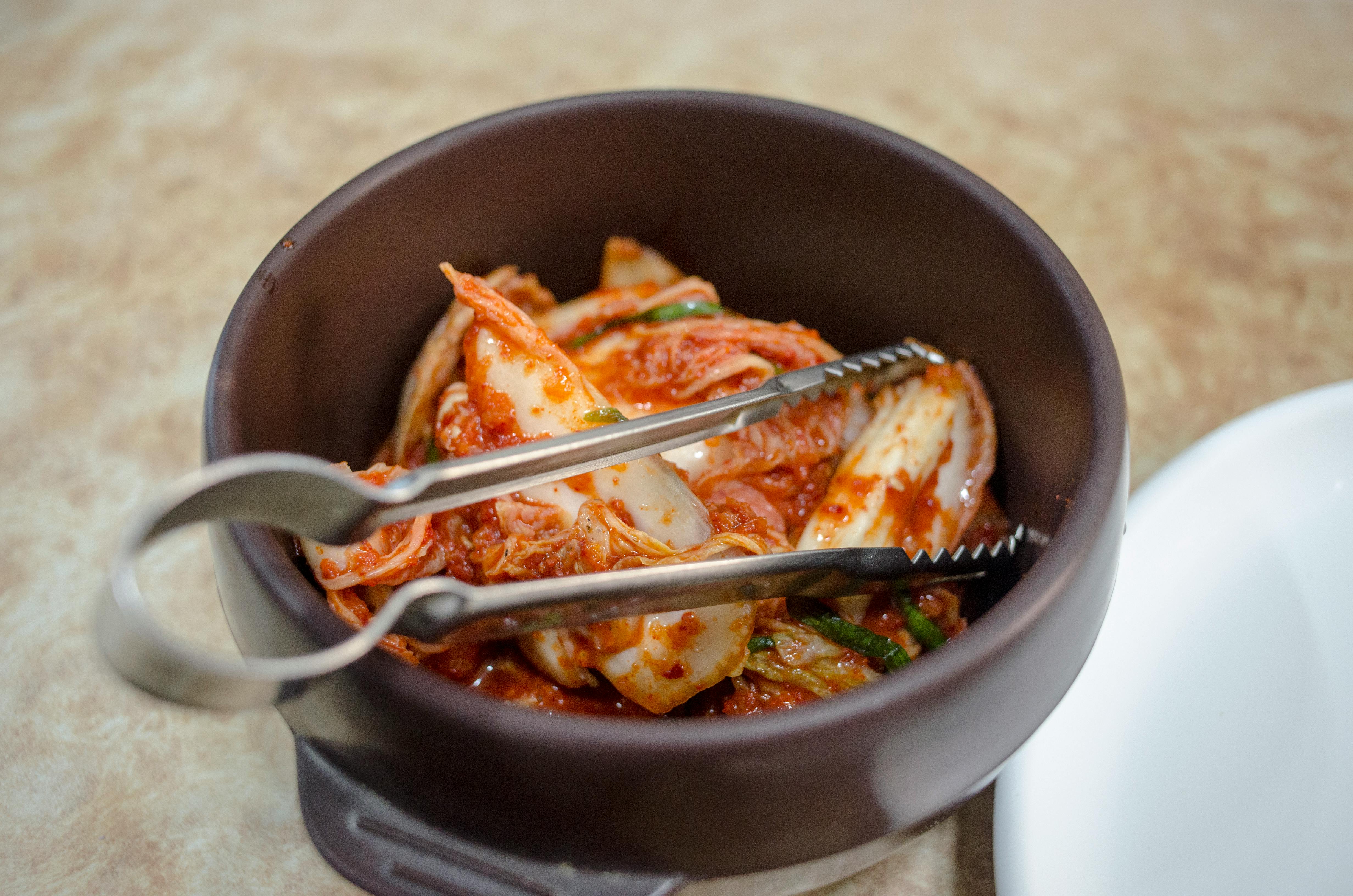
Fermented cabbage was not an easy sell to mainstream Canadian diners in the 1990s. Kimchi's sharp smell, sour heat, and active fermentation made it seem aggressive to people unfamiliar with Korean food, even though Korean communities had long embraced it as an essential staple.
As Korean restaurants expanded and chefs began using kimchi in tacos, fried rice, grilled cheese, and burgers, curiosity replaced hesitation. Interest in probiotics and fermented foods also made kimchi seem less strange and more functional.
Now kimchi is a menu signal of culinary awareness. It adds crunch, acid, heat, and depth, and many Canadians who once would have rejected it now keep a jar in the fridge on purpose.
Tofu
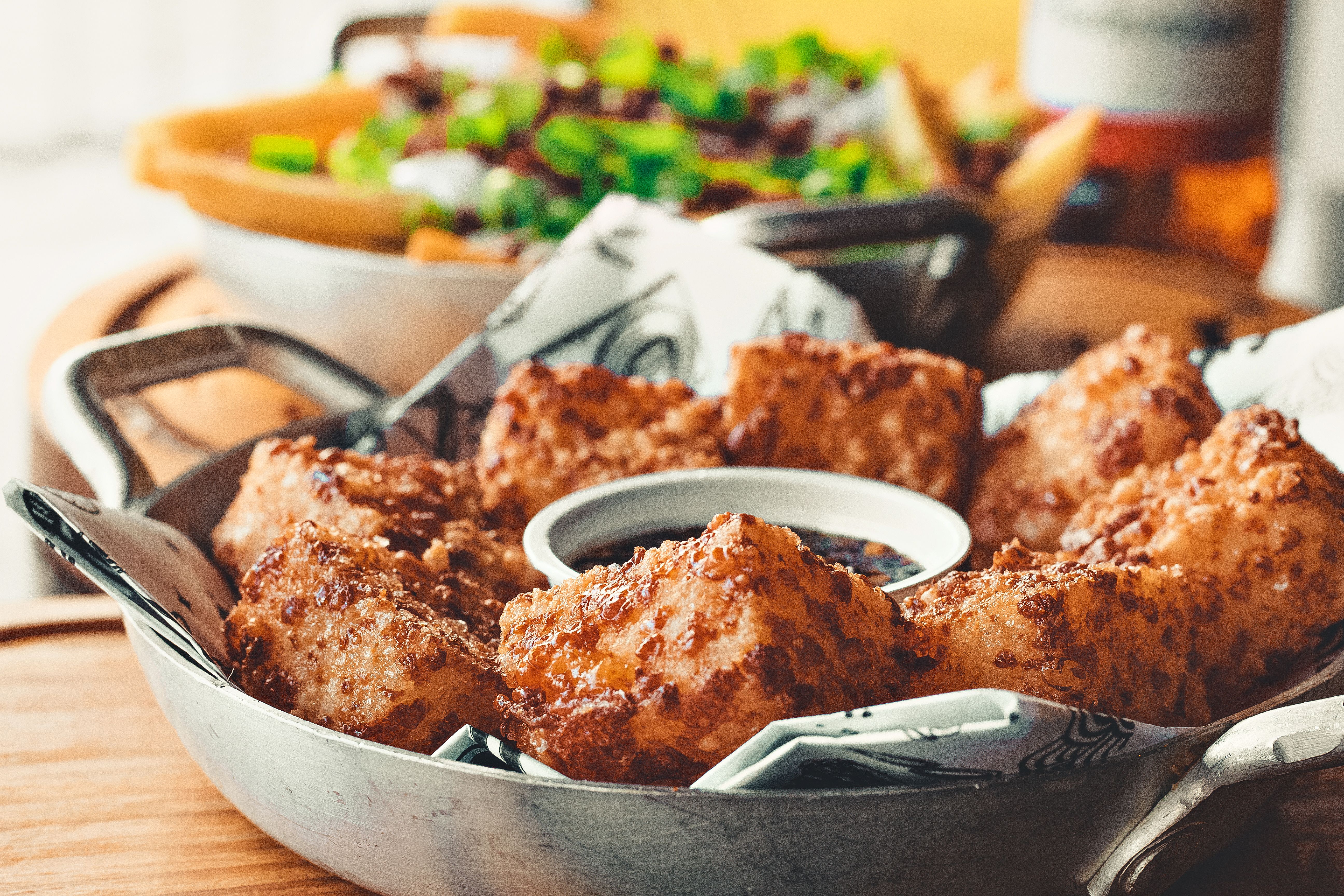
For years, tofu carried the reputation of being pale, bland, and only for vegetarians. In much of Canada 30 years ago, it was treated as a health-store compromise rather than a serious ingredient with its own texture, technique, and cultural history.
That view shifted as more Canadians encountered Chinese, Japanese, Korean, Thai, and Vietnamese cooking where tofu was prepared with intention. Crispy fried cubes, silky soups, braised dishes, and spicy sauces showed that tofu was not the problem. Bad cooking was.
Now tofu appears on upscale menus as often as in weeknight takeout. It can be smoked, whipped, grilled, or fried, and its adaptability has made it one of the most modern proteins in circulation.
Octopus
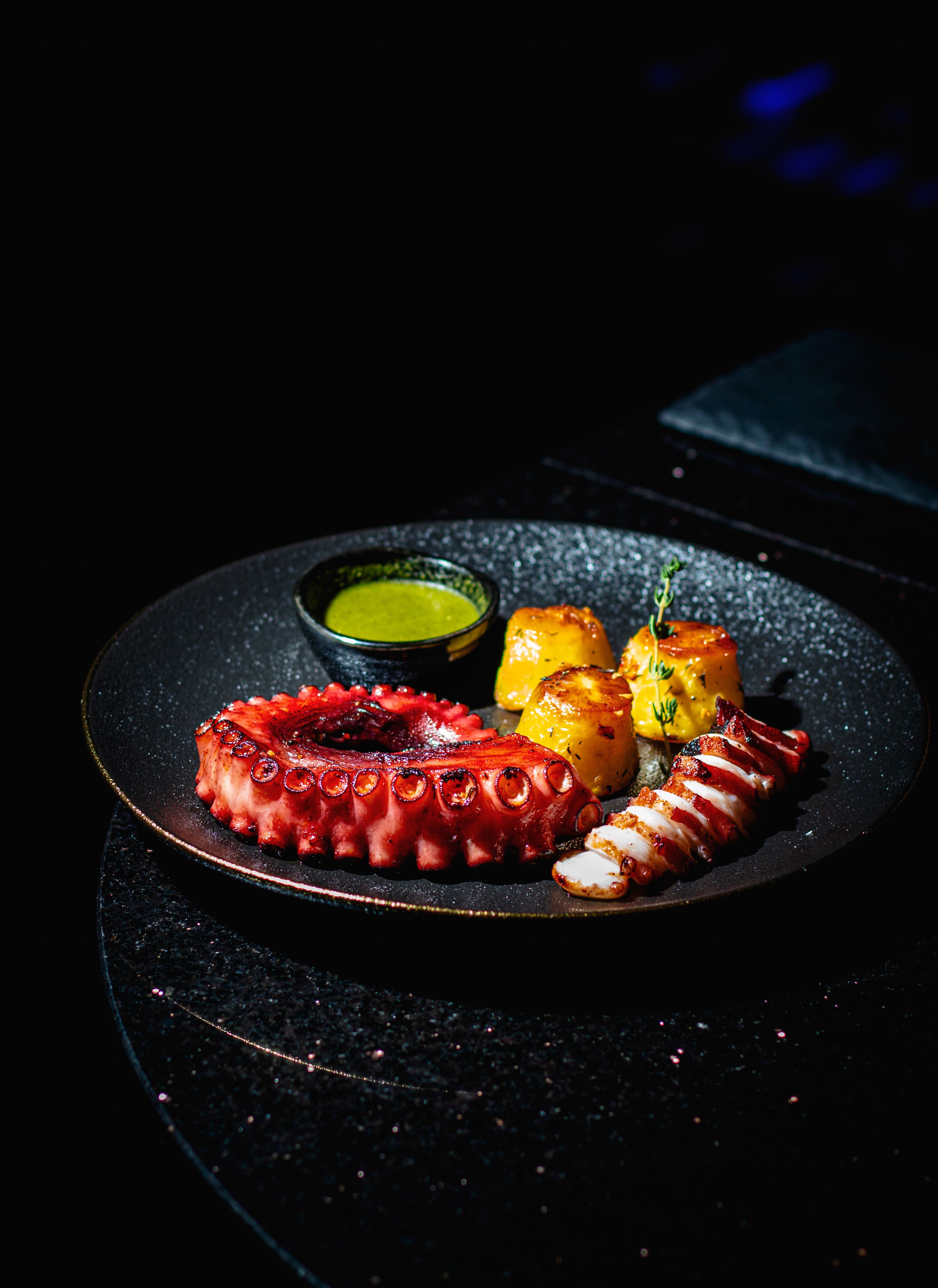
Octopus once struck many Canadian diners as more bait than dinner. Its tentacles, suction cups, and chewy reputation made it feel visually challenging, especially for people raised on more familiar seafood like salmon, cod, or shrimp.
Mediterranean restaurants helped normalize it, and chefs refined the technique, simmering it until tender and then grilling it for char and texture. Presentation mattered too. Once octopus arrived artfully plated with olive oil, citrus, and herbs, the fear factor dropped.
Today grilled octopus is almost a cliché of the trendy menu, but that says a lot about how far it has come. It now reads as adventurous yet approachable, elegant rather than alarming.
Goat Cheese

Goat cheese used to divide the table instantly. Its tangy flavour and soft texture felt too strong for Canadians accustomed to mild cheddar, mozzarella, and cream cheese, especially in an era when many restaurant menus leaned safe and familiar.
As artisanal cheese culture grew in Canada and chefs began pairing chèvre with beets, honey, herbs, and roasted vegetables, diners discovered it was less harsh than they thought. It was bright, creamy, and useful in both savoury and sweet dishes.
Now goat cheese is practically a shorthand for menu sophistication. It appears in salads, tarts, omelettes, pizzas, and whipped spreads, proving that a once-polarizing cheese can become a crowd-pleasing staple.
Bone Marrow
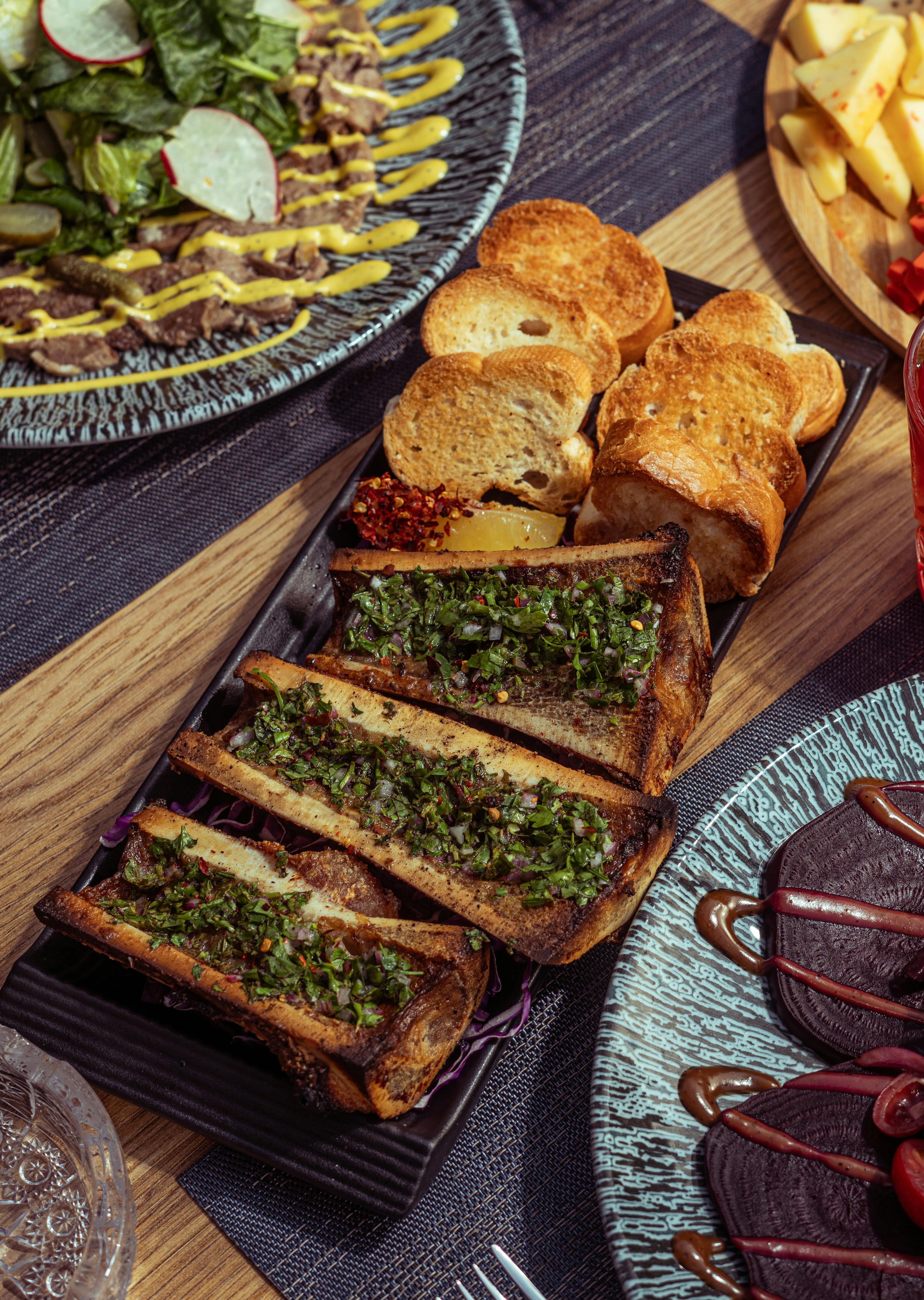
Few foods sounded less appealing to mainstream Canadian ears in the 1990s than bone marrow. The idea of scooping rich fat from a roasted bone seemed excessive, old-world, and vaguely unsettling, even to people who enjoyed steak.
Then nose-to-tail cooking changed the conversation. Chefs presented marrow as both luxurious and responsible, a way to use the whole animal while delivering deep flavour. Served with toast, herbs, and a bright salad, it suddenly looked thoughtful rather than gruesome.
Today bone marrow has a solid place on ambitious menus, especially in steakhouses and bistros. What once felt like a dare now reads as indulgent, chef-driven comfort food with serious culinary credibility.




Leave a Reply