
Canada has plenty of famous foods, but the really interesting part is not just what they are. It is why they showed up at all. From cold-weather convenience to immigrant influence and regional identity, these dishes reveal how geography, industry, religion, and habit quietly shaped the national table.
Poutine

Poutine looks like late-night indulgence, but its existence is surprisingly practical. In rural Quebec in the 1950s, the combination of fries, fresh cheese curds, and hot gravy brought together ingredients that were already everywhere: potatoes from casse-croûtes, curds from dairy country, and sauce that kept food hot and filling.
Its odd logic is exactly what made it stick. The gravy softens the fries, the curds resist melting just enough to stay distinct, and the whole dish delivers cheap calories in a cold climate. What began as a regional snack became a national symbol because it fit roadside culture, dairy economics, and Quebec identity all at once.
Butter Tarts

Butter tarts feel inevitable in Canada now, but they come from a very specific old-world habit: making dessert from pantry staples. Early settler cooking in Ontario drew from British sugar pies and treacle tarts, then adapted to local kitchens where butter, eggs, and syrupy fillings were easier to manage than elaborate pastries.
They also reflect a world where waste was frowned upon. Small amounts of sugar, dried fruit, or nuts could be stretched into something festive, and a single tart baked quickly in wood-fired ovens. The great Canadian debate over raisins or no raisins misses the larger point. This is a frontier-era dessert that survived because it was thrifty, portable, and deeply satisfying.
Nanaimo Bars
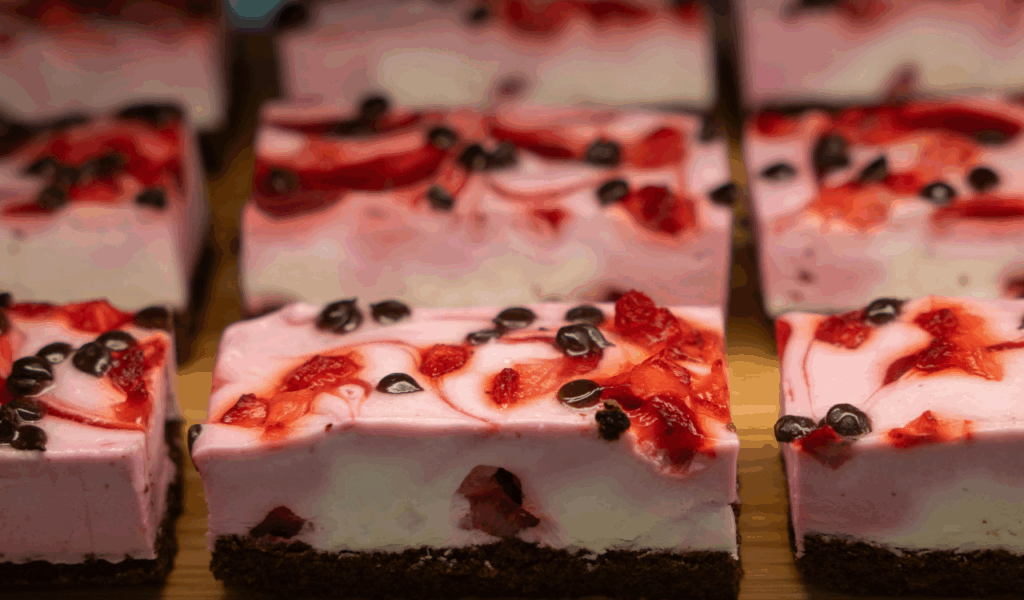
Nanaimo bars are a no-bake answer to a very Canadian kind of home entertaining. Their rise in the mid-20th century matched the era of community cookbooks, refrigerated desserts, and practical sweets that could be made ahead for church events, potlucks, and holiday trays.
The bar itself says a lot about postwar pantry life. Graham crumbs, cocoa, custard powder, coconut, and chocolate were shelf-stable and easy to find, even if they were not locally born ingredients. British Columbia gave the square its name, but its popularity spread because it looked impressive without demanding pastry skill. In a country with long winters and strong baking traditions, that was more than enough reason for it to endure.
Tourtière

Tourtière is not just meat pie. It is a record of how French Canadian households cooked for winter, feast days, and large family gatherings. In Quebec, meat pies became central to holiday tables because they used preserved or affordable meats, stretched seasoning cleverly, and fed many people from one dish.
Its exact filling changes by region, which is part of the story. Pork, veal, beef, game, potatoes, and warm spices all show up depending on local availability and family custom. The reason tourtière exists is simple and profound at once. In a harsh climate with strong Catholic holiday traditions, a hearty pie that could anchor Christmas and New Year meals made perfect cultural and practical sense.
Peameal Bacon

Peameal bacon is one of those foods that makes more sense when you think like a 19th-century food merchant. Developed in Toronto, it came from the need to preserve and transport pork loin efficiently. The meat was cured and rolled in ground yellow peas, later cornmeal, to help extend shelf life and protect the surface.
It is also a story about export markets. Canadian pork was big business, especially for Britain, and processors looked for reliable ways to move meat through the supply chain. What survives today as a sandwich filling at markets and diners began as a preservation method tied to trade, not trend. That is why it remains so distinctly Canadian, especially in southern Ontario.
Saskatoon Berry Pie

Saskatoon berry pie begins with a berry that was already important long before Canada became a country. Indigenous peoples harvested saskatoons for food and preservation, often including them in pemmican because they added sweetness, nutrition, and stored well when dried.
Settler kitchens then folded the fruit into familiar pie-making traditions. That blend of Indigenous food knowledge and European baking habits is a big part of why the pie became a Prairie classic. The berry thrives on the Prairies and in parts of western Canada, so the dessert also reflects local ecology. It exists because people cooked with what the land gave them, and because pie was one of the easiest ways to turn seasonal harvests into something memorable.
Ketchup Chips
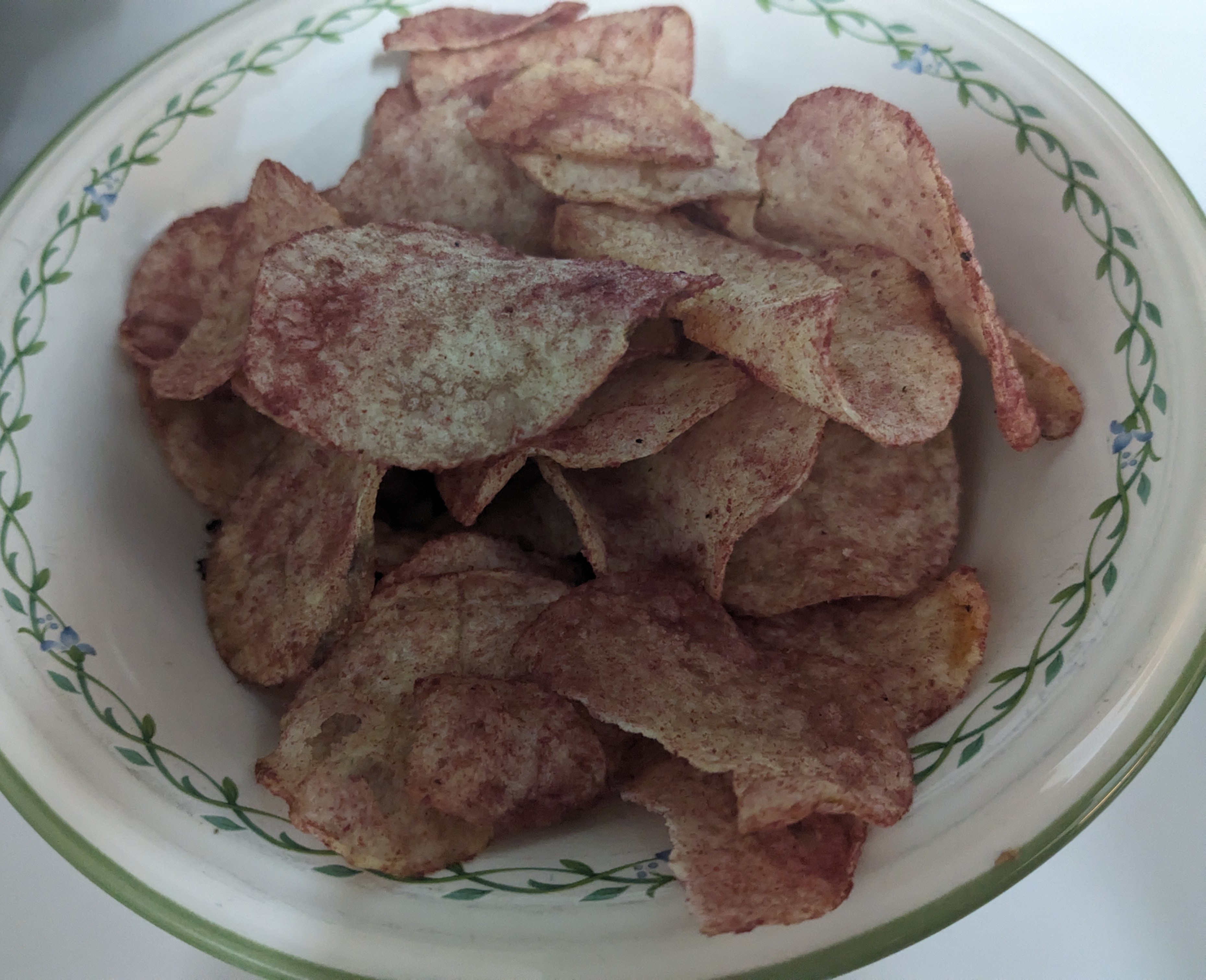
Ketchup chips sound like a novelty until you remember how snack companies build flavors around familiar national tastes. In Canada, ketchup had long been a table staple, especially with fries and diner food, so turning that sweet-tangy profile into a potato chip was a smart piece of food marketing that matched existing habits.
Their staying power says even more. Canada developed a stronger taste for bold, seasoning-heavy chip flavors than some other markets, and ketchup chips fit right into that preference. The reason they feel so Canadian is not ancient tradition. It is that mass-produced food can become cultural shorthand when it lands at exactly the right intersection of nostalgia, branding, and everyday eating.
Split Pea Soup
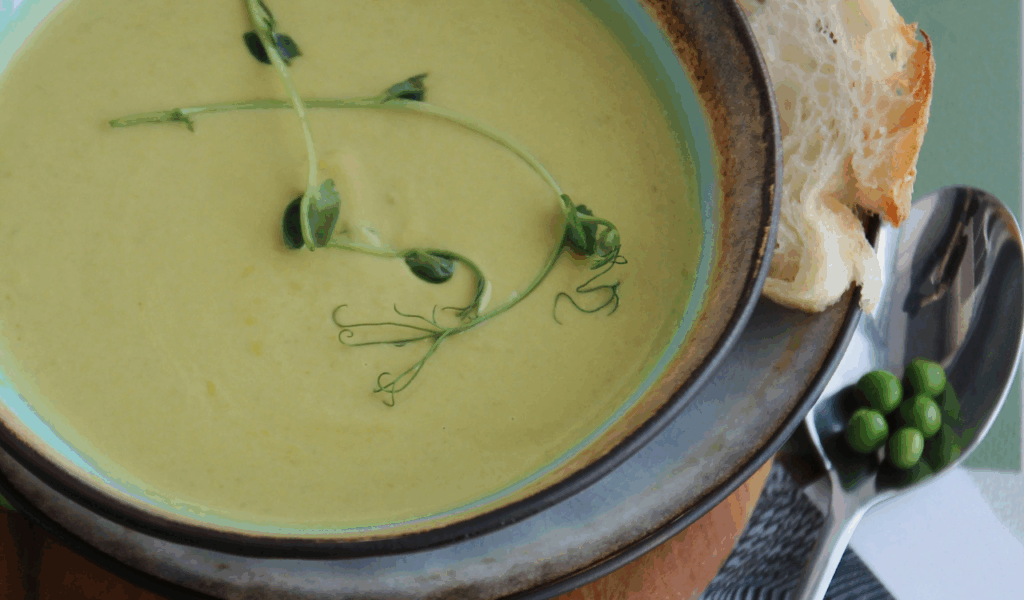
Split pea soup is one of the clearest examples of climate shaping cuisine. In French Canadian cooking, dried peas became invaluable because they stored well through long winters, cost little, and turned into a filling meal with the help of salt pork or ham bone and a few vegetables.
Its roots also stretch back to old French peasant cooking, then settled deeply into Quebec and other parts of Canada where practical winter food mattered. This is not flashy food, but that is the point. It exists because households needed something nourishing, cheap, and dependable. In many ways, split pea soup tells the story of early Canadian kitchens better than any luxury dish ever could.
BeaverTails

BeaverTails look folkloric, but they are really a modern business built around old dough traditions. The pastry draws on stretched, fried dough recipes found in several cultures, including those brought by European settlers. In Canada, it was reimagined as a hand-held treat shaped like a beaver tail, which gave it instant national symbolism.
Its popularity grew in places where tourism, winter recreation, and outdoor snacking overlap. Ski hills, festivals, and canal-side stands made it easy to pair with cold weather and public celebration. That helps explain why it feels so Canadian. It is less about ancient heritage than about packaging familiar fried dough in a form that speaks directly to Canadian imagery and leisure life.




Leave a Reply