
Walk through a grocery store or restaurant in Quebec and plenty of familiar foods suddenly look, sound, or even taste a little different. Some changes come from language rules, some from deep French culinary traditions, and some from the province's own supply chains and consumer habits. Together, they reveal how food in Quebec is shaped by more than appetite alone.
Milk in bags

For many Canadians, milk in plastic bags feels like an old habit. In Quebec, it still feels entirely current. Shoppers commonly buy 4-litre packs split into three small bags, then place one bag into a reusable pitcher and snip off the corner for pouring.
The reason is partly historical and partly practical. When metric packaging became standard in the 1970s, bagged milk adapted neatly to new sizes and distribution systems in central Canada, especially Quebec and Ontario. It is also cheaper to package than rigid jugs in some cases and takes up less material.
Quebec kept the format because households stayed used to it, stores were set up for it, and demand never really disappeared. In much of western Canada, consumer preference shifted more strongly to jugs and cartons, so the bagged format gradually lost ground.
Maple syrup in metal cans

Elsewhere in Canada, maple syrup often shows up in glass bottles shaped for gift shelves. In Quebec, the classic image is still the flat metal can, stacked in sugar shacks, grocery stores, and kitchen pantries like a pantry staple rather than a luxury product.
That packaging choice says a lot about scale. Quebec produces the overwhelming majority of Canada's maple syrup, so the product is sold in a deeply established local system where utility matters. Metal cans protect syrup from light, travel well, and have long been part of the province's maple trade.
There is also a cultural angle. In Quebec, maple syrup is less of a souvenir food and more of an everyday ingredient used in baking, breakfasts, glazes, and spring traditions. The can reflects that straightforward, no-nonsense relationship.
Cheese curds sold for poutine freshness

In most of Canada, cheese curds can be a specialty item. In Quebec, they are sold with a level of urgency. Fresh curds for poutine are expected to have that famous squeak, and many shops proudly move them quickly to preserve the texture locals consider essential.
The difference comes from poutine culture itself. Since Quebec is the birthplace of the dish, curds are not just one cheese option among many. They are a core ingredient with standards attached. Freshness, temperature, and turnover matter because the ideal curd softens under hot gravy without melting away.
That is why Quebec convenience stores, casse-croûtes, and supermarkets may stock curds in ways that seem unusually prominent. In other provinces, demand is growing, but curds are more often sold as a niche cheese rather than a near-daily poutine necessity.
Peanut butter sold as a spread called beurre d'arachide
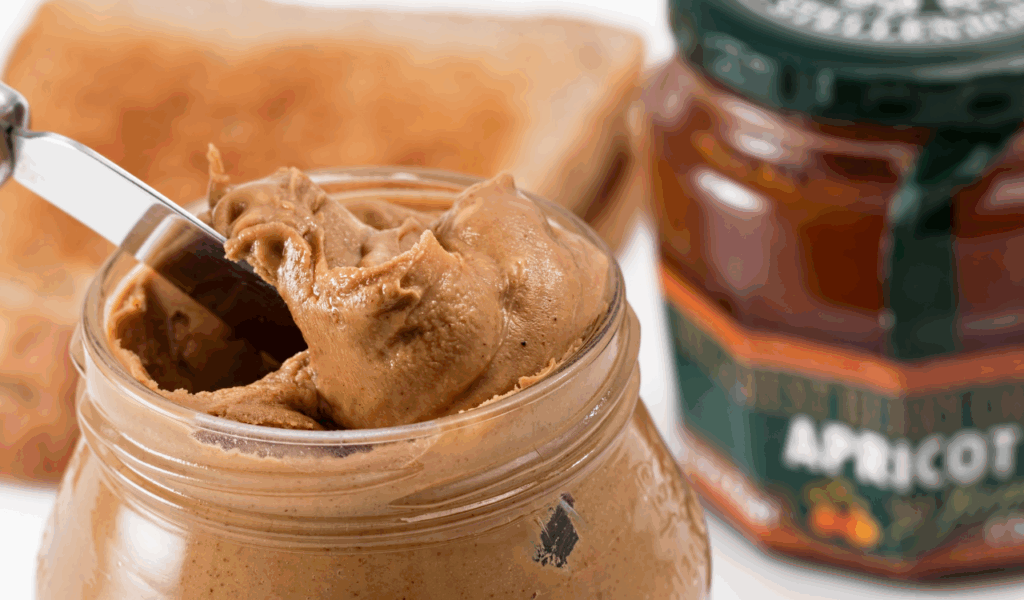
A jar of peanut butter in Quebec is not just translated. It is presented through a different retail lens shaped by French labeling rules and consumer familiarity. The term beurre d'arachide is standard, prominent, and part of a broader packaging style that often gives French the visual lead.
The main reason is Quebec's language framework. Packaging sold in the province must meet French-language requirements, and product naming is one of the most visible places where that appears. For shoppers, that means the same national brand can look noticeably different on a Quebec shelf than in another province.
There is also a subtle marketing shift. Brands often adapt front-of-pack text, serving ideas, and product descriptors to match local language and food culture. The contents may be similar, but the way the food is sold is distinctly Quebec.
Rotisserie chicken sold with fries and family meal culture
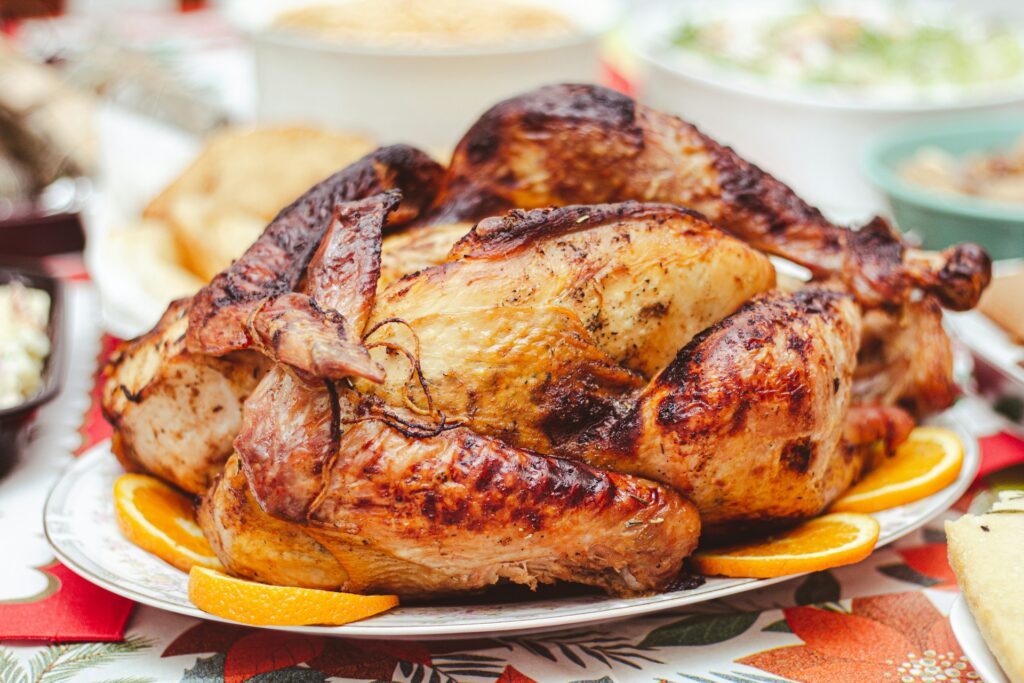
In many parts of Canada, rotisserie chicken is a supermarket convenience. In Quebec, it often feels like a category of its own. Chains such as St-Hubert helped turn roast chicken into a defining casual meal, usually paired with fries, gravy, coleslaw, and dinner rolls.
That selling style comes from Quebec's restaurant history. Family chicken restaurants became deeply woven into weeknight eating, takeout habits, and televised sports nights. The product was never just a bird under a heat lamp. It was a complete, reliable meal with familiar sides and a strong local brand identity.
As a result, Quebec consumers often encounter rotisserie chicken through combo meals and set menus more than elsewhere. The food is sold as comfort and ritual, not only convenience, and that distinction has lasted for decades.
Hot dogs sold steamed in toasté buns
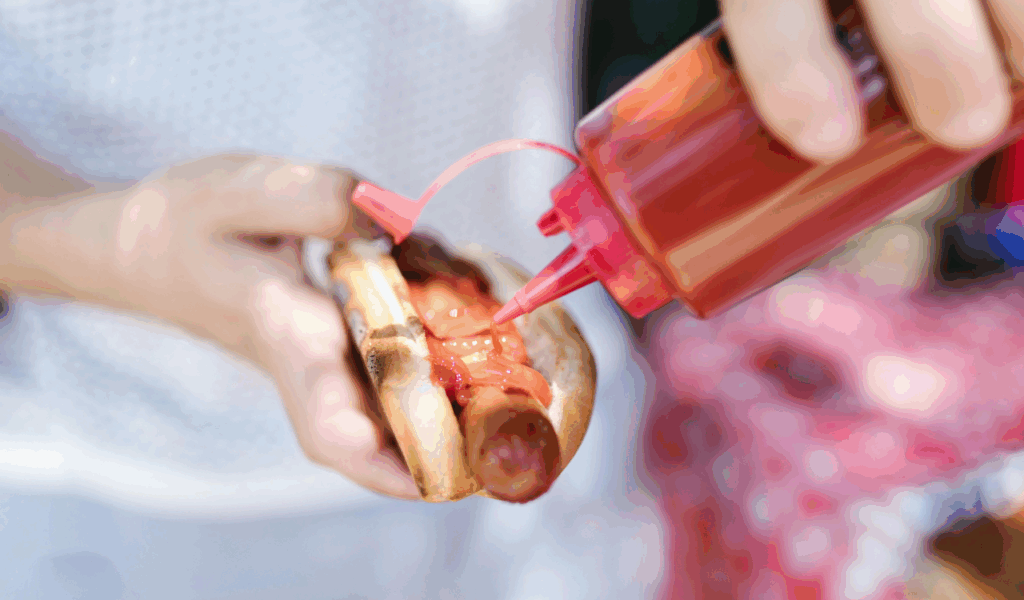
A Quebec hot dog is often sold in a way that surprises visitors before the first bite. The classic steamé comes with a steamed sausage in a steamed bun, while the toasté version uses a toasted bun. That terminology itself is part of the selling point and menu language.
This style grew out of Montreal diner and casse-croûte culture, where quick, affordable foods developed their own local vocabulary. Ordering all-dressed in Quebec also means something specific, usually mustard, relish, onions, and coleslaw, not the topping mix some other Canadians might expect.
The result is a hot dog culture with its own rules. In other provinces, hot dogs are often sold with generic menu wording and broader topping choices. In Quebec, the product is tied to local shorthand, neighborhood stands, and a very recognizable way of ordering.
Baked beans sold as fèves au lard

Baked beans exist across Canada, but in Quebec they carry a more specific identity. Sold as fèves au lard, they are linked to traditional home cooking, cabane à sucre meals, and old-fashioned French Canadian comfort food rather than just a canned pantry side.
The phrase matters because it signals a distinct culinary tradition. Quebec-style baked beans have long roots in rural cooking, where slow baking, molasses or syrup, and pork fat gave the dish substance and warmth. Food companies and restaurants still market them with that heritage in mind.
So while shoppers elsewhere may see baked beans as a barbecue staple or breakfast extra, Quebec consumers often encounter them as a recognizable cultural dish. The way they are named and presented keeps that tradition front and center.
Yogurt sold in flavors and formats tailored to French-speaking tastes

Yogurt is one of the clearest examples of Quebec shelves looking different without the food itself being entirely foreign. Brands often sell flavors, textures, and label copy in ways that speak directly to francophone consumers, with more emphasis on European-style plain yogurt, vanilla, lemon, and dessert-like cultured dairy.
Part of this comes from Quebec's culinary inheritance. French food traditions helped normalize yogurt as a regular household item, not merely a health product. That encouraged a market for richer textures, smaller cups, and flavor profiles that sometimes differ from what dominates in English Canada.
Regulation and marketing also play a role. Front labels, nutrition callouts, and serving descriptions are designed for French-first packaging, which can make the same brand line feel more localized. In Quebec, yogurt is sold with a slightly different cultural accent.
Soft drinks and chips sold in flavors tied to Quebec snack culture

Snack aisles in Quebec often reveal local preferences fast. Certain chip flavors, seasonal products, and soft drink branding choices are marketed more heavily there, and some labels lean into Quebec nostalgia in a way national snack aisles elsewhere do not.
This difference comes from regional taste and smart merchandising. Food companies know Quebec shoppers respond to familiar flavor traditions, strong local branding, and French-language packaging that feels made for them rather than merely translated. Even when products are nationally distributed, the shelf mix can be noticeably different.
It is also about competition from local or locally beloved brands. Quebec has long supported homegrown food identities, so major companies often adjust what they stock and promote. The result is a snack section that reflects provincial character as much as convenience-store cravings.

Leave a Reply