
People who reach their 90s rarely credit one miracle food. More often, they point to steady habits that kept meals simple, balanced, and satisfying for decades. These nine food routines show up again and again in longevity research, and many younger adults tend to overlook them until much later.
Eating beans often
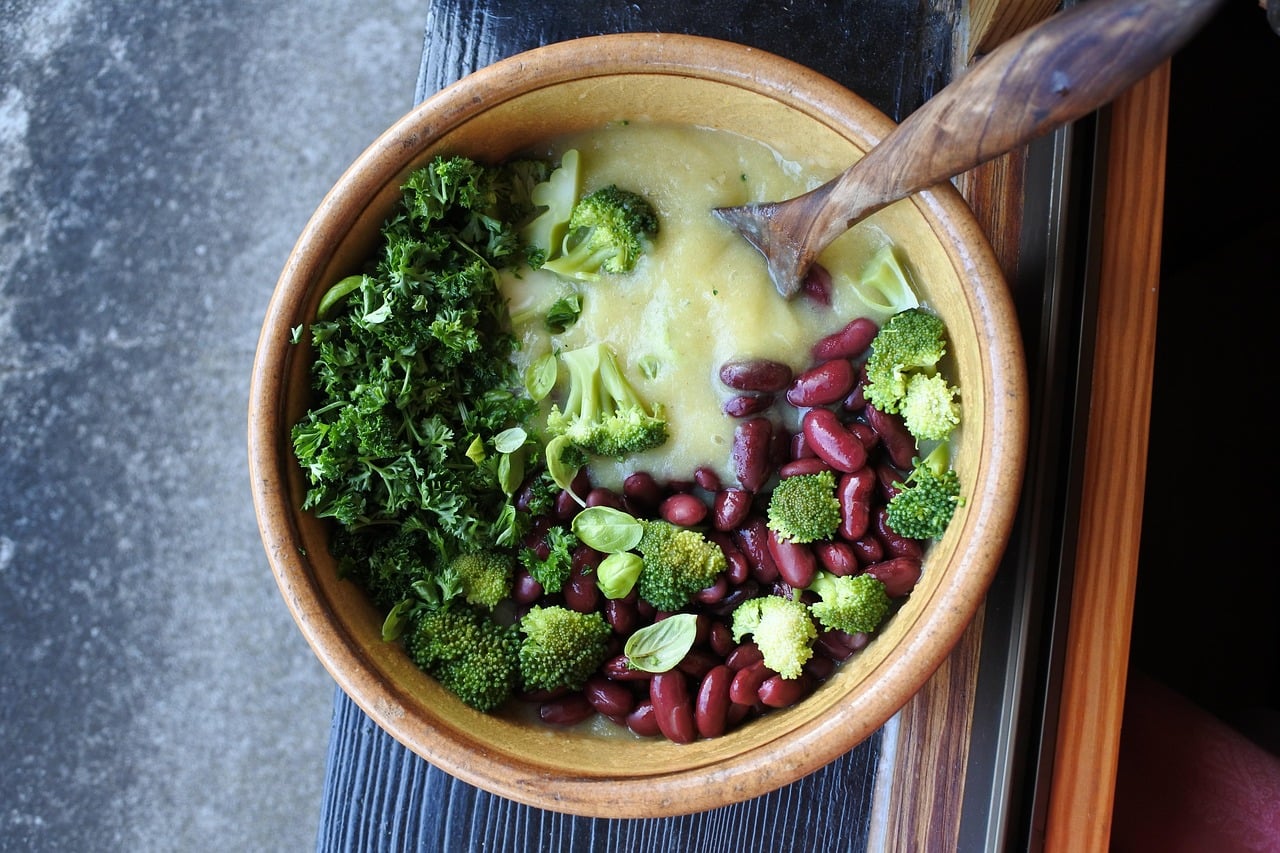
One of the clearest patterns in long life research is regular bean intake. In the Blue Zones regions, areas studied for unusually high rates of healthy aging, beans are described as a cornerstone food eaten every day in many households. That includes lentils, black beans, chickpeas, and soy foods.
Beans bring a useful mix of fiber, plant protein, and minerals in a low cost package. The Dietary Guidelines for Americans also place beans, peas, and lentils among nutrient dense foods that support healthy eating patterns. For younger people used to building meals around meat, beans can seem like a side dish. For many adults over 90, they were the meal.
A bowl of bean soup, stewed lentils, or rice and beans is also easy to make and easy to repeat. That matters because long term habits usually beat short bursts of perfect eating.
Stopping before feeling stuffed

In Okinawa, one phrase often linked to eating is "hara hachi bu," a reminder to stop eating when you are about 80 percent full. It is less a diet rule than a pacing habit, and it shows up often in conversations about healthy aging.
This idea fits with what nutrition experts say about portion awareness and mindless overeating. Eating more slowly and paying attention to fullness cues can help people avoid the large portions that have become common in many restaurants and packaged meals.
Many people in their 90s grew up in homes where food was valued and not wasted, but meals were not oversized. They often describe getting up from the table feeling comfortable, not heavy. That small distinction can shape calorie intake for decades without constant counting.
Prioritizing vegetables every day

People who live a long time often talk about vegetables in an unglamorous way. They were simply on the table all the time. Leafy greens, seasonal produce, onions, squash, cabbage, and sweet potatoes appear often in traditional eating patterns linked with longevity.
Research on healthy dietary patterns consistently favors diets rich in vegetables. The Dietary Guidelines for Americans recommend a variety of vegetables from all subgroups, including dark green, red and orange, beans and peas, starchy vegetables, and others.
For younger adults, vegetables are often the part of the meal they promise to "be better about" later. Many nonagenarians never treated them as optional. They treated them as standard, which is usually the more sustainable approach.
Choosing whole grains over refined ones

Long lived adults often grew up eating oats, barley, corn, brown rice, or hearty breads that were less processed than many modern convenience foods. Whole grains tend to deliver more fiber and other nutrients than refined grains.
The American Heart Association notes that whole grains can support heart health, especially when they replace refined grain products. That matters because cardiovascular disease risk builds over time, not just in old age.
This is not about making every meal austere. It is about the base of the plate. A breakfast of oatmeal, a slice of whole grain bread, or a grain bowl with farro can quietly improve diet quality in ways that add up over years.
Keeping processed sugar in check

Many adults over 90 enjoy sweets, but often in smaller amounts and less constant forms than younger people do today. Dessert was more likely to be occasional, homemade, or tied to a meal instead of a steady stream of sugary drinks, snacks, and coffee add ins.
The Dietary Guidelines for Americans recommend limiting added sugars to less than 10 percent of calories per day. The American Heart Association has also warned that frequent intake of added sugars can make it harder to maintain a healthy eating pattern.
A piece of fruit, yogurt, or a small dessert after dinner may not feel dramatic. That is the point. Longevity habits are often modest enough to repeat for life.
Eating fish in a simple way
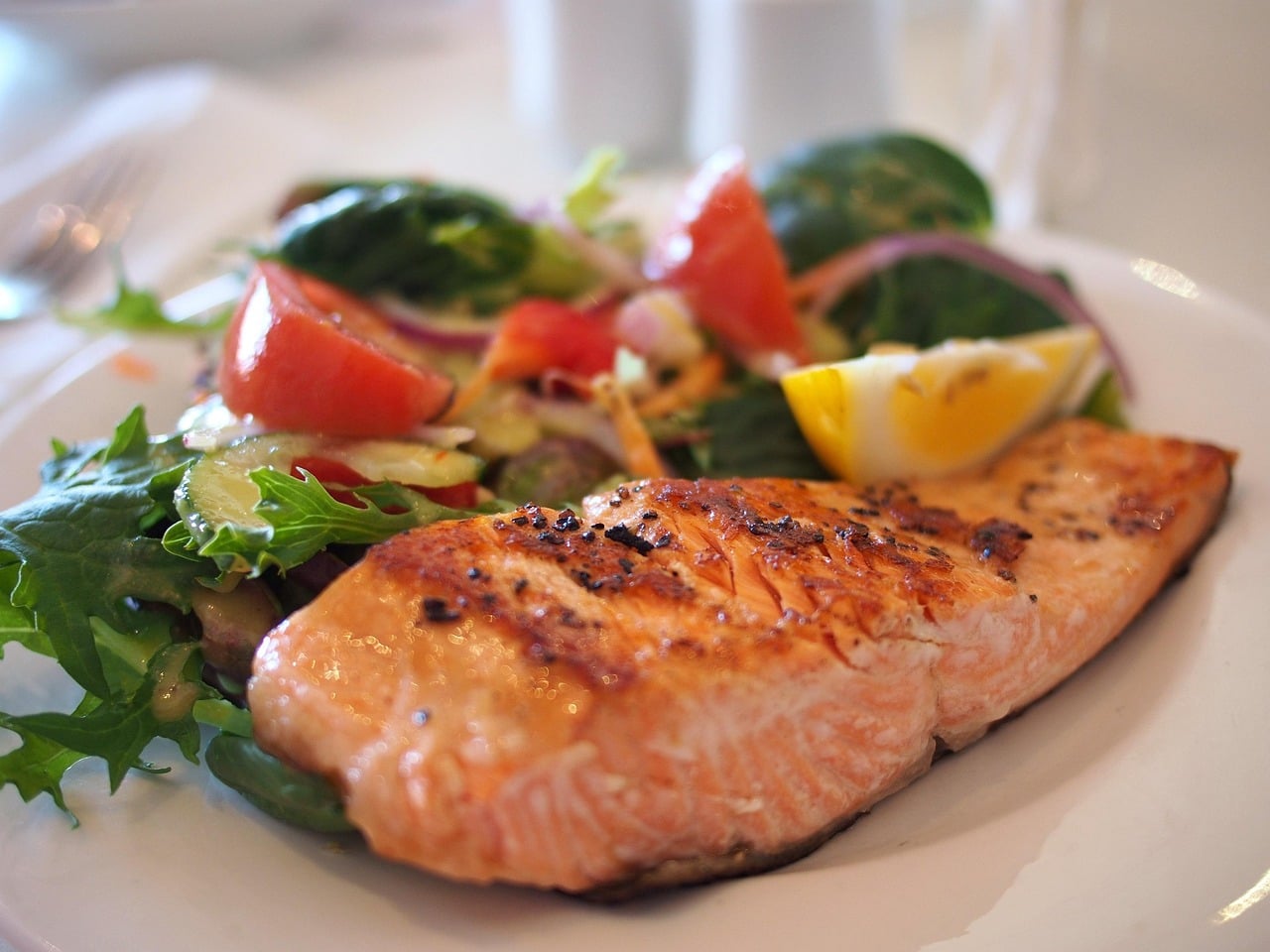
In several longevity linked food cultures, fish appears regularly but not extravagantly. It is often grilled, stewed, or served in modest portions alongside vegetables and grains rather than deep fried or buried in rich sauces.
The American Heart Association recommends eating fish, especially fatty fish, at least two times per week. Fish can provide protein along with omega 3 fatty acids, nutrients associated with heart health.
Older adults who grew up near coasts or lakes often describe fish as practical everyday food. Younger eaters sometimes treat seafood as restaurant food or a special occasion item. The long life version is usually simpler and more routine.
Cooking at home more often

A striking habit among many people who age well is that meals are often home cooked. Home cooking usually makes it easier to control portion size, sodium, added sugar, and ingredients overall.
The Centers for Disease Control and Prevention notes that many Americans consume too much sodium, much of it from processed and restaurant foods. Cooking at home does not guarantee a perfect meal, but it gives people more control over what ends up on the plate.
Adults now in their 90s often learned a short list of reliable dishes and repeated them. Soup, cooked greens, beans, fish, eggs, porridge, and stews may sound ordinary, yet ordinary meals are often where good nutrition actually happens.
Treating fermented foods as everyday staples

In many traditional diets, fermented foods were not trendy health products. They were practical foods that helped preserve milk or vegetables and added flavor to meals. Yogurt, kefir, miso, tempeh, and fermented vegetables all fit this pattern.
Some fermented foods contain live microbes, and research on the gut microbiome has increased interest in how diet affects digestive and overall health. Even so, the strongest case for these foods in everyday life may be that they can be nutritious, flavorful, and easy to pair with other healthy staples.
Many older adults grew up eating cultured dairy or pickled vegetables regularly. Younger people often skip them entirely or buy sugary versions that work against the original idea.
Eating with routine and company
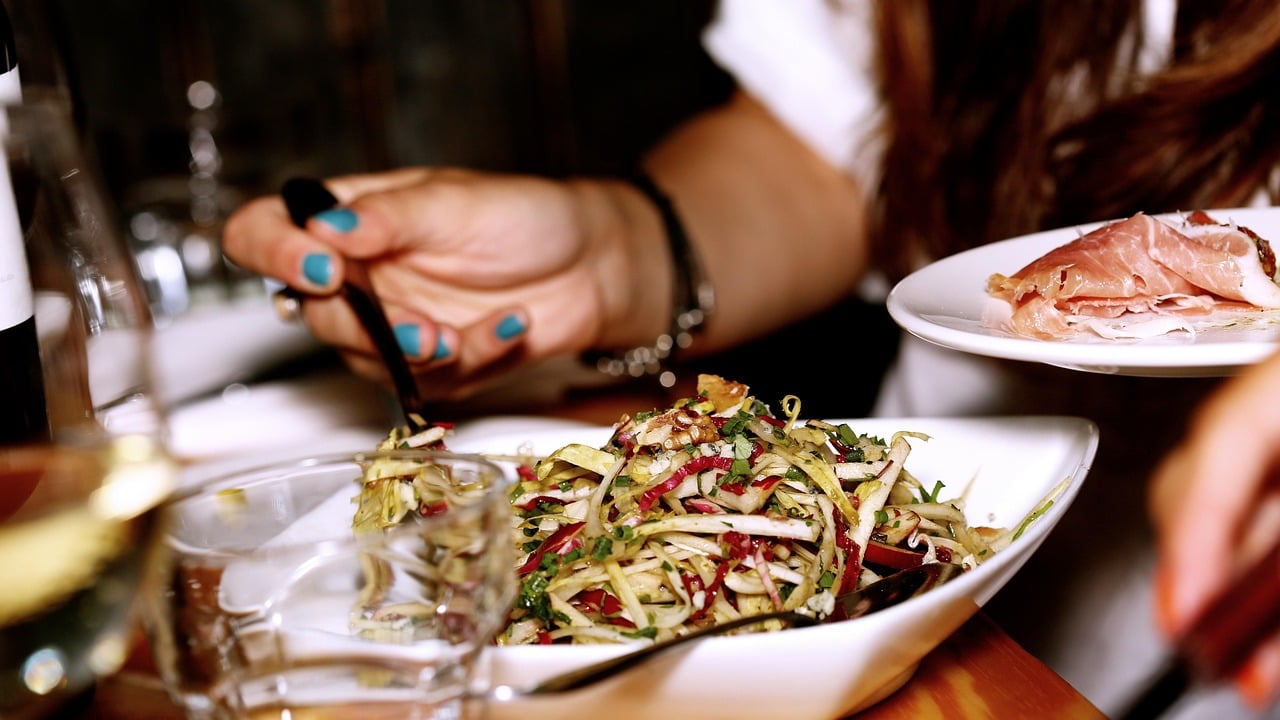
One overlooked food habit is not only what people eat, but how. Adults who live into their 90s often describe regular meal times, sitting down to eat, and sharing food with family or friends when possible.
Research on longevity has long noted the value of social connection and lower stress. A calmer meal rhythm can support better digestion, slower eating, and fewer impulsive food choices. It also turns eating into a daily practice rather than a rushed errand.
That may be the quiet lesson beneath many long life diets. People over 90 often built meals around rhythm, moderation, and community. Younger adults tend to chase perfect foods, but the habit that lasts is usually the one that fits real life.




Leave a Reply