
Cheap, reliable fibre is no longer something families can take for granted. Foods once seen as basic pantry staples are being squeezed by climate shocks, supply chain risks, and rising production costs.
Oats
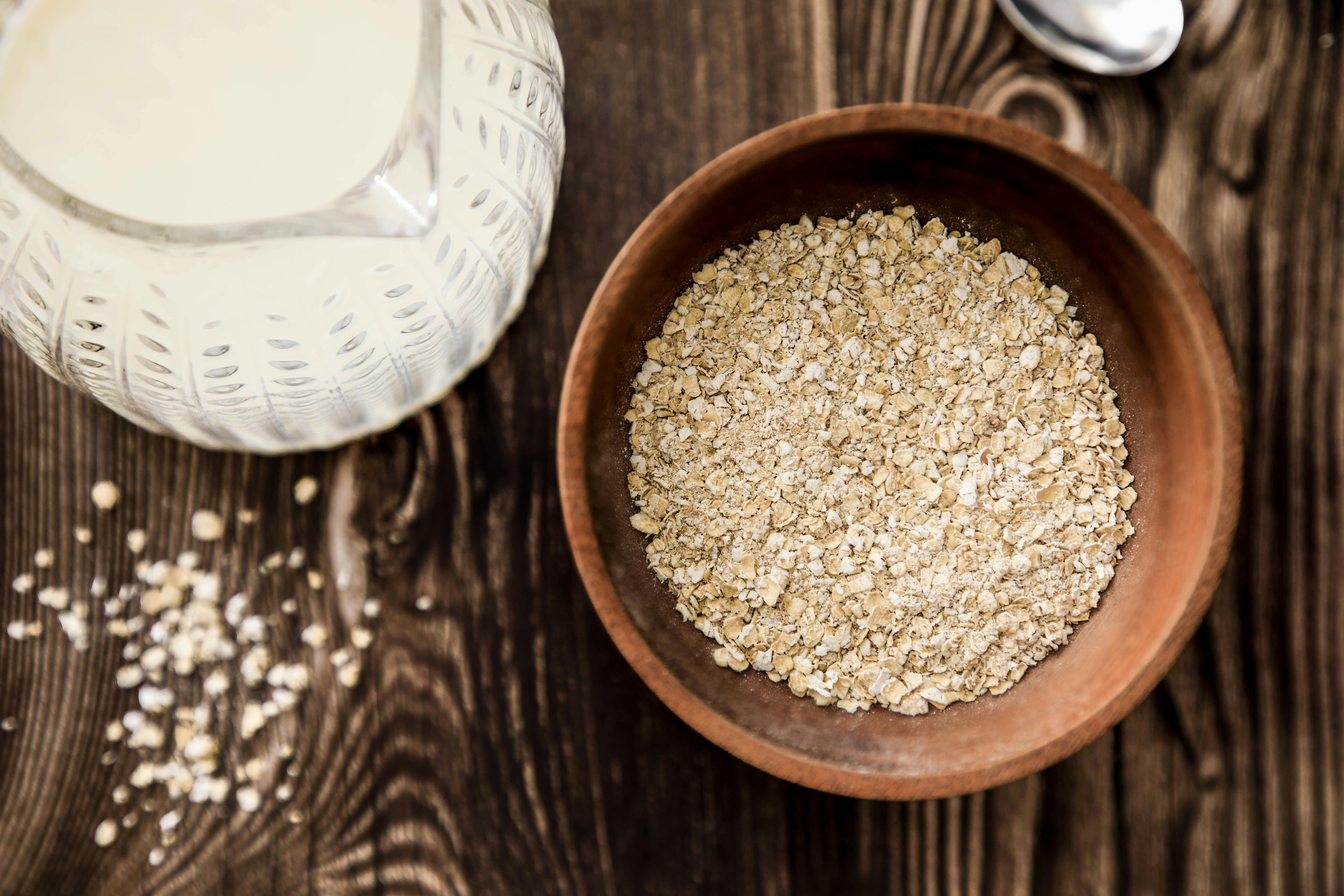
Oats have long been the quiet hero of affordable fibre. They are easy to cook, filling, and widely recommended for heart health because of their beta-glucan content. For many middle-class households, oats have been the default low-cost breakfast that still feels wholesome.
That stability is starting to look less certain. Oat crops are highly sensitive to weather extremes, especially drought and unseasonal heat during critical growing periods. In major producing regions such as Canada, northern Europe, and parts of the United States, recent harvests have shown how vulnerable output can become when heat and dryness arrive together.
There is also growing competition for processed oat products. Oat milk, branded cereals, snack bars, and functional health foods have created stronger demand from manufacturers willing to pay more than commodity food buyers. When processors bid up supply, plain rolled oats may remain available, but not always at the low prices middle-class shoppers expect.
If climate volatility and premium product demand continue on their current path, oats may not vanish completely. What could disappear is the era when a large container of oats was one of the cheapest high-fibre foods in the supermarket.
Brown Rice
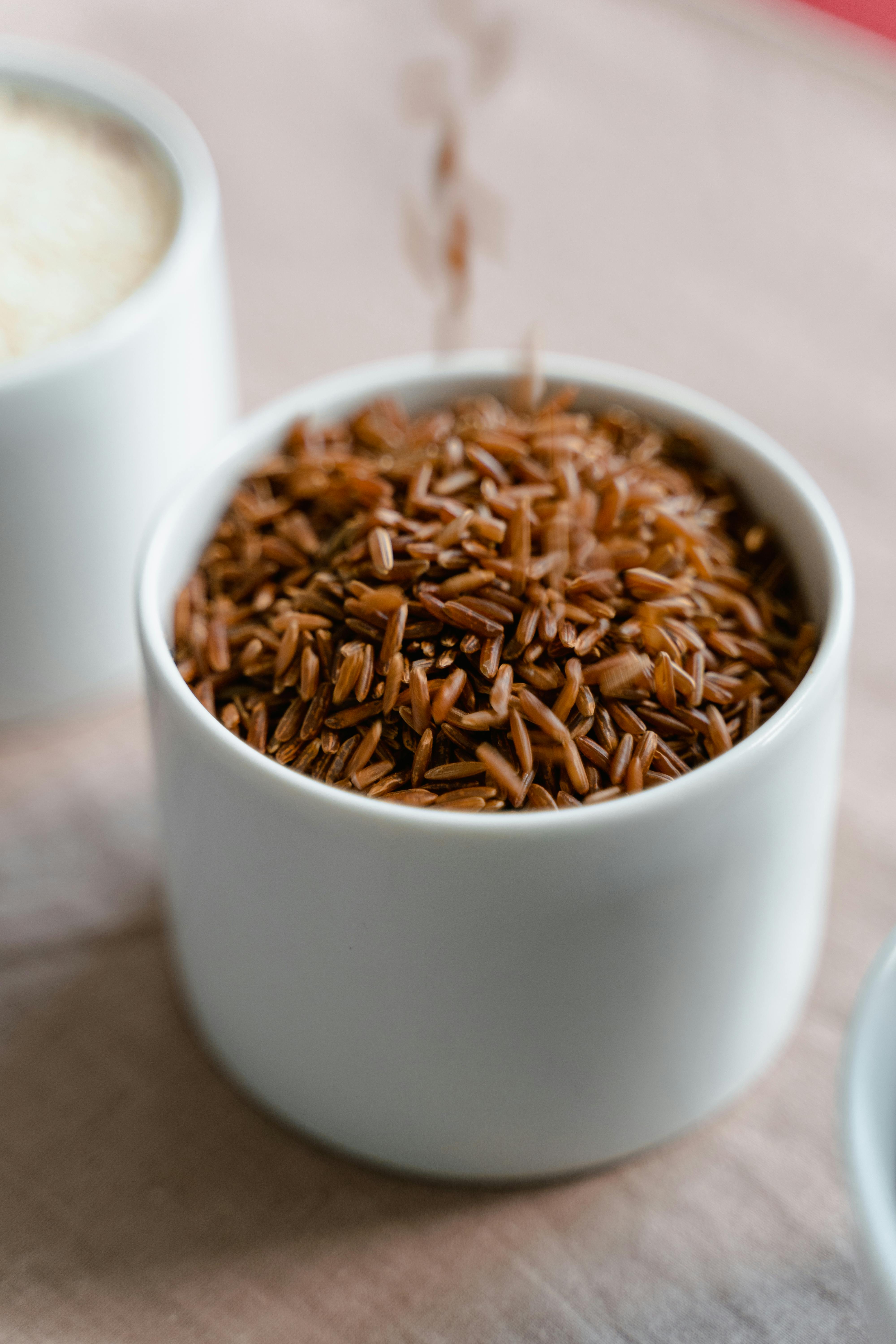
Brown rice looks simple, but it sits on a fragile agricultural foundation. Unlike white rice, it keeps the bran layer that provides more fibre, oils, and nutrients. That same layer also shortens shelf life, making storage, transport, and retail management more demanding.
Rice farming faces mounting pressure from water scarcity. In many producing countries, irrigation systems are under strain, and groundwater depletion is becoming harder to ignore. Brown rice, already a smaller and more specialized category than white rice, can be squeezed first when producers and retailers focus on longer-lasting, easier-to-market grains.
Price behavior matters too. When inflation bites, shoppers often trade down from brown rice to white rice because white rice is frequently cheaper, more familiar, and easier to store in bulk. Retailers respond by expanding what moves fastest, which can reduce shelf space for brown rice in mainstream stores.
Middle-class tables may still see rice, but not necessarily the higher-fibre version. In the next five years, brown rice risks becoming a less common everyday staple and more of a niche health product.
Whole-Wheat Bread

Few foods symbolize everyday fibre more than whole-wheat bread. It is lunchbox food, breakfast toast, and the base for countless low-effort meals. Because it feels ordinary, many consumers assume it will always remain easy to find and reasonably priced.
The challenge begins at the wheat level. Climate-related yield swings in major wheat exporters, from dry spells in North America to war-related disruptions in the Black Sea region, have made wheat prices more volatile. Millers and bakers then face higher costs for grain, energy, labor, and transport all at once.
Whole-wheat bread also has a commercial disadvantage. It often has a shorter perceived freshness window than highly refined white bread, and some shoppers still prefer softer texture over higher fibre. During periods of tight budgets, bakeries may prioritize products with broader mass appeal and lower waste risk.
That means whole-wheat bread could slowly lose prominence in mainstream retail. It may remain available, but with fewer budget options and more premium positioning, making it less automatic for middle-class households.
Lentils

Lentils are one of the best fibre bargains in the food system. They are rich in fibre, protein, and minerals, and they store well without refrigeration. For families trying to eat better on a budget, lentils have often been the ideal answer.
But lentils depend heavily on a small number of major exporters, especially Canada, India, Turkey, and Australia. Weather disruptions in any of these regions can move prices quickly. Drought, heat stress, and irregular rainfall have already exposed how concentrated global pulse supply really is.
Trade policy adds another layer of uncertainty. Governments sometimes adjust tariffs, export rules, or domestic stock policies to protect local consumers. Those moves may make political sense, but they can tighten international supply and raise costs for import-dependent markets almost overnight.
Lentils are unlikely to disappear globally, but they can disappear from the value equation. If prices rise too far or too often, middle-class shoppers may buy them less frequently, even while nutrition experts keep praising them.
Chickpeas
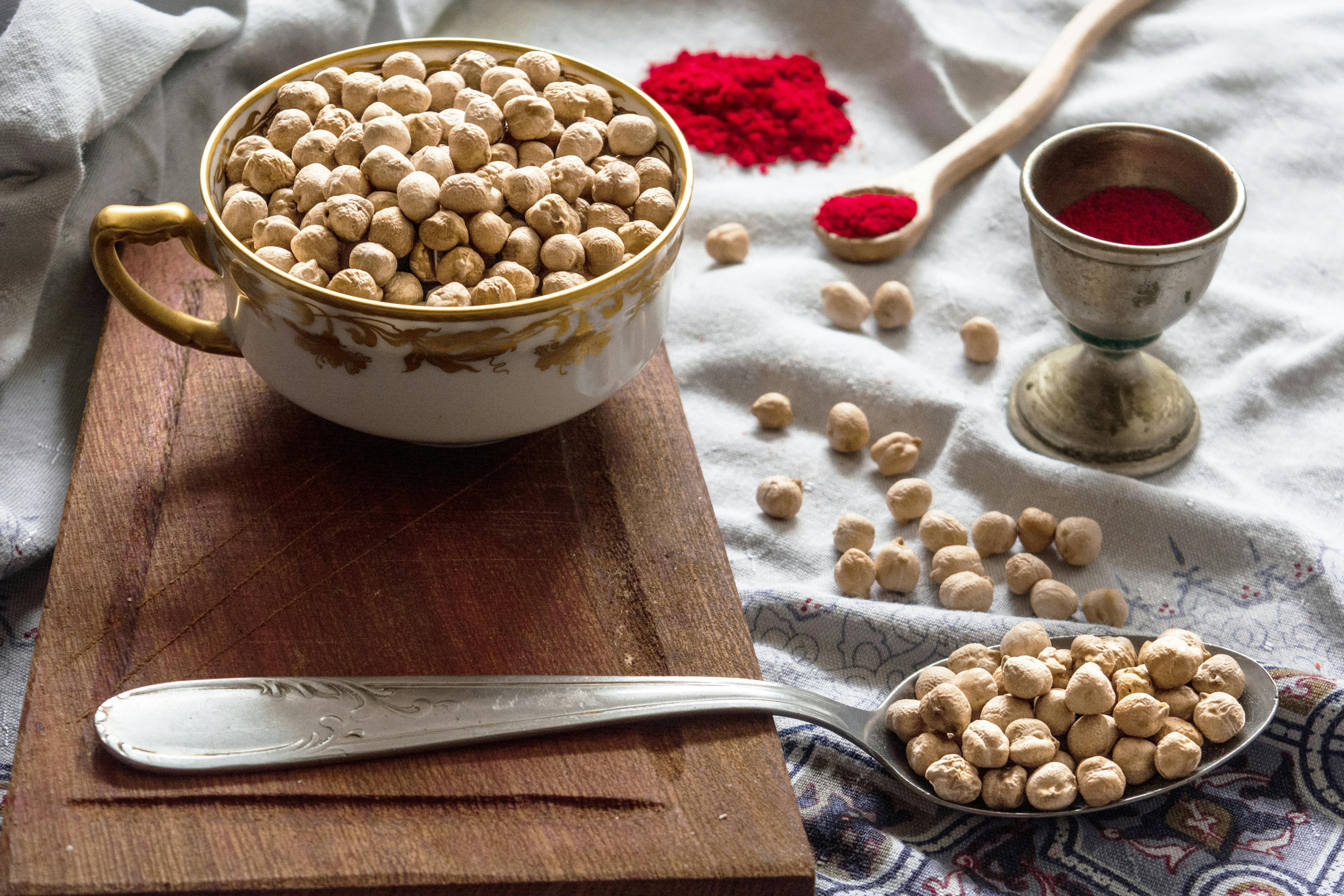
Chickpeas became a modern pantry star by doing two jobs at once. They work as a traditional staple in many cuisines, and they also feed booming demand for hummus, roasted snacks, plant-based meals, and gluten-free flour. That success is exactly what now makes them more vulnerable.
Global demand has diversified faster than supply has expanded. As food manufacturers use more chickpea flour in pasta, baked goods, and protein products, households are no longer competing only with other home cooks. They are competing with industrial buyers that can lock in volume and absorb price increases more easily.
Production risk is rising too. Chickpeas do not thrive under every climate condition, and yields can suffer from heat, drought, and disease pressure. In countries where crop planning is already stressed by fertilizer prices and water limits, farmers may switch acreage to more profitable or less risky alternatives.
The result could be a familiar pattern: chickpeas remain visible, but budget cans and bulk bags become less dependable. For middle-class families, a once-cheap fibre staple may start to feel like a selective purchase.
Apples With Skin
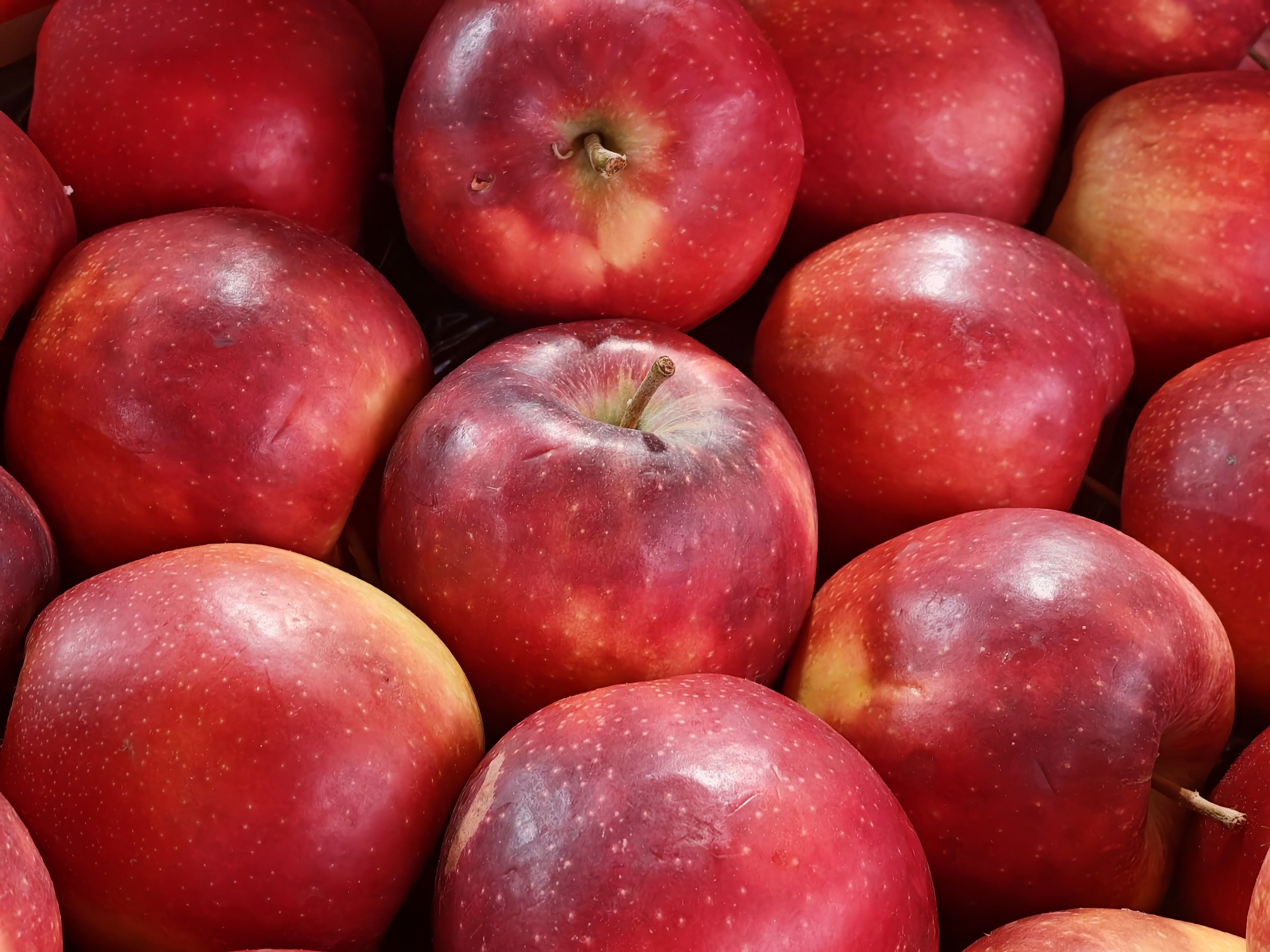
An apple with its skin on is one of the most accessible fibre foods around. It requires no cooking, no packaging innovation, and little explanation. That simplicity masks a fruit sector under serious pressure from labor shortages, weather damage, and rising orchard costs.
Apple farming depends on steady seasonal conditions that are becoming harder to count on. Late frosts, hailstorms, wildfire smoke, and extreme heat can all damage fruit quality and yield. In several producing regions, growers have reported rising losses linked to weather that would once have been considered unusual.
Labor is another major issue. Apples are labor-intensive to harvest and sort, and higher wage costs are colliding with tighter margins. When growers and retailers face pressure, they often prioritize premium fresh fruit categories and higher-margin branded packs over cheaper loose apples.
Apples are not about to vanish, but affordable everyday apples may become less abundant. If lower-cost varieties shrink and premium pricing spreads, one of the easiest fibre habits on middle-class tables could weaken noticeably.
Pears
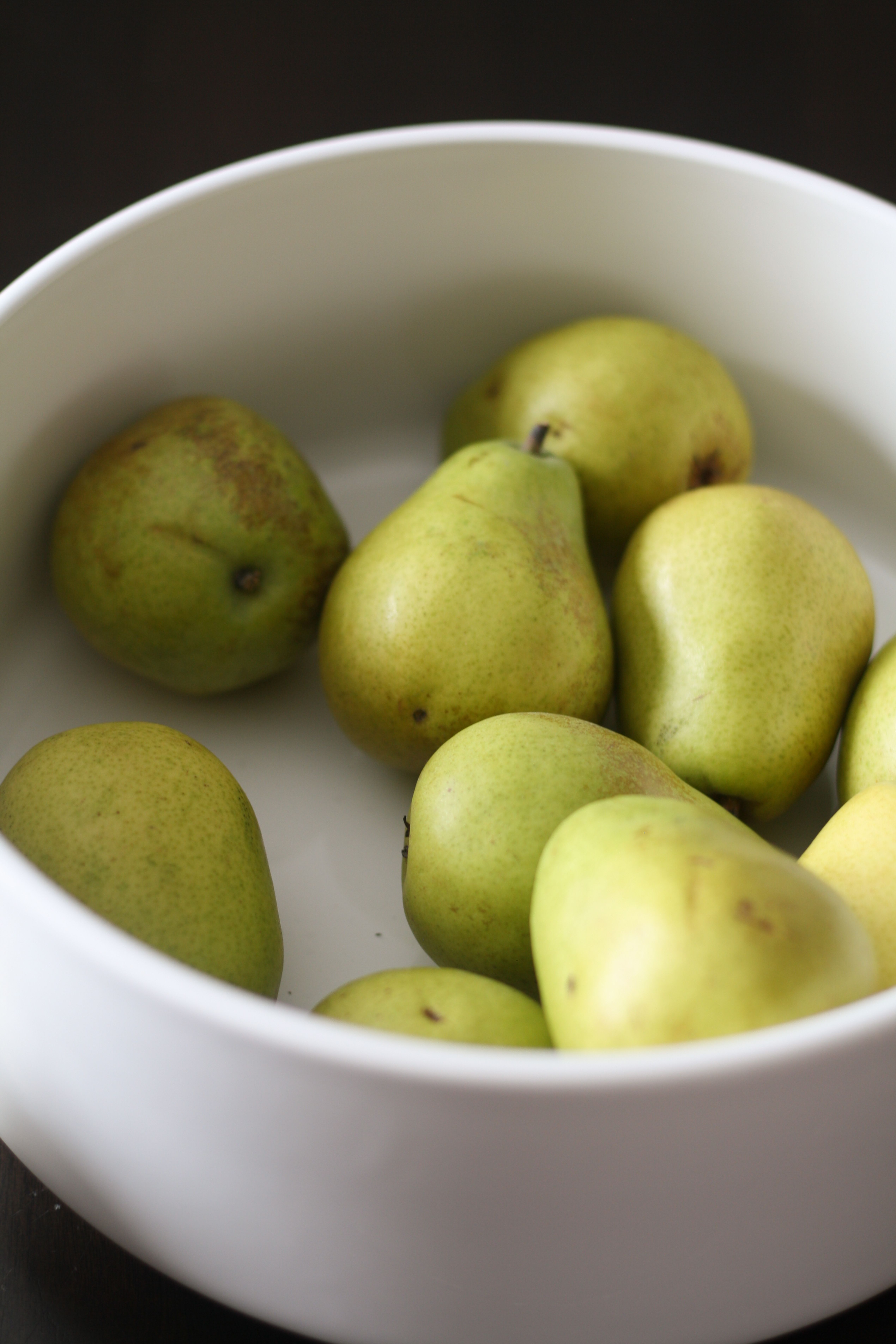
Pears have always lived in the shadow of apples, but they are an underrated source of dietary fibre. They appeal to families looking for a soft, sweet fruit that still offers digestive benefits. Their problem is not lack of nutritional value. It is lack of market power.
Pear orchards face many of the same climate threats affecting apples, yet pears typically receive less commercial attention and less shelf priority. In years of weather stress, retailers may devote more promotional energy to fruits with faster turnover or stronger consumer demand. That can reduce volume and drive up prices for pears.
The economics for growers are not especially forgiving. Orchard renewal takes time and capital, while pests, disease pressure, and labor costs keep climbing. If returns do not justify the effort, some growers may shift land toward crops with stronger margins or more stable demand.
For middle-class shoppers, pears could become one of those foods that seem available in theory but rarely make it into the cart. Scarcity often begins not with disappearance, but with quiet neglect.
Beans
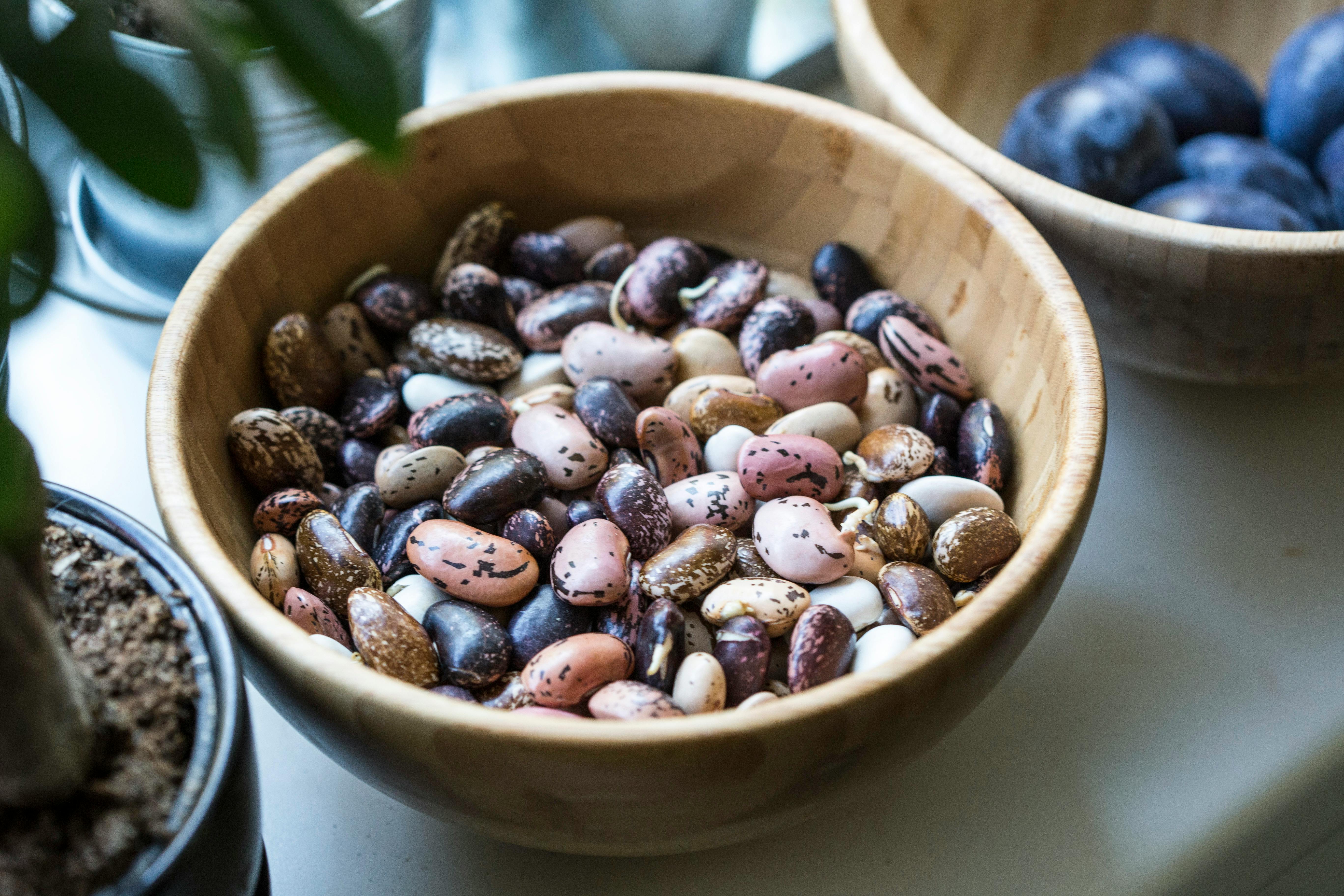
Beans are the backbone of low-cost fibre in many households. Black beans, kidney beans, navy beans, and pinto beans deliver substantial fibre for relatively little money. They have also provided a dependable hedge when meat, dairy, or fresh produce prices surge.
Yet bean markets are not immune to the same pressures battering other staples. Drought in producing areas, rising fertilizer and fuel costs, and volatile shipping prices can all raise the cost of dried and canned beans. Canned beans are especially exposed because packaging costs add another layer of inflation.
Consumer habits also matter. More households now prioritize convenience, but convenience often means paying more for prepared versions. If the cheapest dried beans become less visible in urban retail or are pushed aside by branded ready-meal products, access can shrink even when supply technically exists.
Beans will likely remain central to global diets. Still, for middle-class consumers used to rock-bottom prices, the era of beans as a near-unbeatable fibre bargain may be under real threat.
Raspberries and Blackberries

Berry fibre often comes wrapped in luxury pricing. Raspberries and blackberries offer meaningful fibre, antioxidants, and strong consumer appeal, but they are among the most fragile items in the produce aisle. Their perishability makes them especially sensitive to disruptions.
These berries require careful labor, cold-chain transport, and fast retail turnover. Any break in that system, from heatwaves during harvest to higher refrigeration and shipping costs, pushes prices up quickly. Producers in North America and Europe have also faced labor shortages that make harvesting delicate berries even more expensive.
Climate pressure is becoming harder to separate from price trends. Heavy rain can damage fruit quality, while heat stress can reduce yields and shorten shelf life. Retailers then pass along those risks, and middle-class buyers often respond by treating berries as occasional purchases rather than weekly staples.
That shift matters because fibre intake is built on repetition. If raspberries and blackberries become special-occasion fruits, one more easy source of high-quality fibre slips out of ordinary household routines.




Leave a Reply