
In Canada, discontinued snacks have a way of lingering far beyond the grocery aisle. Years after they vanished, fans are still posting memories, swapping copycat ideas, and even signing petitions in hopes of a comeback. This gallery revisits nine beloved treats that built loyal followings and left a surprisingly lasting mark on Canadian snack culture.
Hostess Chippy

Few snacks sum up old-school Canadian lunchbox culture quite like Hostess Chippy. The thin, crunchy potato chips were a familiar sight for years, especially before the Hostess snack brand in Canada shifted and eventually reappeared under different ownership and branding. For many fans, the original Chippy name carries a specific memory that newer labels never quite replaced.
Part of the loyalty comes from how simple the product was. Chippy was not trying to be gourmet or overloaded with flavours. It was dependable, salty, and tied to a very specific era of corner stores, school cafeterias, and road-trip snack stops.
That is why petitions and nostalgic posts keep surfacing. People are not just asking for chips. They are asking for a piece of Canadian everyday life that felt unmistakably local.
Planters Cheez Balls
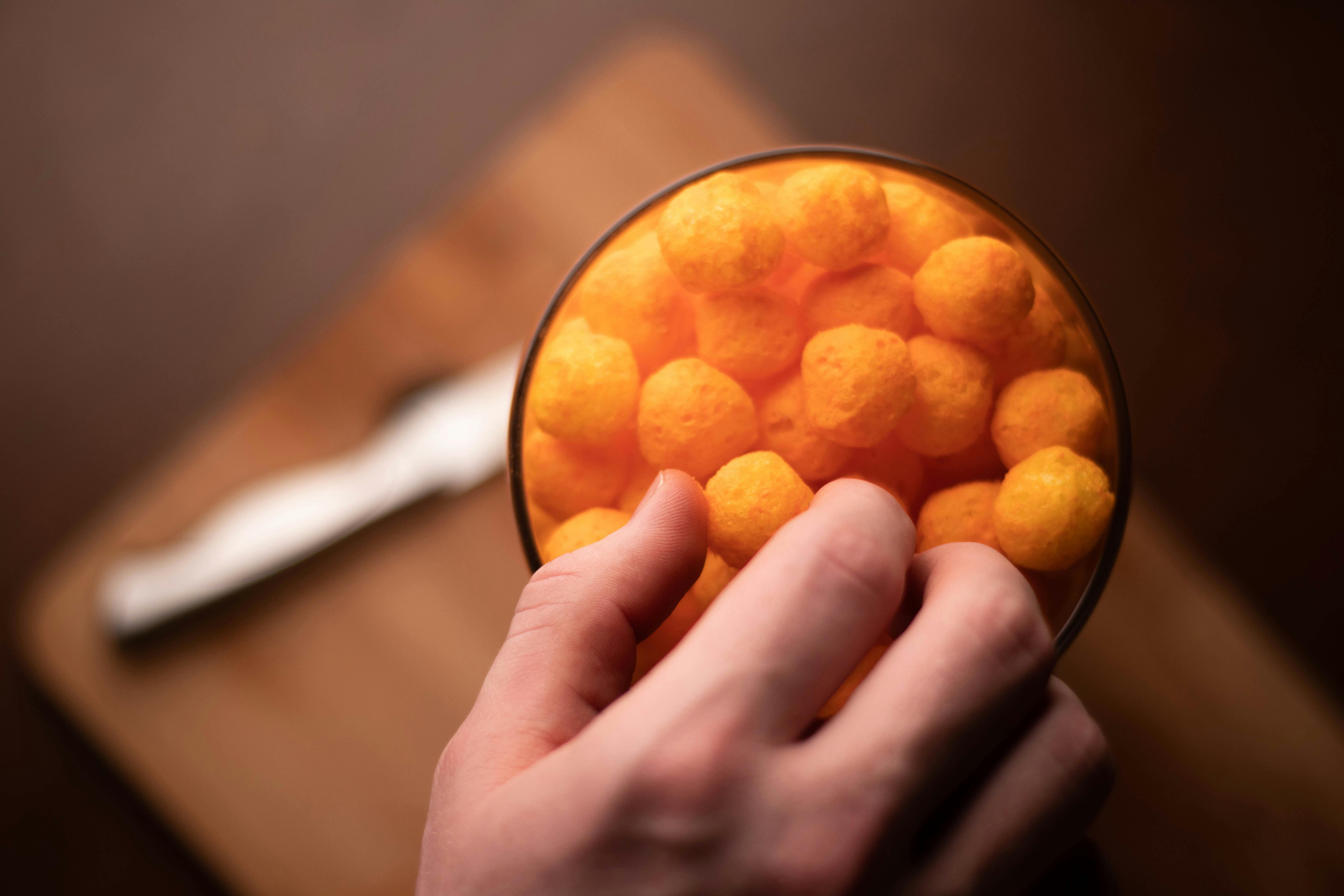
Bright orange fingers were practically part of the experience with Planters Cheez Balls. In Canada, they became a party snack staple and a sleepover favorite, remembered as much for their airy crunch as for the oversized canister that seemed to promise endless handfuls.
When they disappeared, the reaction was larger than many companies likely expected. Fans treated the loss less like a routine product shuffle and more like a cultural mistake. The snack had a playful identity, and that mattered in a category full of interchangeable cheese puffs.
Even after limited returns in some markets over the years, many Canadians still argue the original formula and feel were different. That gap between memory and modern relaunches is exactly what keeps petitions alive in 2026.
Philadelphia Cheesecake Bars
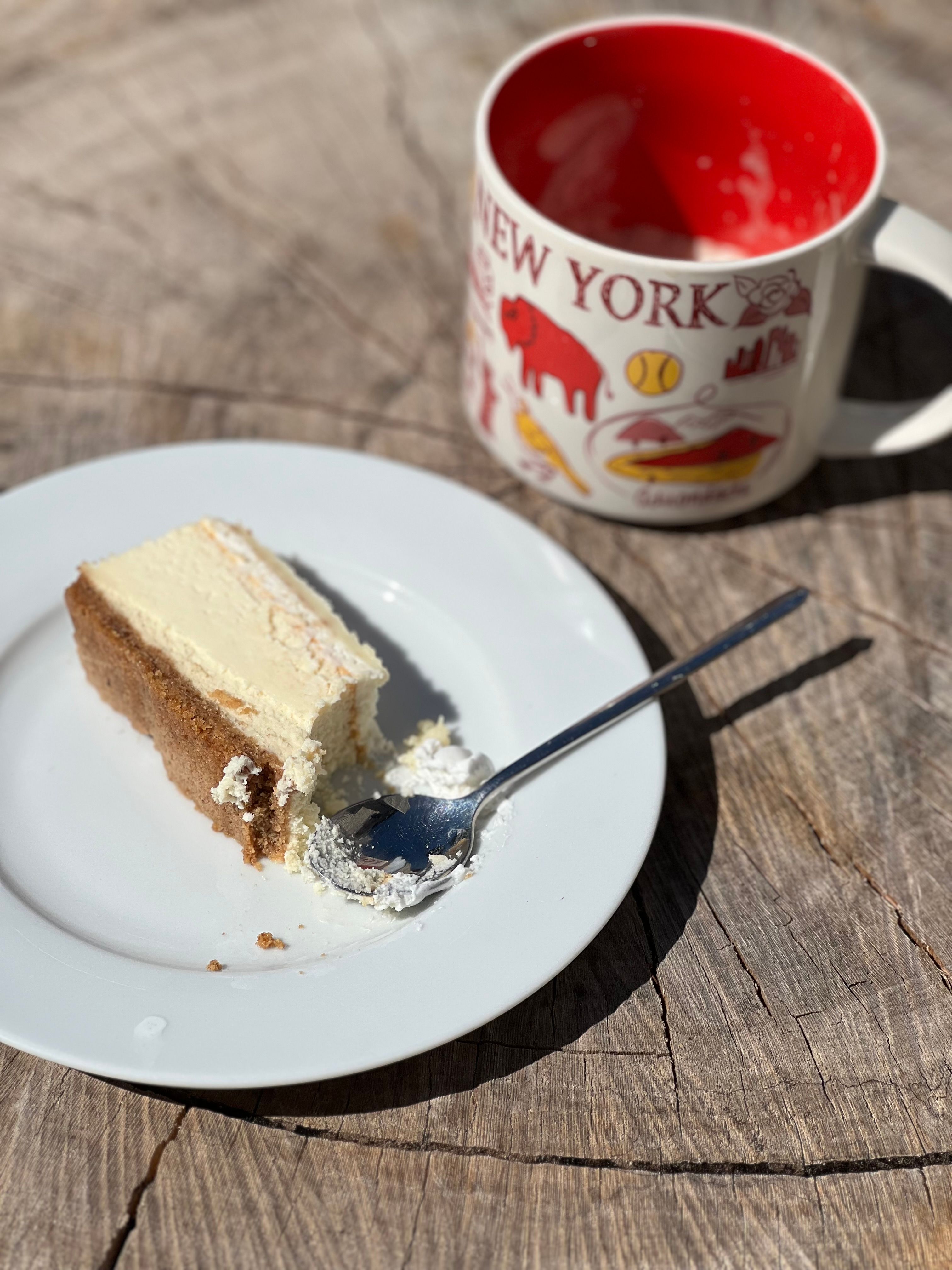
For many Canadians, Philadelphia Cheesecake Bars felt like the dessert aisle answer to a special occasion. They were refrigerated, creamy, and a little more indulgent than the average grab-and-go treat. That made them stand out in a market usually dominated by cookies, wafers, and candy bars.
Their appeal was straightforward. The bars offered cheesecake flavor in a portable format without asking anyone to bake, slice, or serve. For busy families and students, that convenience was part of the magic, especially when individual packaged desserts were booming.
Their disappearance left a real opening that copycats have never fully filled. Fans still mention the texture, the richness, and the sense that it delivered something unusually grown-up for a snack. That mix of nostalgia and practicality keeps demand surprisingly strong.
Neilson Golden Fudge
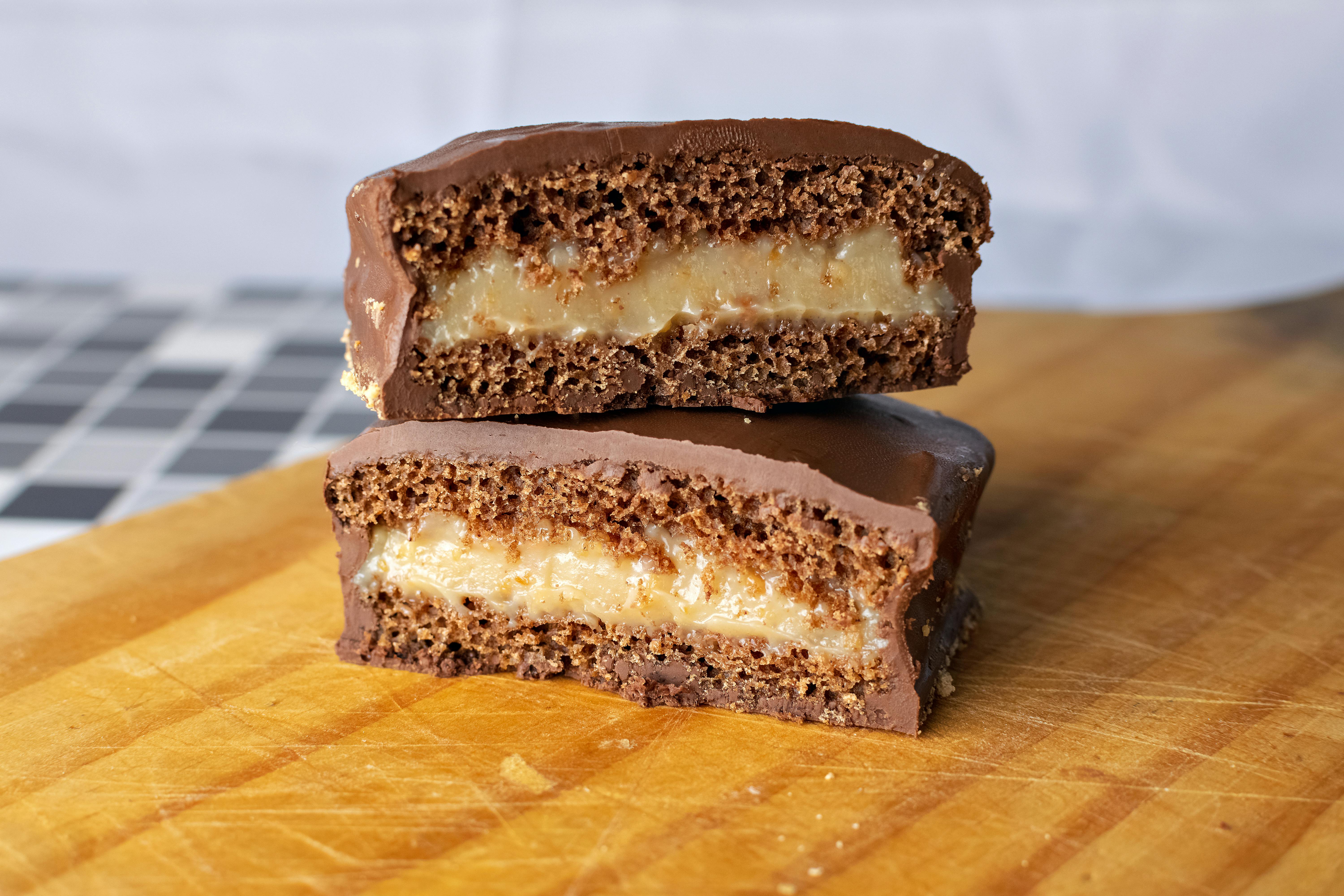
Neilson Golden Fudge is one of those chocolate bars that sparks instant recognition among Canadians of a certain generation. It combined chewy caramel and a fudge-like center under chocolate, creating a richer, more layered bite than many everyday bars on the shelf.
What people miss most is not just the sweetness. It is the specific texture contrast. Golden Fudge occupied that space between candy bar and dessert, which made it feel a little more substantial than a quick checkout-lane impulse buy.
Because Neilson has such a long history in Canadian confectionery, discontinued products from the brand often carry extra emotional weight. Golden Fudge became part of that legacy, and every few years another wave of fans resurfaces to ask why a classic with such a loyal following ever had to disappear.
Swiss Chalet Sauce Chips
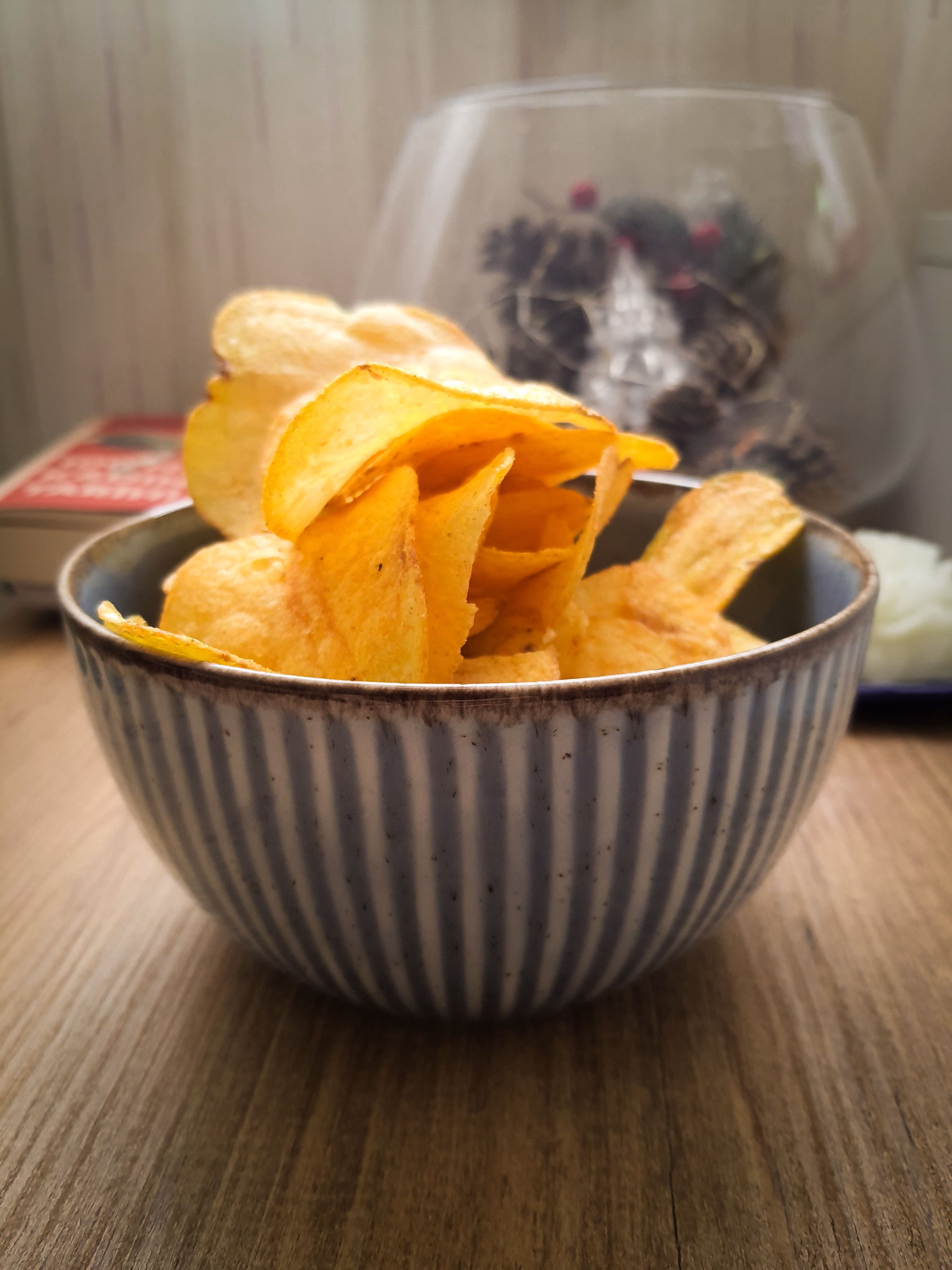
Some discontinued snacks are remembered for taste alone. Swiss Chalet Sauce Chips are remembered because they turned a full Canadian restaurant ritual into a bag of chips. The flavour drew on the chain's famous dipping sauce, a profile that is tangy, savoury, and instantly recognizable to generations of diners.
That crossover gave the chips novelty, but it also gave them built-in emotional power. They tasted like takeout nights, family dinners, and rotisserie chicken on the table. In a crowded snack category, that kind of association is hard to manufacture.
Their limited nature only intensified the obsession. Once people realized they were not guaranteed to stay, demand became more vocal. In 2026, they still come up whenever Canadians debate which restaurant-inspired snacks deserve a permanent return.
Duncan Hines Oreo Dessert Cups
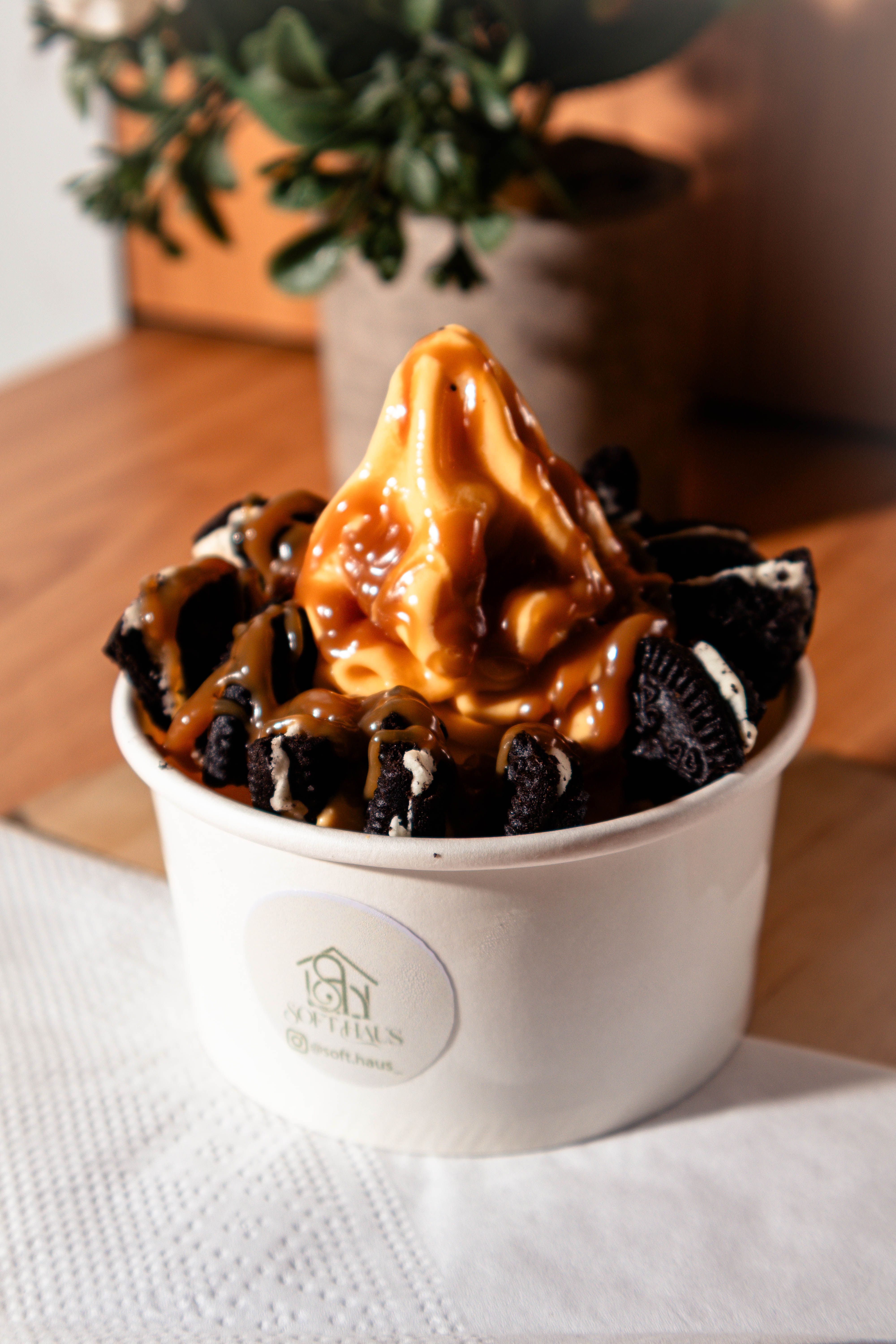
Duncan Hines Oreo Dessert Cups hit a sweet spot that convenience food does not always manage. They were easy, familiar, and tied to one of the most recognizable cookie brands in the world. For Canadian shoppers, that combination made them feel like a low-effort treat with built-in credibility.
The appeal went beyond branding. These cups catered to the era when individually portioned desserts were becoming a freezer and pantry mainstay. They felt like a reliable answer to cravings without requiring a whole cake, a full package, or a sink full of dishes afterward.
Their disappearance still frustrates fans because the product solved a real everyday need. It was not just novelty for novelty's sake. It delivered convenience, comfort, and a dessert flavor profile people already knew they liked, which explains why demand never fully faded.
Sodalicious
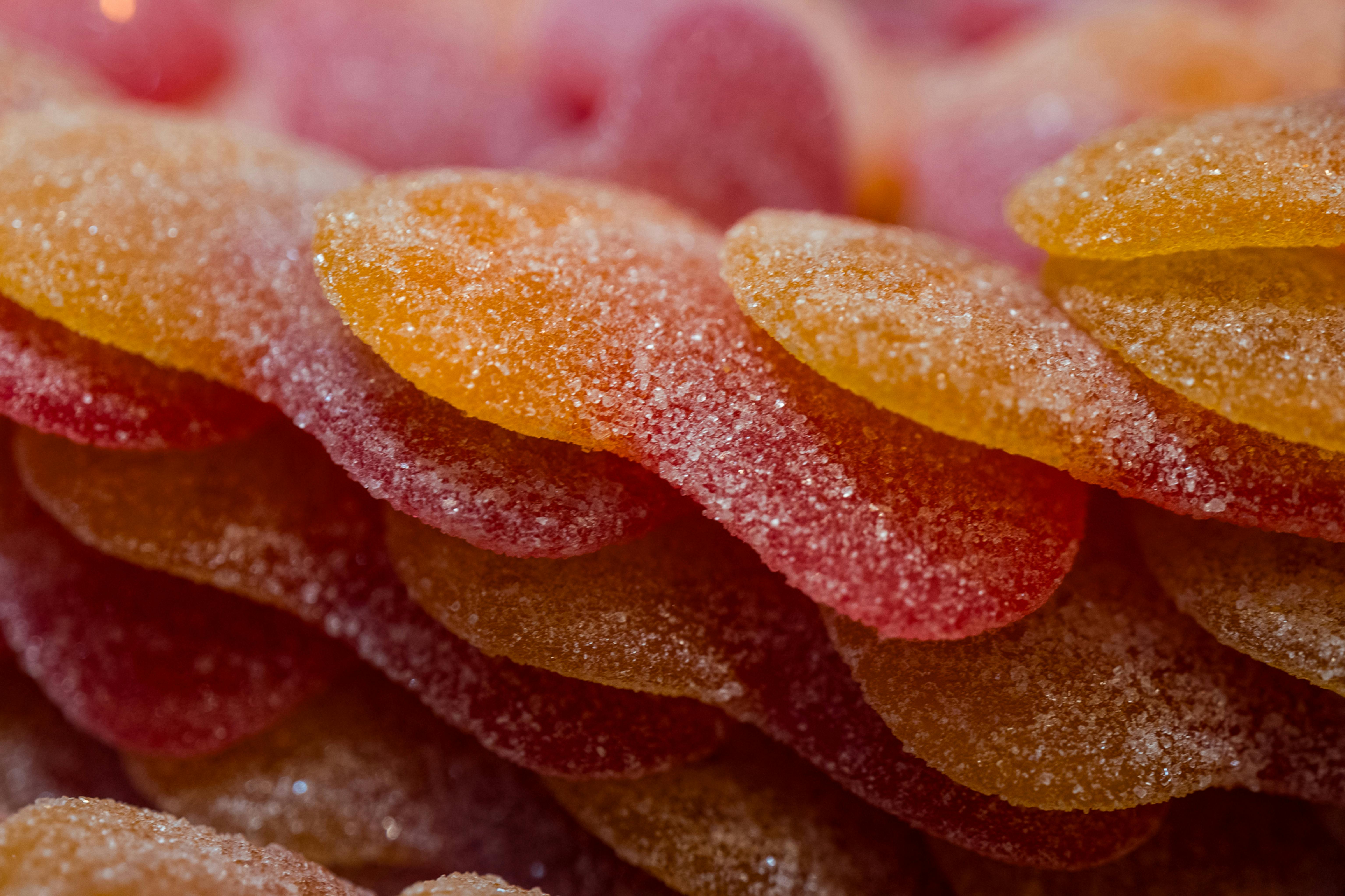
Sodalicious was the kind of candy that could only come from a period when snacks leaned hard into fun. Shaped and flavoured to mimic soft drinks, the gummies were playful, chewy, and instantly memorable. In Canada, they became a standout for kids who wanted something different from standard fruit candies.
What made them stick in people's minds was the concept as much as the taste. The branding was energetic, and the candy felt like a tiny event rather than just another sugar hit. That matters more than companies sometimes realize when they trim novelty products from a lineup.
Today, Sodalicious lives on in nostalgia threads, old ads, and petition-style wish lists. Fans remember the texture, the fizzy soda associations, and the sense that it represented a more imaginative era of candy shelves.
Wonka Oompas
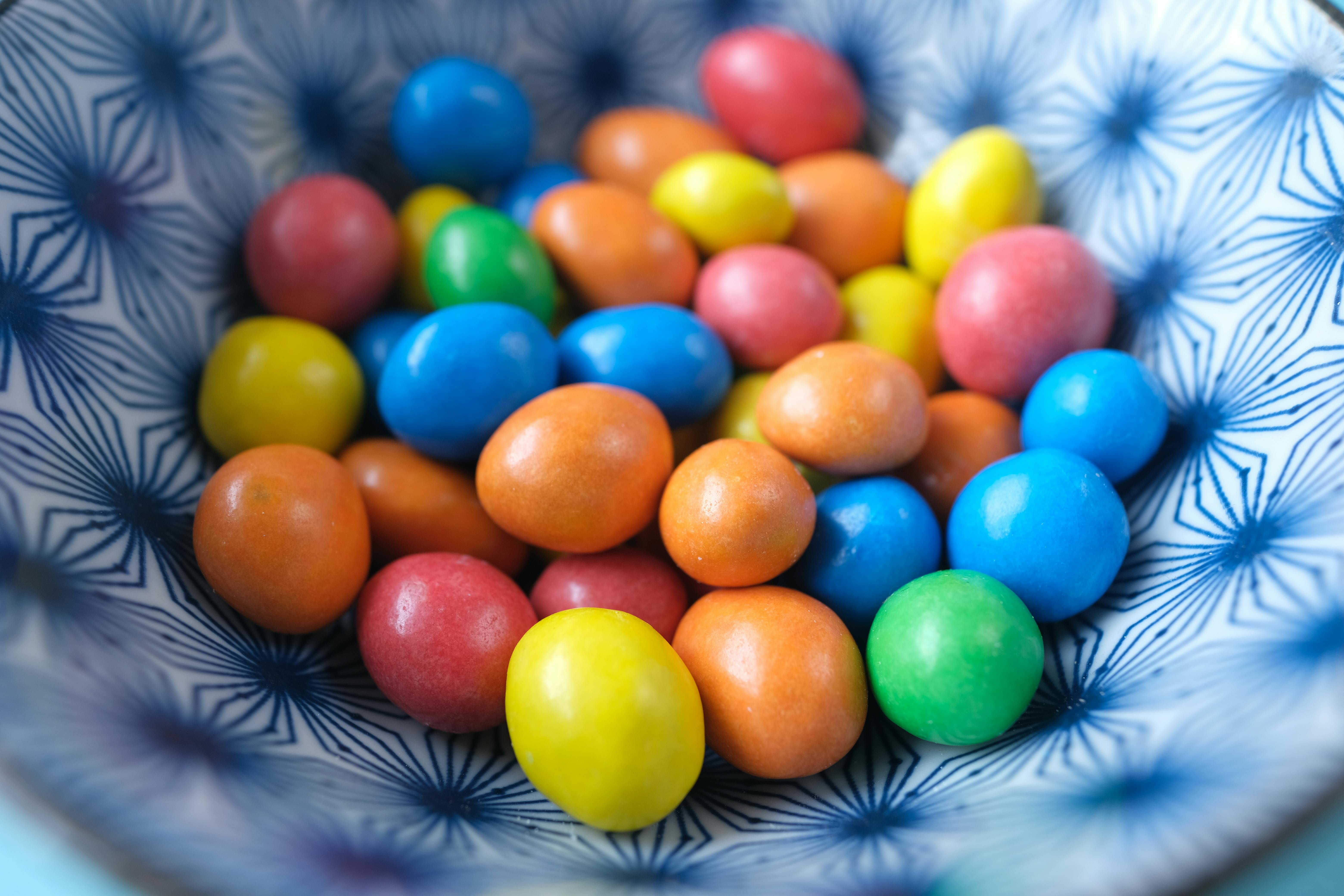
Wonka Oompas built a following by doing what memorable candy often does best. They offered contrast. With a crunchy candy shell and a peanut butter center, they delivered a mix of texture and flavor that stood apart from more one-note chocolate pieces on the market.
In Canada, they became the sort of treat people remembered with unusual precision. Fans do not just say they were good. They describe the snap, the center, and the exact way the candy felt out of the box. That kind of sensory memory is usually a sign of a product that hit harder than sales charts alone might show.
Because the Wonka line already carried a whimsical, collectible aura, discontinued items from it often gained mythic status. Oompas still get mentioned as one of the candies that deserved a much longer life.
Shakers
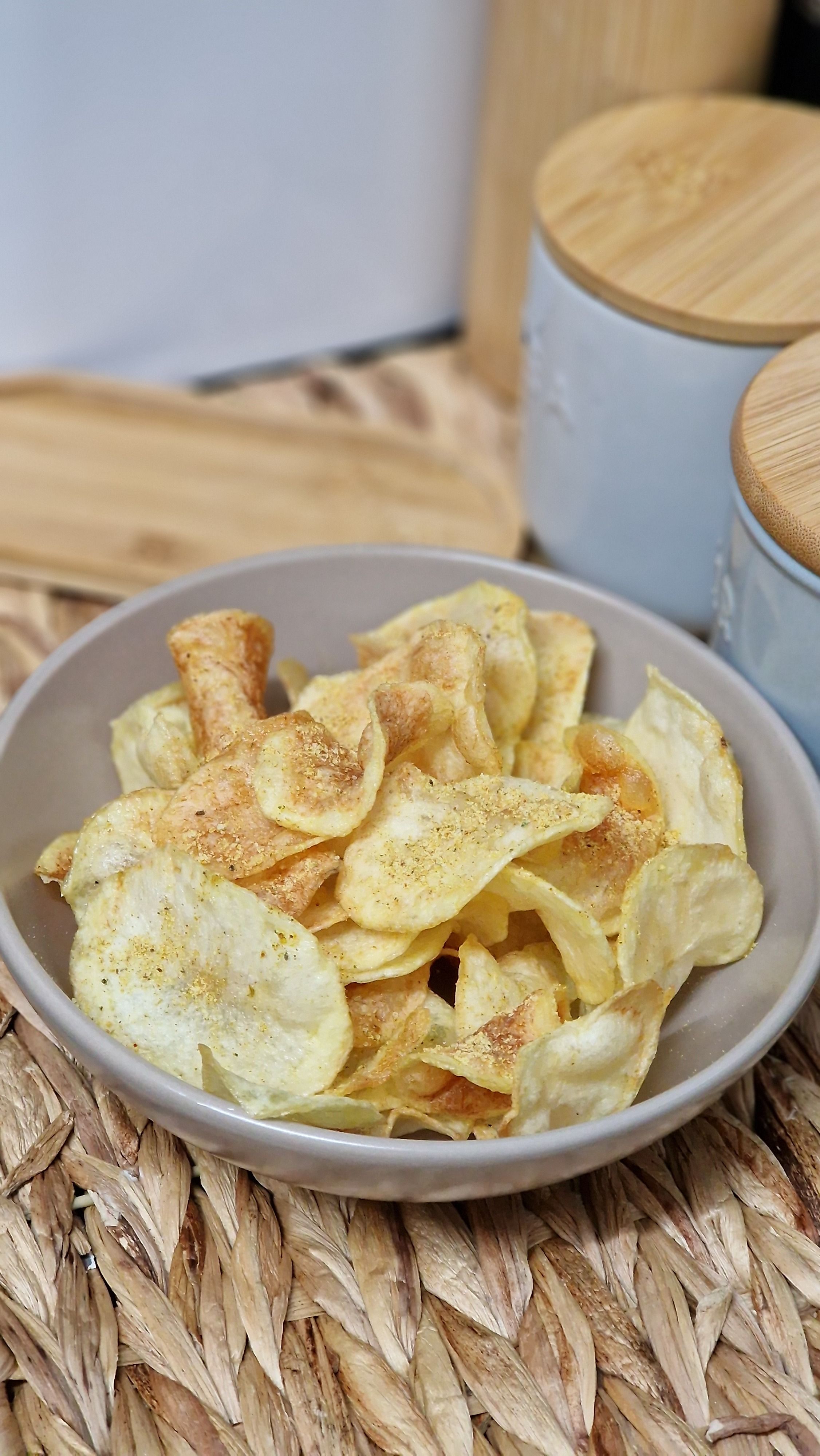
Shakers were not just a snack. They were an activity. The concept was simple and clever: a package of chips plus seasoning that consumers could shake together themselves. That tiny bit of interaction made the snack feel customizable long before personalization became a marketing buzzword.
In Canada, Shakers stood out because they were fun without being complicated. Kids loved the hands-on element, and adults appreciated the novelty of controlling how intense the flavour would be. The product turned a routine bag of chips into something more participatory.
That extra step is exactly why people still talk about it. Shakers created a memory, not just a taste. In an age when brands constantly chase engagement, many fans see it as a discontinued idea that was genuinely ahead of its time and worth reviving.


Leave a Reply