Kitchens are full of advice that sounds wise simply because we've heard it forever. But some of the most repeated cooking "rules" are outdated, oversimplified, or just plain wrong. This gallery breaks down 10 common kitchen myths and explains what really matters, so your food can be tastier, safer, and a lot less stressful to make.
Searing meat locks in juices
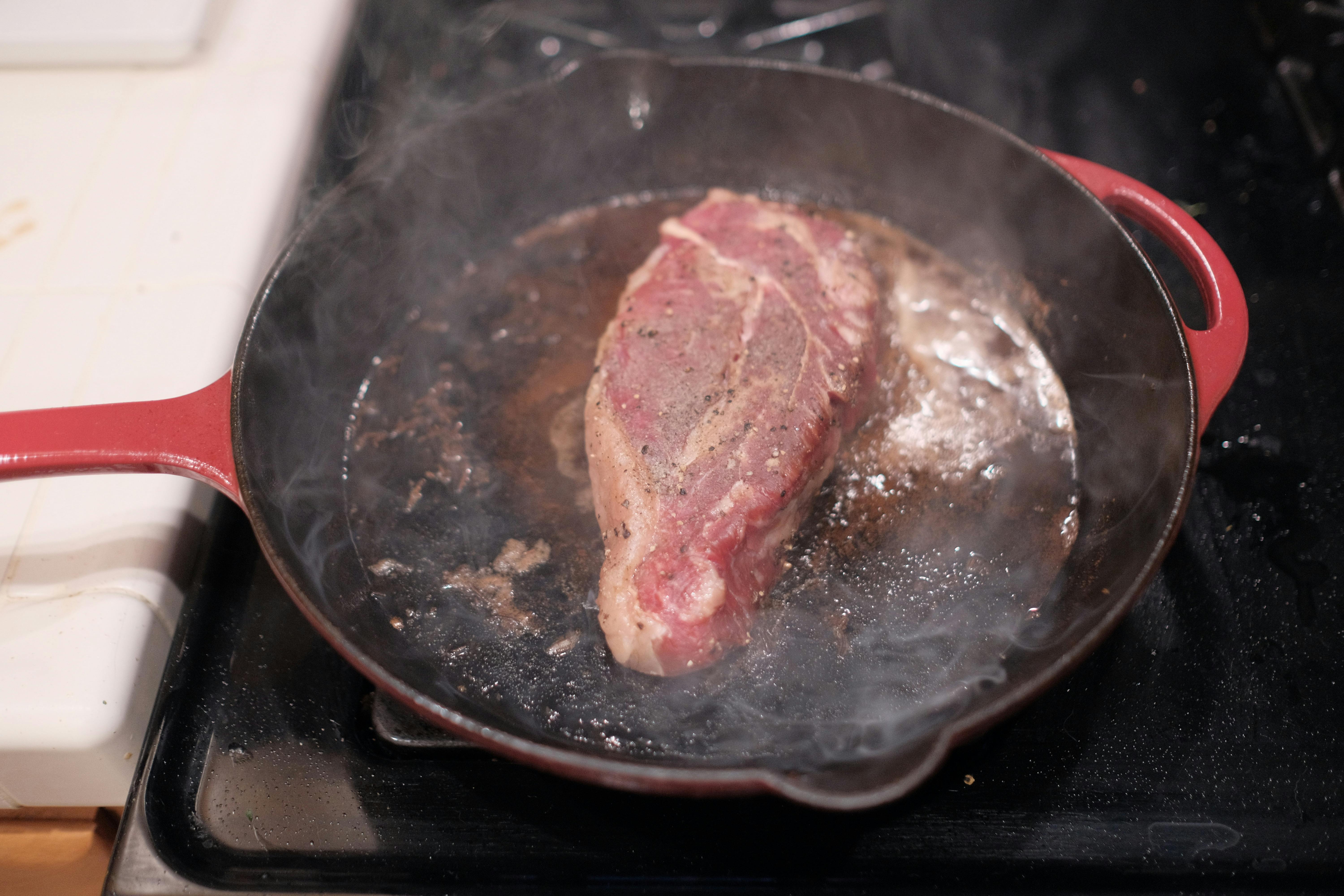
A sizzling steak can sound like proof that all the good stuff is being sealed inside. That idea has been repeated for generations, but searing does not create a moisture-proof barrier around meat.
What searing really does is build flavor. High heat triggers the Maillard reaction, which creates that browned crust and deep savory taste people love. It is a texture move, not a moisture-saving one.
Meat still loses liquid as it cooks, whether you sear it first or not. If you want juicier results, focus on proper temperature, resting time, and not overcooking instead of expecting the pan to do magic.
Alcohol always cooks out of food

It's a comforting myth, especially for anyone who assumes a splash of wine or liquor becomes harmless once heat is involved. In reality, cooking reduces alcohol, but it does not automatically remove all of it.
According to USDA-based guidance, a surprising amount can remain after short cooking times. A quick pan sauce, flambé, or deglazed skillet dinner may still hold more alcohol than many people expect.
Time, pan size, temperature, and ingredients all affect evaporation. Sugar and fat can slow the process, and starchy ingredients can absorb alcohol. If avoiding alcohol matters for personal, medical, or religious reasons, it's worth treating "it cooks off" with caution.
Washing chicken makes it safer
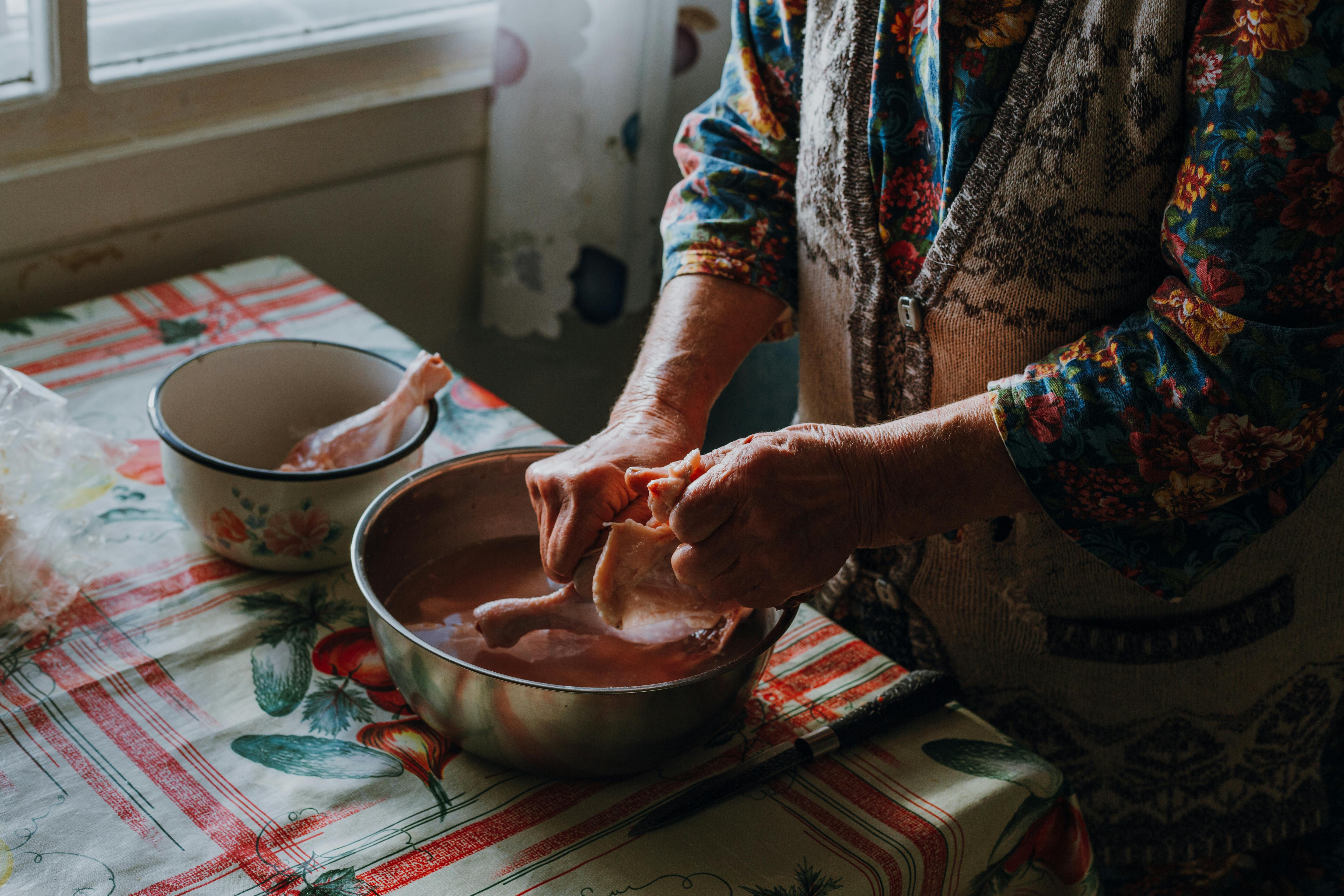
This one feels logical because rinsing usually means cleaning. But raw chicken is the exception, and washing it can actually make your kitchen less safe instead of more hygienic.
When chicken is rinsed under running water, tiny droplets can spread bacteria around the sink, countertop, faucet, and nearby utensils. You may not see that spray, but food safety experts and the USDA have warned about it for years.
The real protection comes from heat, not water. Cooking poultry to 165 degrees Fahrenheit kills harmful bacteria. Good handwashing, clean surfaces, and keeping raw meat separate from ready-to-eat foods do far more than rinsing ever could.
Overcooking makes food safer

Some cooks treat extra cooking time like extra insurance. If safe is good, then very well done must be even safer, right? Not exactly.
Food safety is about reaching the right internal temperature, not pushing food until it turns dry, tough, or charred. Poultry needs 165 degrees Fahrenheit, while many ground meats need 160 degrees Fahrenheit. After that, more cooking mostly changes quality.
Overcooking also cannot fix earlier mistakes. If food was cross-contaminated, left out too long, or handled carelessly, a dry piece of meat is not automatically a safe one. A thermometer and sound storage habits matter much more than fear-based cooking.
Boiling meat keeps it from drying out

It sounds sensible that meat surrounded by water would stay moist. But dryness is not just about the environment around the meat. It is about what heat does inside it.
As meat cooks, muscle fibers tighten and push out moisture. If the temperature goes too high or the cooking runs too long, the result can still be tough and dry, even in a pot of water. Boiling does not cancel out overcooking.
That does not make boiling useless. It can be excellent for soups, broths, and shredded chicken dishes. The key is controlling heat and choosing the right method for the cut. Gentle poaching and careful timing usually do more for tenderness than a hard boil ever will.
Salt makes water boil faster
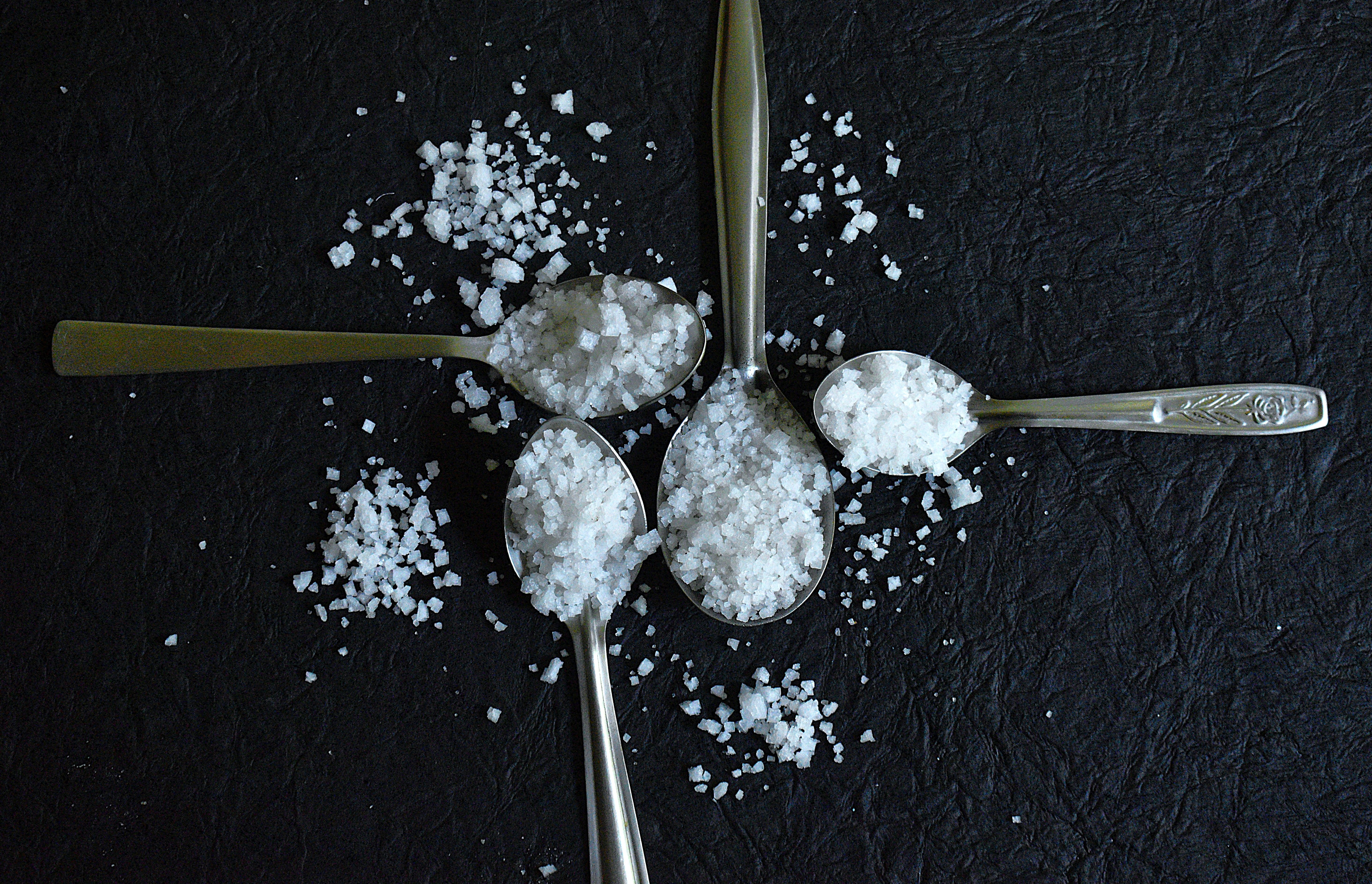
This myth survives because it sounds scientific enough to be true. In fact, adding salt raises water's boiling point, which means the water needs to get slightly hotter before it boils.
In practical terms, the difference is tiny, so you probably will not notice a dramatic delay in your kitchen. But technically, salted water does not speed things up. It slows them, even if only by a little.
So why salt the pot at all? Flavor. Pasta, potatoes, and vegetables absorb some of that seasoning as they cook. Salt belongs in boiling water because it improves taste, not because it turns your stove into a race car.
Oil in pasta water keeps noodles from sticking
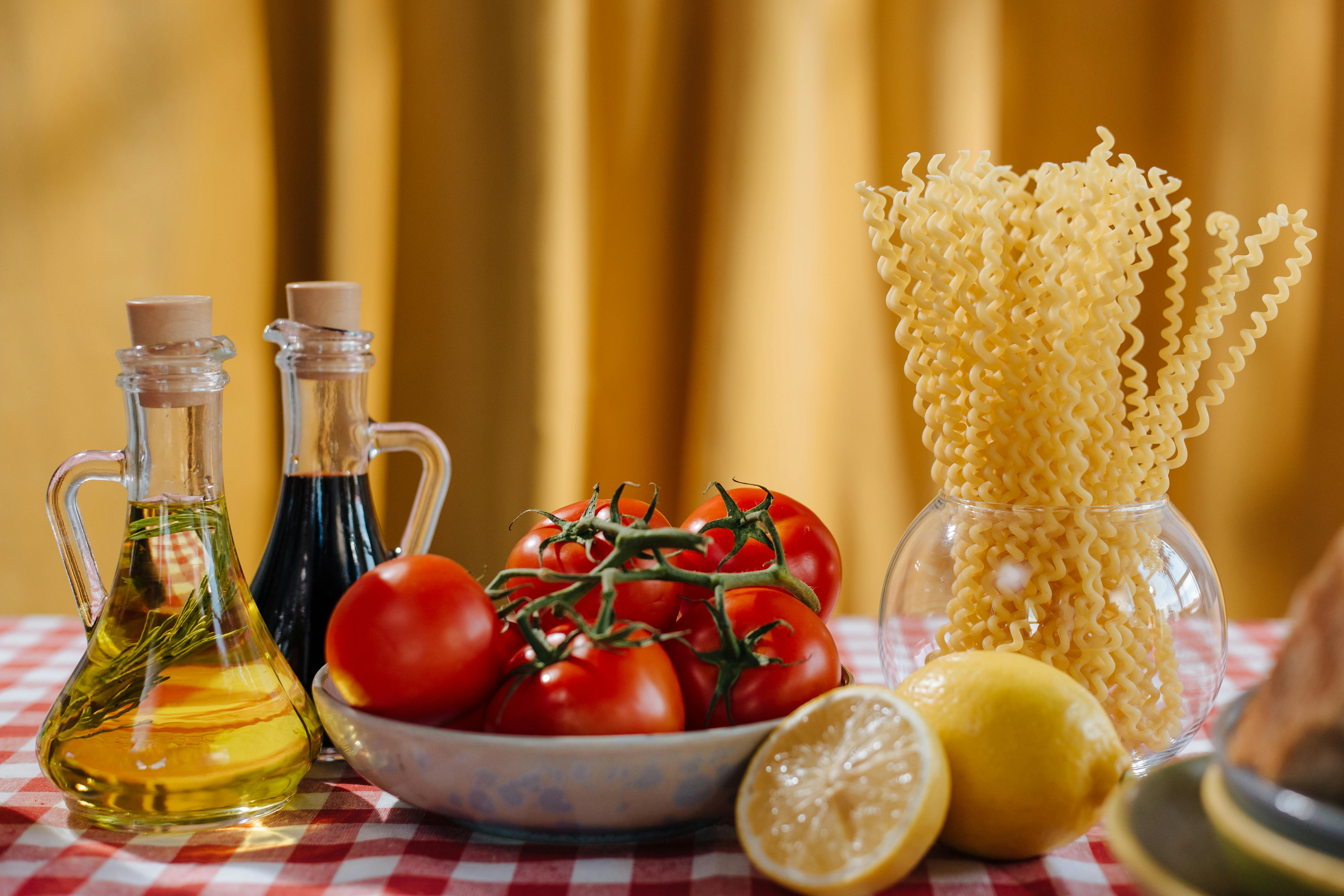
A little oil in the pot seems like an easy fix for clumpy pasta. The trouble is that oil and water do not mix, so the oil mostly floats on top instead of coating the noodles.
What actually prevents sticking is movement. Stirring during the first minute or two helps separate noodles while they release starch. Using plenty of water and a large enough pot also gives pasta room to circulate.
There is another downside to the oil trick. If oil does cling to the pasta later, it can make sauce slide off instead of cling nicely. For better pasta, skip the oil, stir early, and let the starch help the sauce do its job.
Rinsing pasta is always the right move
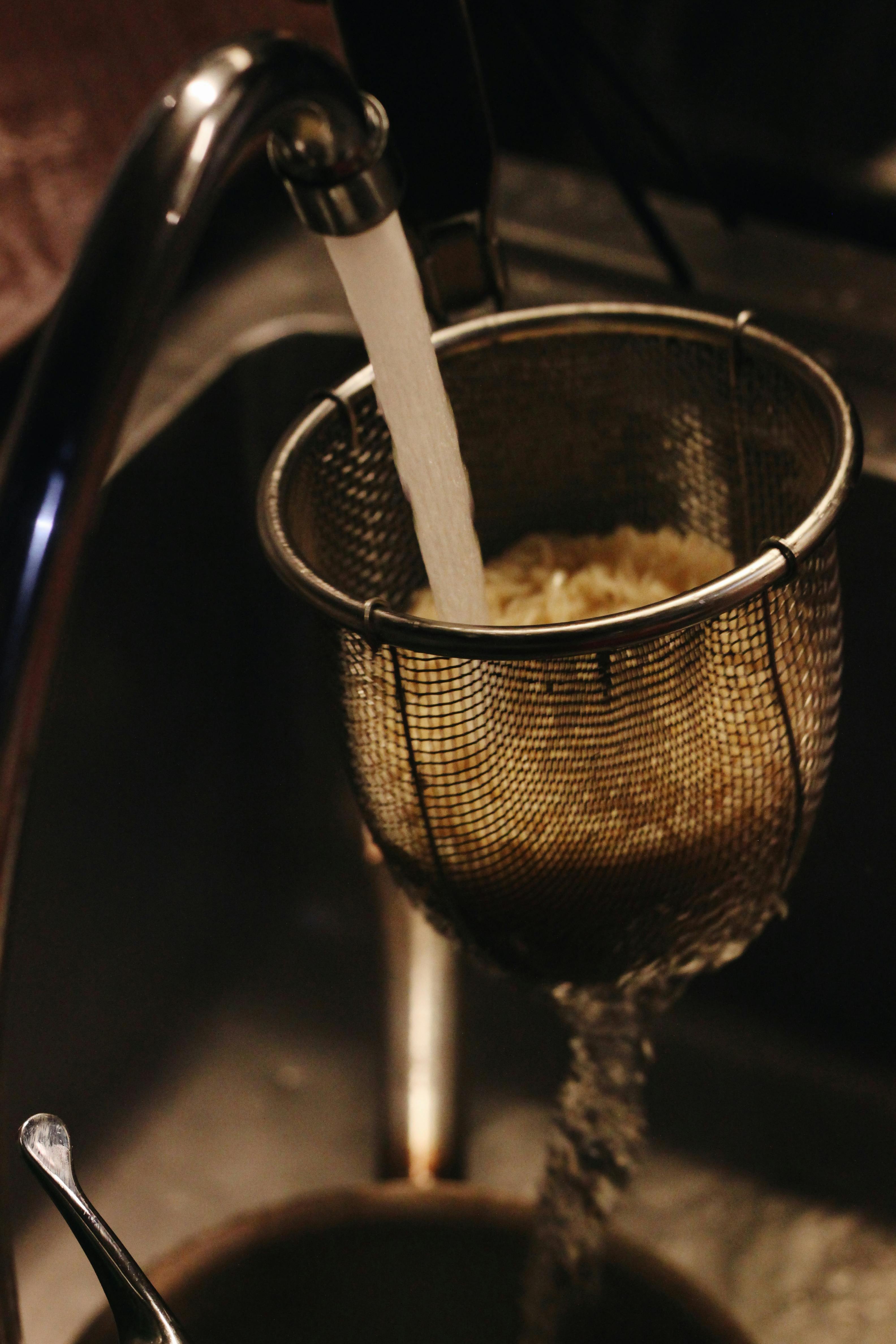
Many people rinse pasta out of habit, especially if they learned it at home years ago. It can stop sticking, but that does not mean it is the best choice for every dish.
That cloudy coating on cooked pasta is starch, and it is incredibly useful. It helps sauces cling to the noodles instead of pooling at the bottom of the bowl. Rinsing washes much of that away, which can leave hot pasta dishes less cohesive.
There are exceptions. For pasta salads, cold noodle dishes, or recipes where you want to stop cooking immediately, rinsing makes sense. The myth is not that rinsing never works. It is that rinsing is always necessary, when often the better move is simply draining and saucing.
Cooking vegetables destroys their nutrients
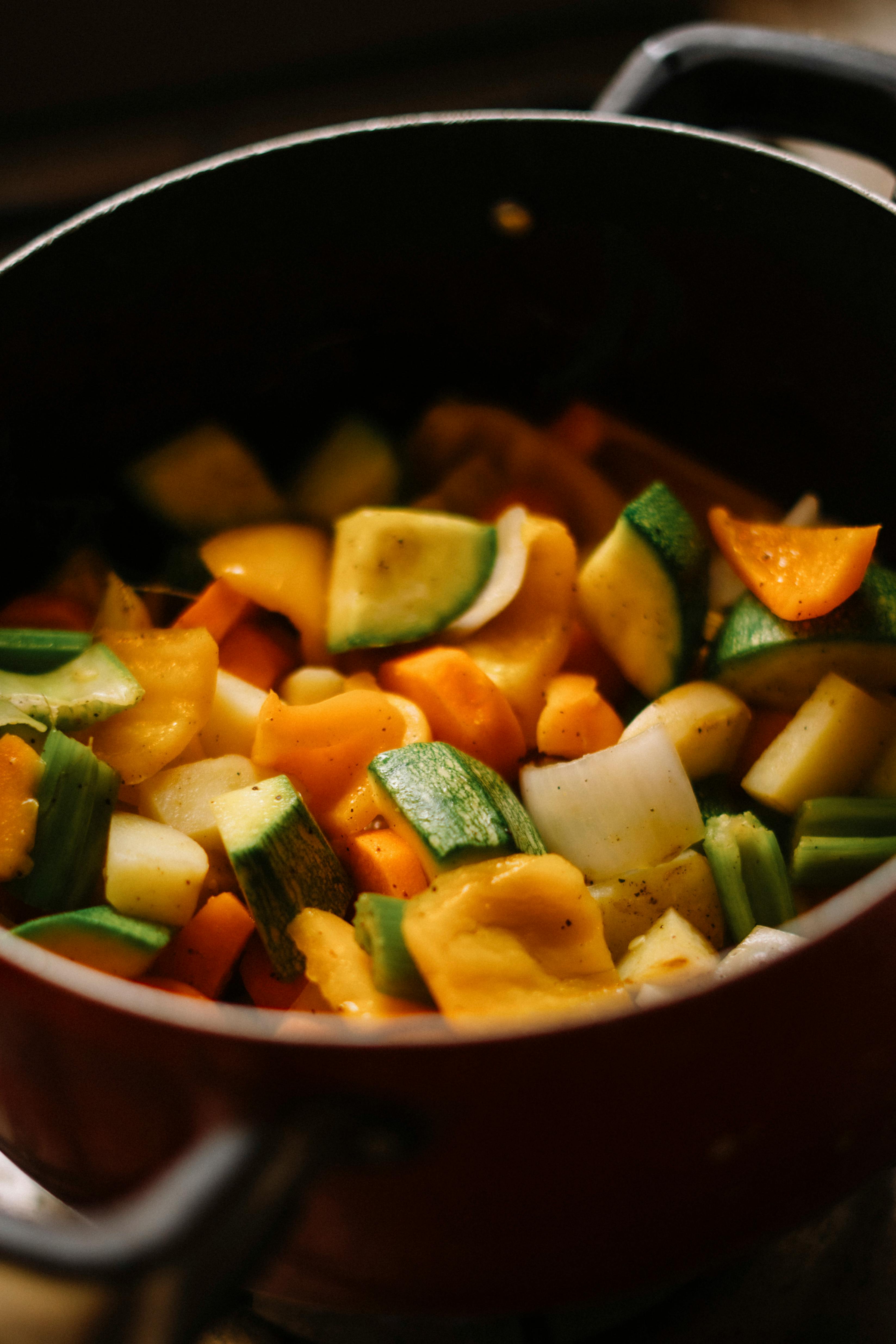
This myth makes raw vegetables sound automatically superior, but nutrition is more nuanced than that. While some water-soluble vitamins can decrease during cooking, that is only part of the story.
Heat can also make certain nutrients easier for your body to absorb. Tomatoes, carrots, and spinach are classic examples where cooking can improve availability of beneficial compounds such as antioxidants. In other words, cooked vegetables are not nutritional failures.
Method matters too. Boiling can cause some nutrients to leach into the water, while steaming, roasting, and microwaving often preserve more. The best advice is simple: eat vegetables in a variety of forms. Raw, cooked, fresh, frozen, and canned can all have a place on the plate.