
Big-city dining moves fast. Small-town Canada often keeps a longer memory.
Smitty's

Few chains tell the story of urban retreat and rural endurance better than Smitty's. Once a more visible family-dining name across Canada, the brand gradually lost ground in major downtowns and dense suburban corridors where independent brunch spots, premium casual chains, and delivery-first habits took over. In cities, the classic all-day breakfast formula started to feel ordinary rather than essential.
Outside large metros, though, Smitty's kept its footing. In Prairie towns and smaller Western communities, its roomy dining rooms, broad menu, and dependable hours still matched local demand. Families, seniors, highway travelers, and shift workers continued to value a place where breakfast, burgers, and turkey dinners could coexist under one roof.
The chain's staying power comes down to fit. In a small town, a restaurant that serves multiple needs at once remains useful in a way that many city concepts no longer do. Smitty's did not have to be trendy to survive. It simply had to remain familiar, accessible, and consistent.
Humpty's

Humpty's was once a recognizable Western Canadian coffee-shop chain, especially for diners who wanted a reliable breakfast counter rather than a stylish brunch destination. As large cities changed, that middle-market niche became much harder to defend. Urban restaurant districts leaned toward either low-cost fast food or more distinctive sit-down concepts with stronger branding.
Smaller communities gave Humpty's a different kind of runway. In towns where restaurant choice was limited, a chain offering breakfast all day, comfort-food platters, and easy parking still made practical sense. It was not just about nostalgia. It was about serving a broad cross-section of residents without asking them to pay premium prices.
That formula helped the brand remain visible even as its city presence faded. Humpty's survived where convenience, habit, and menu breadth mattered more than image. Its story reflects a wider restaurant truth in Canada: what looks outdated in a major city can still feel dependable and valuable in a smaller market.
A&W Restaurants with Full-Service Roots
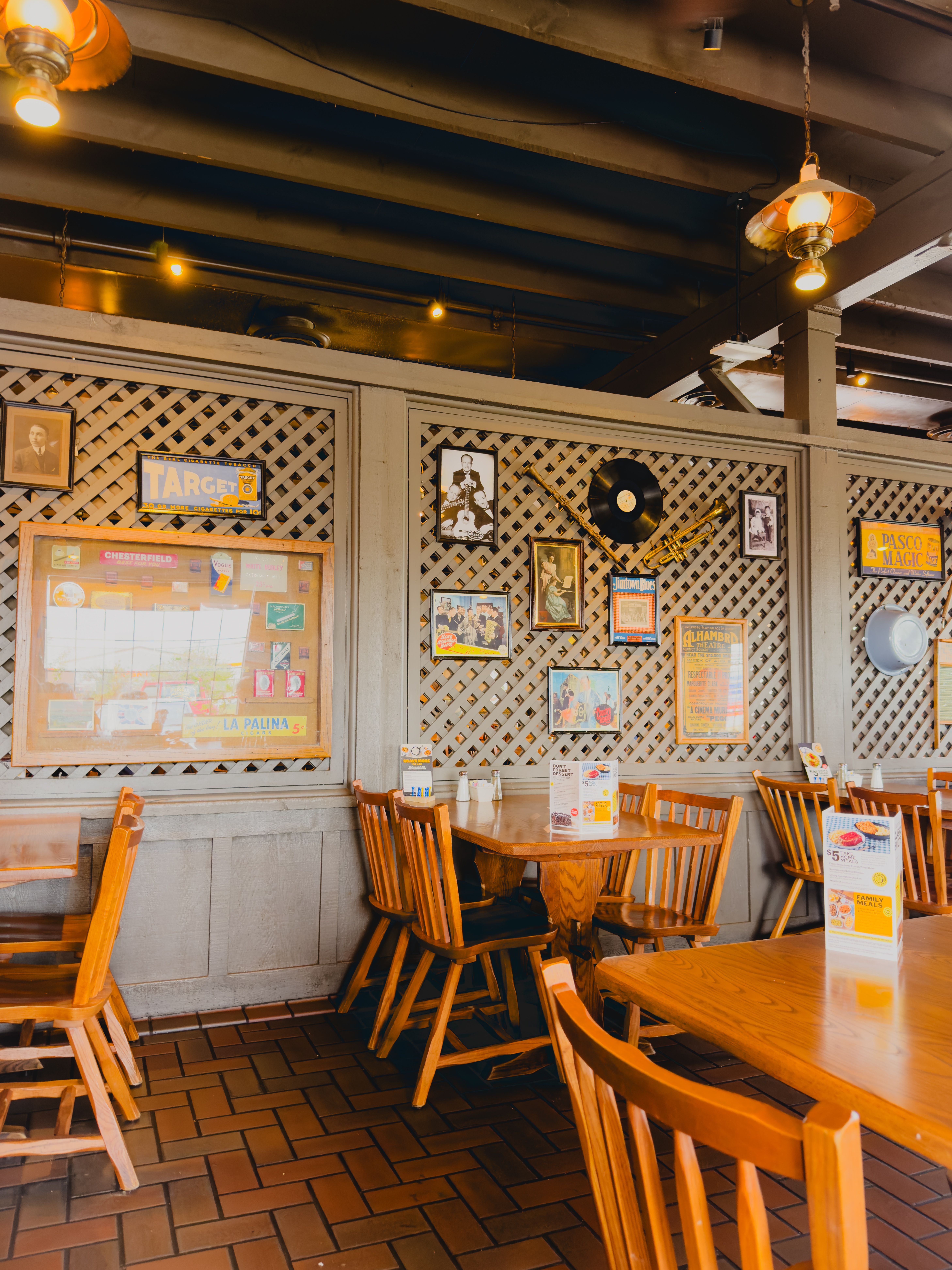
A&W is still a major national brand, but its older full-service restaurant format largely disappeared from urban Canada long ago. Many Canadians remember when some A&W locations felt more like sit-down burger restaurants, complete with indoor dining that carried a coffee-shop atmosphere. In cities, that format gave way to streamlined quick-service layouts built for speed and high turnover.
In small towns, traces of the older A&W spirit lasted longer. Locations often became community fixtures, especially in places where the restaurant doubled as a local meeting point for breakfast, coffee, and casual lunches. The chain adapted nationally, but smaller centres often held onto the social role that urban stores lost.
That distinction matters. The survival of a chain is not always about preserving the exact original model. Sometimes it means keeping enough of its older identity alive in the places where customer habits changed more slowly. A&W's small-town resilience shows how format evolution can erase a city presence while leaving the brand culturally rooted elsewhere.
Pizza Delight
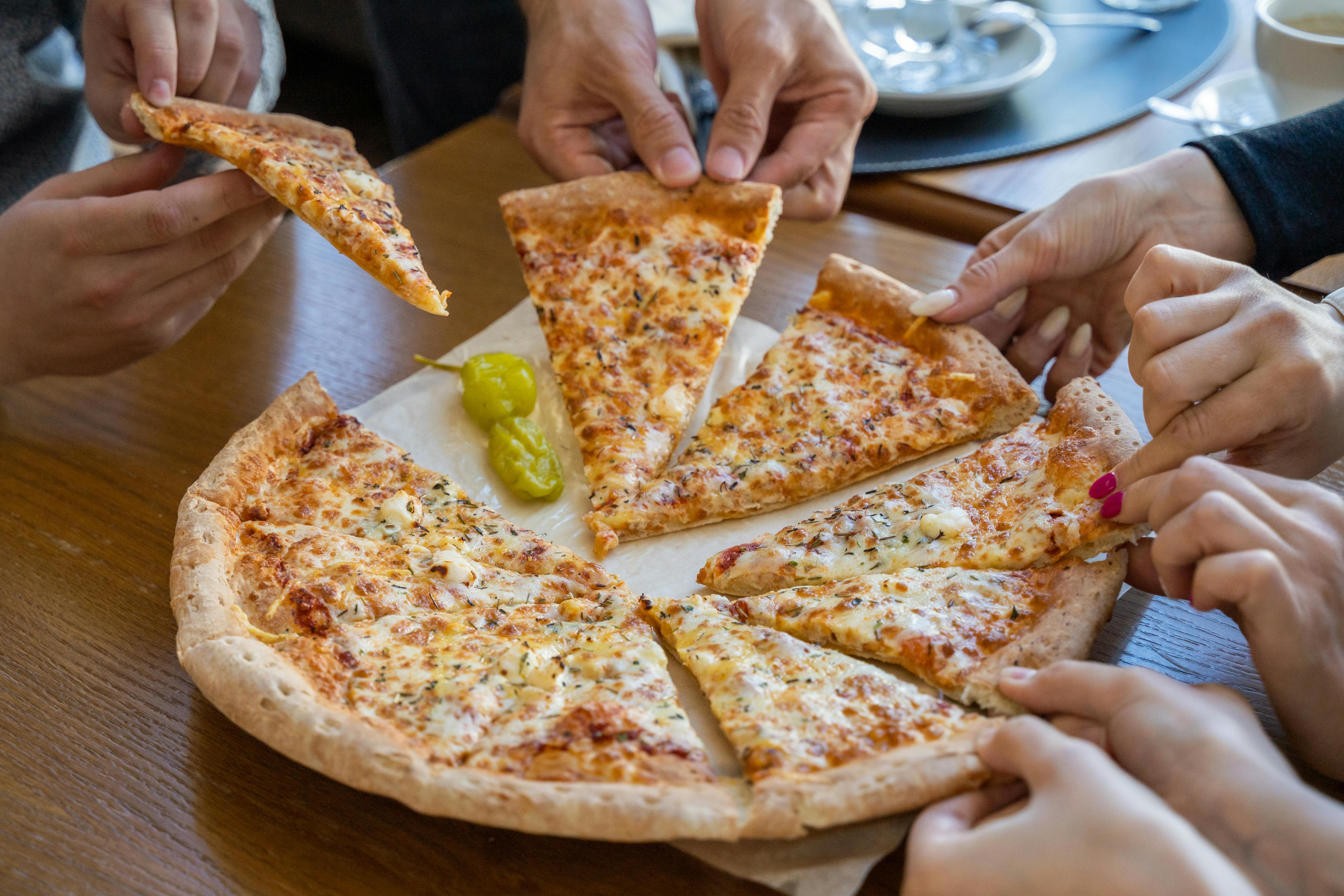
Pizza Delight once had a stronger profile in many Canadian markets, especially as a family-friendly dine-in pizza chain. In larger cities, however, it ran into fierce competition from gourmet pizzerias, international delivery brands, and low-cost takeout operators. As urban pizza culture diversified, the appeal of a traditional chain dining room weakened.
The chain remained more durable in Atlantic Canada and smaller communities where brand history carried real weight. In those places, Pizza Delight was not just another pizza stop. It was a known quantity for family dinners, team celebrations, and casual nights out. Familiar garlic fingers and combo platters gave it regional staying power that cities no longer guaranteed.
Its continued survival says a lot about local loyalty. Chains with deep roots can fade from big-city attention while remaining woven into everyday life elsewhere. Pizza Delight did not need to dominate national food conversation to endure. It needed only a stable customer base that still saw it as part of the local routine.
Ponderosa

Ponderosa once represented a very specific style of North American dining: steakhouse meals, broad appeal, and a family budget in mind. Canadian cities eventually moved away from that model as real estate costs rose and the casual dining market split into trendier steak concepts, fast-casual operators, and more specialized cuisines. A large-format, value-driven steakhouse became harder to sustain in urban cores.
Yet the brand's memory lasted longer in smaller centres, where a straightforward steak-and-salad experience still filled a gap. In towns without endless dining choice, a recognizable chain offering hearty portions could continue to attract birthdays, family gatherings, and road-trip traffic. Its value proposition remained easier to understand and easier to support.
Ponderosa's reduced footprint also shows how disappearance is rarely absolute. A chain can retreat from national visibility without vanishing from lived experience. In the communities where it lingered, it remained less a relic than a practical option, serving customers who cared more about consistency and portion size than culinary fashion.
Mother's Pizza

Mother's Pizza once had a strong identity in Canada, particularly in Ontario, where it built a reputation around family dining and a lively, casual atmosphere. In large cities, however, the brand became vulnerable as restaurant tastes shifted and competition intensified. Urban diners gained more pizza options, more ethnic variety, and more reasons to choose independent spots over legacy chains.
Even after its major decline, the name never fully disappeared from public memory, and its spirit survived more strongly outside the biggest urban centres. Smaller communities have often proven more receptive to revived or lingering legacy brands because nostalgia can translate into actual traffic when there are fewer alternatives nearby.
That makes Mother's Pizza an important example of how chains can outlast their own peak cultural moment. A city may stop making room for a once-beloved concept, but another market may still value the same familiar formula. In small towns, memory and practicality often work together rather than against each other.
Chicken Chef

Chicken Chef has long been a Prairie institution, but its absence from major urban conversation can make people forget how resilient it remains. The chain never held the same modern city profile as bigger fried-chicken giants, and in large markets it was often overshadowed by national and international competitors with larger advertising budgets and denser store networks.
In smaller Manitoba and Saskatchewan communities, though, Chicken Chef kept a loyal following. Its mix of fried chicken, pizza, and comfort-food sides suited towns where residents appreciated variety from a single, established operator. That menu breadth gave it an advantage over narrower concepts trying to win on one category alone.
The chain's endurance also reflects regional identity. For many customers, Chicken Chef is not just a place to eat but a familiar hometown brand with decades of local presence. That kind of emotional connection can be difficult to measure, yet it often explains why some chains disappear from cities but remain deeply anchored in smaller places.
Bonanza

Bonanza was once part of the broad family-steakhouse world that thrived when chain dining emphasized value, generous portions, and predictable menus. Canadian cities gradually became less hospitable to that format. Rising rents, changing tastes, and sharper competition made big buffet-style or steak-and-potato concepts harder to maintain in urban environments.
Small-town survival worked differently. In less crowded restaurant markets, Bonanza-style dining continued to offer something useful: a straightforward meal in a setting suited to groups, families, and travelers. Restaurants built around abundance and familiarity often age better in places where novelty is not the main draw.
Its story mirrors the larger decline of mid-market chain dining in major cities. What disappeared was not just a brand name, but a whole style of eating out that once dominated commercial strips across Canada. In smaller communities, that older style still had enough demand to avoid complete extinction.
Mr. Mike's Before the Reinvention
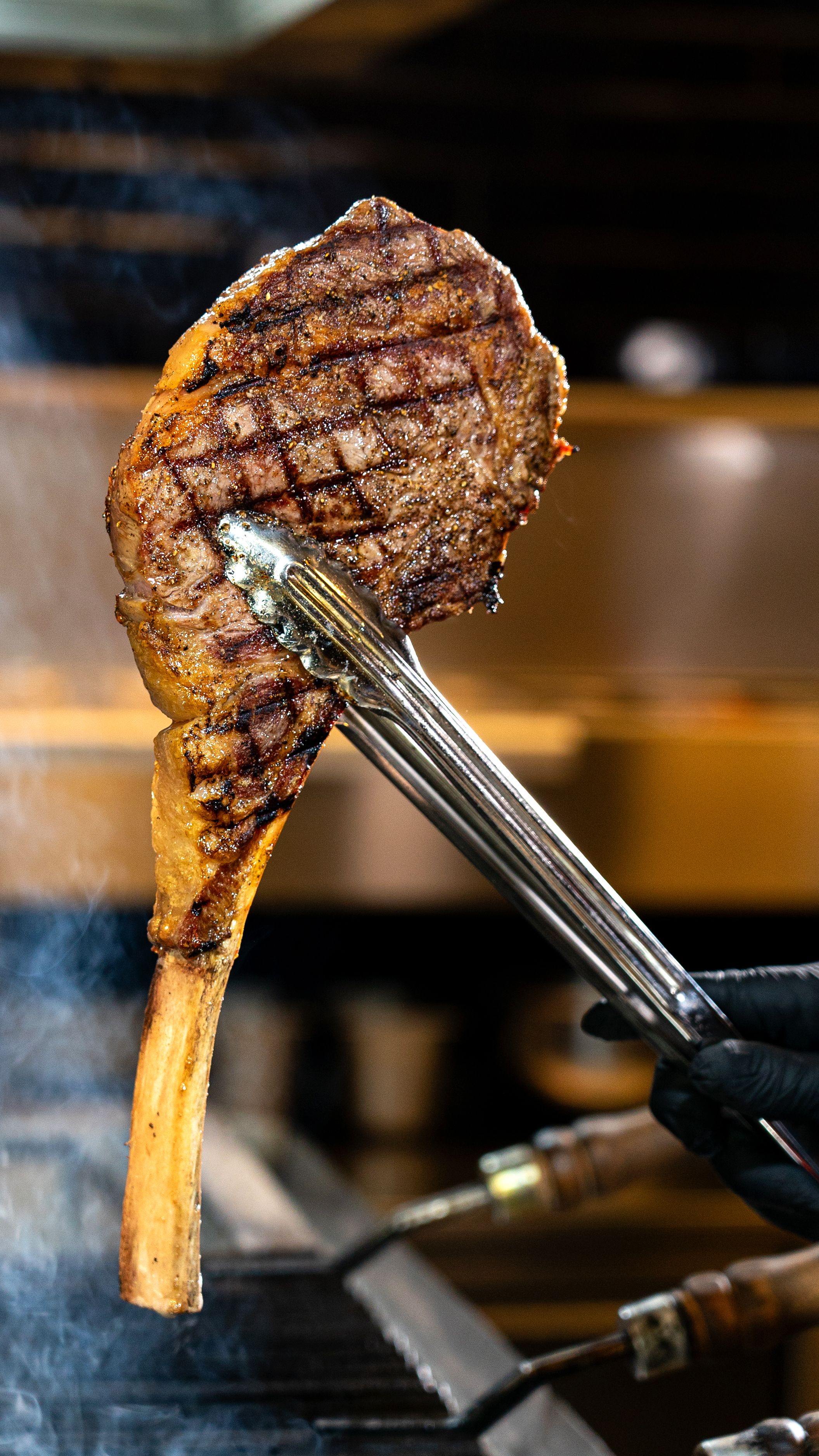
Mr. Mike's survives today in a modernized form, but its earlier identity as a more traditional casual steakhouse largely faded from major cities before the brand's revival took hold. In its older era, it occupied a practical middle ground: approachable steaks, familiar décor, and broad appeal. Urban markets eventually demanded either sharper value or a more distinct dining experience.
Smaller communities, however, remained more compatible with the original formula. A steakhouse that felt comfortable rather than aspirational could still perform well where diners wanted reliability and local familiarity more than novelty. That helped preserve the brand's relevance outside the biggest metropolitan battlegrounds.
Mr. Mike's illustrates a final lesson in Canadian chain history. Sometimes survival in small towns creates the foundation for reinvention later on. A brand may lose status in cities, continue quietly in regional markets, and then return with a refreshed concept. Without that rural and small-city endurance, many revivals would never happen at all.




Leave a Reply