
Canada's food culture is often talked about as if it were one big national menu, but that misses the real story. Across the provinces, the same dish can shift in texture, seasoning, ingredients, and even identity altogether. From fries and gravy to lobster rolls and butter tarts, these are the Canadian foods that reveal just how regional the country really tastes.
Poutine

Few foods expose regional loyalties faster than poutine. In Quebec, the benchmark is squeaky fresh curds, medium-cut fries, and a light brown gravy that coats without drowning. The balance matters, and locals can tell immediately when one part is off.
Outside Quebec, the dish often becomes heavier and more experimental. In Ontario, it may arrive piled with pulled pork or chicken shawarma. In Atlantic Canada, some versions use darker gravy or shredded cheese when curds are harder to source. Same name, very different bite.
Butter Tarts
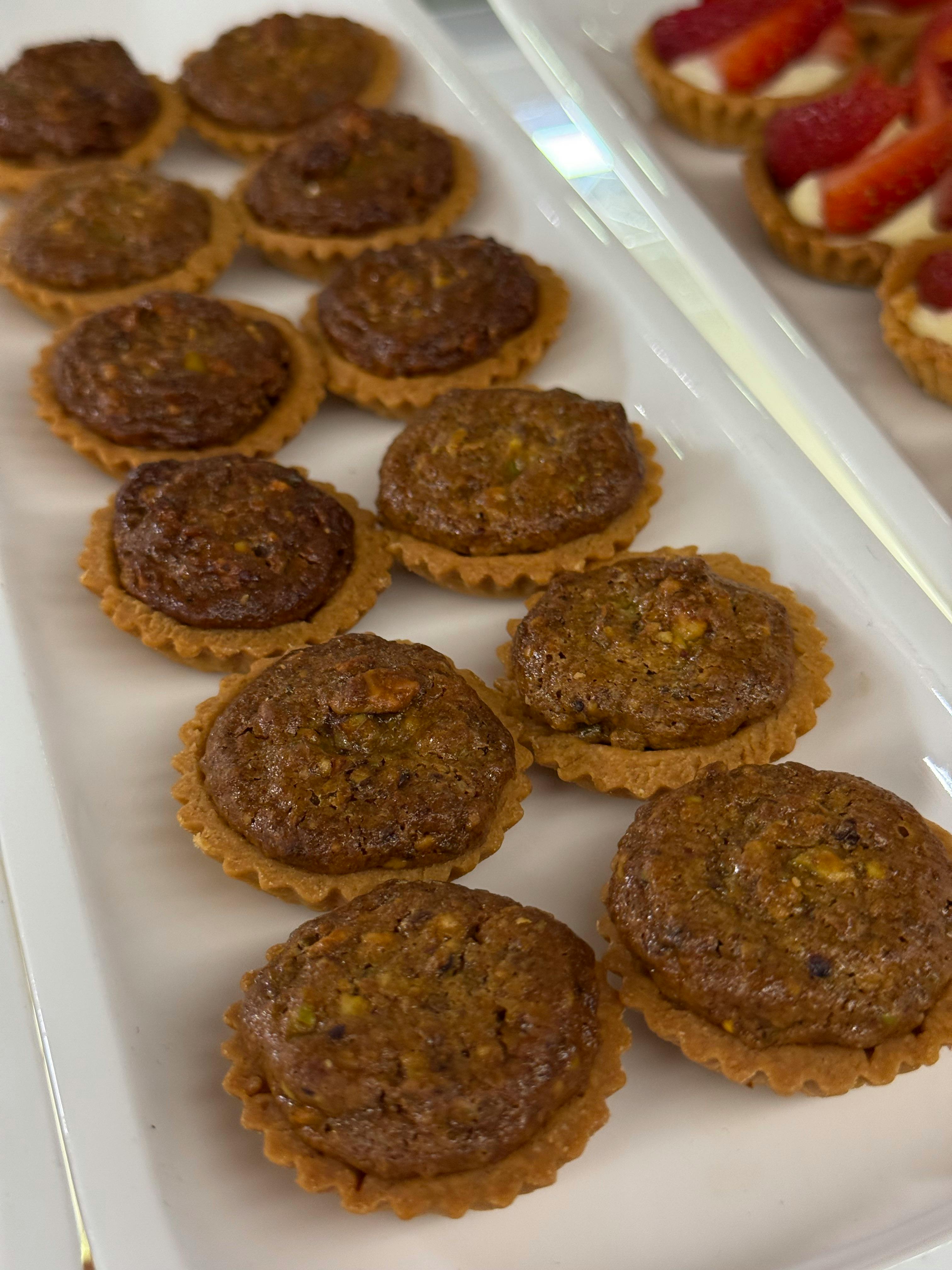
The butter tart looks simple, which is exactly why provincial differences stand out. In Ontario, the classic version is the standard most people picture, with a flaky shell and a filling that lands somewhere between runny and set. The raisin debate is almost as famous as the tart itself.
Elsewhere, texture and sweetness shift noticeably. Prairie versions can be firmer and more syrupy, sometimes influenced by local baking traditions that favor sturdier pastries. In the Maritimes, some bakers lean richer and saltier, making the filling taste deeper and less candy-like.
Tourtière

Tourtière tells the story of French Canadian cooking, but it is far from one fixed recipe. In Quebec, especially around the holidays, the dish can range from finely ground pork pies to the deeper, slow-baked tourtière du Lac-Saint-Jean made with cubed meat and potatoes in a thick crust.
Move west or east and the profile changes with family heritage and local meat availability. Some versions bring in beef, veal, game, or stronger spice notes like clove and cinnamon. What one province treats as delicate and savory, another serves heartier and more robust.
Lobster Rolls
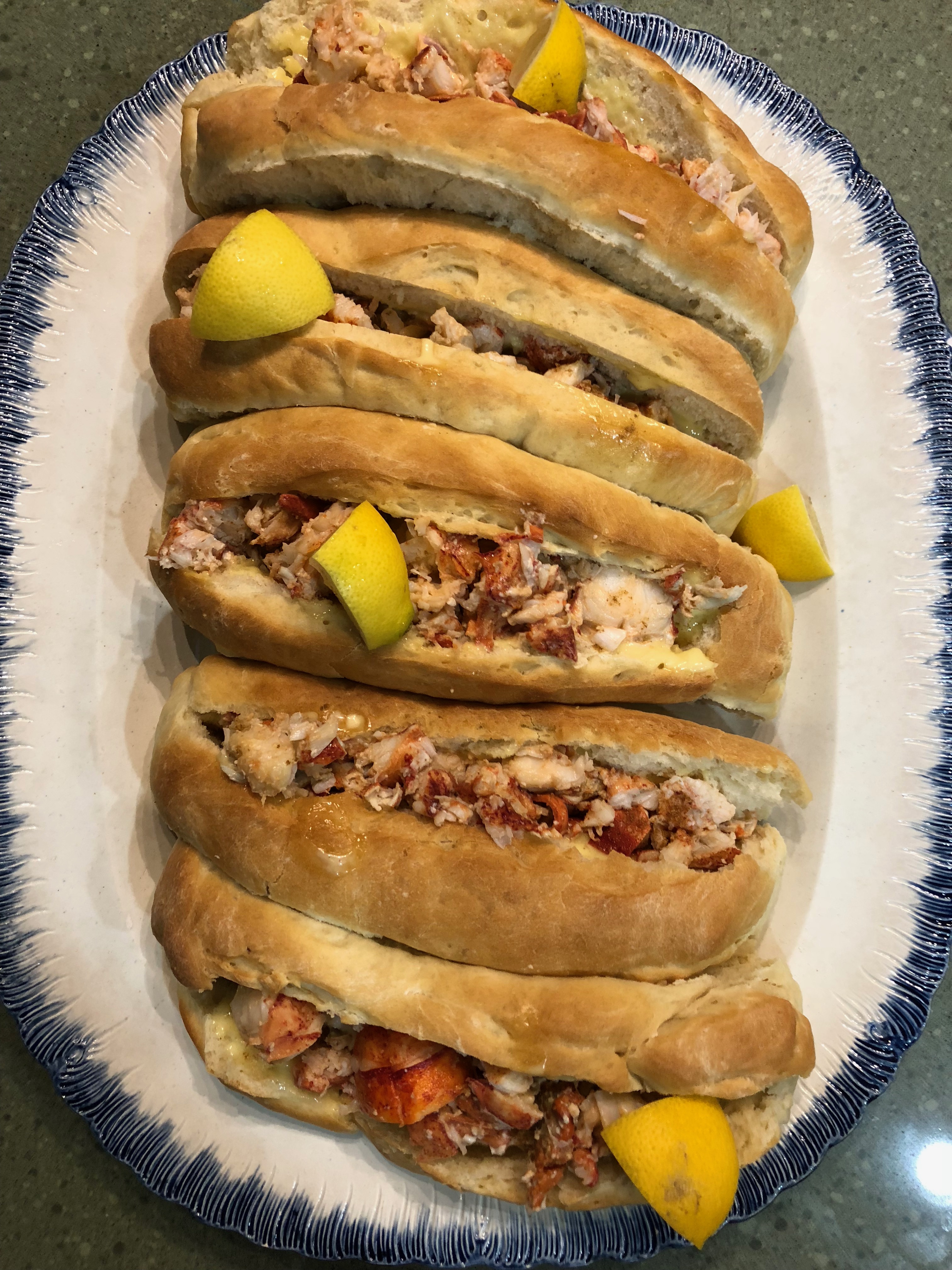
A lobster roll in Canada is never just a lobster roll. In Nova Scotia, the filling is often generous and straightforward, letting chilled lobster meat and a light dressing do most of the work. The bun may be toasted, but the flavor usually stays clean and ocean-forward.
In Prince Edward Island or New Brunswick, the roll can lean creamier or sweeter depending on the dressing and the lobster itself. Local catch, handling, and even how much claw versus tail meat is used can change the entire texture. Coastal proximity does not guarantee the same sandwich.
Bannock

Bannock changes dramatically because it carries many histories at once. Across Indigenous communities in Canada, preparation varies by region, family, and occasion. Some versions are pan-fried and crisp at the edges, while others are baked, denser, and better suited to stews, jam, or smoked fish.
In the Prairies, fried bannock is especially visible at gatherings and markets, often served as a warm, golden comfort food. In northern and coastal areas, local flours, fats, and cooking methods create a different chew and flavor. It is one of the country's most varied breads.
Split Pea Soup
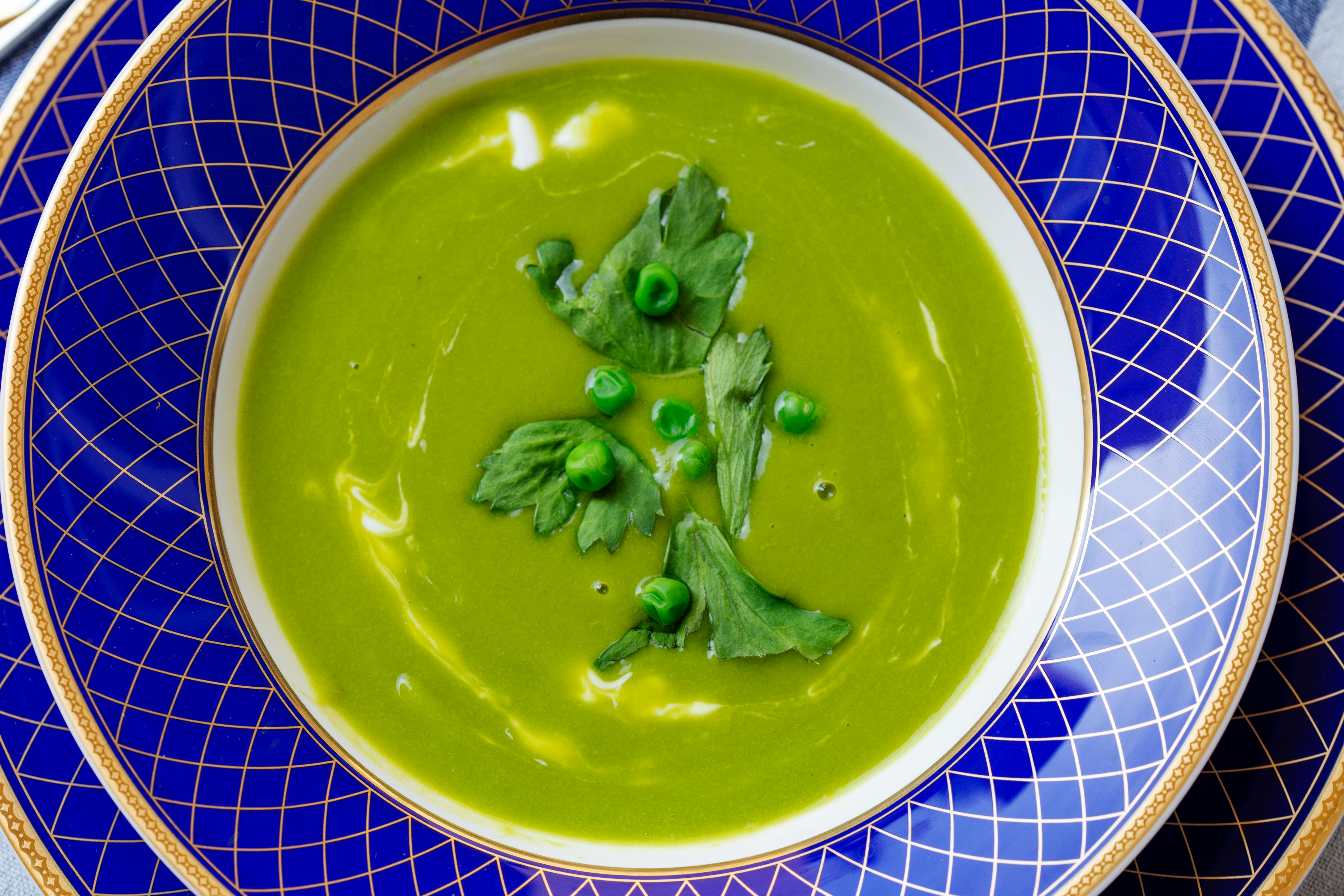
Split pea soup sounds humble, but province by province it can feel like a different meal. In Quebec, soupe aux pois is often thick, smoky, and rooted in French Canadian tradition, with yellow peas and salt pork or ham giving it a substantial, old-fashioned depth.
In other provinces, especially in home kitchens farther west, the soup may be greener, looser, and more vegetable-driven. Some cooks emphasize herbs, while others let smoked meat lead. The result can swing from rustic and almost stew-like to light and spoonable, even when the ingredient list looks familiar.
Caesar Cocktail
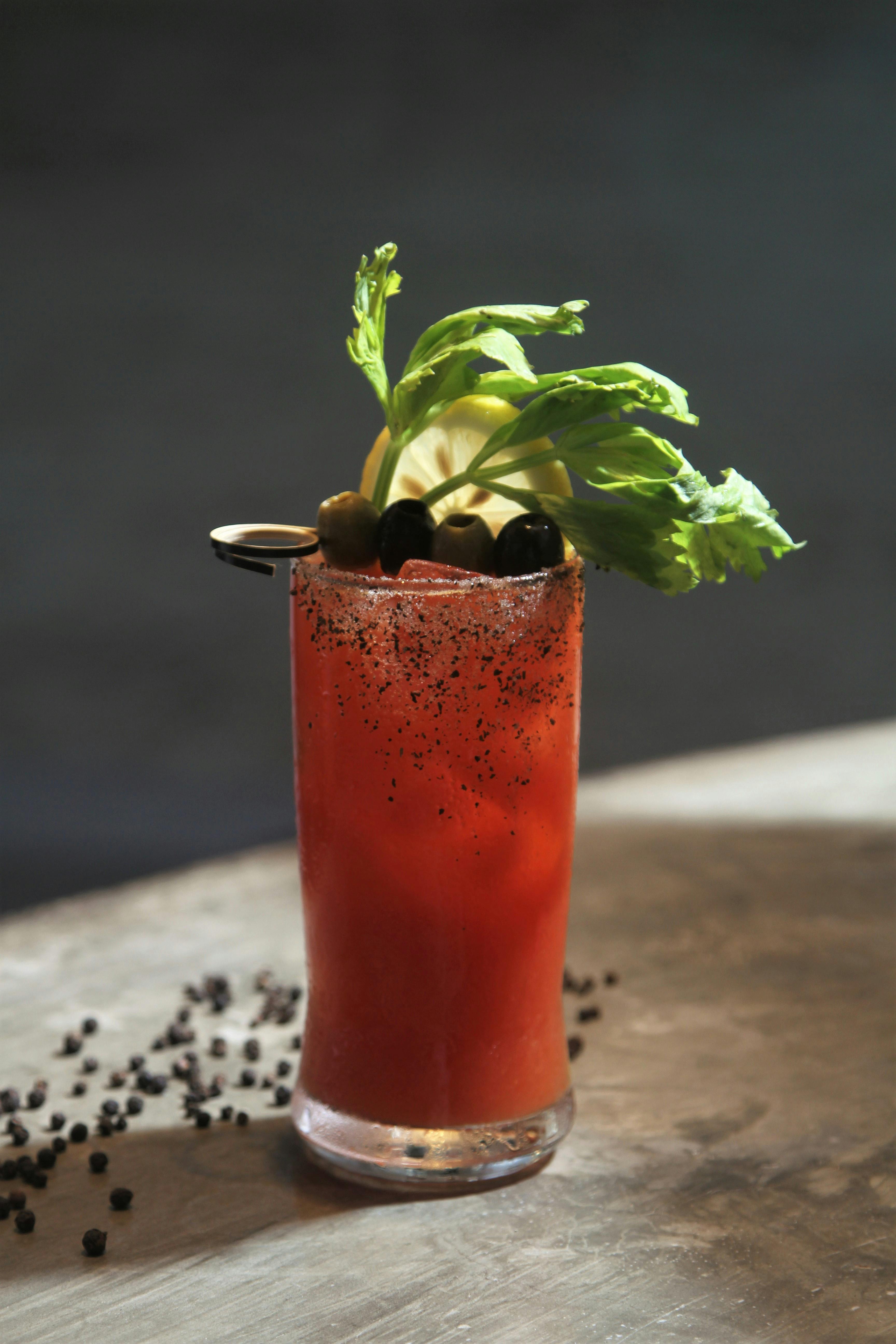
The Caesar may be a national staple, but its flavor changes notably depending on where you order it. Born in Calgary, the drink's classic profile rests on vodka, Clamato, hot sauce, Worcestershire, and a celery salt rim. In Alberta, that savory backbone still tends to stay front and center.
Elsewhere, the garnish arms race can overwhelm the drink itself. In Ontario and British Columbia, bars often add everything from pickles to full sliders, while the seasoning levels vary widely. Some versions taste briny and sharp, others almost tomato-sweet, turning one cocktail into several personalities.
Smoked Salmon
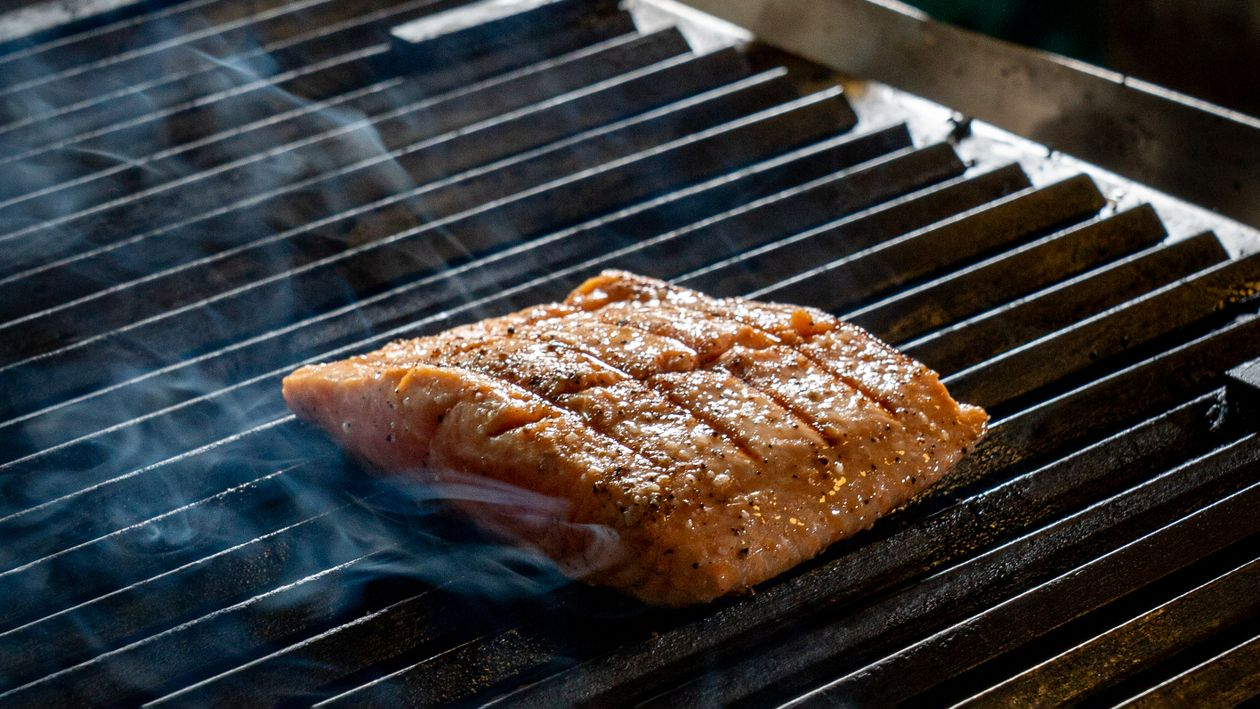
Smoked salmon changes profoundly with geography because the fish, smoke, and curing traditions all shift. In British Columbia, Pacific salmon species like sockeye often bring a richer, firmer character, and many producers favor smoke levels that highlight the fish rather than bury it.
On the Atlantic side, the profile can be softer and saltier, especially when influenced by local curing habits and different salmon sourcing. Indigenous smoking traditions on the West Coast also shape distinct textures and aromas. What tastes delicate and silky in one province may be dense, smoky, and deeply savory in another.
Blueberry Pie
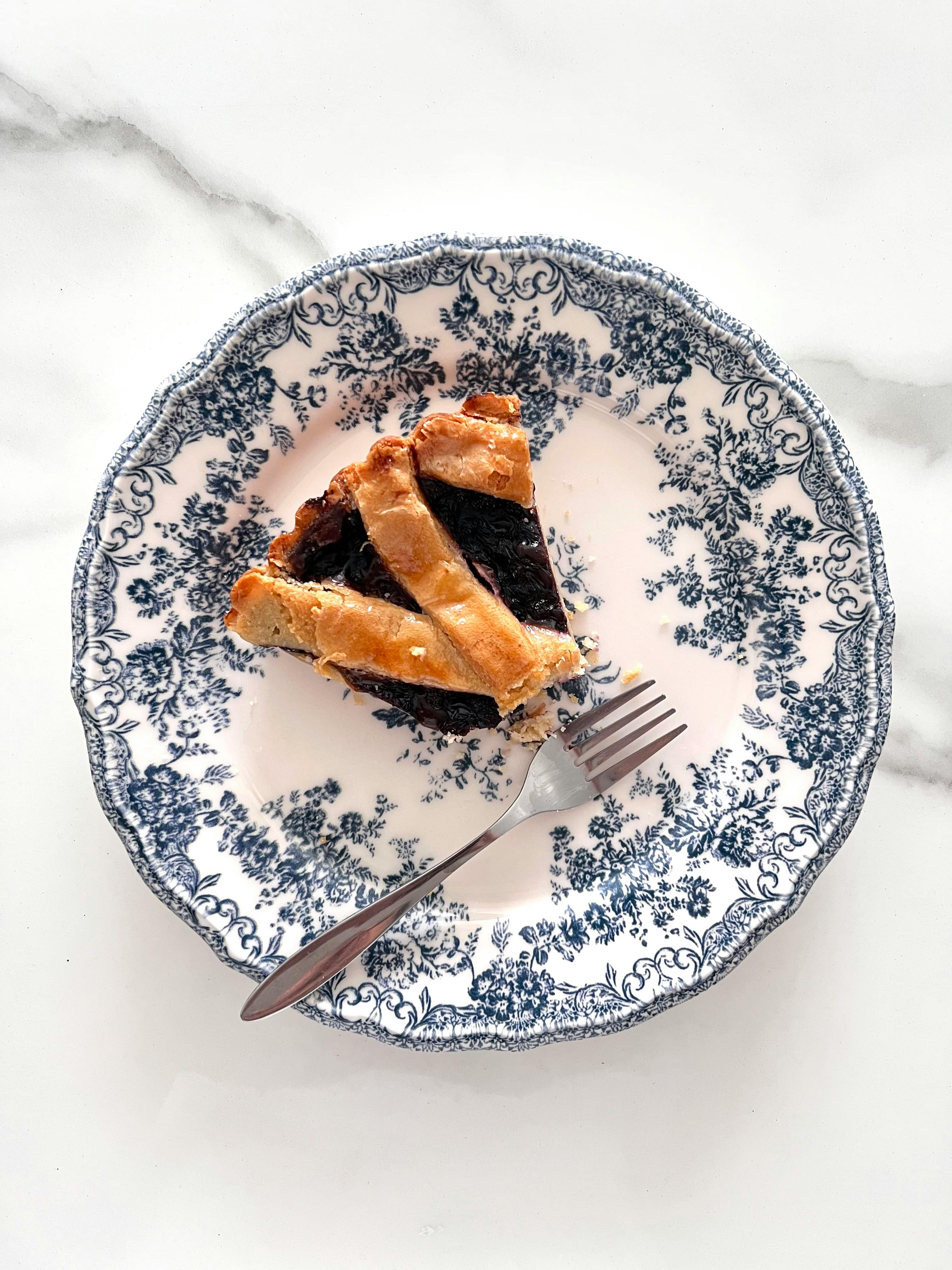
Blueberry pie is a perfect example of how a local crop can shape a familiar dessert. In Nova Scotia and parts of Atlantic Canada, wild blueberries are smaller, darker, and more intense than cultivated berries. That gives the filling a deeper flavor, less wateriness, and a tart edge many bakers refuse to compromise.
In central and western provinces, pies are more likely to rely on larger cultivated berries with a milder sweetness. The texture turns juicier and softer, and bakers often compensate with more thickener or spice. The difference is subtle at first bite, then impossible to miss.



Leave a Reply