
Airline food has inspired jokes for decades, but its history is far stranger than most passengers realize. At different moments, it has been glamorous, experimental, chaotic, and even headline-making for all the wrong reasons. These nine episodes show how meals served at 30,000 feet became part of aviation folklore.
The caviar-and-champagne age of flying
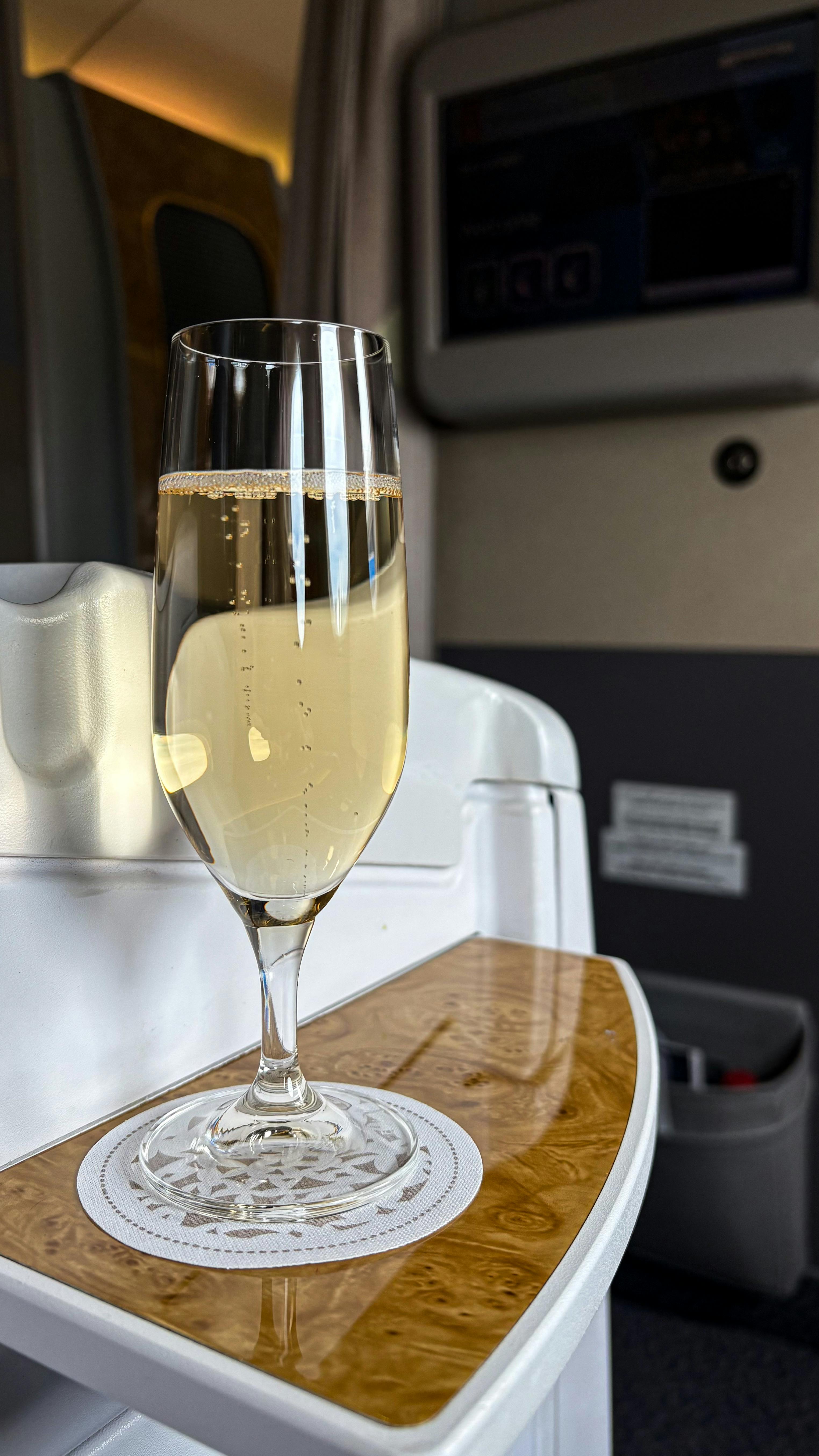
There was a time when airline food was designed to signal status, not just satisfy hunger. In the 1950s and 1960s, major international carriers treated first-class dining as part of the show, with carved roasts, lobster, smoked salmon, fine wines, and in some cases even caviar service in the sky.
That level of luxury stuck in passengers' minds because it made flying feel theatrical. Airlines were regulated, ticket prices were high, and carriers competed through elegance rather than discount fares. Menus were printed like those in upscale restaurants, and cabin crews plated meals with real silverware and linen.
For travelers who experienced it, this was the golden age of airline food. It remains bizarre today because the gap between that lavish past and a modern snack box feels almost unbelievable.
Concorde turned supper into a speed spectacle
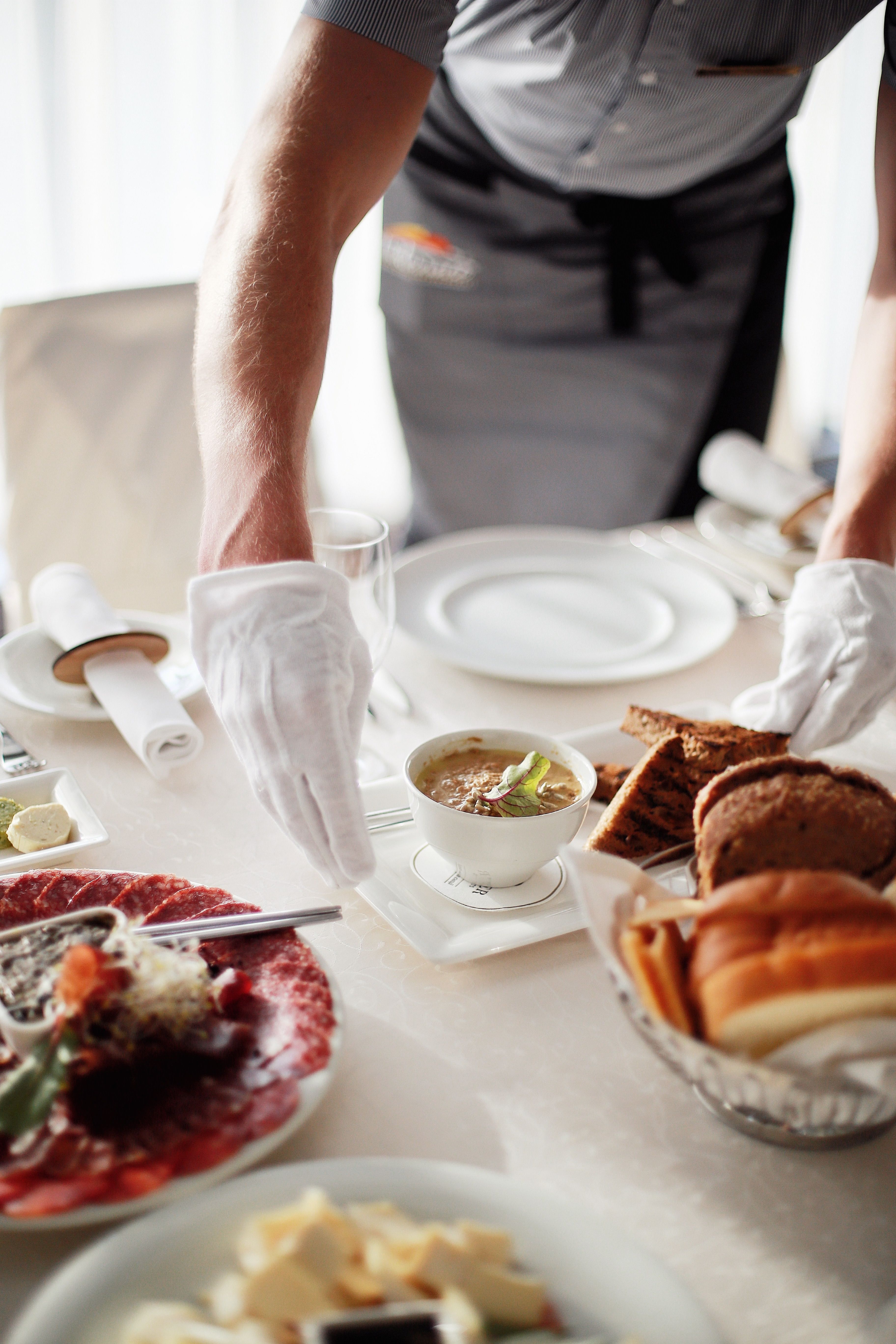
Supersonic travel came with an equally high-flying menu. On Concorde, airlines had to serve elegant meals in a cramped galley, at extreme altitude, and on a flight famous for speed, glamour, and celebrity appeal. The result was a very specific kind of luxury that passengers still talk about with awe.
British Airways and Air France offered dishes such as foie gras, lobster, and premium champagne, all adjusted for a cabin environment that could dull taste. Timing mattered because the entire journey was so short, yet the meal still had to feel exclusive and polished.
What made it memorable was the contradiction. Concorde was all about rushing across the Atlantic, yet dining on board was meant to feel leisurely and refined. That tension made every tray seem like part engineering feat, part social ritual.
The microwave changed everything, and not always for the better
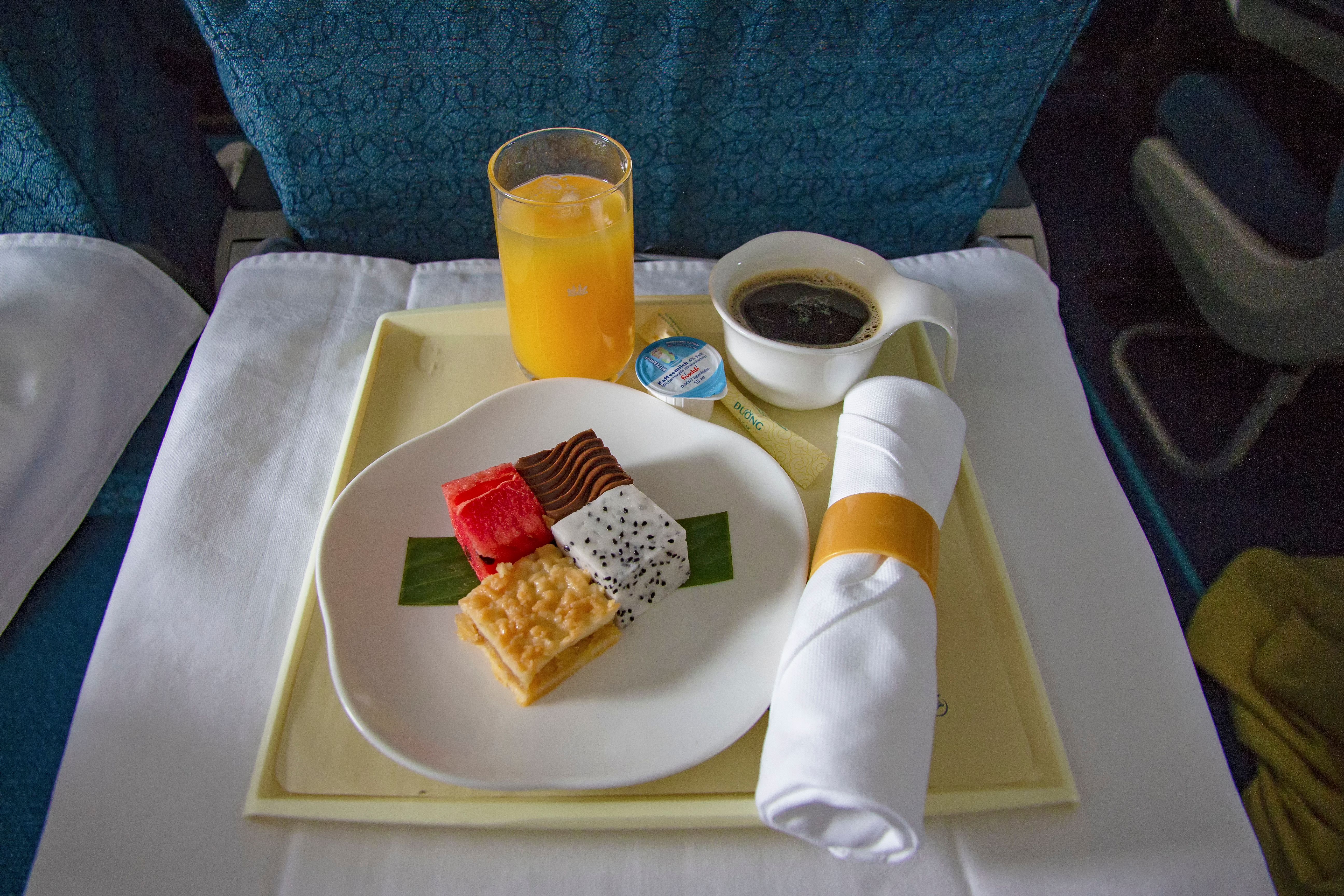
One of the quiet revolutions in airline food was not a recipe but a machine. As jet travel expanded and airlines looked for faster, more standardized catering, reheating systems transformed what could be served on board. The microwave era helped carriers feed more people efficiently, but many passengers noticed the trade-off immediately.
Meals became easier to mass-produce, portion, freeze, and reheat across huge networks. That was a logistical triumph, especially as passenger numbers grew. Yet texture suffered, sauces separated, and once-crisp items often arrived limp or rubbery by the time they reached the tray table.
Passengers remember this shift because it marked the point when airline meals began feeling industrial. Food was no longer just cooked for a journey. It was engineered for consistency, and that changed expectations for decades.
The smoking era gave meals an impossible challenge

Before smoking bans became standard, airline catering faced a problem that sounds absurd now. Cabins were often filled with cigarette smoke, and that affected how food smelled and tasted. Passengers were trying to eat roast chicken or eggs in an environment that could resemble a lounge with ashtrays in every armrest.
Airlines responded by leaning toward stronger flavors, richer sauces, and heavily seasoned dishes that could still register in a smoky cabin. This was not just preference. It was adaptation to a setting that worked against delicate aromas and subtle ingredients.
What people remember most is how normal it once seemed. Looking back, the idea of pairing a hot meal with a cabin full of smoke feels deeply strange. It is one of those moments in airline history that now seems almost impossible to imagine.
The crash of luxury after deregulation
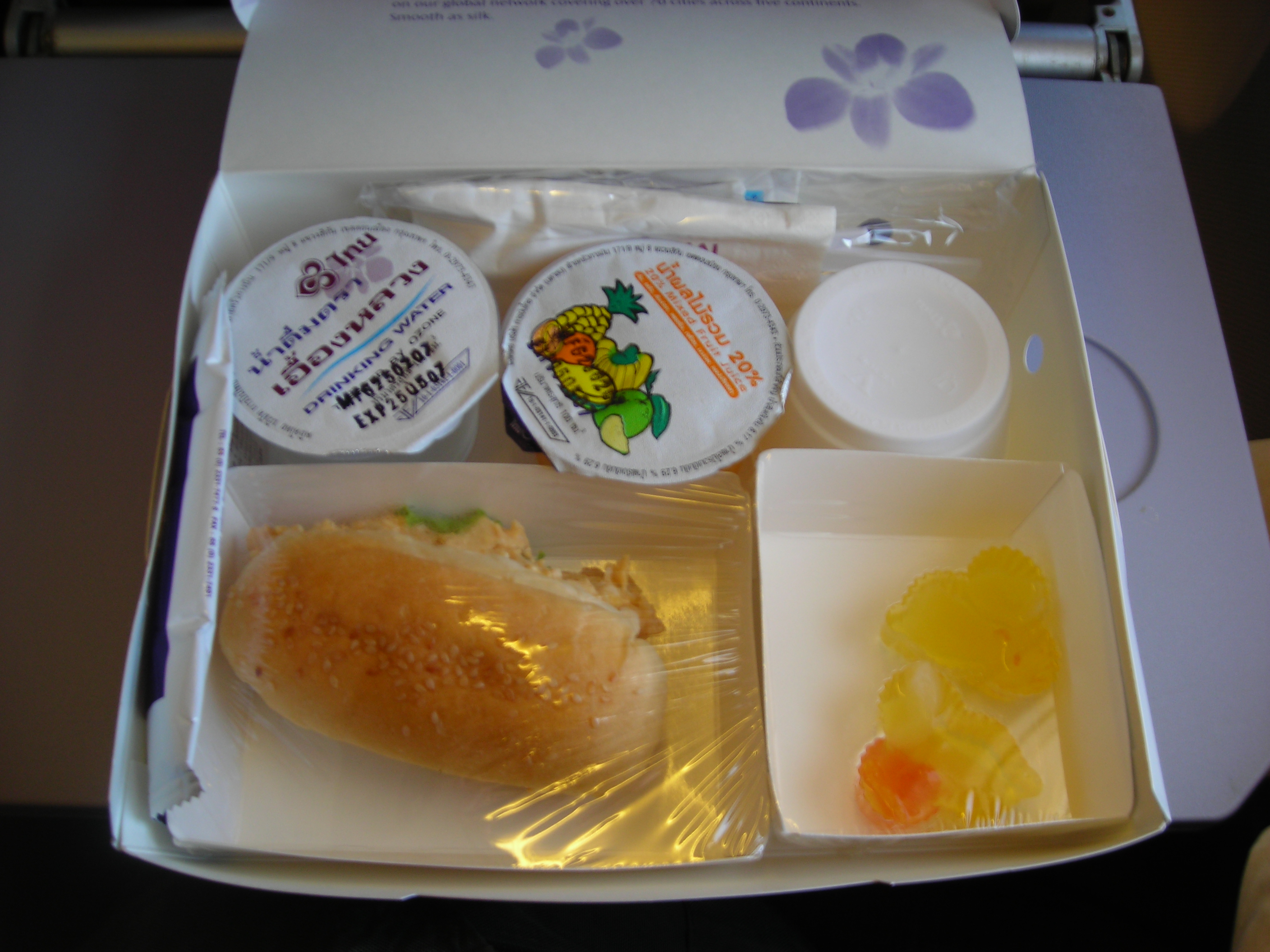
The Airline Deregulation Act of 1978 changed fares, routes, and competition in the United States, but passengers also felt it on the tray table. Once airlines had to fight aggressively on price, expensive meal service became harder to justify. The glamorous extras that once defined flying started disappearing from many cabins.
This did not happen overnight, but the direction was clear. Carved meats and elaborate desserts gave way to simpler entrées, then to cold snacks, then on some routes to nothing at all unless travelers paid extra. Economy cabins felt the shift first and most sharply.
Passengers remember the weirdness of the transition itself. In one era, a full meal was routine. In the next, airlines were presenting peanuts and soft drinks as if that were enough ceremony for a cross-country trip. It changed the culture of flying.
A listeria scare turned airline sandwiches into front-page news
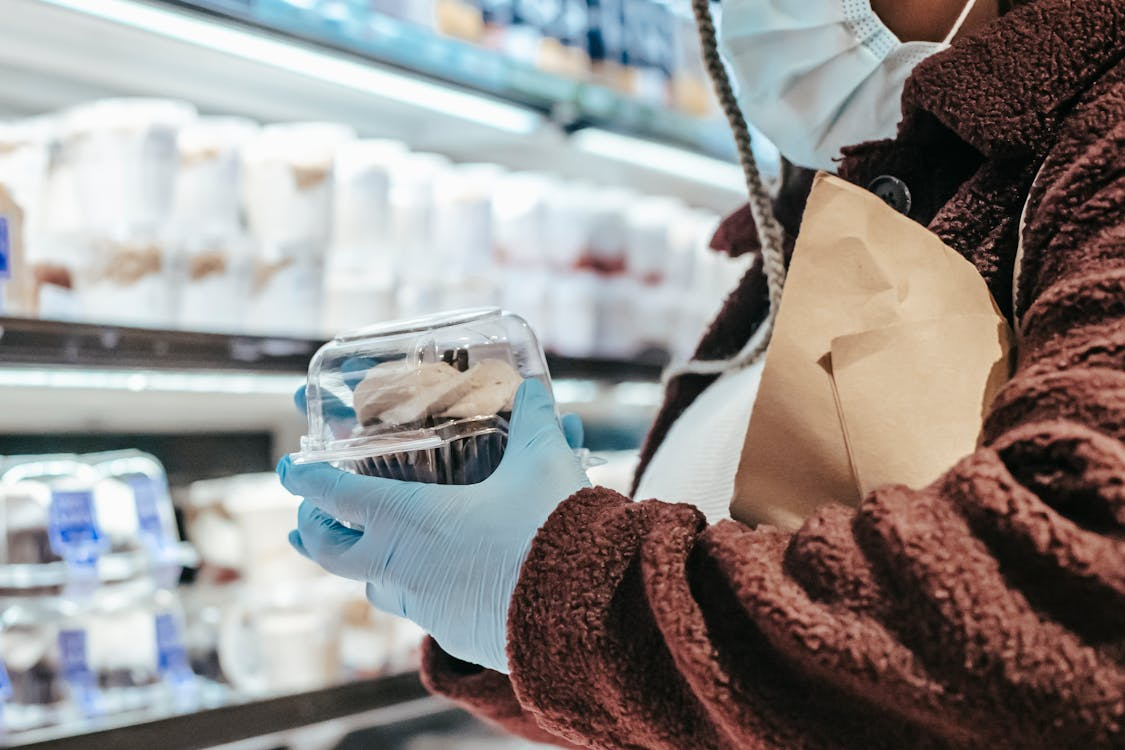
Sometimes the most memorable airline food stories are the ones that made people wary of taking a bite. In 2018, a large food recall involving fresh vegetables linked to listeria concerns affected products supplied to airlines and airports in the United States. Carriers pulled certain sandwiches and wraps from service as a precaution.
To passengers, the unsettling part was how ordinary the items were. This was not an exotic dish or an obscure ingredient. It was the kind of grab-and-go food travelers picked up without much thought, which made the news feel unusually close to home.
Airline catering depends on vast supply chains, strict timing, and food safety systems that most customers never see. When those systems are stressed, even a basic sandwich can become a major operational story. That vulnerability is what people remembered.
British Airways' tiny salads became a symbol of austerity
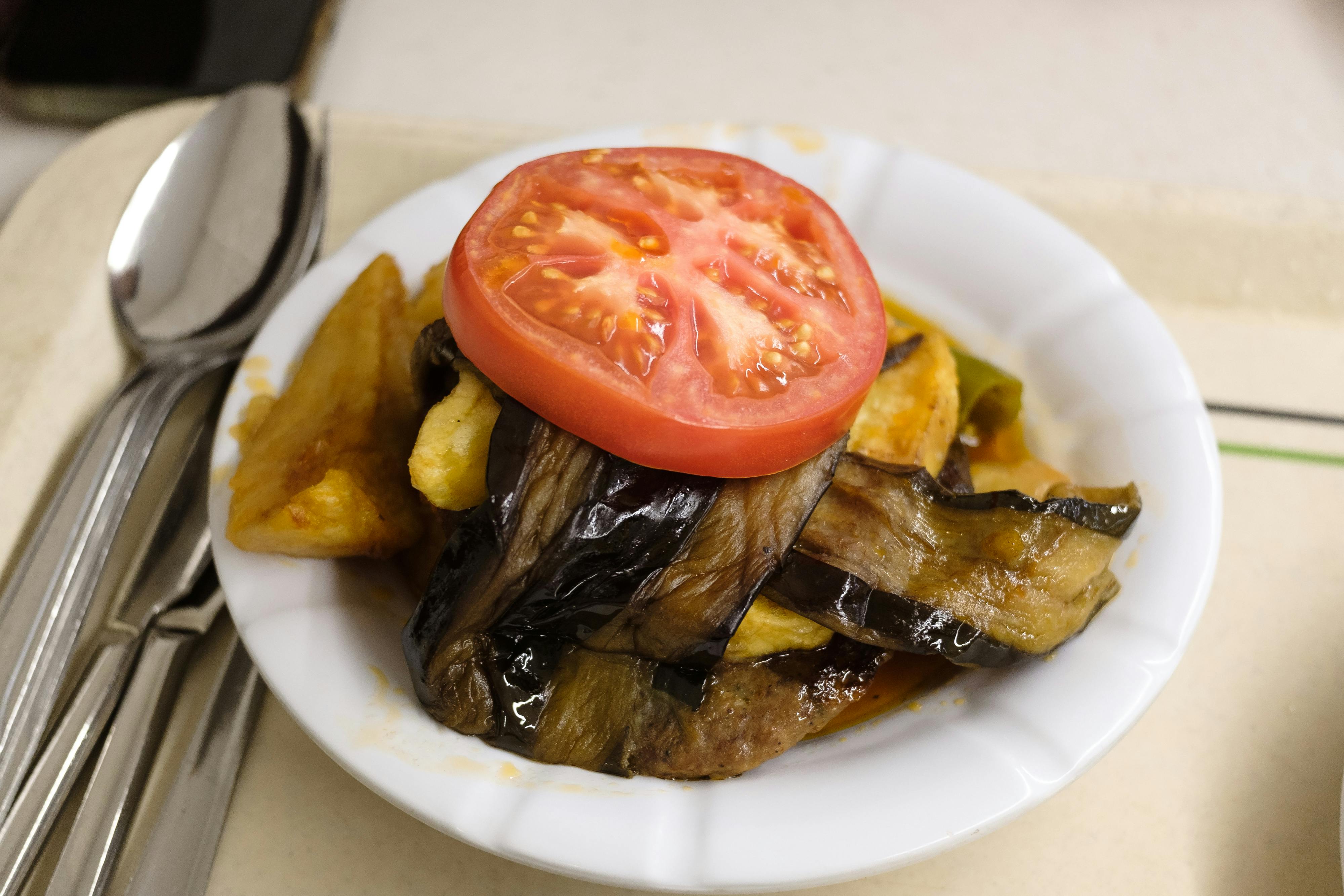
Few airline food moments generated as much ridicule as the era of noticeably skimpy economy meals. British Airways, like many carriers under cost pressure, drew criticism in the 1990s and 2000s for portions that passengers considered underwhelming, especially on routes where travelers still expected a proper meal.
The infamous image was often a small side salad or a minimal tray that looked more apologetic than satisfying. Even when the food was edible, the presentation suggested retreat. It was less about one exact menu item and more about what that reduced offering represented to loyal customers.
Passengers remembered these meals because they felt symbolic. Flying had once promised comfort and ceremony. Now even well-known flag carriers seemed to be quietly lowering the bar, one tiny plastic-covered portion at a time.
The pandemic brought sealed boxes and vanished hot meals
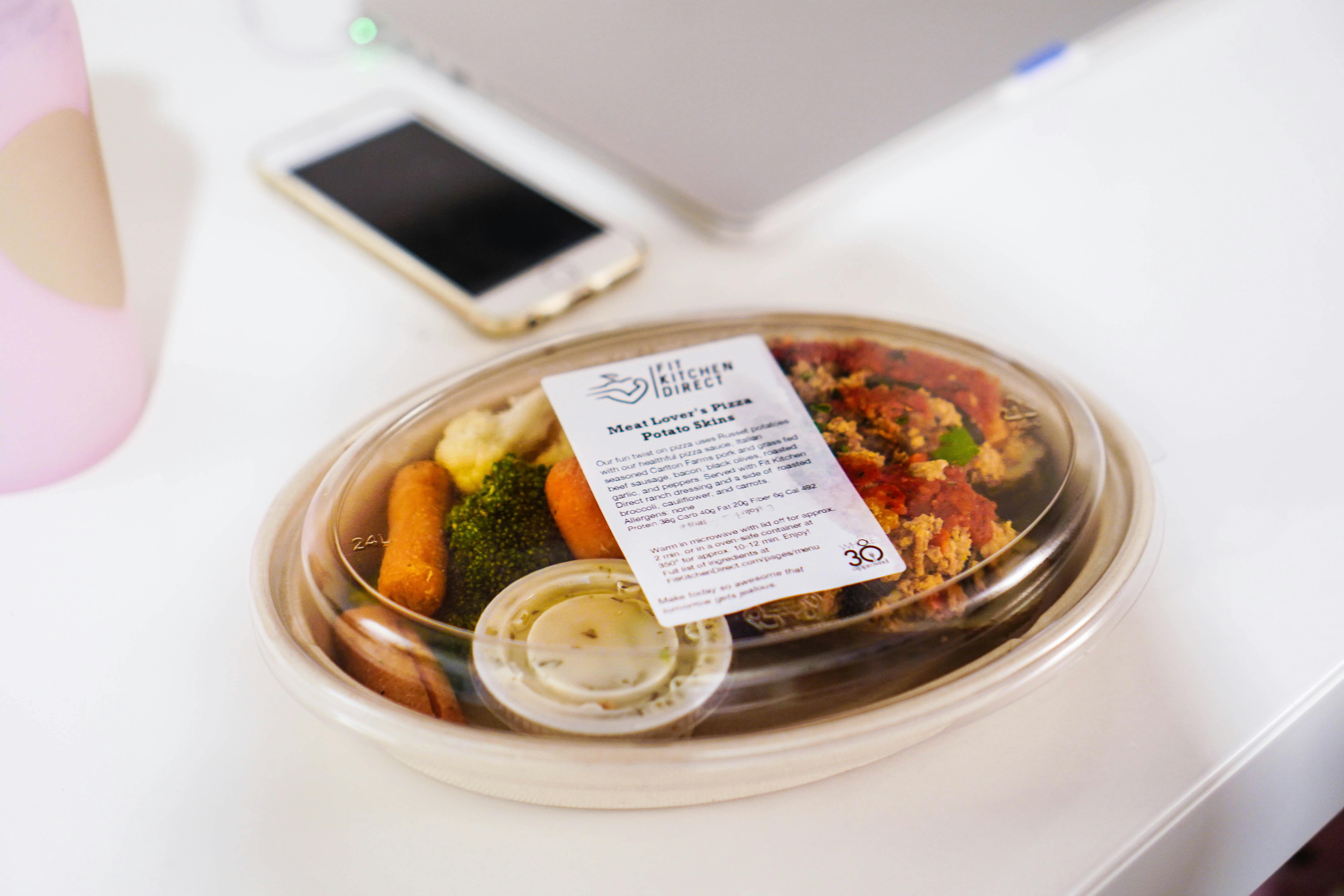
For many travelers, one of the strangest recent chapters in airline food arrived during the Covid-19 pandemic. To reduce contact and simplify service, airlines across the world cut back sharply on meal options. Hot dishes disappeared on many routes, replaced by sealed snack boxes, bottled water, and prepacked items.
The shift made sense from a health and staffing perspective, but it changed the emotional rhythm of flying. Meal service had always been a marker of time and care on a journey. Suddenly the experience felt stripped down, clinical, and uncertain, especially on long flights.
Passengers still remember the oddness of opening a box that looked more like a convenience-store survival kit than airline hospitality. It was a practical response to a crisis, but it also revealed how fragile in-flight rituals really are.
Singapore Airlines proved some passengers still chase the menu
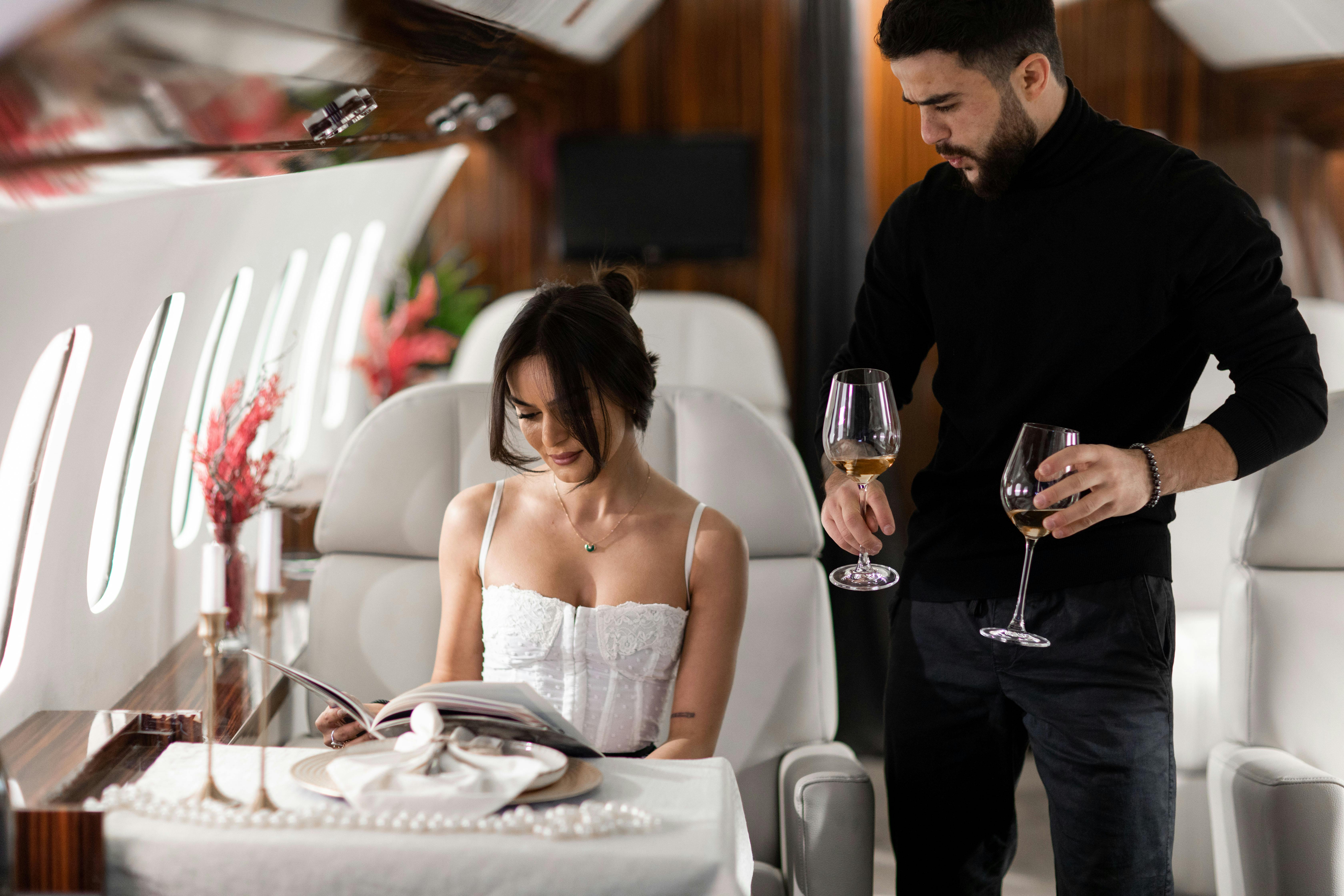
In a history full of cutbacks and compromises, one of the most surprising developments is that premium airline dining never disappeared completely. Singapore Airlines became famous for investing heavily in menu design, chef partnerships, and its Book the Cook program, giving premium passengers access to preordered dishes that felt far beyond standard tray meals.
That mattered because it challenged the assumption that airline food was doomed to mediocrity. At altitude, taste perception changes, moisture drops, and reheating limits technique. Even so, some carriers kept refining recipes specifically for the cabin, proving that service and planning could still make a real difference.
Passengers remember these meals because they felt like a rebuttal to the joke. Airline food could still surprise people, not by being bizarre in a bad way, but by being unexpectedly thoughtful in an era when expectations had fallen so low.
Leave a Reply