
Some foods fed the body in ancient Greece. Others carried the weight of myth, ritual, and prestige.
What survives in texts, archaeology, and culinary tradition shows a cuisine far more refined than the usual image of olives and wine alone.
Kykeon, the Sacred Drink of Mystery and Survival

Kykeon was not just a beverage. It was one of the most symbolically charged foods in the Greek world, tied to the Homeric Hymn to Demeter and the Eleusinian Mysteries, where initiates consumed it as part of a sacred rite.
At its simplest, kykeon was a mixture of barley, water, and herbs such as pennyroyal. Some versions likely included grated goat cheese or wine, depending on region and occasion. That flexibility made it both a humble farmer's drink and a ritual formula.
Its importance came from context as much as flavor. In the Demeter myth, the goddess breaks her fast with kykeon, making the drink a sign of restoration after grief. Scholars often point out that barley was central to Greek subsistence, so the drink joined nourishment with religious meaning.
Maza, the Barley Cake That Sustained a Civilization
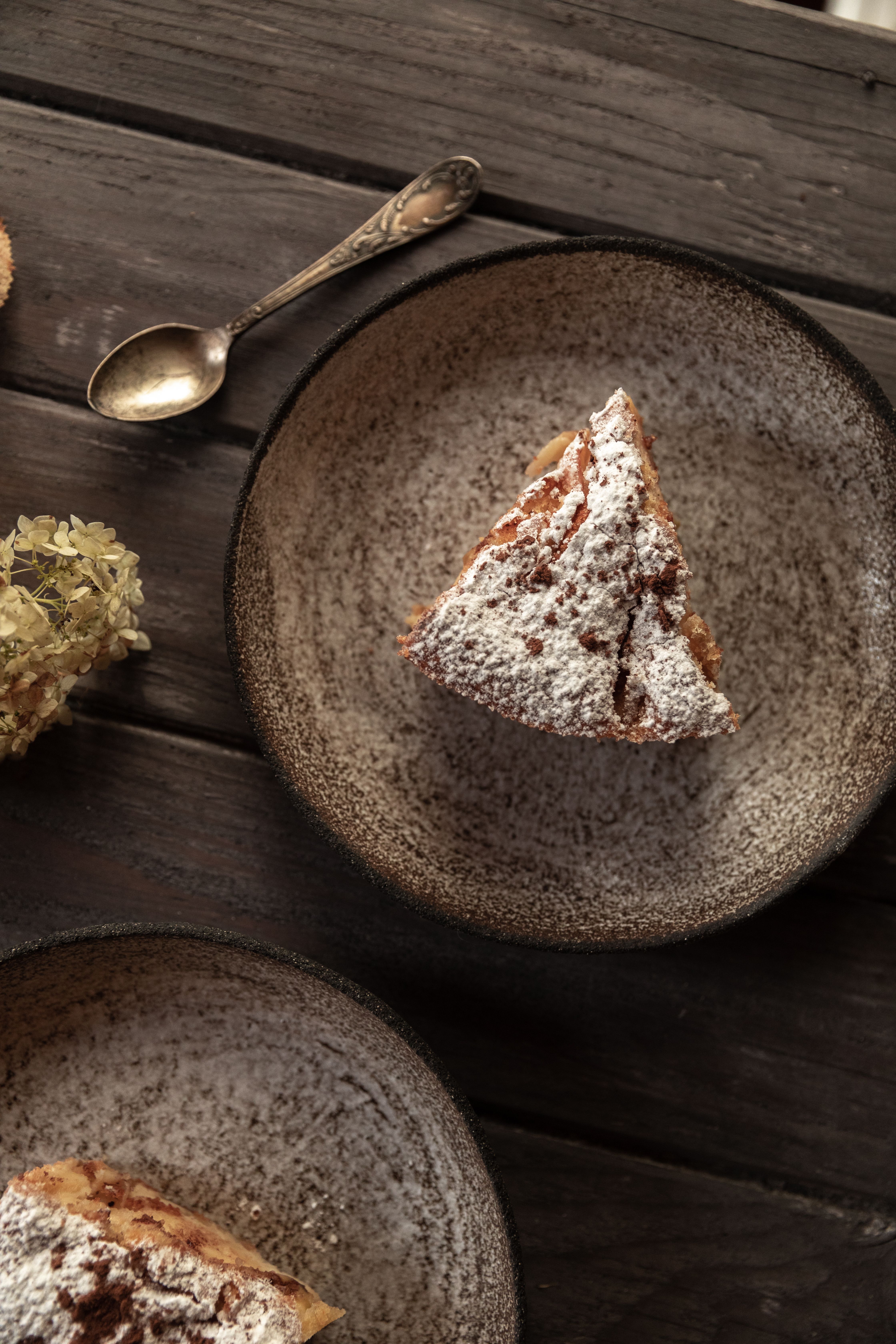
If one dish deserves to be called the daily bread of Greece, it is maza. Made primarily from barley meal, it appeared in many forms, from rough peasant cakes to more carefully shaped loaves served with cheese, figs, or oil.
Barley mattered because Greece's terrain favored it more reliably than wheat. Ancient writers including Hesiod treated grain labor as a practical foundation of life, and archaeological evidence confirms barley's wide cultivation across the mainland and islands.
Maza could be baked, toasted, or mixed into a dough-like mass with water and olive oil. In some households it was eaten plain; in wealthier settings it became a base for relishes, fish, or herbs. That versatility explains why it endured across class lines.
Plakous, the Layered Honey Cake of Elite Tables

Plakous was ancient Greece's answer to the showpiece dessert. This rich cake, described in later Greek culinary tradition and echoed in classical references, combined layers of dough with soft cheese, honey, and sometimes nuts or fragrant seasonings.
Unlike rough grain cakes, plakous belonged to feasting culture. Honey was the principal sweetener of the Greek world, and good cheese added both luxury and protein. When those ingredients met fine flour, the result was something closer to a celebratory pastry than everyday fare.
The dish also reveals Greek sophistication in texture and contrast. Bakers understood how to balance creamy filling with crisp or tender layers, often finishing the cake with more honey. It was the kind of food that signaled abundance, making it easy to imagine on a table dedicated to the gods.
Melikraton, the Milk and Honey Drink of Ritual Offering
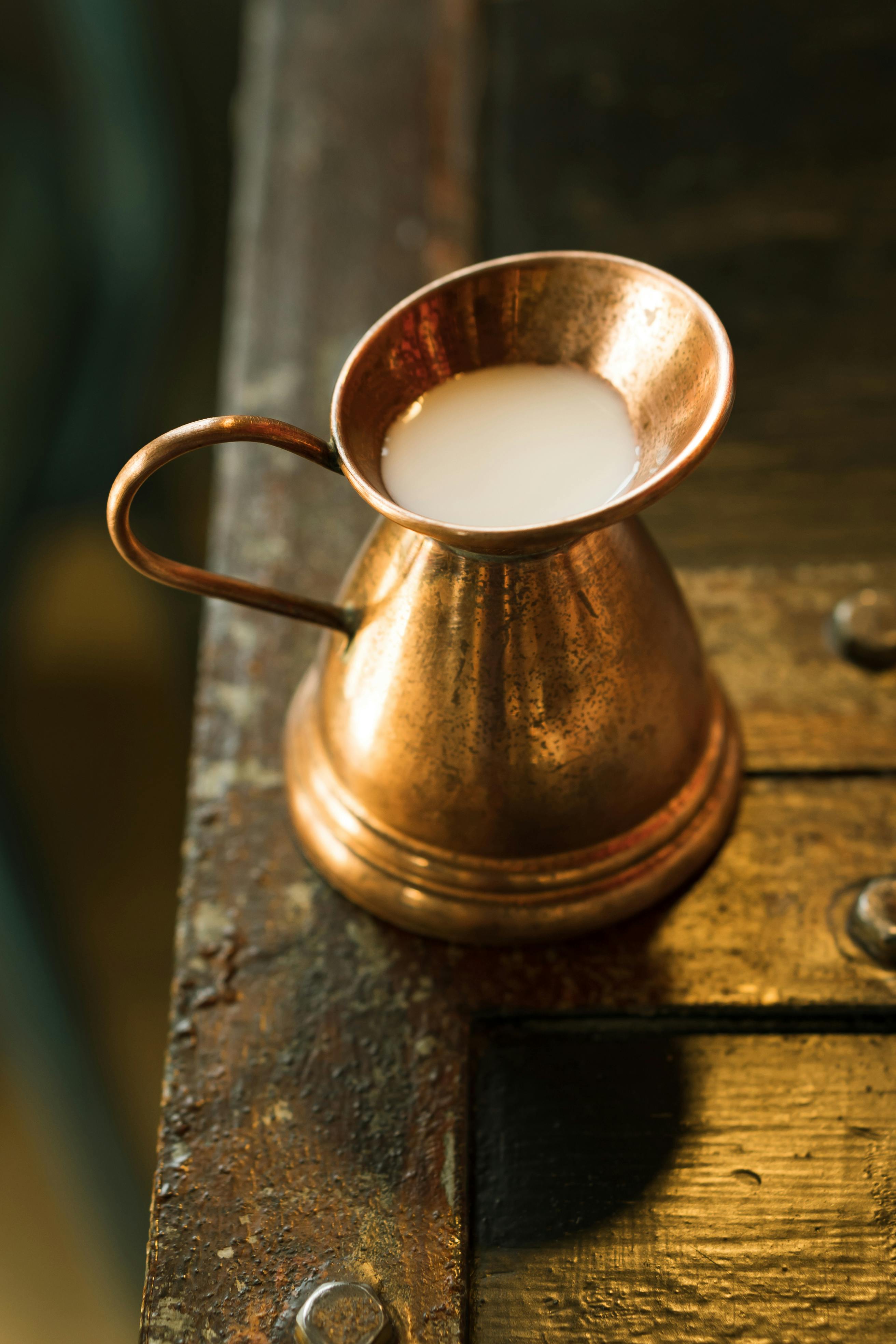
Some ancient foods became famous because they were delicious. Melikraton mattered because it sat at the intersection of nourishment, medicine, and devotion. Usually made from milk mixed with honey, it appears in accounts of offerings to deities, the dead, and even serpents associated with household cults.
Milk did not hold the same daily place in Greek adult diets that it does in many modern cuisines, which made melikraton more distinctive. Honey, by contrast, was revered for preservation, sweetness, and healing properties. Combined, the two created a drink with both literal richness and ceremonial gravity.
Greek religion often expressed itself through food. Libations and offerings were a language of exchange, and melikraton carried connotations of purity and care. Its simplicity is part of its power, showing how even a two-ingredient preparation could become sacred through repeated ritual use.
Tarichos, the Preserved Fish That Traveled the Ancient World
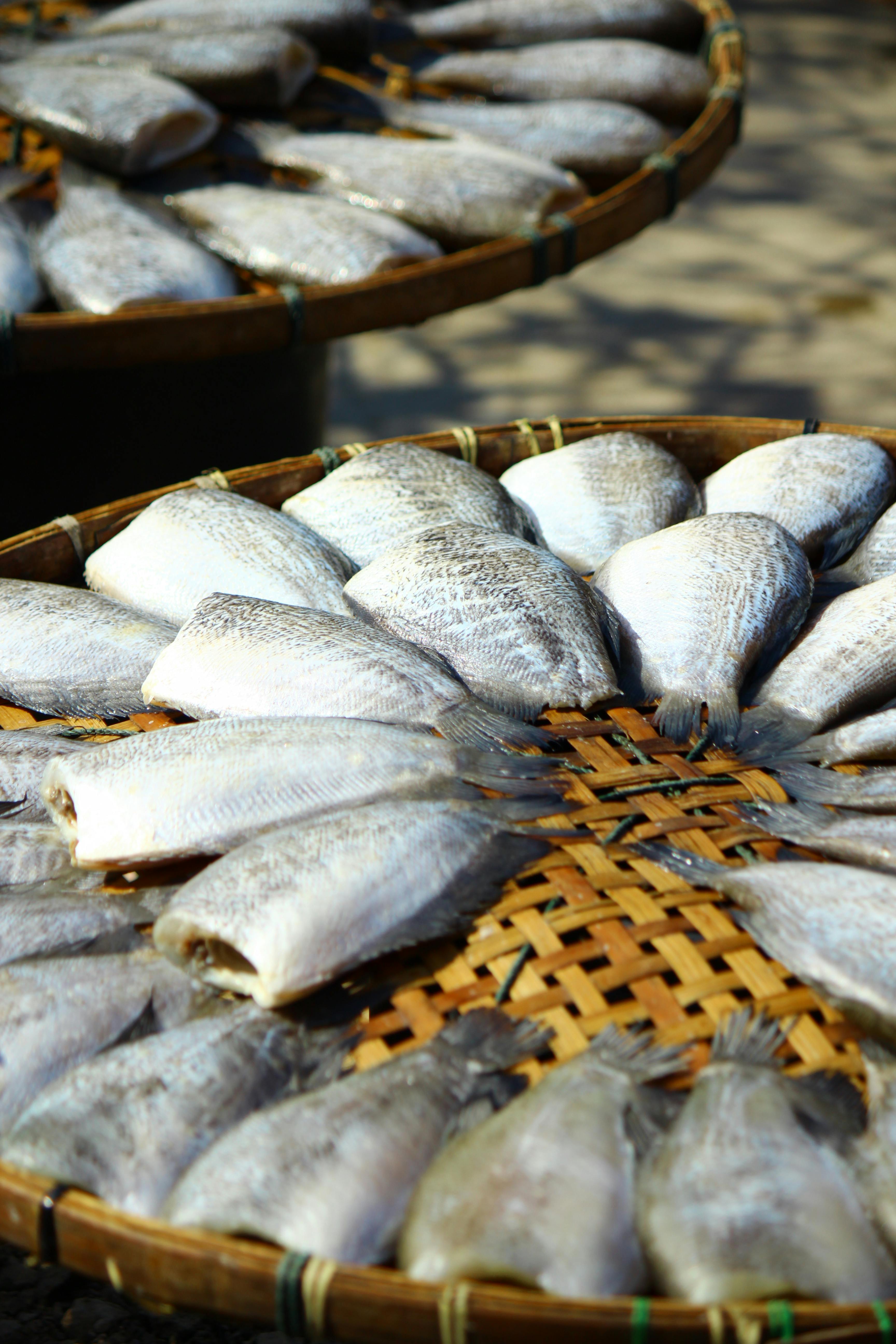
Luxury in antiquity was not always fresh. Tarichos, a broad term for salted or otherwise preserved fish, was a major commodity in the Greek economy and a key source of flavor, trade value, and portable protein.
In a world without refrigeration, preservation was a culinary technology and a commercial advantage. Fish could be cleaned, salted, dried, and moved long distances, connecting coastal producers with inland consumers. Markets from the Aegean to the Black Sea depended on such methods.
Comic playwrights and other authors mention prized fish with remarkable enthusiasm, suggesting that seafood could inspire status competition as much as appetite. High-quality preserved fish, especially from respected production centers, was not merely practical food. It could be expensive, fashionable, and socially meaningful.
Black Broth, Sparta's Stark Symbol of Discipline

No dish has a stronger reputation for severity than Spartan black broth. Ancient sources describe it as a dark soup associated with the common messes of Spartan citizens, likely made with pork, blood, salt, and vinegar.
To outsiders, it was notorious. Later writers preserved jokes about how dreadful it tasted, but those comments say as much about Spartan identity as they do about flavor. The broth represented a social system that prized endurance, equality among warriors, and suspicion of indulgence.
Modern historians caution that some accounts exaggerate Sparta for effect. Even so, black broth remains one of antiquity's clearest examples of food as ideology. It was not meant to impress guests with abundance. It was meant to reinforce discipline, shared obligation, and the hard edge of civic life.
Dolmades' Ancestors, Vine Leaves Wrapped Around Status
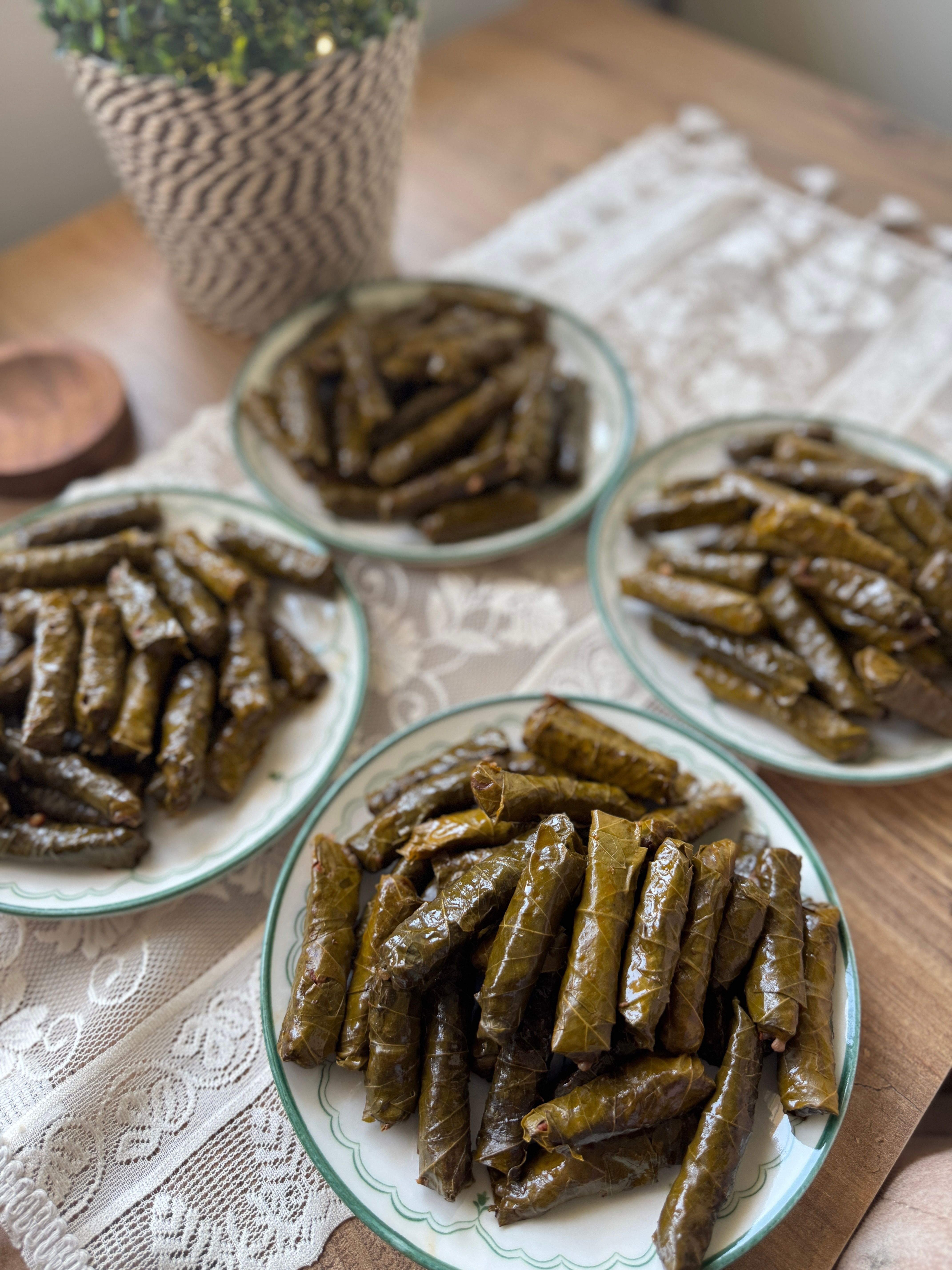
Stuffed vine leaves are often treated as a later Mediterranean classic, yet the ancient Greek habit of wrapping foods in leaves has deep roots. Cooks used fig leaves, cabbage leaves, and likely vine leaves to hold fillings of grain, herbs, and minced meat or fish.
The technique made practical sense. Leaves protected delicate fillings during cooking, added aroma, and helped portion food neatly for serving. In an olive-and-vine landscape, such wrappers were readily available and integrated into seasonal cooking habits.
What makes these early stuffed preparations feel almost divine is their elegance. They transformed modest ingredients into carefully structured bites with layers of scent and texture. That attention to form is a reminder that ancient cuisine could be thoughtful and refined, not merely rustic.
Lentil Soup, the Philosopher's Meal With Enduring Prestige
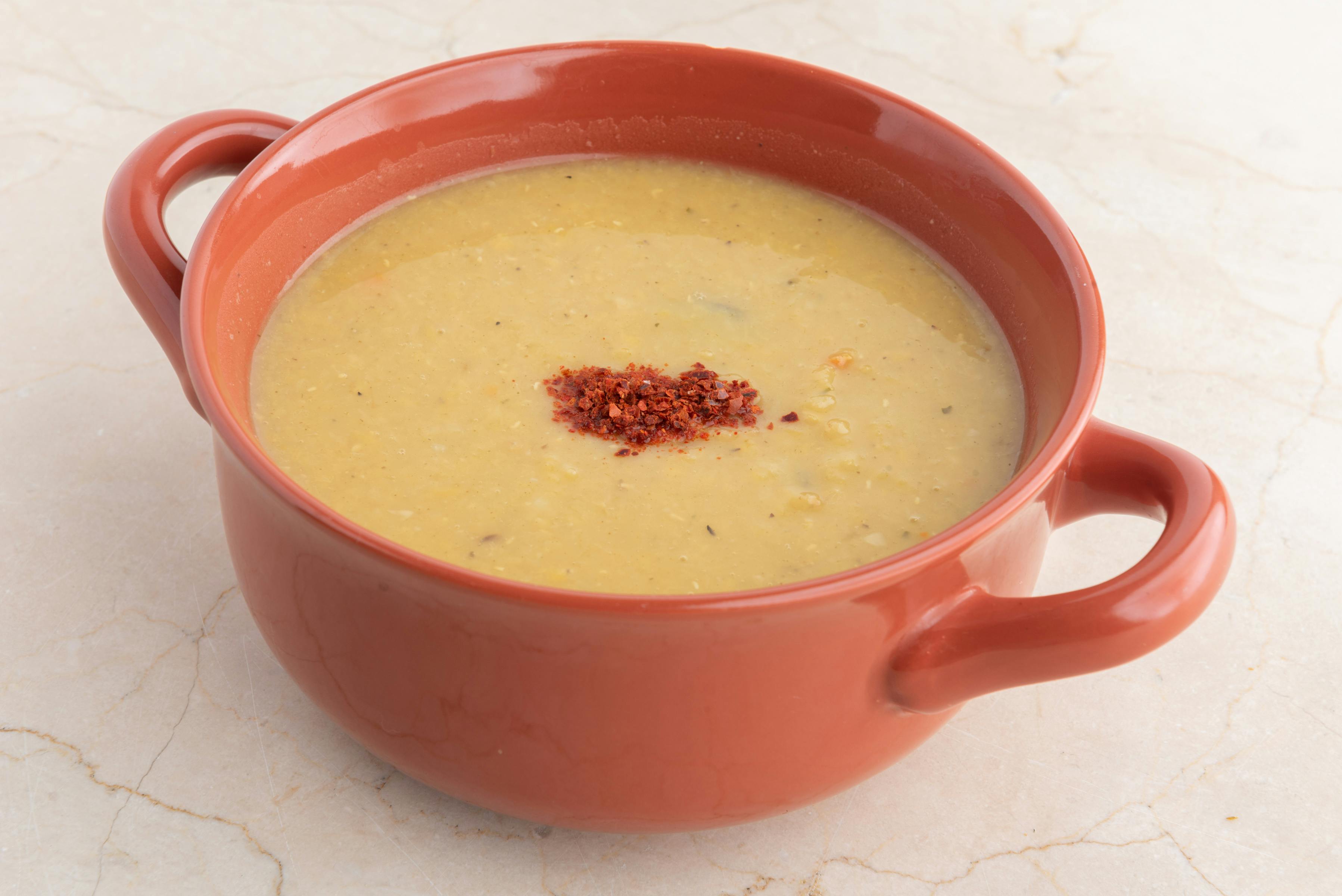
At first glance, lentil soup seems too modest for a list of godlike foods. Yet in ancient Greece, lentils were nutritionally important, widely consumed, and deeply associated with practical wisdom, frugality, and steady nourishment.
Writers from the classical world frequently mention pulses as staples of ordinary life. Lentils delivered protein, fiber, and satiety in a land where meat was often reserved for sacrifice, festivals, or elite dining. For many households, they were a dependable answer to scarcity.
Their prestige was moral rather than extravagant. Philosophers and moralists often admired simple foods that disciplined appetite while sustaining the mind. A well-made lentil soup with onions, herbs, and olive oil would have been comforting, economical, and entirely at home in a culture that valued balance.
Cuttlefish and Octopus, Seafood Prized by Cooks and Thinkers

Ancient Greek seafood culture extended far beyond generic fish. Cuttlefish and octopus appear repeatedly in texts, market scenes, and culinary references, showing that Greeks appreciated not only abundance from the sea but also the distinct qualities of specific species.
These creatures were prepared in ways that rewarded skill. They could be grilled, stewed, dried, or dressed with oil and herbs, but texture demanded careful handling. Even today, Mediterranean cooks understand that octopus can shift from tough to tender depending on timing and method.
Their popularity reflects both geography and taste. Islanders and coastal communities had ready access, while urban markets turned fine seafood into markers of connoisseurship. For a culture that linked dining with conversation, politics, and display, expertly prepared octopus or cuttlefish truly deserved a place among legendary dishes.


Leave a Reply