
Quebec does not just have a few regional specialties. It has a food culture with its own language, rituals, ingredients, and institutions, shaped by French heritage, Catholic traditions, harsh winters, and a fierce sense of identity. The result is a province where menus, markets, and mealtime habits can feel distinct enough to belong to another nation entirely.
French roots still shape the table
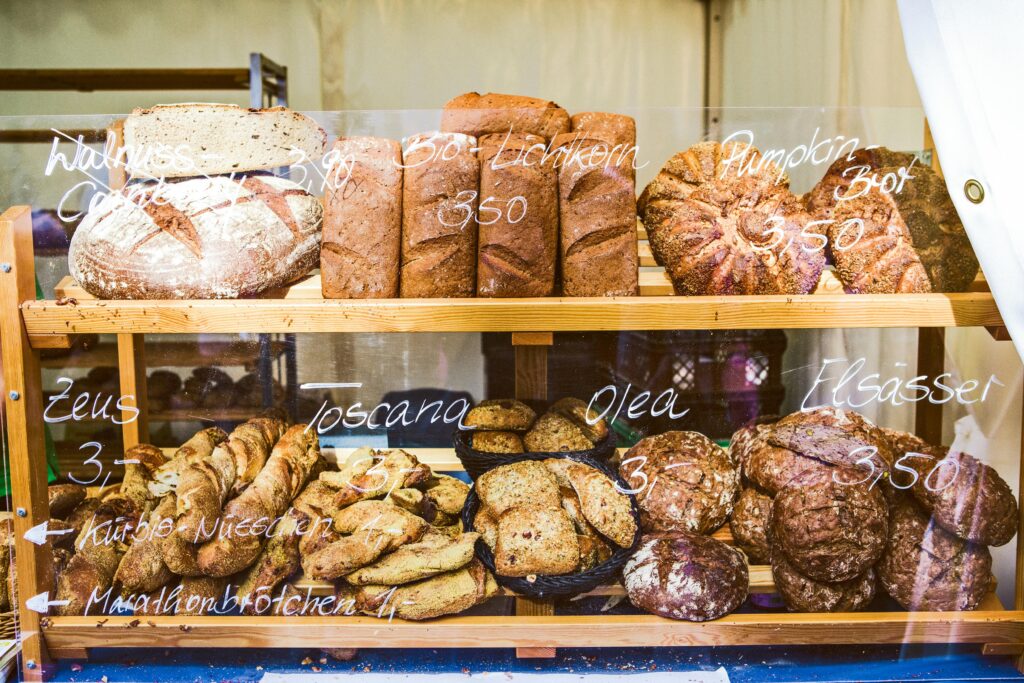
The clearest difference starts with history. Quebec's food culture grew from New France, where settlers brought French techniques, bread baking, charcuterie, soups, pâtés, and a deep respect for the structure of a meal. Even after British rule began, those habits did not disappear. They adapted to local ingredients and harsher seasons, but the French backbone stayed in place.
You can still feel that inheritance in everyday eating. Bakery culture matters, sauces matter, pork plays a major role, and meals often carry a stronger sense of tradition than in many other parts of Canada. Quebec chefs may cook globally now, but the province's culinary grammar remains recognizably French in a way that sets it apart from the rest of the country.
Poutine became a symbol, but it came from Quebec's casse-croûtes

Poutine is famous everywhere now, but its real home is Quebec's roadside snack bars and no-frills diners. In that setting, it makes perfect sense: hot fries, fresh cheese curds, and brown gravy designed for cold weather, late nights, and quick comfort. Its rise was not a marketing invention. It was local working-class food that spread because it delivered exactly what it promised.
The important part is the culture around it. Quebec's casse-croûte tradition also includes steamés, burgers, club sandwiches, and fried snacks served with local habits and vocabulary. Outside Quebec, poutine is often treated like a novelty. Inside Quebec, it belongs to a broader fast-food world with its own rules, textures, and fiercely defended standards, especially when it comes to squeaky curds.
Maple is not just a flavor, it is a season
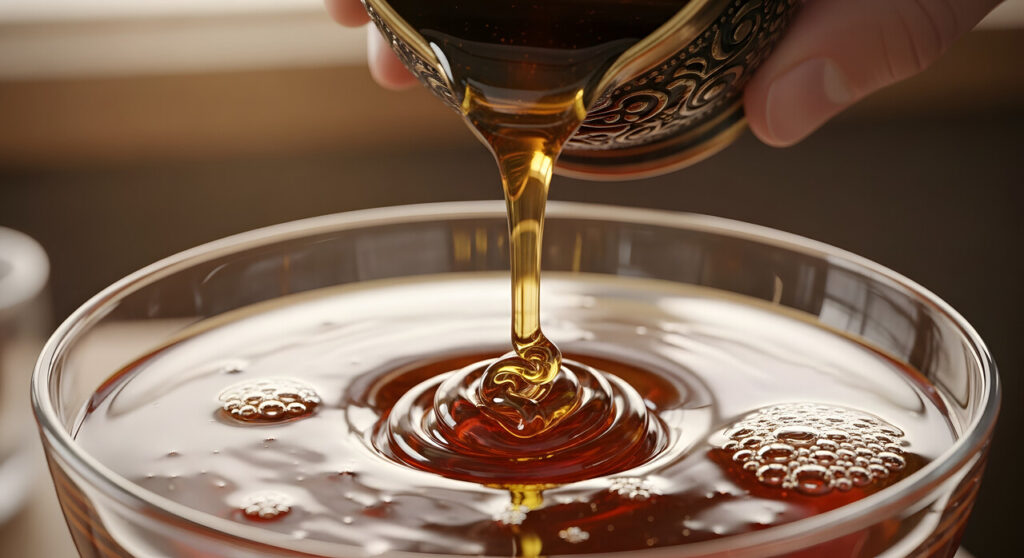
In much of Canada, maple syrup is a beloved product. In Quebec, it is practically a calendar event. The province produces the vast majority of the country's maple syrup, and sugaring season is still tied to cabane à sucre traditions that bring families and communities together at the end of winter. This is food tied to landscape, climate, and ritual in a very direct way.
That is why maple reaches far beyond pancakes. It appears in baked beans, ham, desserts, taffy on snow, and festive spring meals built around abundance after a long cold season. The sugar shack is part restaurant, part cultural institution, and part memory machine. Few other Canadian food traditions are as collective, seasonal, and identity-driven as Quebec's relationship with maple.
Pork, game, and preservation define old-school cooking
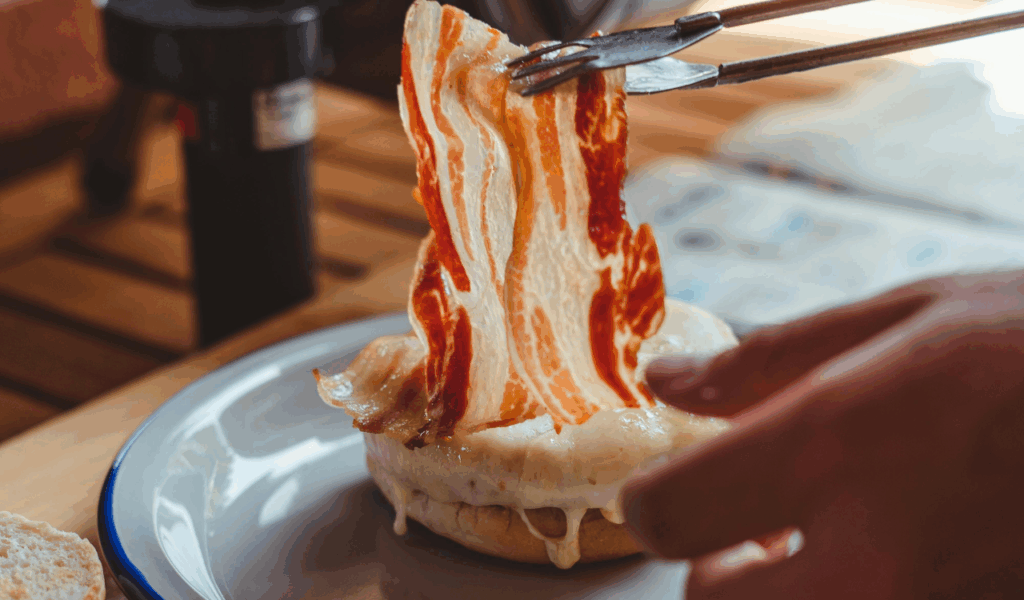
Quebec's classic cuisine was built for survival as much as pleasure. Long winters and rural life encouraged salting, smoking, curing, confit, and slow cooking, which is why dishes like tourtière, cipaille, cretons, fèves au lard, and oreilles de crisse still hold such cultural weight. These are not random old recipes. They come from a food system shaped by scarcity, seasonality, and the need to waste very little.
That practical history gives Quebec food a different personality from provinces where culinary identity leans more heavily on seafood, beef, wheat, or later immigrant restaurant cultures. In Quebec, pork is central, game has prestige, and preserving food remains part of the story. Even when these dishes are modernized, they still carry the logic of farmhouse kitchens and festive winter tables.
Cheese culture runs unusually deep
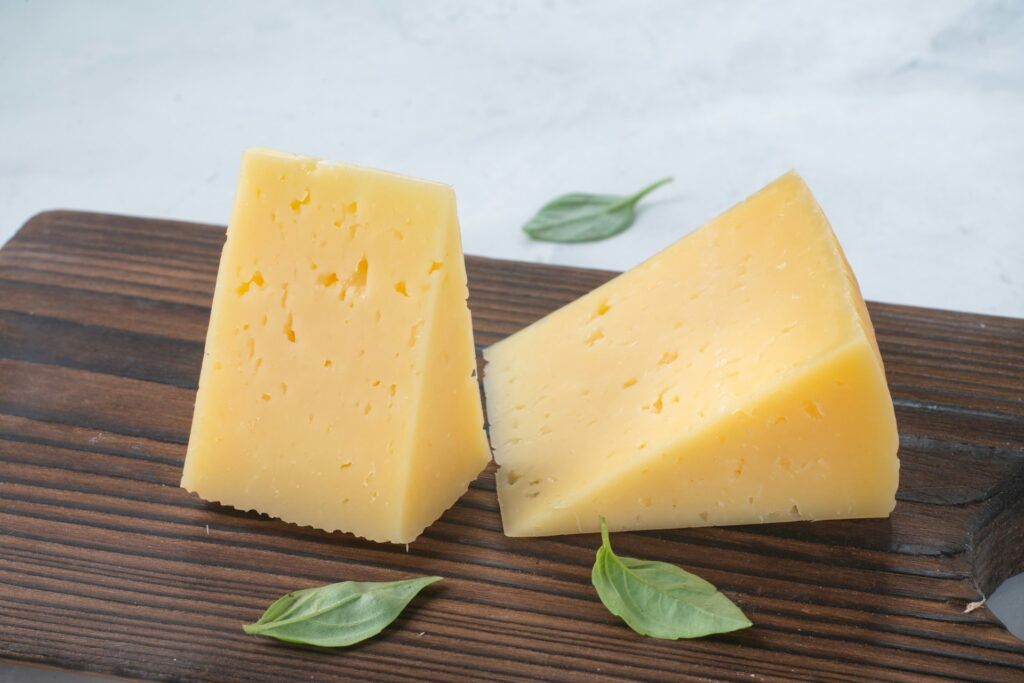
Quebec's cheese scene is one of the strongest signs that the province operates on its own culinary wavelength. While cheese is enjoyed across Canada, Quebec developed a particularly rich artisan tradition, supported by French influence, dairy farming, monastery cheeses, and a public that treats local cheese as an everyday pleasure rather than a luxury niche. Markets, fromageries, and restaurant menus reflect that familiarity.
This matters because it changes how people eat. Cheese plates, washed-rind wheels, soft farmstead cheeses, and regional specialties feel culturally embedded, not imported for effect. Fresh curds for poutine are only one piece of the puzzle. Quebec also built a serious reputation for aged and artisan cheeses that can stand alongside products from older cheese-making regions, giving the province a food confidence that feels distinctly national.
Montreal built a culinary identity unlike any other Canadian city

Montreal is one of the main reasons Quebec feels gastronomically separate. It is not just that the city has great restaurants. It developed iconic foods and dining habits that are instantly recognizable: Montreal bagels, smoked meat, Portuguese chicken, late-night diners, Jewish deli traditions, and a long-standing cafe culture that feels more European than most Canadian urban food scenes.
What makes Montreal special is the way these influences coexist without losing their edges. The city absorbed immigration through a francophone lens, producing a culinary mix that is different from Toronto's, Vancouver's, or anywhere else in the country. A bagel here is wood-fired, smaller, sweeter, and fiercely defended. Even when dishes come from elsewhere, Montreal tends to remake them in its own image.
Catholic traditions left a lasting mark on feasts and holidays

Religion shaped Quebec's old food calendar more than many Canadians now realize. For generations, Catholic customs influenced when people feasted, what they ate at Christmas, and how communities marked important times of year. Réveillon meals, meat pies, rich desserts, and family gatherings became part of a distinctive festive culture that still echoes today, even in a more secular province.
That legacy matters because food traditions often survive after belief systems weaken. Many Quebec households still return to older holiday dishes not out of obligation, but because the menu itself carries memory and identity. The result is a cuisine with ceremonial depth. Seasonal meals are not only about taste. They connect people to parish life, rural ancestry, and a shared cultural past that remains unusually vivid.
Quebec protects its food identity with unusual pride

What truly makes Quebec feel separate is not only the food itself, but the way people talk about it, defend it, and build institutions around it. Local products, regional specialties, French terminology, and farm-to-table traditions are often treated as part of a broader cultural heritage worth protecting. That spirit shows up in public markets, culinary tourism, appellation efforts, and the prestige given to local producers.
In other words, Quebec does not approach food as an afterthought. It treats cuisine as one of the clearest expressions of who it is. That creates a stronger continuity between farmers, chefs, diners, and tradition than in many places. When a province sees its table as part of its identity project, the result can feel less like a regional cuisine and more like the food culture of a small nation.



Leave a Reply