
Food is never just food when you grew up worrying about whether there would be enough of it. Early scarcity can shape appetite, emotions, shopping habits, and even what feels "safe" to eat years later. These eight reasons help explain why many people who grew up poor carry a complicated, lasting relationship with food, even after they are financially secure.
Scarcity teaches the body to stay on alert
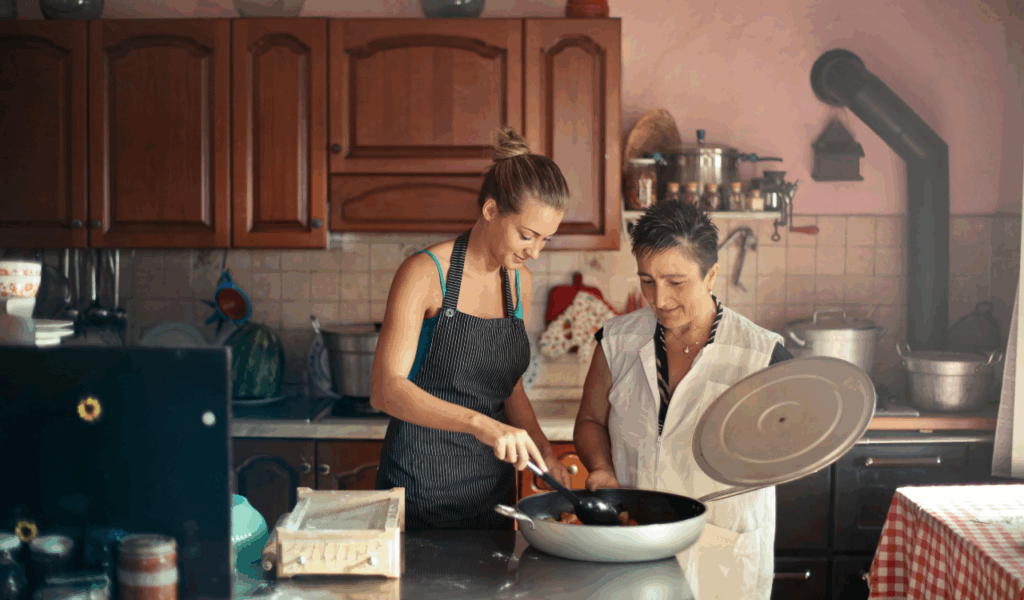
When food was uncertain in childhood, the body often learned that hunger was not a passing inconvenience. It was a real signal that resources could disappear, and that lesson can stay deeply wired into daily life. Even years later, an empty fridge or a missed meal can trigger outsized anxiety.
Researchers who study food insecurity have found that irregular access to food can change how people respond to hunger and fullness. The result is not simply "bad habits." It is a nervous system that learned to stay prepared, stock up, and treat abundance as temporary because, at one point, it truly was.
Finishing everything becomes a moral rule
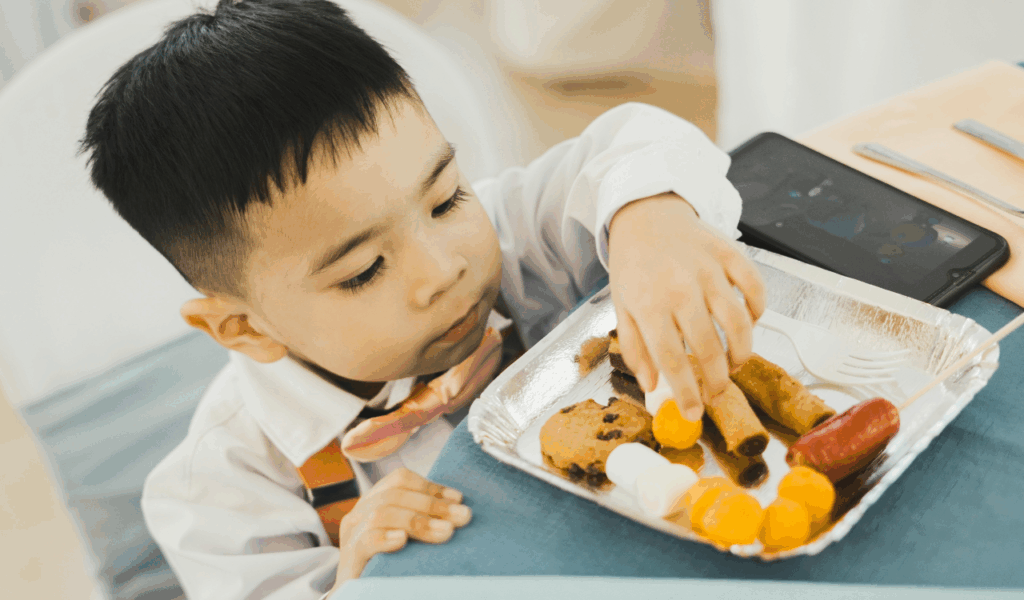
For many families with very little, leaving food on the plate was never seen as casual waste. It could feel disrespectful, irresponsible, or painfully out of touch with how hard that meal was to provide. Children absorb that message quickly, and it often becomes part of their identity.
Later in life, that can make portion control surprisingly emotional. People may eat past fullness because throwing food away still feels wrong at a gut level. The behavior is not just about appetite. It is tied to memory, family pressure, and the long shadow of knowing that once upon a time, every leftover bite mattered.
Cheap comfort foods become the definition of satisfaction

The foods that kept many low-income households going were often inexpensive, filling, and dependable. Think boxed pasta, white bread, instant noodles, fried foods, processed snacks, and sugary drinks. They were not chosen because nobody cared about health. They were chosen because they stretched, lasted, and soothed.
That matters later because taste is deeply shaped by repetition and emotion. If the foods linked to relief, celebration, and full stomachs were cheap comfort foods, more expensive or lighter options may never feel quite as satisfying. Financial security can change what someone can buy, but it does not automatically rewrite what their brain recognizes as comfort and safety.
Stockpiling food can feel safer than spending money
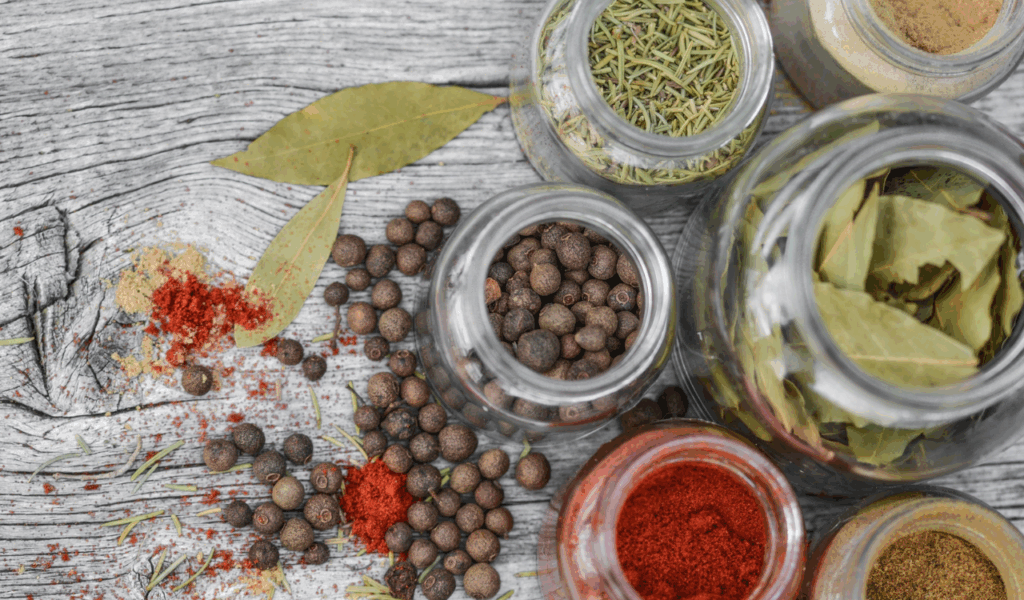
Some people who grew up poor feel calmer when the pantry is full, the freezer is packed, and backups have backups. On the surface, that can look excessive, especially if their income now covers regular grocery trips. But emotionally, a stocked kitchen can represent protection, control, and relief.
Studies on food insecurity show that unpredictability creates powerful habits around storing and saving food. Buying extra jars, bulk packs, or duplicate staples may not be about greed or poor planning. It can be a leftover survival strategy, built during years when running out was a real possibility and having "enough" never felt guaranteed.
Treat foods can carry intense emotional weight
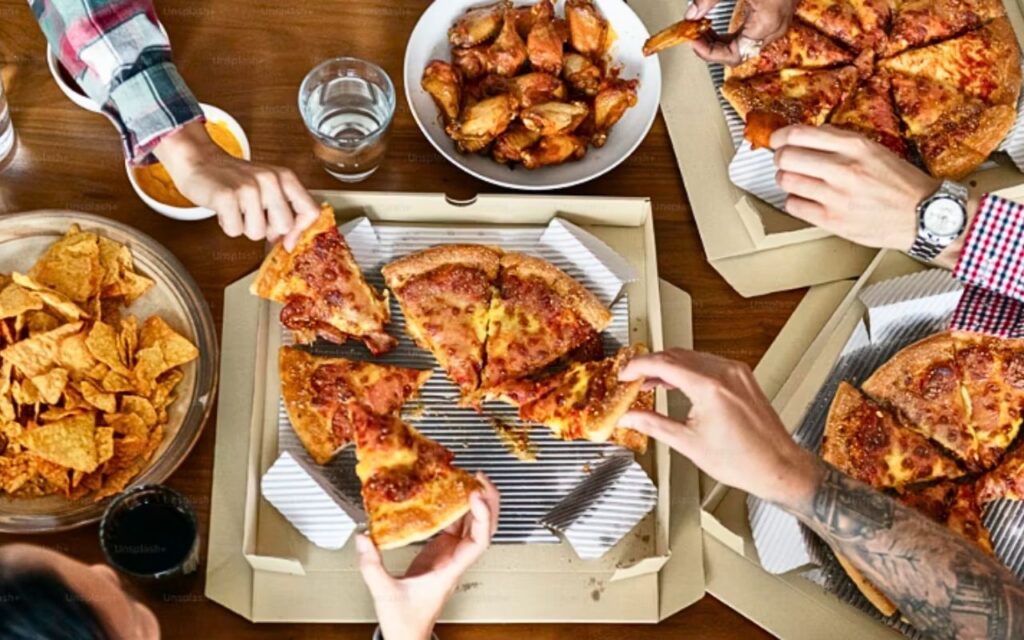
In households where money was tight, restaurant meals, brand-name snacks, or dessert after dinner were often rare events. Because they were rare, they became loaded with meaning. A fast-food meal could feel like a celebration. A favorite snack could signal a good week, a kind parent, or a brief break from stress.
As adults, people may still attach powerful feelings to those foods. They are not just cravings. They can be symbols of reward, dignity, and being cared for. That emotional charge helps explain why some foods remain hard to resist even when someone now has access to wider, healthier, or more expensive choices.
Food choices were shaped by stress, not preference
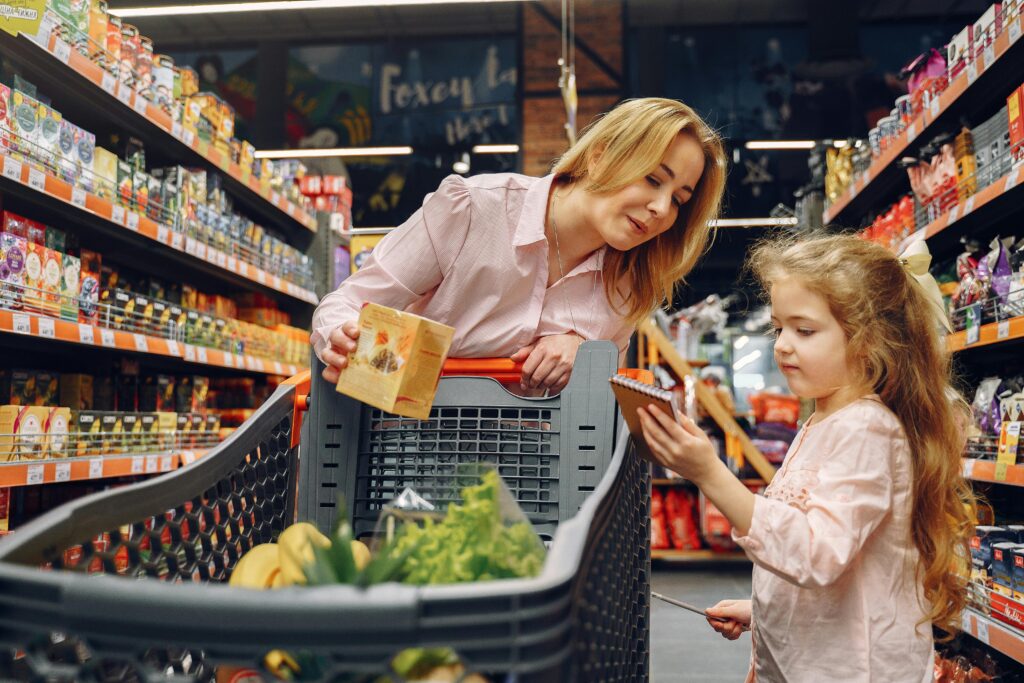
Poverty affects food through pressure from every direction: low wages, limited transportation, unsafe neighborhoods, long work hours, crowded housing, and fewer nearby stores with fresh options. In many places, families do not choose between kale and cookies. They choose between what is affordable, reachable, and filling before the next bill is due.
That reality teaches people to prioritize certainty over ideal nutrition. Over time, those practical decisions become normal and familiar. Even after life improves, the old logic can persist. Buying shelf-stable foods, skipping expensive produce, or choosing fast meals may still feel sensible because they were once smart responses to chronic stress.
Shame and secrecy can get wrapped up in eating
Growing up poor often means learning early that food can expose a family's struggles. Kids notice free lunch lines, generic packaging, empty cupboards, and the embarrassment of not having what other children have. Those moments can create shame that lingers long after the material hardship has changed.
As adults, that can show up in complicated ways. Some people overbuy to avoid ever looking deprived. Others hide eating habits, eat quickly, or feel uneasy about being judged for what they order. The issue is not vanity. It is the memory of food once serving as public evidence of what they lacked, and the lasting urge to never feel that exposed again.
Abundance can feel temporary, even after success
One of the hardest parts of outgrowing poverty is that the mind does not always catch up with the paycheck. Someone may earn well, own a home, and have a stable routine, yet still feel that security could vanish with one emergency. Food becomes one of the most visible places where that fear lives.
This is why old instincts can survive promotions, savings accounts, and years of stability. Eating quickly, buying too much, guarding leftovers, or panicking at the thought of waste are often expressions of a deeper belief that comfort can disappear. When scarcity shaped the early years, abundance may feel real, but not always permanent.




Leave a Reply