
For many people, eating alone at a restaurant starts as a practical choice and ends up becoming a real shift in perspective. Without the usual conversation, compromise, or social performance, food often comes into sharper focus. These are the reasons solo diners say the experience changed not just how they eat out, but how they think about food itself.
They pay closer attention to flavor
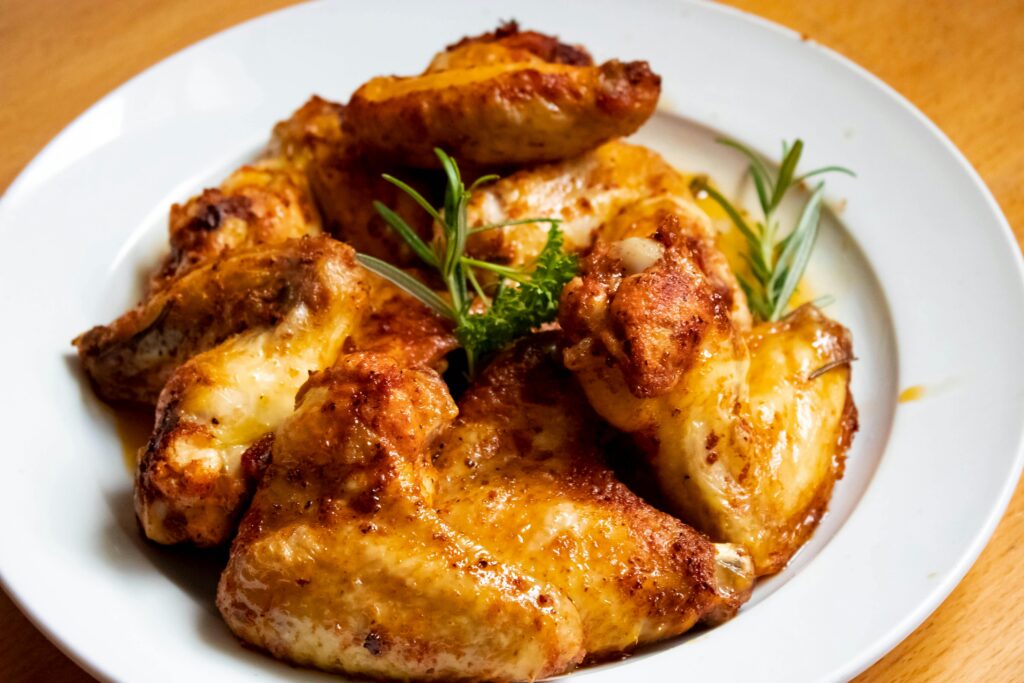
When people eat alone, they often notice taste in a way they do not during group meals. There is no need to keep up a conversation, react quickly, or split attention between the table and the plate. That quiet changes the meal.
Many solo diners say they begin catching details they used to miss, like acidity, texture, temperature, and how a dish changes from the first bite to the last. A sauce feels more deliberate. A garnish seems less decorative and more functional.
That kind of attention can make restaurant food feel less like background entertainment and more like a crafted experience. For some, it becomes the first time they truly understand why chefs build dishes the way they do.
They stop ordering to please other people

Dining with others often comes with subtle pressure. People may pick a lighter dish, avoid something messy, skip dessert, or order what feels socially appropriate for the group. Eating alone removes that layer almost instantly.
Solo diners frequently say they become more honest about what they actually want. If they are craving fries, oysters, pancakes at dinner, or the richest pasta on the menu, they order it without explaining themselves. That freedom can be surprisingly revealing.
Over time, many realize how often their food choices were shaped by mood, etiquette, or other people's expectations rather than appetite. Eating alone gives them a cleaner read on preference, which can make every future meal feel more intentional.
They become more aware of hunger and fullness
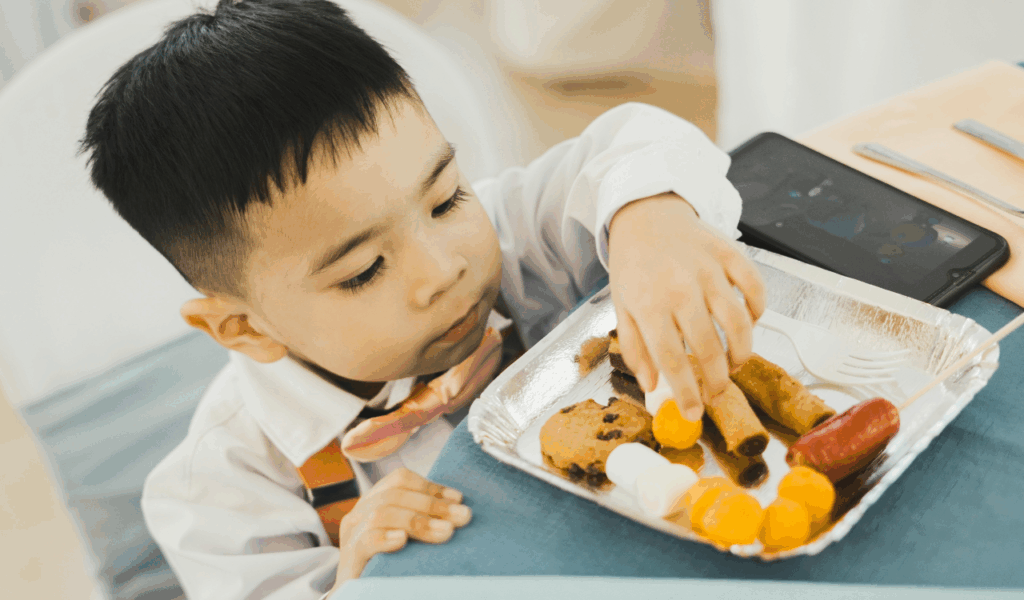
A solo meal can make the body easier to hear. Without the pace of group conversation or the distraction of matching everyone else's rhythm, diners often eat more naturally. They pause when they want to pause and continue when they are still hungry.
That sounds simple, but it can be a major shift. Research on mindful eating has long suggested that attention affects intake, satisfaction, and memory of a meal. People who eat alone often report that they leave feeling comfortably full rather than accidentally overstuffed.
They also become better at noticing what kind of hunger they brought to the table. Was it physical hunger, stress, habit, or reward-seeking? Restaurant meals start to feel less automatic and more informative.
They appreciate the work behind the meal more deeply
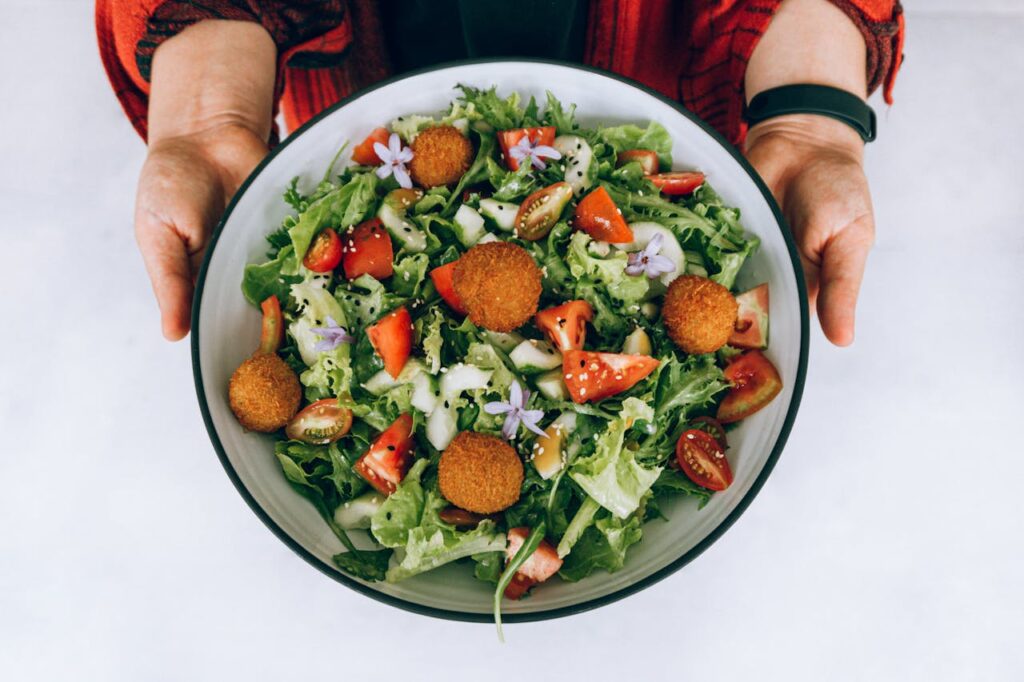
Without the pull of table chatter, many diners start observing the restaurant itself. They notice the timing of courses, the precision of plating, the server's awareness, and the way a kitchen manages flow. The meal becomes more than what is on the fork.
People who dine alone often say this gives them a stronger respect for hospitality as skilled labor. A warm greeting, a perfectly timed refill, or a dish arriving at the right temperature no longer feels invisible. It feels earned.
That shift can change how they think about value. They are not just paying for ingredients. They are paying for coordination, expertise, and care, which makes the experience of eating out feel richer and more complete.
They become more adventurous with what they order
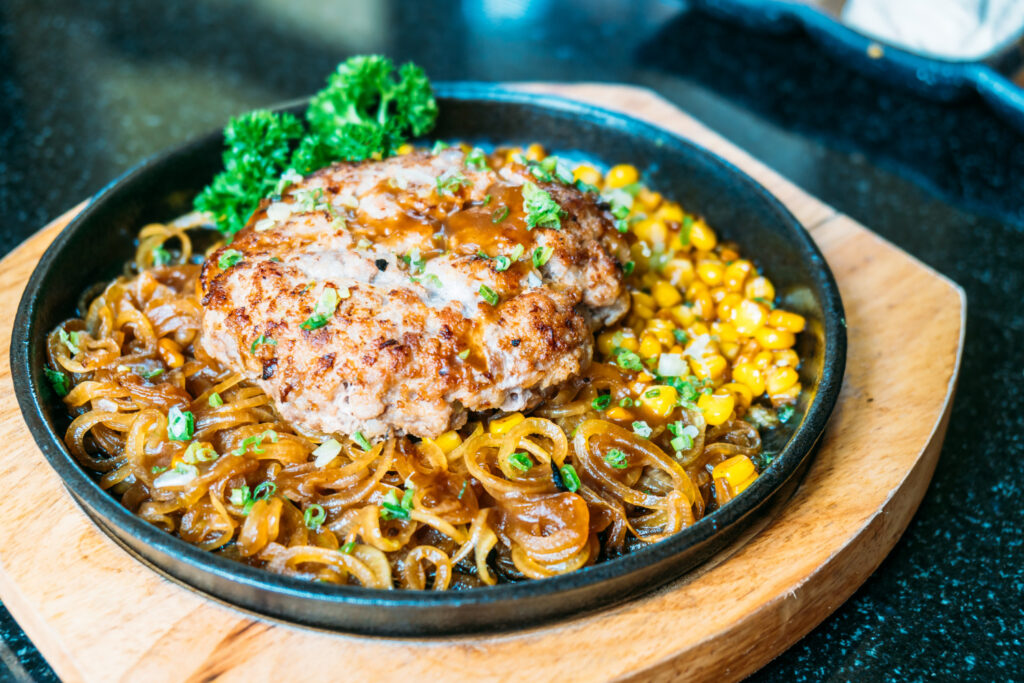
A table for one can be a surprisingly good place to get brave. Without needing consensus from friends or worrying whether a dish will be understood, many solo diners say they start ordering foods they once avoided.
That might mean trying a regional specialty, choosing the unfamiliar fish, or saying yes to a tasting menu. The risk feels smaller because the experience belongs entirely to them. If they love it, great. If not, it is still their own discovery.
This openness often changes how they define good eating. Food stops being only about comfort and starts becoming about curiosity. For many people, eating alone turns restaurants into places of learning, not just places to get fed.
They see restaurants as places for reflection, not just socializing
Many people grow up treating restaurants mainly as social spaces. Birthdays, dates, work lunches, and catch-ups shape the idea that eating out is something done with company. Solo dining quietly expands that definition.
People often describe the experience as restorative. A meal alone can feel like a reset in the middle of a hectic day or a small act of self-respect at the end of one. The restaurant becomes a setting for thinking, observing, and slowing down.
That change matters because it breaks the idea that a good meal needs an audience. Food can be communal, but it can also be private in a satisfying way. Eating out alone teaches that both forms have value.
They spend differently and think harder about value

When people dine alone, the bill feels more direct. There is no splitting shared plates, no rounds of drinks ordered by the table, and no momentum pushing everyone toward extras. That can make solo diners more exact about what they value.
Some choose to spend less because they realize they do not need the full social ritual. Others spend more on one excellent dish or a better glass of wine because they are focusing on quality over occasion. Either way, the spending becomes more deliberate.
This often leads to a broader rethink about food economics. Diners start asking whether they want quantity, novelty, convenience, craftsmanship, or comfort. Eating alone can sharpen not only taste, but judgment.
They learn that enjoying food does not require permission
For some people, the biggest change is emotional rather than culinary. Sitting alone in a restaurant can feel exposed at first because many cultures still treat solo dining as unusual, lonely, or transitional. Once that discomfort passes, something important often clicks.
People realize they do not need a companion, a celebration, or a special excuse to enjoy a good meal. Pleasure stops feeling like something that must be justified. It becomes something they are allowed to claim on an ordinary day.
That insight can travel far beyond restaurants. It reshapes how people cook at home, shop for ingredients, and make time for themselves. Food becomes less about permission and more about presence, choice, and care.




Leave a Reply