
Some of Canada's most recognizable foods were never part of a careful master plan. They emerged from kitchen mishaps, supply problems, improvised recipes, and spur-of-the-moment ideas that unexpectedly struck a chord with the public. This gallery explores eight Canadian classics with accidental or highly unplanned beginnings, and how those humble moments turned into products, restaurant staples, and grocery categories worth millions, and in some cases, far more.
Poutine
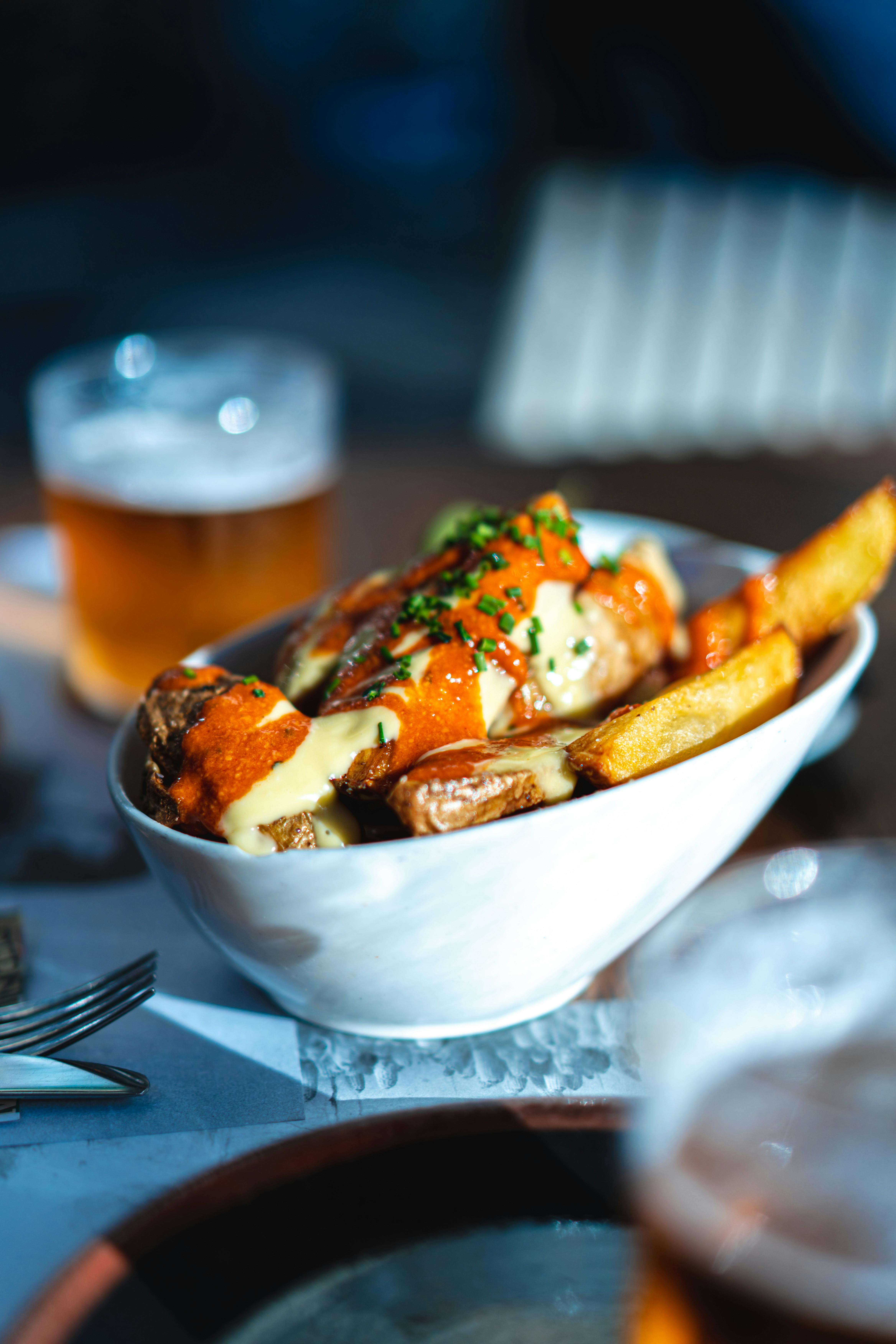
Few foods look less planned than poutine, and that is part of its charm. In rural Quebec in the late 1950s, the dish is widely linked to restaurant owners who were asked to toss fresh cheese curds into hot fries, then finish the pile with gravy. What began as a rough, improvised combination quickly became unforgettable.
Its rise was not immediate everywhere. For years, poutine was seen as local diner fare, but fast-food chains, sports venues, and frozen-food makers helped carry it nationwide. Today it supports restaurants, packaged food lines, and endless specialty versions, turning an offhand roadside creation into one of Canada's biggest comfort-food businesses.
Hawaiian Pizza

The name points to the tropics, but the story is unmistakably Canadian. In 1962, Sam Panopoulos and his brothers, Greek immigrants running the Satellite Restaurant in Chatham, Ontario, decided to try canned pineapple on pizza. The move was inspired by a spirit of experimentation, not tradition, and it was considered unusual enough to feel almost like a joke.
Instead, the sweet-salty combination connected with diners in a big way. Hawaiian pizza spread through family restaurants, delivery chains, frozen pizza aisles, and international menus. Whether people love it or argue about it, its commercial power is undeniable. A casual topping experiment in Ontario became one of the most profitable pizza varieties in the world.
Nanaimo Bars

This dessert feels polished now, but its roots are much more homespun. Nanaimo bars grew out of the no-bake square tradition popular in Canadian home kitchens, especially when cooks wanted something rich without using the oven. In British Columbia, local recipe exchanges and women's auxiliary cookbooks helped shape and spread the layered treat rather than any single formal invention.
That accidental, community-built history became a major advantage. The bar's custard filling, chocolate top, and crumb base made it ideal for bakeries, cafés, packaged desserts, and holiday gift boxes. What started as an informal, evolving recipe became a signature Canadian sweet with serious retail reach at home and abroad.
Butter Tarts
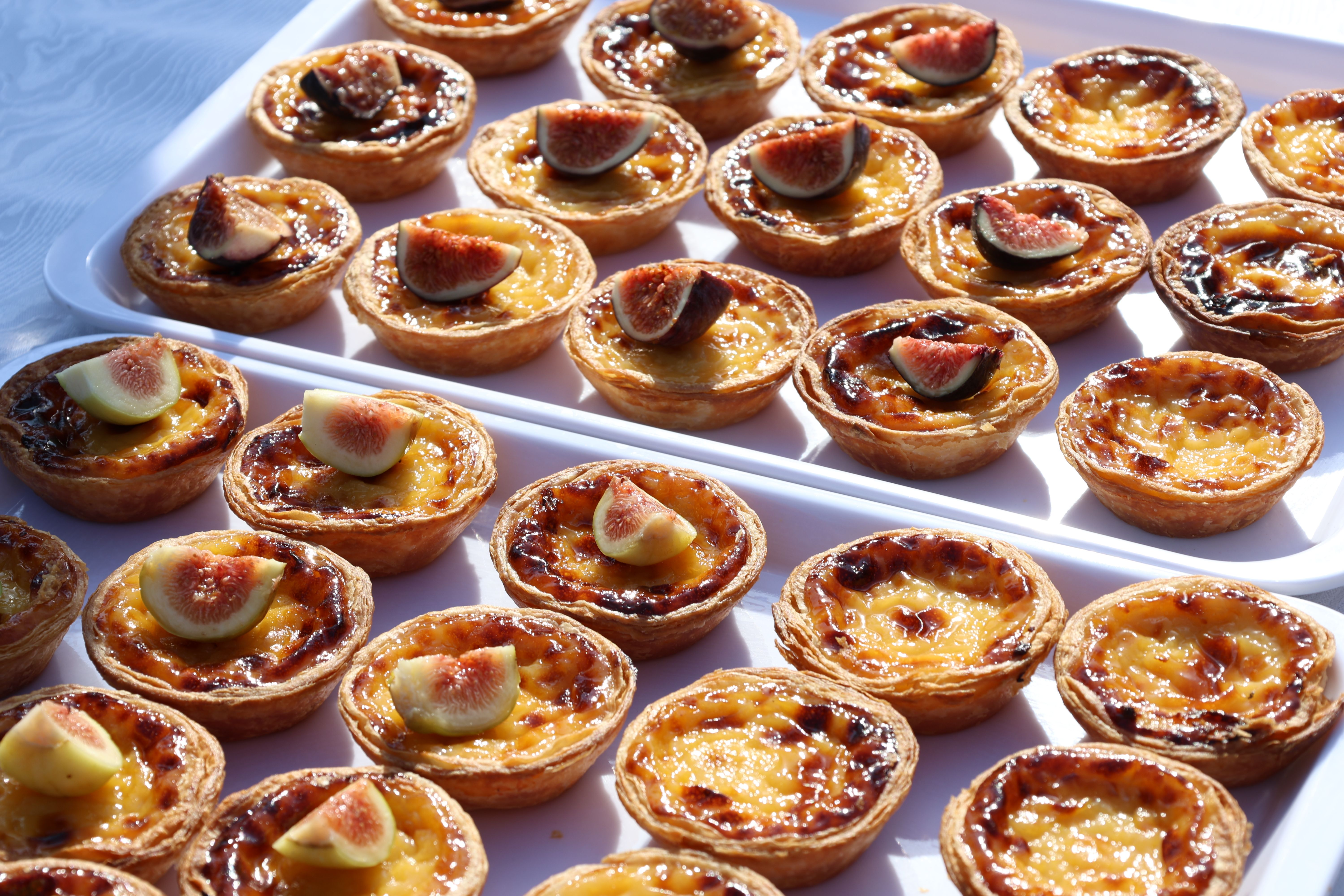
Butter tarts were born from practical baking more than precision pastry. Early Canadian cooks, especially in Ontario, often relied on simple pantry ingredients such as butter, sugar, syrup, and eggs to create rich fillings for small shells. The result was likely less a single invention than a thrifty adaptation, shaped by what households had on hand and refined through repetition.
That modest origin helped make butter tarts endlessly marketable. Every bakery, café, supermarket, and festival can put its own spin on the classic, from runny to firm, plain to raisin-filled. The tart's shelf appeal and nostalgic pull turned an improvised rural dessert tradition into a dependable commercial category across Canada.
The Caesar
The Caesar was created in Calgary in 1969, and its origin story is refreshingly practical. Restaurant manager Walter Chell was developing a signature drink for a new Italian restaurant and drew inspiration from spaghetti alle vongole, or pasta with clams. By mixing vodka, clam and tomato juice, Worcestershire, and spices, he landed on something entirely new by following a flavor idea that could easily have gone nowhere.
Instead, the Caesar became a national institution. Bottled mixes, ready-to-drink cans, bar menus, and brunch culture transformed the cocktail into a huge beverage business. It remains one of Canada's most distinctive drinks, proving that a surprisingly odd experiment can become a lasting commercial powerhouse.
Ketchup Chips

Ketchup chips seem inevitable now, but their success came from the snack industry's habit of constant trial and error. Canadian chip makers spent decades testing bold flavor powders that could mimic familiar foods, and ketchup, with its sweet, tangy, salty profile, turned out to be unusually effective on a crisp. What might have been just another limited run found a very loyal audience.
Once the flavor clicked, manufacturers had a category they could own. Ketchup chips became a powerful supermarket seller, a cultural shorthand for Canadian snacking, and a recurring export curiosity. Their rise shows how an experimental seasoning idea, born in food labs and market tests, can grow into a major packaged-food revenue stream.
Peameal Bacon Sandwiches

Toronto's famous peameal bacon sandwich owes its existence to preservation, not trend forecasting. In the 19th century, pork packer William Davies is often credited with rolling cured pork loin in ground yellow peas so it would travel better and keep its exterior dry. Later, cornmeal replaced peameal, but the name stuck, and so did the product.
That practical packing choice became a defining market food and deli staple. St. Lawrence Market helped cement the sandwich as a Toronto icon, while processors and restaurants kept demand steady. What started as a useful coating method evolved into a branded culinary identity with lasting commercial value in retail and food service.
Ginger Beef

Ginger beef is one of the clearest examples of culinary improvisation paying off. The dish is widely associated with Calgary chef George Wong, who in the 1970s adapted Chinese cooking techniques and local tastes to create crispy strips of beef in a sweet, gingery, savory sauce. It was not an old imported classic. It was a new response to what diners actually wanted.
That accidental fit between regional preference and restaurant creativity gave Chinese Canadian menus a breakout hit. Ginger beef spread from local dining rooms to takeout counters, food courts, and ready-made meals. It helped define Western Canadian Chinese food and proved that an inventive house specialty can become a durable business driver.



Leave a Reply