
A trip down the grocery aisle can reveal how two neighboring countries quietly do everyday life very differently. In Canada and the United States, many staples look similar at first glance, but labels, ingredients, pricing, and even the milk section can tell a very different story. Here are eight grocery store differences Canadians notice quickly, then bring up for years with a knowing smile.
Milk in Bags Still Feels Like a National Personality Test

Nothing starts this conversation faster than milk packaging. In several parts of Canada, especially Ontario and the Maritimes, shoppers still buy some milk in plastic bags sold in larger multi-bag bundles. In the United States, jugged milk is the standard almost everywhere, so the Canadian version often looks baffling at first glance.
Canadians like pointing out that bagged milk uses less plastic than hard jugs in some formats and stores efficiently in the fridge once placed in a reusable pitcher. It is not universal across Canada, which is an important detail, but where it exists, it has become a tiny badge of practical national distinctiveness.
The smugness comes from how ordinary it feels to Canadians who grew up with it. Americans often react like they have discovered a strange grocery experiment, while Canadians respond as if the real mystery is why everyone else is carrying around so much rigid plastic.
Eggs Are Usually Refrigerated in Both Places, but the Story Behind Them Is Different

This one gives Canadians a reliable sense of food-safety confidence. In both Canada and the United States, eggs are commonly sold refrigerated in grocery stores. The big difference is that Canada often gets folded into broader international egg conversations, and Canadians are quick to stress that their system feels tightly controlled and familiar.
Canadian egg production is governed through supply management and national grading rules, which helps create a steady retail standard. American shoppers also buy regulated eggs, of course, but the U.S. market is larger, more fragmented, and often discussed alongside recalls, washing practices, and refrigeration rules in a more public way.
What Canadians really brag about is not that eggs are magically different on the shelf. It is that the whole system feels orderly, traceable, and a little less chaotic, which is exactly the kind of low-key flex Canadians enjoy making.
Kinder Surprise Is an Everyday Candy, Not a Borderline Contraband Item

Few grocery-store facts delight Canadians more than this one. In Canada, Kinder Surprise has long been a totally normal checkout-lane treat, sold in supermarkets, convenience stores, and drugstores without drama. In the United States, the original version was banned for years because federal rules restrict food products with non-nutritive objects embedded inside.
That legal distinction turned a simple chocolate egg into a cultural talking point. Canadians grew up cracking open the shell, finding the capsule, and moving on with their lives. Americans often encountered the product as a curiosity, a travel souvenir, or something discussed more for its legal status than its taste.
Even with later U.S. versions designed to comply with regulations, Canadians still see the original as proof that their grocery experience can feel a touch more relaxed. It is hard not to sound smug when your childhood candy doubles as an international conversation starter.
Cheese Standards Feel More Familiar and Less Processed

Canadians tend to get especially confident in the dairy aisle. Canada has clear compositional standards for many cheeses, and shoppers often feel that supermarket cheese, while hardly all artisanal, lands closer to what the label promises. In the United States, the cheese section is enormous and varied, but it also includes a wider parade of processed cheese foods and slices that Canadians love to tease.
This is partly about regulation and partly about shelf culture. Canadian stores absolutely sell processed cheese too, but the labeling framework and smaller market often make the distinction between real cheese and cheese product feel easier to spot. That matters to shoppers who pay attention to ingredients and naming.
The Canadian brag here is subtle. It is not that every cheddar north of the border is superior. It is that many Canadians believe their average grocery-store cheese experience contains fewer identity crises wrapped in shiny plastic.
Food Labels Often Look Simpler Because Bilingual Packaging Forces Clarity
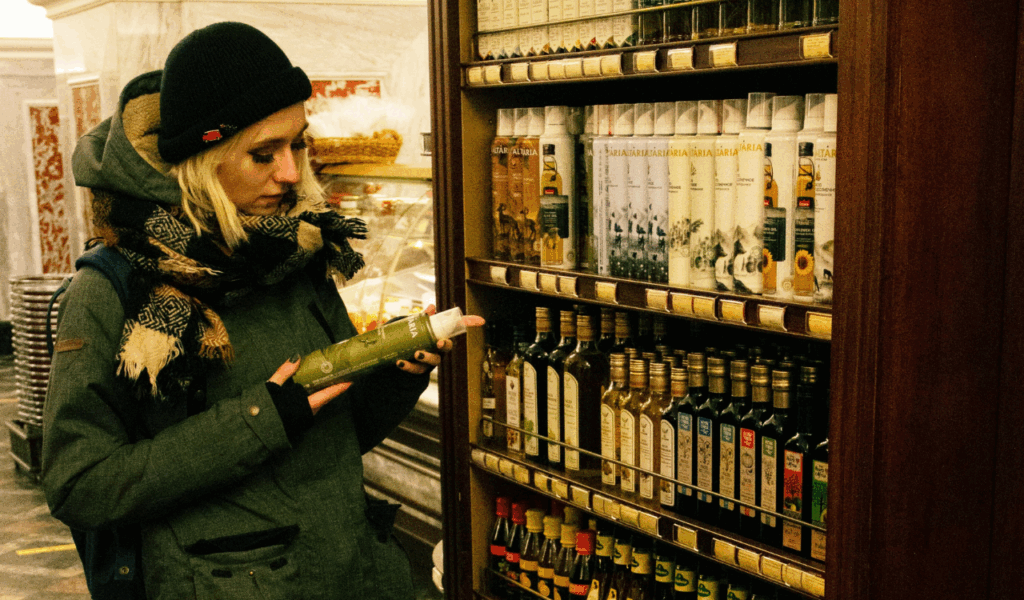
Canada's bilingual packaging creates one of those differences that looks cosmetic until you shop with it. Because labels typically need both English and French, brands often present information in a more structured, disciplined way. Ingredient lists, nutrition facts, and storage details can feel easier to scan simply because packaging has less room for marketing sprawl.
There is also a stronger sense of consistency from product to product. Canadian nutrition labeling rules and standardized panels make shelves feel visually calmer, even when the products themselves are almost identical to what Americans buy. The effect is subtle but real when you spend enough time comparing boxes, cans, and frozen meals.
Canadians enjoy acting as though this makes them naturally more informed shoppers. That may be a stretch, but there is a fair point underneath the pride. When packaging has to work harder with space, the result often feels cleaner and more direct.
Butter and Dairy Can Taste Different Because the Supply System Is More Controlled

This is where Canadians shift from playful teasing to serious conviction. Canada's dairy sector operates under supply management, a system that controls production, pricing, and imports. Supporters argue that it creates stability for farmers and more predictable quality for consumers, especially in basics like milk, butter, cream, and yogurt.
American dairy is broader, cheaper in some cases, and built around a far larger market with more dramatic swings in pricing and competition. That means U.S. shoppers can see more variation in products and prices, depending on region and retailer. Canadians, by contrast, often describe their dairy aisle as steadier and more uniform.
The smug part is easy to spot. Canadians know they usually pay more, but many are convinced the consistency is worth it. If you mention butter texture, cream richness, or milk taste, prepare for a national lecture disguised as a casual opinion.
Snack Flavors and Candy Choices Feel More Distinctly Local
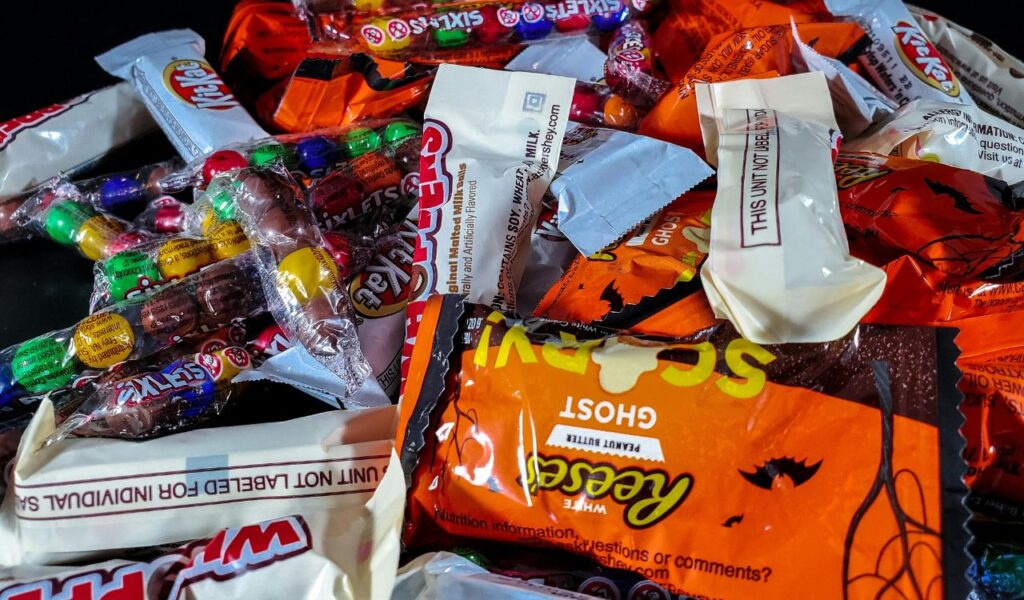
Every country thinks its snack aisle is special, but Canada actually has a strong case. Walk through a Canadian grocery store and you will see familiar American brands alongside products and flavors that feel distinctly Canadian, from ketchup chips and all-dressed chips to Coffee Crisp, Smarties, and a wider mainstream embrace of certain British and Commonwealth imports.
The United States has a far bigger snack market, but bigger does not always mean more distinctive. American shelves can feel dominated by endless variations of the same major brands, while Canada's smaller market has preserved a few beloved oddities with surprising staying power. That makes snack shopping feel more personality-driven.
Canadians love this point because it combines nostalgia with evidence. It is hard to argue with a shelf that contains both mainstream staples and flavors Americans often describe with a mix of confusion and envy. Grocery smugness tastes better with seasoning on it.
Unit Pricing and Shelf Information Often Feel More Transparent
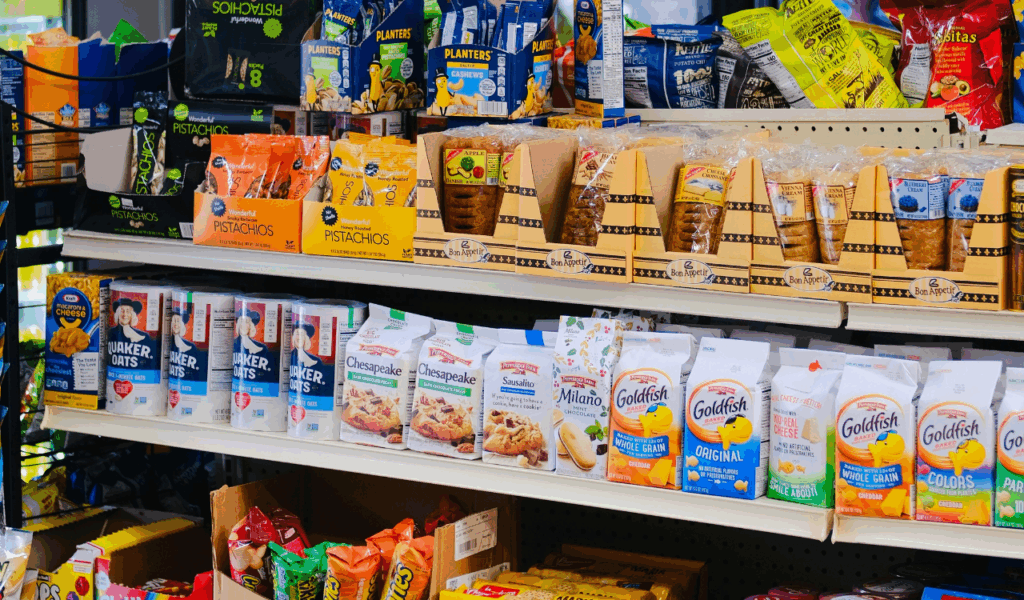
For a lot of Canadians, the real flex is not exotic products at all. It is the everyday usefulness of shelf tags, unit pricing, and bilingual product information that can make comparison shopping feel straightforward. While unit pricing exists in many American stores too, its consistency and readability can vary more by state, chain, and retailer.
Canadian shoppers often notice that grocery shelves feel easier to decode at a glance. Price per 100 g, clear package sizing, and tidy label formats can reduce the guesswork when comparing brands or package sizes. In a country where groceries are expensive, that practicality matters more than shoppers would like to admit.
This is the kind of brag that sounds boring until you are trying to compare three jars of peanut butter in thirty seconds. Canadians may not say it dramatically, but they do enjoy the quiet sense that their stores ask for a little less detective work.




Leave a Reply