There is something about a Canadian winter that changes the way food hits the table. When the temperature drops and daylight fades early, rich, warm, familiar dishes stop feeling like simple meals and start feeling like a survival strategy. Drawing on comfort-food trends Canadians themselves lean toward in winter, this gallery explores eight foods that somehow become more delicious the colder it gets.
Poutine
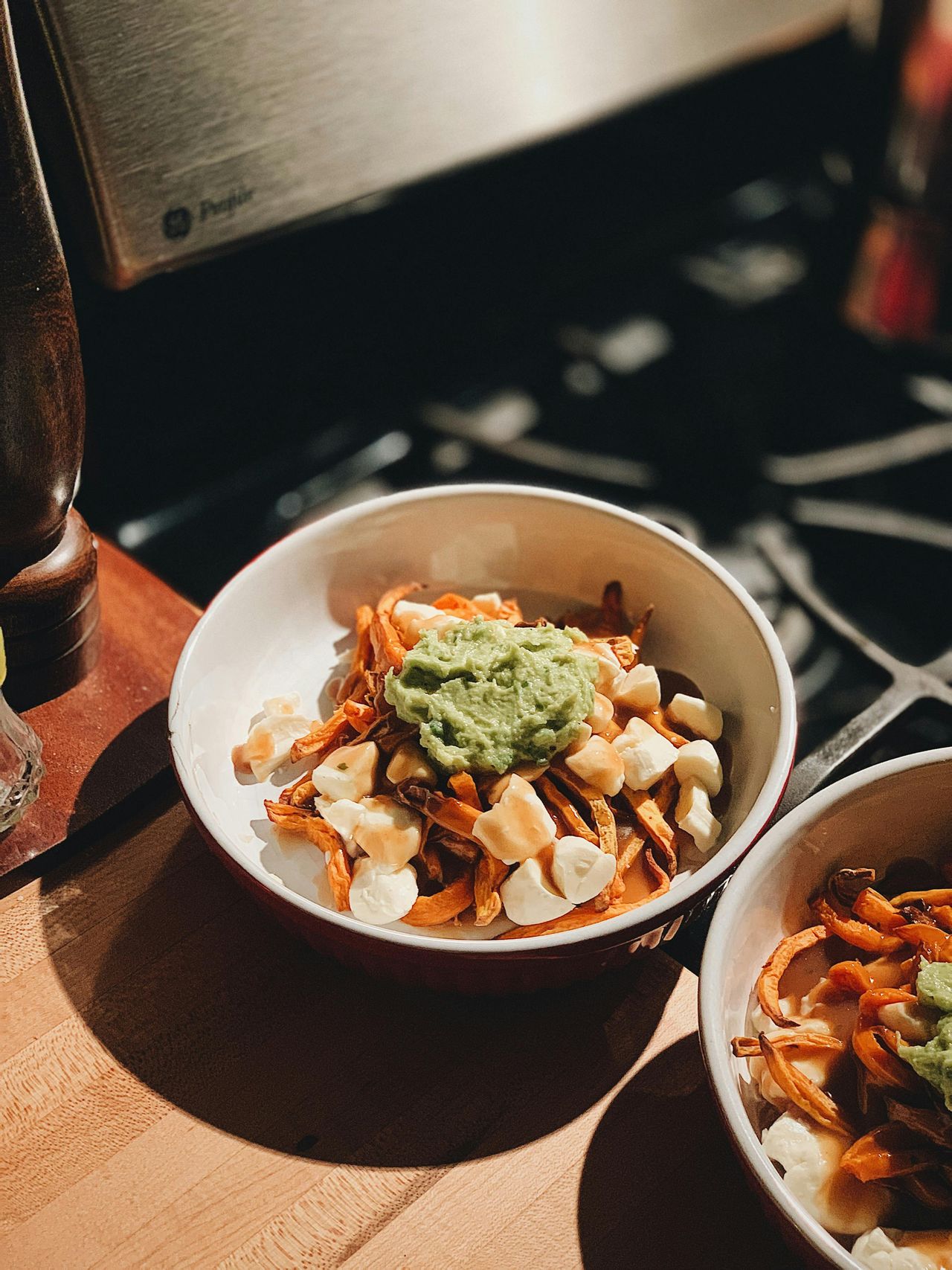
Poutine feels built for winter because it delivers heat, salt, richness, and comfort all at once. Crisp fries soften under hot gravy, cheese curds turn warm and stretchy, and the whole dish lands somewhere between indulgent snack and serious cold-weather meal.
It also carries a strong Canadian identity, which matters more in winter than people sometimes admit. Familiar foods become emotional anchors when the season is long and dark, and poutine has that reliable, no-nonsense coziness.
Survey findings tied to winter comfort show Canadians strongly associate cheesy dishes with the season, and poutine sits near the top of that list. On a freezing night, it tastes less like fast food and more like common sense.
Mac and Cheese
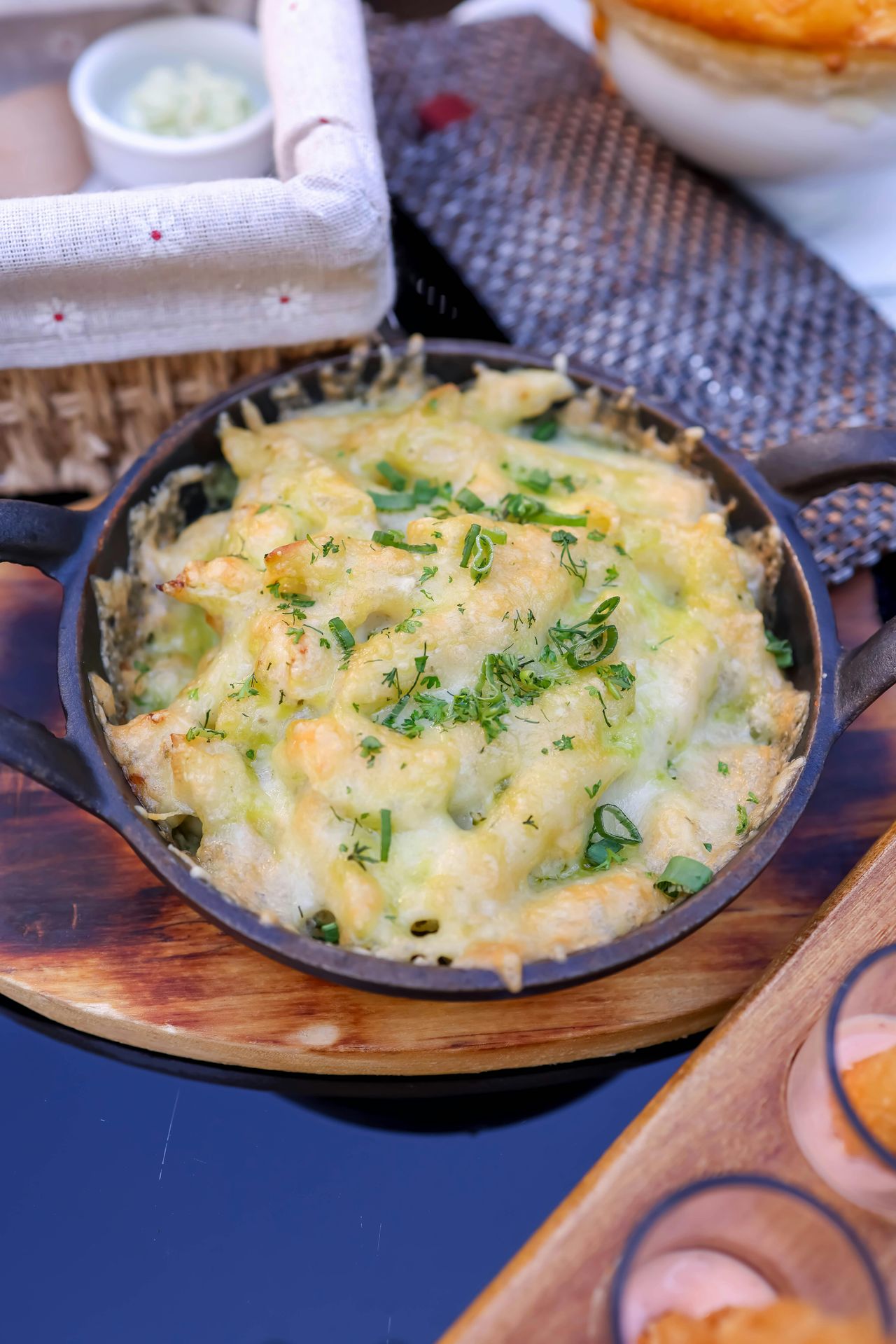
Mac and cheese is one of those foods that seems to get more powerful when the weather turns brutal. The pasta is soft, the sauce is rich, and the warmth settles in quickly, which may explain why melted and creamy cheese dishes rank so high as winter comfort for Canadians.
In cold months, texture matters almost as much as flavor. A bubbling baked top, a spoonful of silky sauce, and the steady warmth of a casserole dish create the kind of dinner that asks very little except that you slow down.
It is also deeply adaptable. Add mustard, breadcrumbs, bacon, or a sharper cheese like Parmigiano Reggiano, and suddenly a familiar classic feels just a little more grown up without losing its cozy appeal.
Fondue
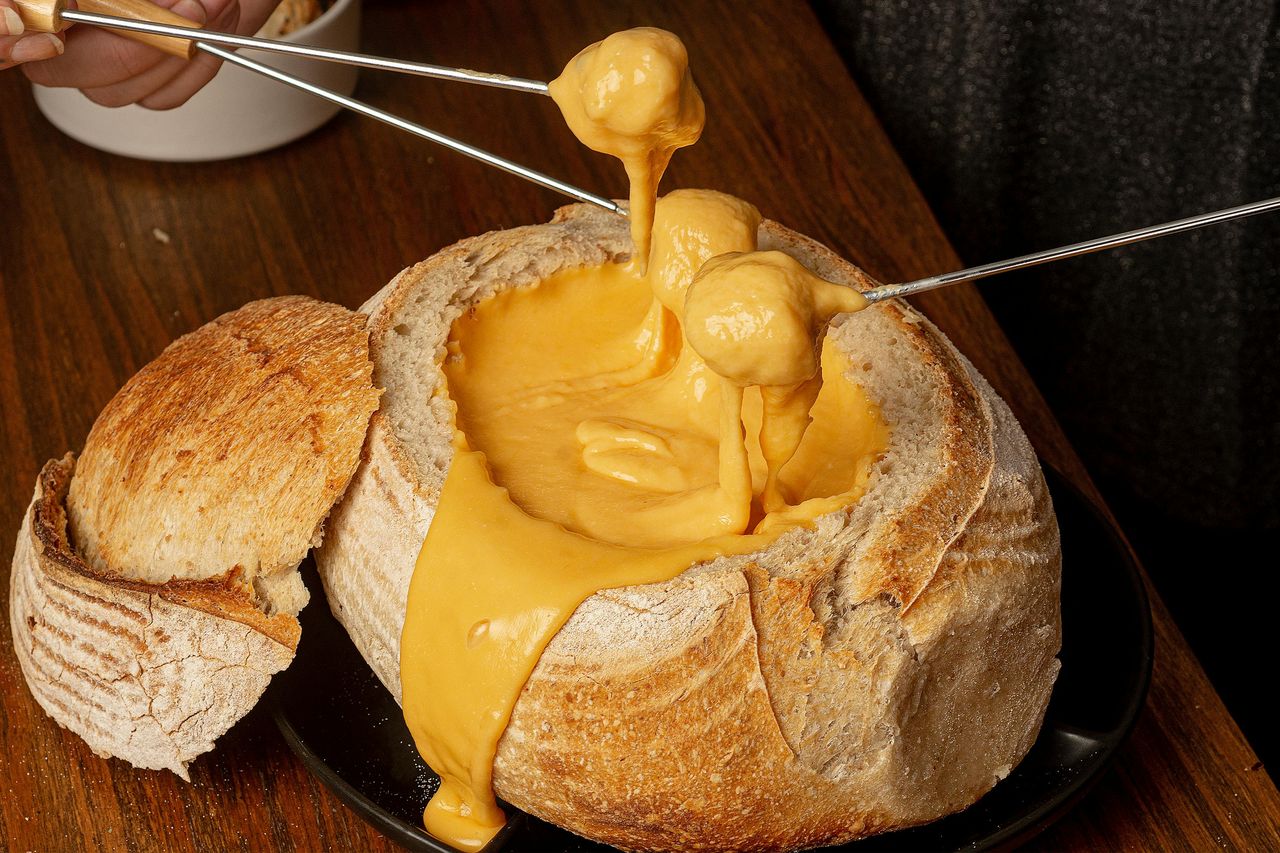
Fondue tastes better in winter because it turns dinner into an event. A pot of molten cheese at the center of the table asks everyone to gather close, linger longer, and treat warmth like part of the meal rather than just a background detail.
That social element matters during a Canadian winter, when people naturally spend more time indoors. Rich cheese, bread, potatoes, and roasted vegetables feel especially satisfying when the air outside is sharp and dry and the evening starts before dinner even does.
Canadians already connect cheese with ritual, family, and holiday celebrations, according to recent comfort-food survey findings. Fondue brings all of that into one dish, making it less about novelty and more about the pleasure of sharing something hot, savory, and unhurried.
Pizza
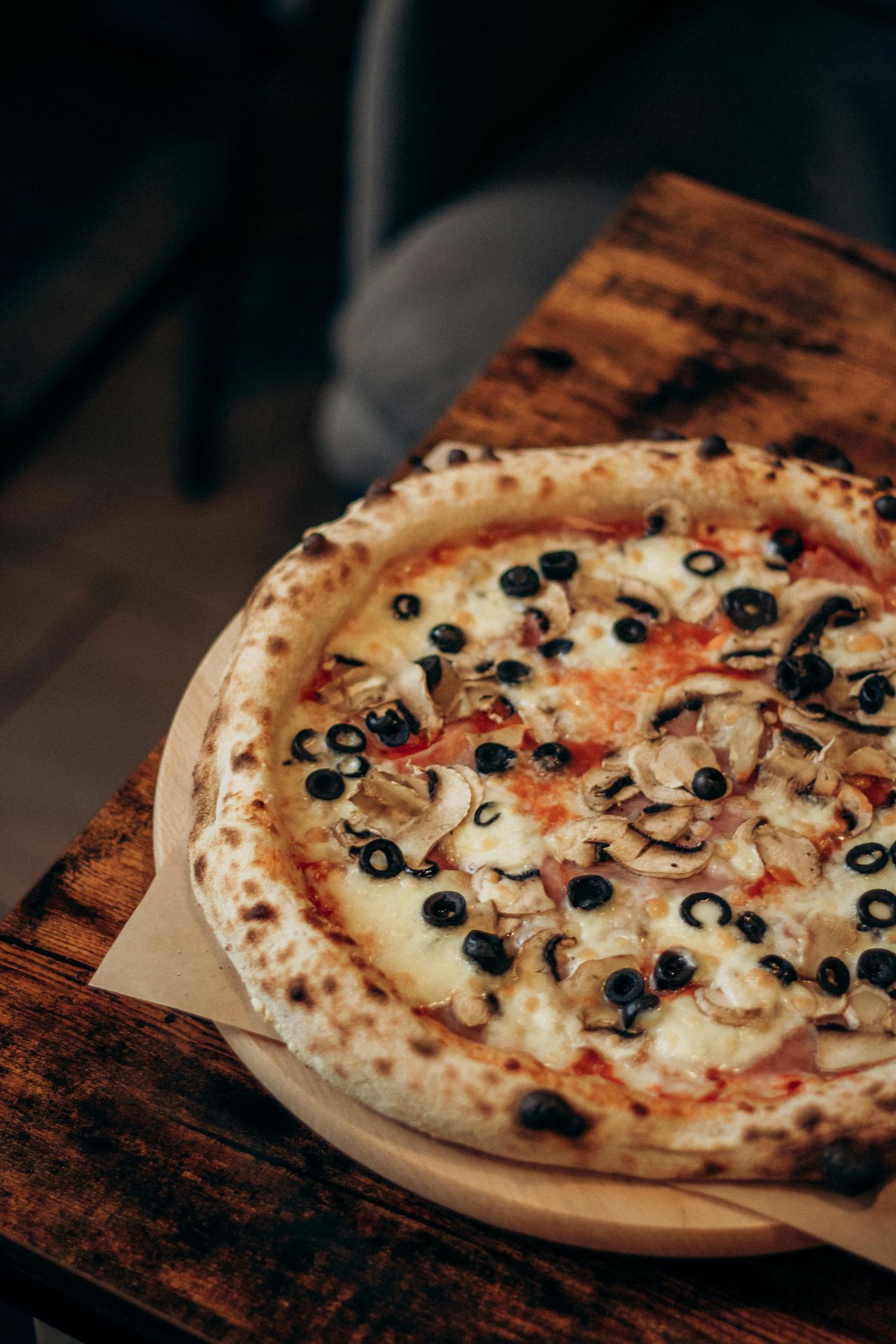
Pizza in winter has a special advantage: it arrives hot, fragrant, and ready to rescue the evening. When roads are icy and nobody wants to cook, a box of melted cheese and crisp crust feels like one of the smartest decisions a person can make.
Part of the appeal is simple contrast. Cold hands, red cheeks, and a room that still has not quite warmed up make that first bite of bubbling cheese and tomato sauce feel more dramatic than it does in July.
Canadian comfort-food preferences back that up, with cheesy dishes repeatedly showing up as winter favorites. Pizza also fits the season's quiet routines, whether that means takeout and a movie night or sharing slices with friends while snow piles up outside the door.
Pasta

Pasta somehow feels more complete in winter, especially when the sauce leans creamy, meaty, or slow-cooked. It is filling without being fussy, and it carries flavor in a way that makes each bowl feel substantial enough for a long, cold night.
Recent Canadian survey results found that many people think of pasta or risotto as winter comfort food, which makes perfect sense. A steaming plate of tagliatelle, baked lasagna, or stuffed ravioli gives the same satisfaction as layering on another blanket.
Winter also rewards foods that hold heat well, and pasta excels at that. Finished with butter, broth, or a shower of grated hard cheese, it stays warm just long enough to encourage slow eating, second helpings, and the kind of dinner conversation that stretches on.
Risotto
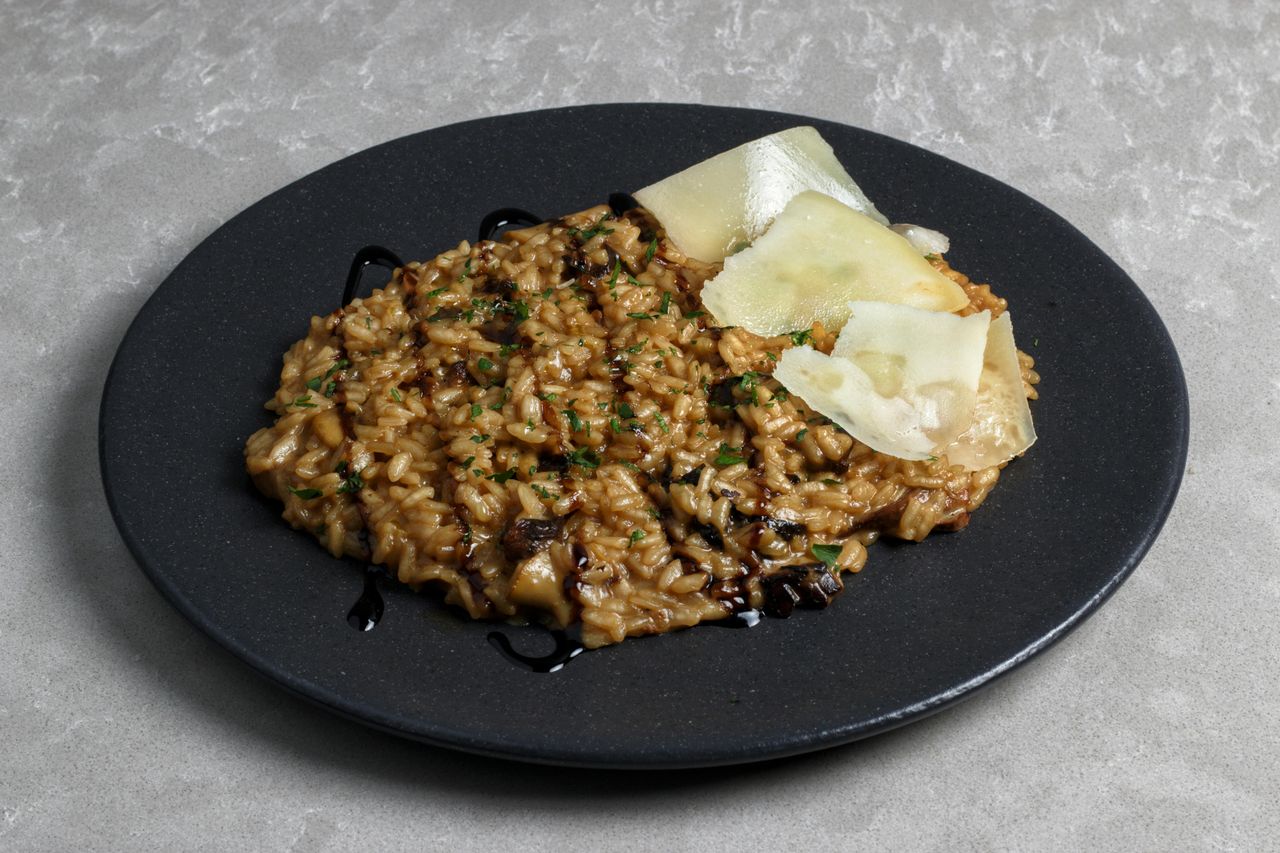
Risotto is winter food for people who want comfort with a little elegance. It is warm and deeply satisfying, but it also feels attentive, as if the cook put care into every ladle of broth and every final stir of butter and cheese.
Its texture is the real magic in cold weather. Risotto is neither soup nor pasta, yet it borrows the best qualities of both, delivering a spoonable richness that feels especially welcome after a day of snow, wind, and dry indoor heat.
Canadians already place risotto in the winter-comfort category, and that tracks with how it eats. Mushroom, squash, seafood, or Parmesan-forward versions all provide that same soft, warming quality that seems to quiet the whole room once dinner begins.
Grilled Cheese and Tomato Soup
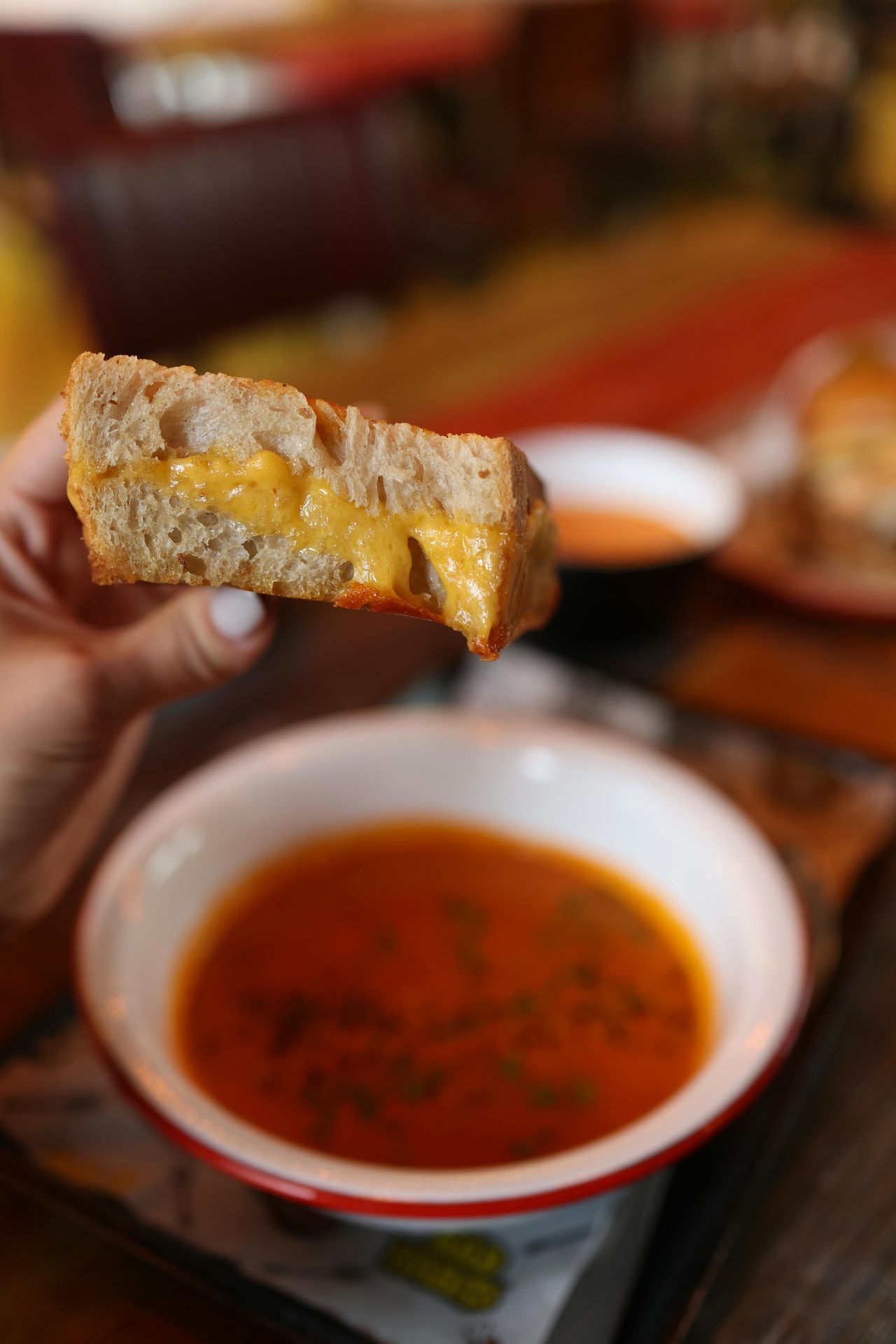
Some winter foods succeed because they are impressive. This one succeeds because it never tries to be. Grilled cheese with tomato soup is humble, fast, and almost perfectly engineered for a cold Canadian afternoon.
The contrast does most of the work. Crisp buttery bread gives way to melted cheese, while the soup adds brightness, steam, and enough acidity to keep the whole meal from feeling too heavy. Together they create a balance that feels almost medicinal in bad weather.
It also taps directly into nostalgia, and comfort-food research shows Canadians often connect cheesy dishes with home and family. That emotional familiarity matters in winter, when simple meals can feel unusually reassuring and a dunked sandwich can taste better than it has any right to.
Shepherd's Pie
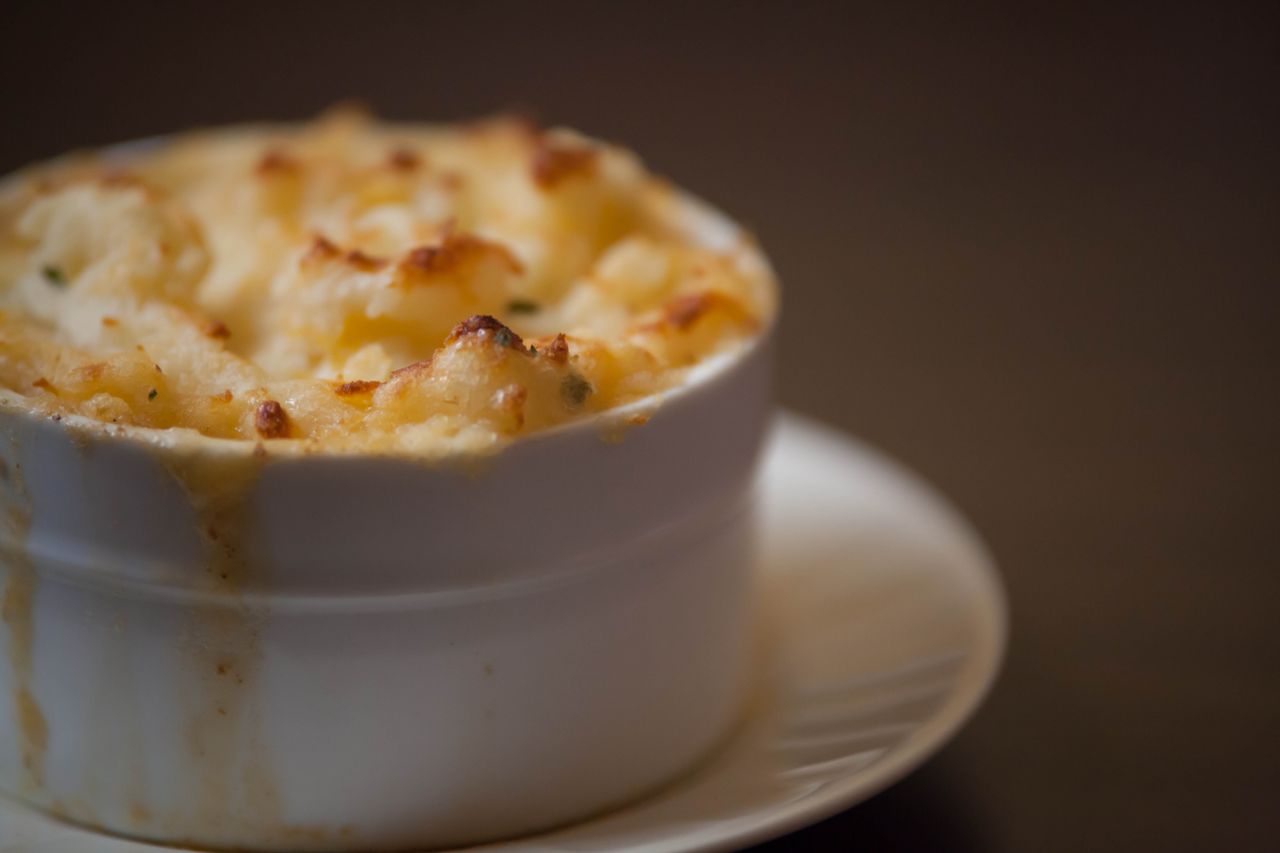
Shepherd's pie tastes better in winter because it comes with built-in insulation. Beneath a lid of mashed potatoes sits a hot, savory filling that holds warmth beautifully, making every spoonful feel hearty enough to push back against the cold.
This is the kind of meal that suits the Canadian season's practical side. It is affordable, filling, easy to reheat, and even better when made ahead, which makes it a natural choice during weeks when the weather complicates everything from shopping to commuting.
Its appeal is also emotional. A browned potato top, rich gravy, and familiar aromas create the sort of kitchen atmosphere people crave in winter. It may not be flashy, but that is exactly why it works so well when comfort matters more than novelty.