
Holiday meals are usually wrapped in nostalgia, family stories, and the comfort of tradition. But many staples on Canadian festive tables carry histories that are far less cozy, shaped by empire, forced labor, scarcity, and cultural erasure. This gallery looks at eight familiar foods and the unsettling backstories that still linger behind every serving.
Turkey

Turkey feels like the centerpiece of celebration, but its rise on North American holiday tables is closely tied to colonization. European settlers adopted Indigenous foods and agricultural knowledge while simultaneously displacing the people who had long raised, hunted, and stewarded them. The bird became folded into a settler version of abundance that often erased the original foodways behind it.
Its mass popularity also rests on industrial farming. Modern turkey production depends on selective breeding, cramped confinement, and birds bred so heavily for breast meat that many struggle to reproduce or even move normally. What arrives at the table as tradition is also the product of a food system built on control, profit, and animal suffering.
Potatoes
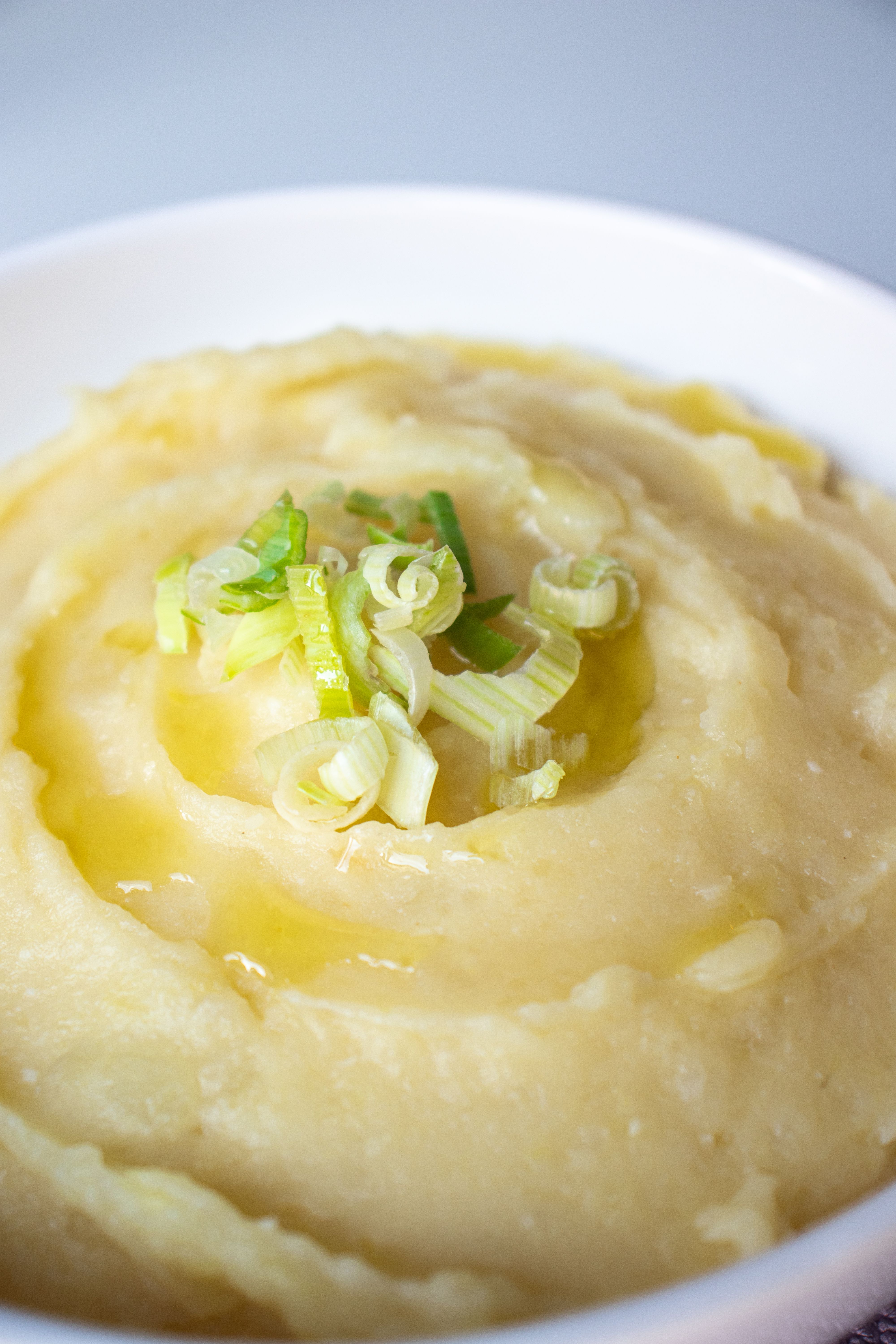
Mashed potatoes look humble, even comforting, but their history is tangled up with empire and famine. Native to the Andes, potatoes were taken to Europe through Spanish colonial expansion, where they became a staple crop far from the communities that first cultivated them. Their global spread is often told as a success story, though it began with extraction.
The darker chapter arrived in Ireland, where dependence on potatoes collided with British colonial rule during the Great Famine. While potato blight destroyed crops, food continued to leave the country and millions suffered death or migration. That legacy matters because potatoes became a symbol of survival in systems shaped by deep political neglect, not just bad harvests.
Sugar Cookies

A plate of sugar cookies seems innocent, especially during the holidays, but sugar itself has one of the grimmest histories in the modern food world. The cheap sweetness that made festive baking possible was built through plantation economies in the Caribbean and the Americas, where enslaved Africans were forced into brutal labor under deadly conditions.
Sugar reshaped global trade, wealth, and power. It enriched European empires and fed consumer habits in places like Canada while the human cost remained deliberately hidden. Even after slavery formally ended, sugar production often continued through exploitative labor systems. So those cheerful cookies carry the legacy of an industry that helped normalize suffering for the sake of luxury and convenience.
Fruitcake
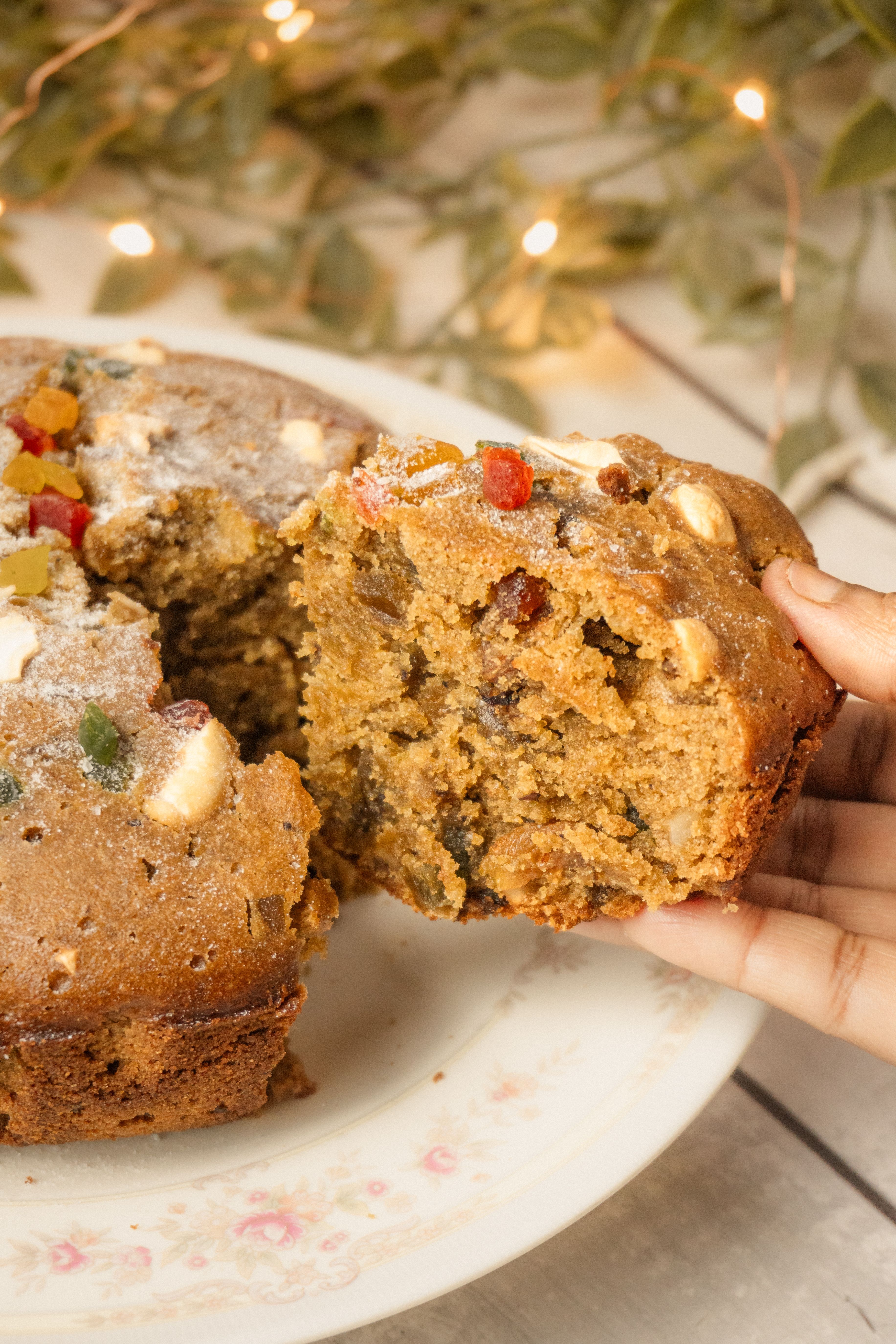
Fruitcake has become a holiday punchline, but it is also a quiet record of empire. Its signature ingredients, candied citrus, sugar, spice, and dried fruit, depended on trade routes controlled by colonial powers. The cake became a display of reach and status, with imported ingredients signaling access to wealth created through conquest and extraction.
Spices such as cinnamon, nutmeg, and cloves were not just festive flavorings. They were commodities fought over through violent expansion, coerced labor, and monopolies that remade entire regions. In that sense, fruitcake is less a harmless old dessert than a dense edible map of imperial appetite, where luxury on one table often rested on hardship somewhere else.
Mince Pie

Mince pie sounds quaint now, but it began as a dish shaped by scarcity, preservation, and class difference. Earlier versions contained meat, suet, dried fruit, and imported spices, combining expensive ingredients with practical techniques meant to stretch food through colder months. It was never just dessert. It reflected who had access to resources and who did not.
Its ingredients also point straight to older structures of labor and trade. Suet came from intensive animal use, while sugar and spices were tied to empire and exploitation. Over time the pie became sweeter and more symbolic, especially at Christmas, but its long story still carries traces of unequal food systems where celebration for some often depended on extraction from others.
Ham

Holiday ham often signals comfort and generosity, yet preserved pork has roots in necessity shaped by hard living conditions. Curing and smoking were ways to make meat last through winter, especially in places where fresh food was scarce and labor was physically demanding. It is a dish born from managing shortage, not pure abundance.
There is also a harsher modern story behind it. Industrial pork production has drawn criticism for cramped confinement, painful practices, environmental damage, and dangerous working conditions in slaughterhouses and processing plants. In North America, meatpacking has long relied on low-paid labor, including migrant and vulnerable workers. The glossy glaze may look festive, but the system behind it is often anything but warm.
Cranberry Sauce

Cranberry sauce is usually sold as a tidy symbol of North American tradition, but the story around it is more complicated. Cranberries were used by Indigenous peoples for food, medicine, and preservation long before settlers turned them into a holiday staple. As with many familiar foods, colonial culture absorbed Indigenous knowledge while pushing Indigenous communities to the margins.
Commercial cranberry farming also changed wetlands and local ecosystems. Large-scale bog production can alter water use and landscapes in ways that prioritize output over habitat. The sauce on the plate may seem like a simple side dish, yet it sits at the crossroads of appropriation, land use, and the tendency to turn living environments into branded seasonal products.
Chocolate Desserts

Whether it appears in yule logs, tarts, cookies, or truffles, holiday chocolate comes with a difficult global history. Cacao was first cultivated and revered in Mesoamerica, then transformed by European colonizers into a commercial commodity. As chocolate demand grew, it became entangled with plantation systems, coerced labor, and racialized exploitation.
Those problems are not only historical. In West Africa, where much of the world's cacao is now grown, investigators and labor groups have repeatedly documented child labor, poverty wages, and dangerous conditions in supply chains linked to major producers. That does not make every dessert immoral, but it does mean chocolate's festive image often hides a market that still struggles with deeply uncomfortable realities.




Leave a Reply