What we eat is rarely just about hunger. Daily food habits often reflect how people manage time, stress, health goals, family life, and money, sometimes more clearly than a monthly budget ever could. This gallery explores eight common eating patterns and what they can quietly suggest about different lifestyles and spending choices.
Cooking Most Meals at Home
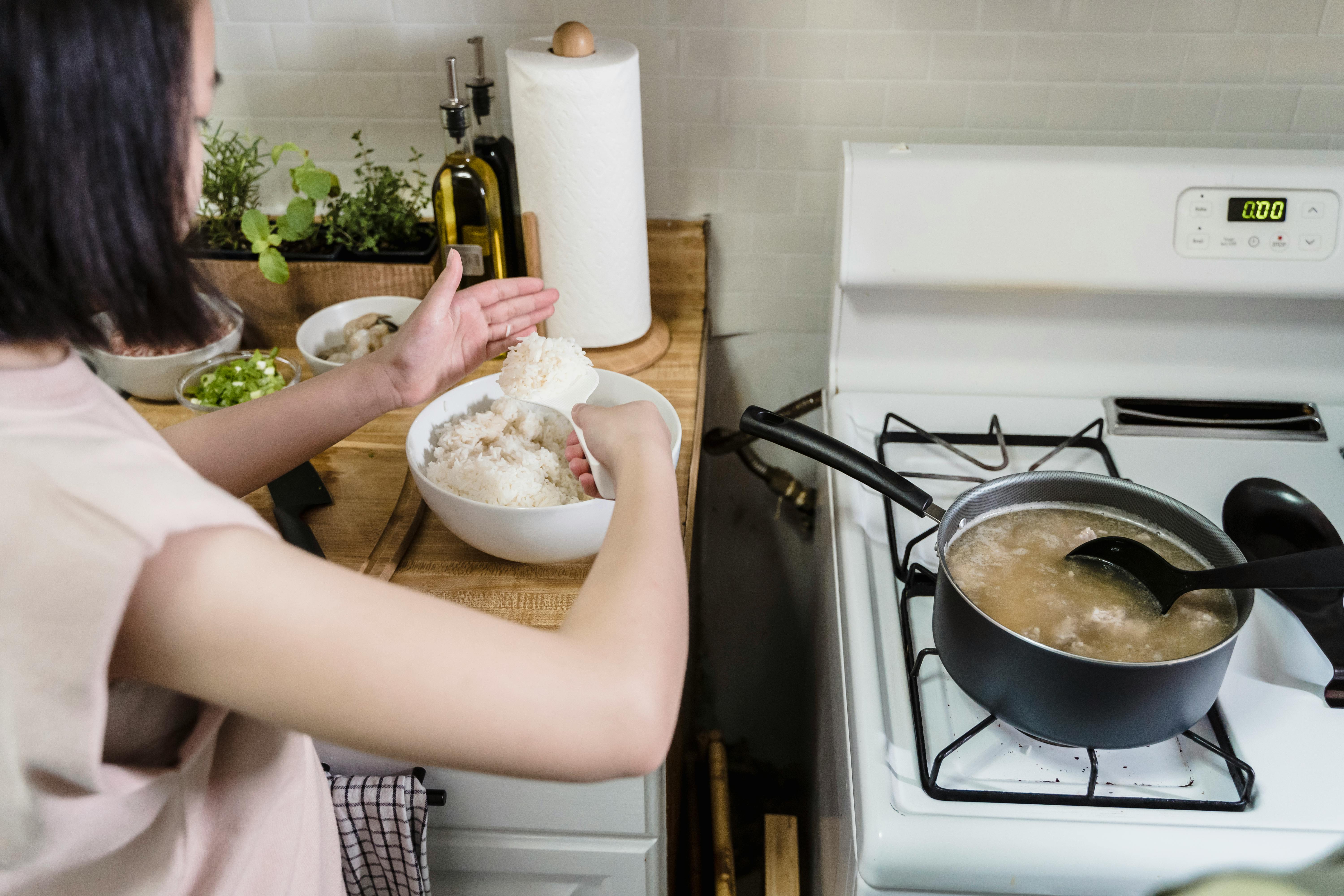
For many people, the home kitchen is less a hobby space and more a control center. Cooking most meals at home usually points to a lifestyle built around planning, routine, and a closer watch on costs. It often means someone is thinking ahead about ingredients, leftovers, and how to stretch food across several days.
This habit can lower spending over time because raw ingredients usually cost less per serving than restaurant meals or delivery. It also gives people more say over portion size, sodium, sugar, and cooking methods. Even so, home cooking is not automatically cheap if the cart is filled with premium ingredients, specialty products, or recipes that require frequent shopping trips.
Relying on Food Delivery and Takeout

A steady stream of takeout bags often signals a life shaped by speed. People who order food frequently may be juggling long work hours, commuting, childcare, or simple exhaustion at the end of the day. In many homes, convenience is not a luxury choice. It is the fastest way to keep the evening moving.
The spending pattern, however, adds up quickly. Delivery fees, service charges, tips, and higher menu markups can push one meal far above its in-store price. Regular ordering may suggest disposable income, but it can also reflect a trade-off where time and energy are valued more than cost. That makes this habit less about indulgence alone and more about how modern schedules pressure everyday decisions.
Buying in Bulk and Planning Ahead

A pantry stocked with large bags, freezer staples, and household basics usually tells a story of long-term thinking. Bulk buying often reflects a household that tracks unit prices, watches warehouse deals, and prefers fewer shopping trips. It is a habit commonly tied to families, budget-conscious shoppers, and anyone trying to reduce last-minute spending.
Done well, this approach can cut costs on staples like rice, oats, canned goods, and frozen foods. It may also reduce impulse buying because meals are built from what is already on hand. Still, the savings only work if the food gets used. Bulk habits can backfire when perishables spoil, storage is limited, or sale excitement leads to spending more upfront than the budget comfortably allows.
Choosing Organic, Local, or Specialty Foods
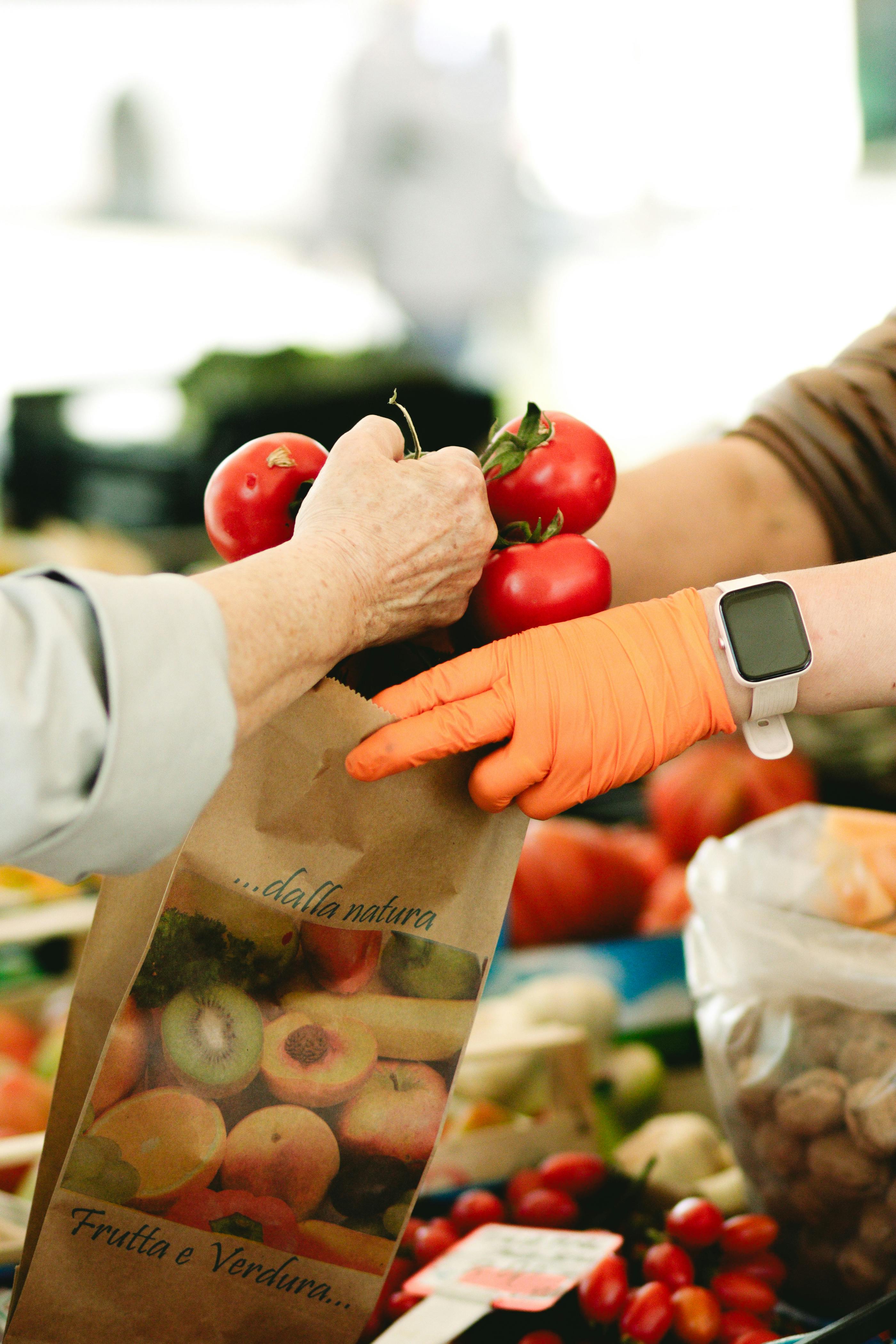
Some grocery carts reveal values as much as preferences. Shoppers who reach for organic produce, local eggs, grass-fed meats, or specialty items are often expressing priorities around health, farming practices, taste, or environmental concerns. This habit can reflect careful label reading and a willingness to pay more for food that feels aligned with personal beliefs.
The spending pattern here usually leans premium, since specialty foods often carry higher production and distribution costs. In some households, that extra spending is deliberate and budgeted, while in others it means cutting back elsewhere to make room for it. This habit does not always signal wealth, but it often suggests that food quality ranks high on the list of everyday priorities.
Snacking Frequently Instead of Eating Full Meals

A day built around snacks rather than sit-down meals often reflects a fragmented schedule. People who eat this way may work irregular hours, commute heavily, study between classes, or simply prefer grazing to formal mealtimes. It can also suggest that convenience has become the main filter for food choices.
Financially, this habit is more complicated than it looks. Single-serve yogurts, protein bars, packaged nuts, bottled drinks, and grab-and-go items can cost far more per ounce than meal ingredients bought in larger quantities. Frequent snacking may also blur the line between necessity and impulse spending. When food is purchased in small bursts throughout the day, the total can quietly rival the cost of a few well-planned meals.
Eating Out for Social Life and Status

Restaurant habits can say as much about identity as appetite. For some people, dining out is where friendships are maintained, business relationships are built, and milestones are marked. In cities especially, meals away from home often function as entertainment, networking, and personal expression all at once.
That lifestyle usually comes with a higher food budget, particularly when drinks, shared plates, parking, and tips are part of the routine. Frequent dining out may signal strong disposable income, but it can also point to a person who prioritizes experiences over home-based savings. In that sense, the spending is not only for food. It is also for atmosphere, convenience, and the social value that comes from being present in those spaces.
Following Strict Health or Fitness Meal Routines
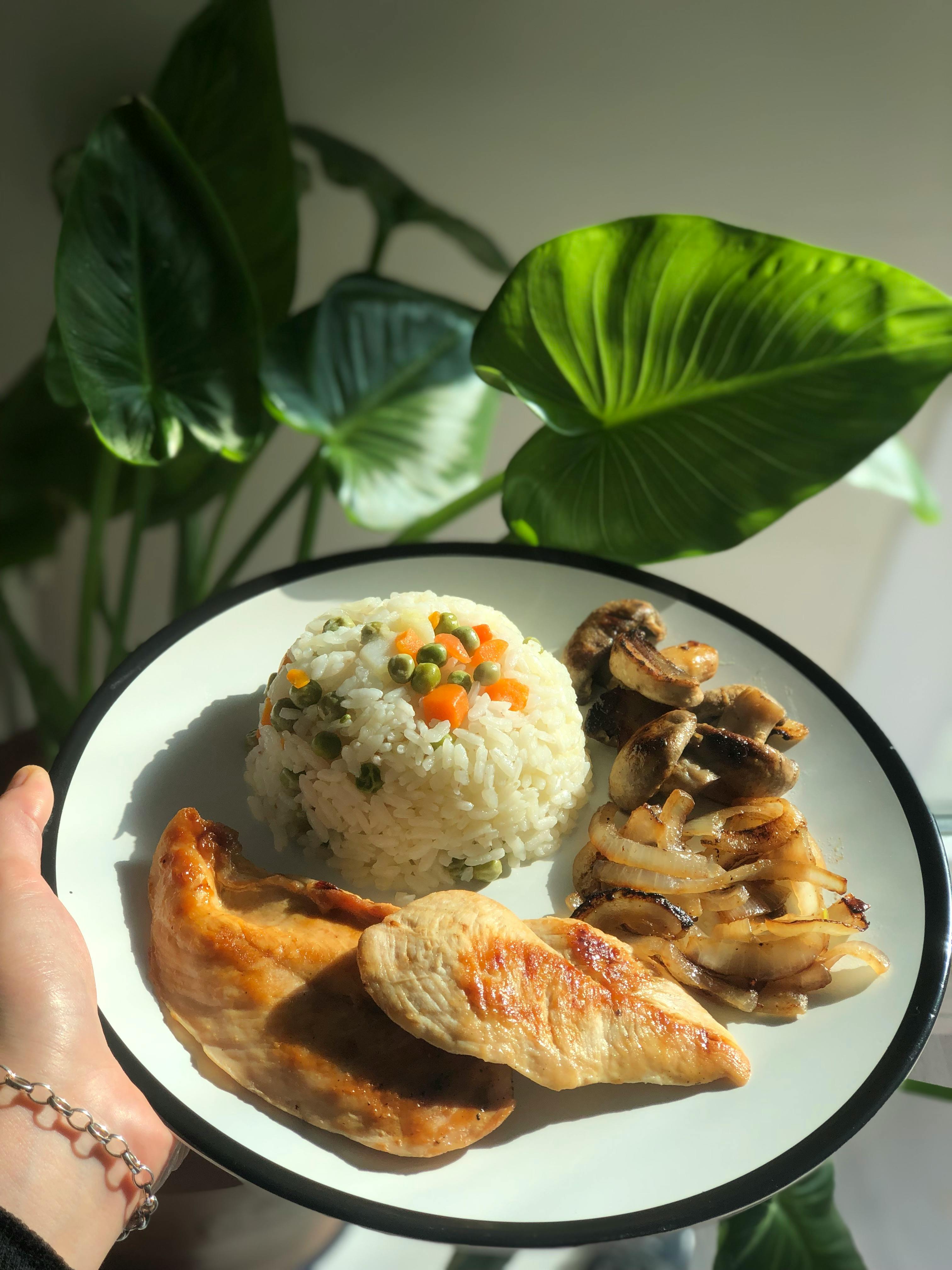
When meals are measured, timed, and repeated with purpose, food becomes part of a larger system. This habit is common among athletes, gym regulars, people managing health conditions, and anyone committed to structured nutrition goals. Their shopping lists often center on protein sources, produce, grains, and foods chosen for function rather than novelty.
Spending can vary widely, but the pattern usually shows intentionality. Some save money by repeating simple meals and avoiding impulse buys, while others spend more on supplements, lean proteins, or specialty products tied to performance and wellness. The key signal is discipline. These eaters often trade spontaneity for consistency, seeing food less as entertainment and more as a daily tool that supports a broader lifestyle.
Stretching Meals with Leftovers and Budget Staples

There is a quiet skill in making one meal work twice. People who regularly rely on leftovers, soups, rice, beans, pasta, eggs, and other budget staples often show a practical approach to food that is rooted in efficiency. This habit is common in households focused on reducing waste, feeding several people, or staying steady during tighter financial periods.
It is one of the clearest signs of cost awareness because it turns planning into savings. A roast becomes sandwiches, extra vegetables become soup, and yesterday's rice becomes today's lunch. Beyond price, this habit often reflects resilience and resourcefulness. It shows an ability to work with what is available rather than chasing constant variety, which can be one of the smartest food strategies of all.