Chicken Caesar salad seems simple, but the difference between decent and truly memorable comes down to a handful of small choices. From better texture to smarter seasoning, these easy upgrades build the kind of depth, crunch, and balance you usually notice in restaurant versions. If your homemade Caesar has ever felt flat, these fixes can change that fast.
Flatten the Chicken for Even Cooking

A thick chicken breast is one of the fastest ways to end up with a salad that feels uneven before you even dress it. When you gently pound the chicken to a more uniform thickness, it cooks faster, browns more consistently, and stays juicier from edge to center.
This also improves the final presentation. Instead of chunky, awkward pieces, you get broad slices that drape neatly over the lettuce like they do in restaurant salads.
According to cooks who treat Caesar as a composed dish, this small prep step creates better texture and better timing. You are far less likely to overcook one end while waiting for the thickest part to finish.
Marinate with Lemon, Garlic, and Anchovy
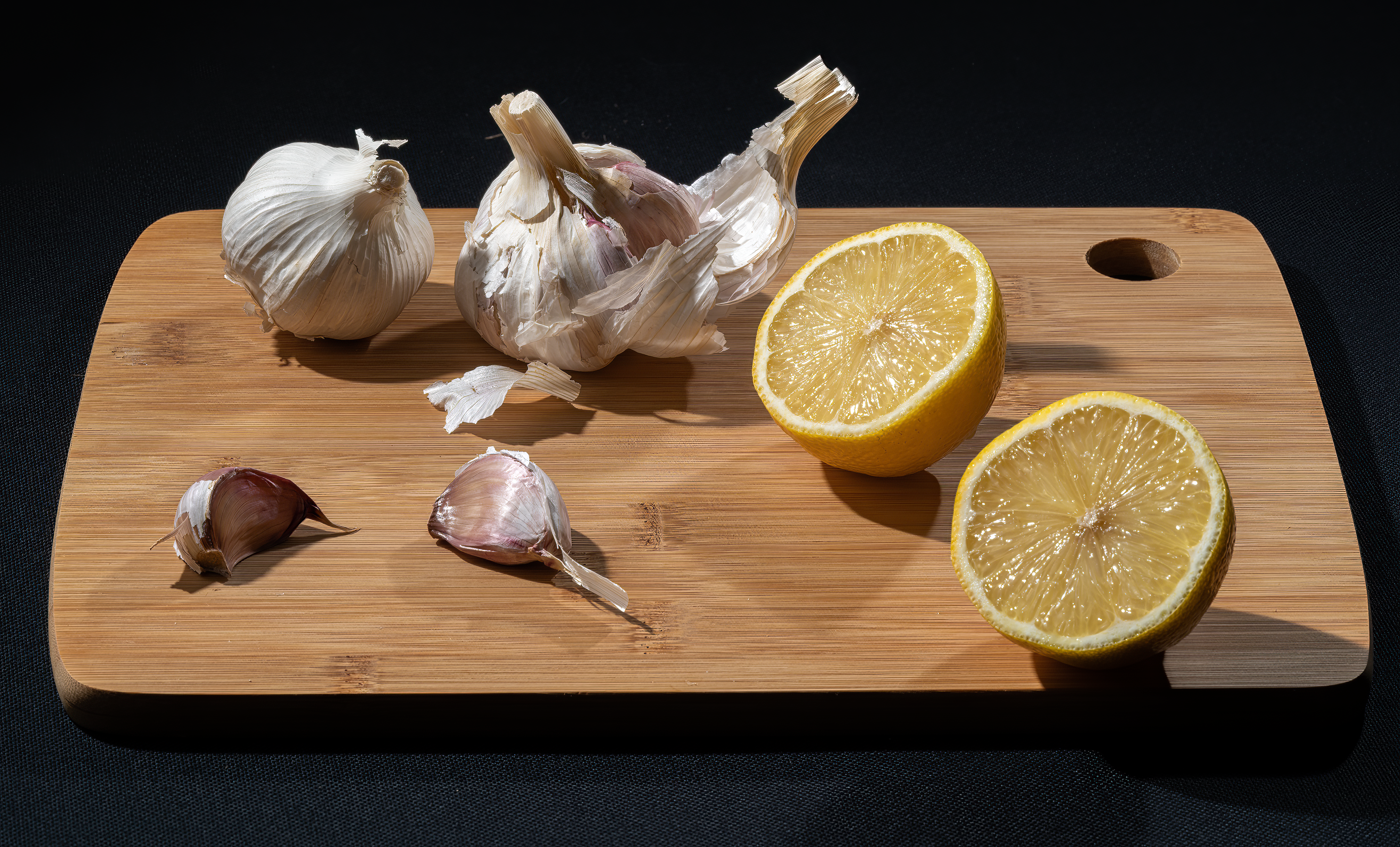
The best restaurant-style chicken Caesar tastes seasoned all the way through, not just coated on the surface. A quick marinade built from lemon juice, garlic, olive oil, and a little anchovy brings the flavor profile of the salad directly into the chicken.
This is not the kind of marinade that needs all afternoon. Because lemon juice is doing much of the work, even a short rest while you prep the rest of the salad can add noticeable depth.
The real advantage is harmony. Instead of tasting like plain grilled chicken dropped onto Caesar, the meat starts to echo the dressing, which makes the whole plate feel more intentional and polished.
Get Real Char on the Chicken
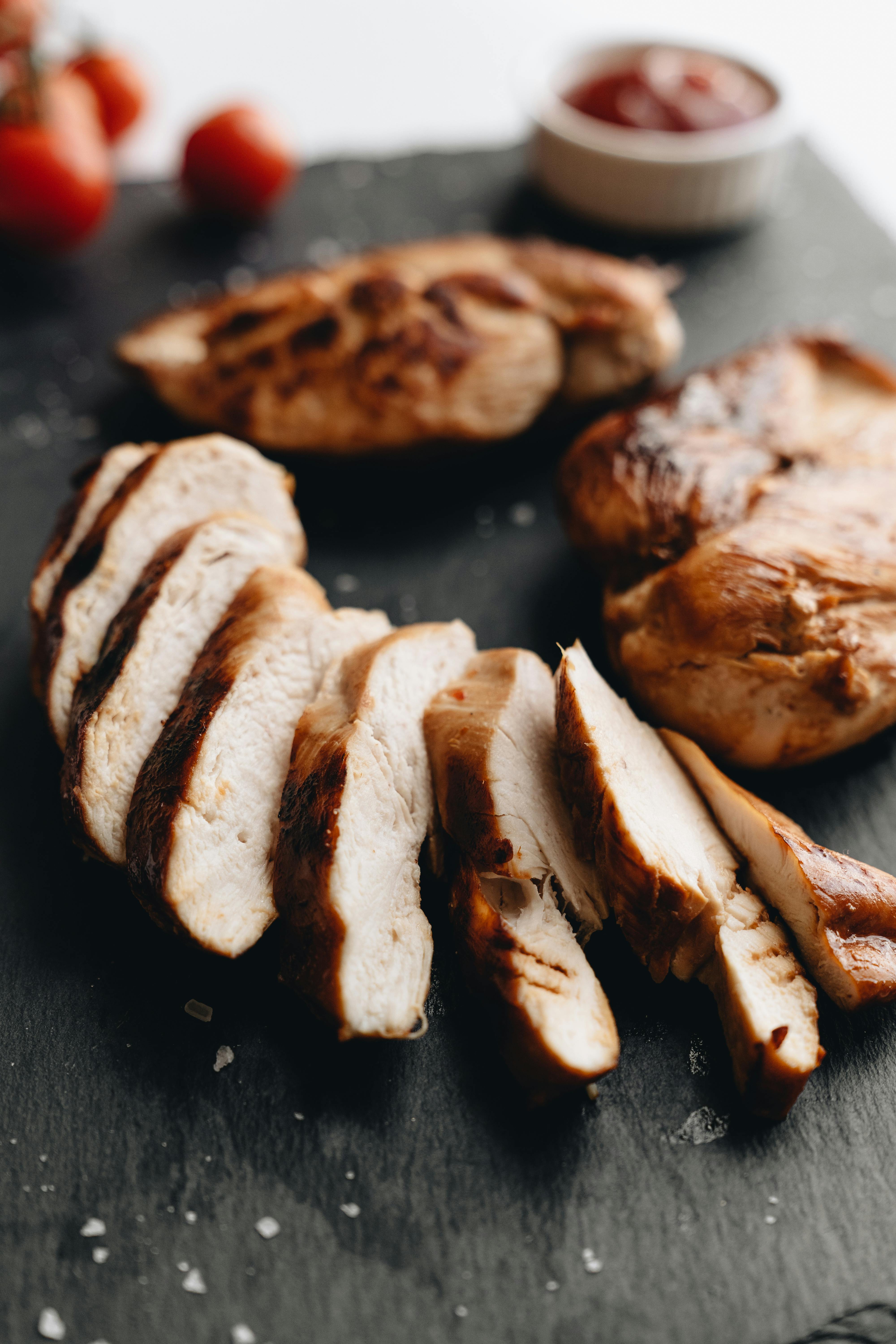
Color matters more than many home cooks realize. A little char on chicken adds the savory, smoky edge that gives restaurant salads more complexity and keeps the meat from tasting merely poached or bland.
You do not need to blacken it aggressively, but you do want clear caramelized spots from a hot grill pan, skillet, or outdoor grill. That browning creates a deeper flavor that stands up to the assertive Caesar dressing.
This upgrade is especially helpful because Caesar is rich, salty, and sharp. Chicken with a good sear brings balance, adding warmth and a slightly bitter grilled note that makes every bite taste more complete.
Use Torn Sourdough Croutons

Croutons should not feel like an afterthought. When you tear sourdough into rough pieces instead of cutting perfect cubes, you create jagged edges that toast into extra-crispy ridges and corners.
That texture is a big part of what makes restaurant Caesar so satisfying. Every uneven piece catches dressing differently, giving you bites that are crunchy in some spots and lightly soaked in others.
Sourdough also brings more personality than standard sandwich bread. It has better chew, more developed flavor, and enough structure to stay crisp longer, which means the salad keeps its contrast instead of turning soft too quickly after tossing.
Bake Parmesan onto the Croutons

If you want one upgrade that feels instantly chef-like, this is it. Scattering finely grated Parmesan over croutons before baking gives them a lacy, crisp edge that cools into something almost like a savory tuile.
It is a small move, but the payoff is huge. The cheese deepens the umami, adds extra salt, and creates a more dramatic crunch than plain toasted bread can deliver on its own.
This technique also helps distribute flavor across the salad. Instead of relying on dressing and shaved cheese alone, the croutons become one of the most delicious parts of the plate, which is exactly how memorable Caesar salads are built.
Build a Creamy Dressing with Mayonnaise
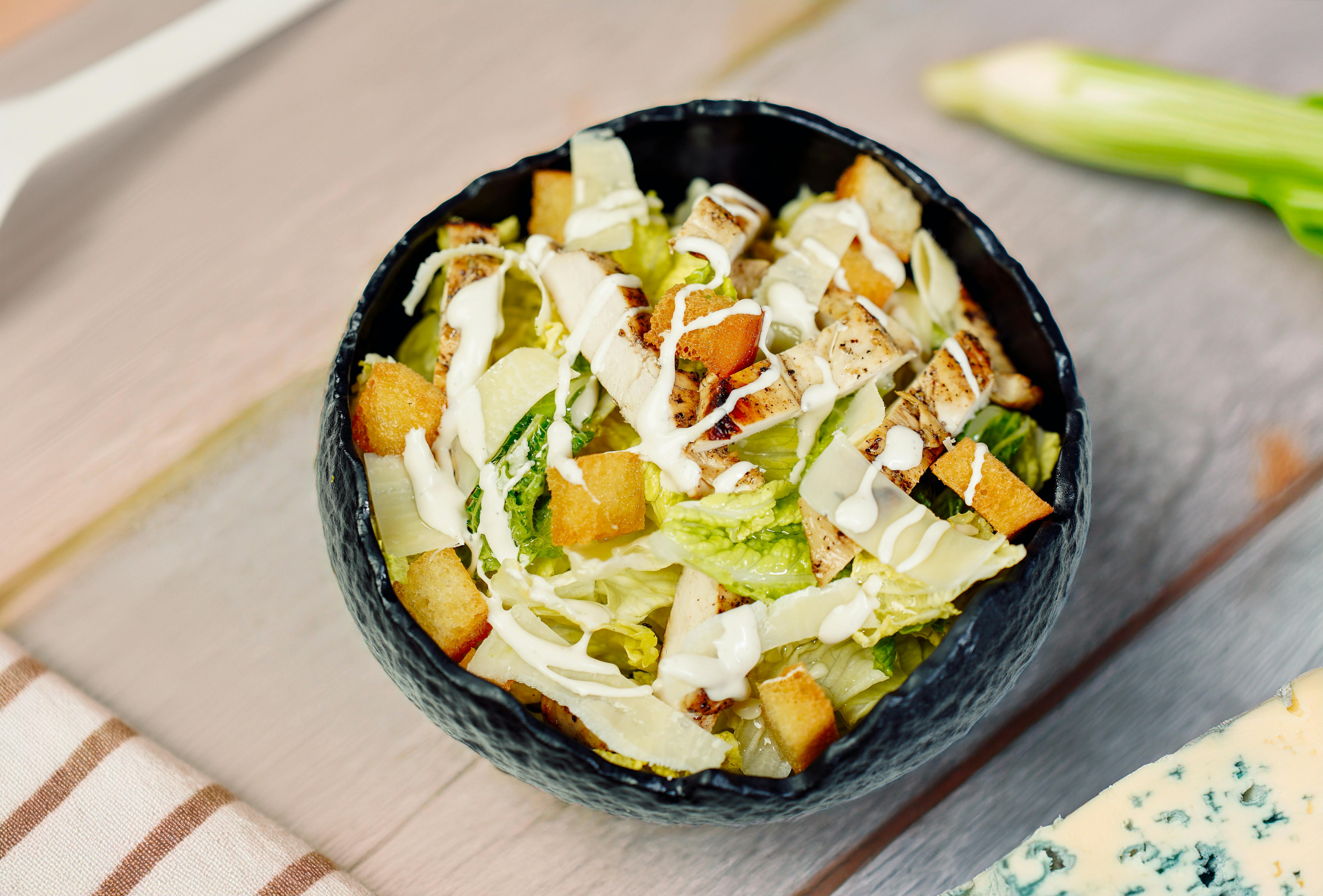
A silky Caesar dressing is essential, but it does not require a fussy raw egg emulsion to taste great. Many modern cooks use mayonnaise as a shortcut because it delivers immediate body, stable texture, and a rich mouthfeel with less risk and less effort.
That creamy base lets the sharper ingredients shine. Garlic, anchovy, lemon juice, Dijon, and Parmesan blend more smoothly, so the dressing tastes rounded rather than harsh.
The key is choosing a good mayonnaise and treating it like a foundation, not the whole recipe. Done well, the result is thick enough to cling to romaine leaves and chicken, which is exactly what gives Caesar its signature luxurious coating.
Balance the Dressing Before You Toss
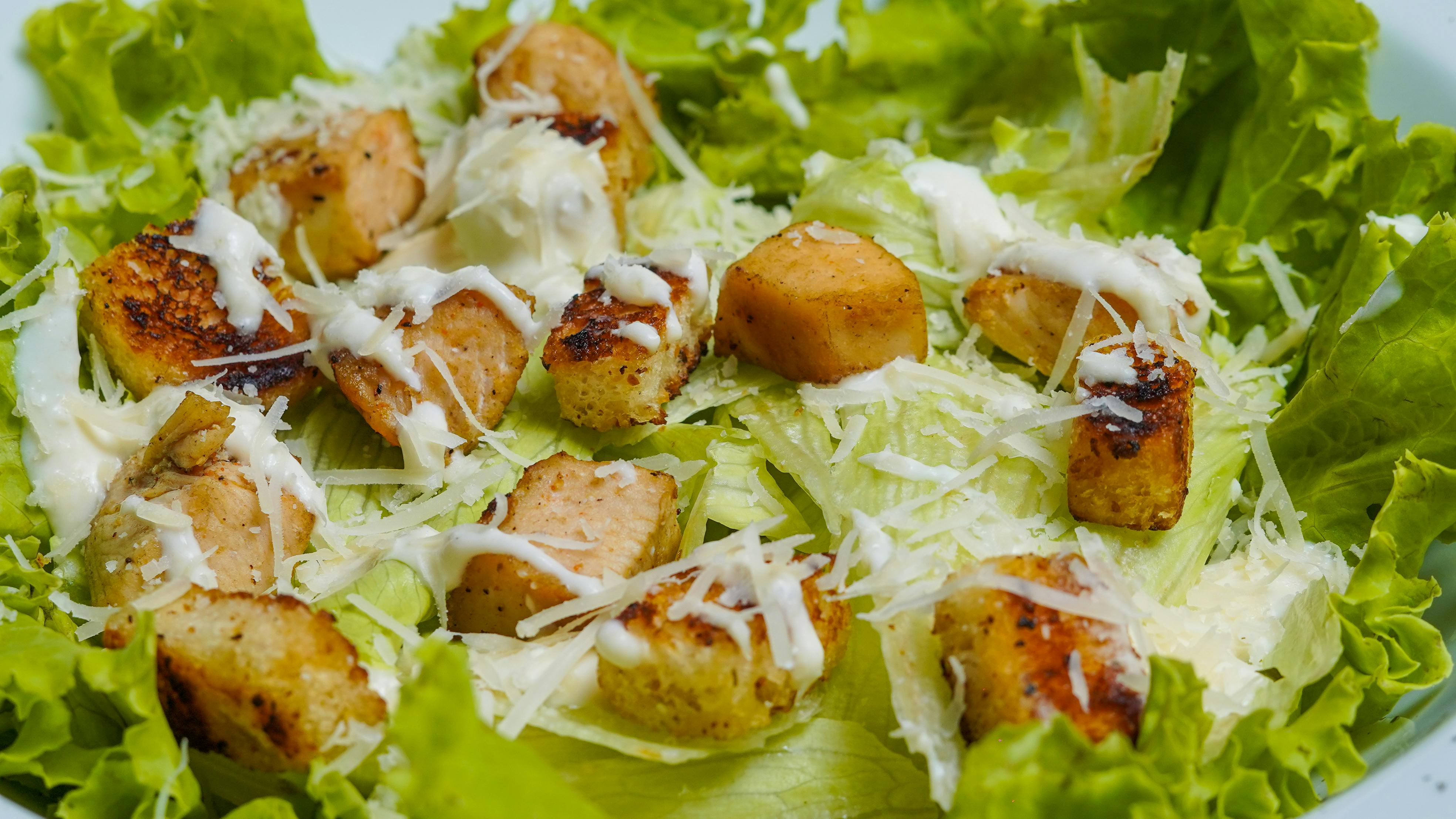
A Caesar dressing should be bold, but it should never taste one-note. The best versions hit a careful balance of salt, acid, richness, and savory depth, which is why tasting before tossing is one of the smartest upgrades you can make.
If it feels too heavy, more lemon can brighten it. If it tastes flat, anchovy or Parmesan can lift the savory notes. A touch more garlic can sharpen it, while extra mayonnaise can soften an overly aggressive mix.
Restaurant cooks constantly adjust seasoning because ingredients vary from batch to batch. Bringing that same habit into your kitchen makes the salad feel more polished and far less dependent on luck.
Finish with Plenty of Parmesan in Different Textures
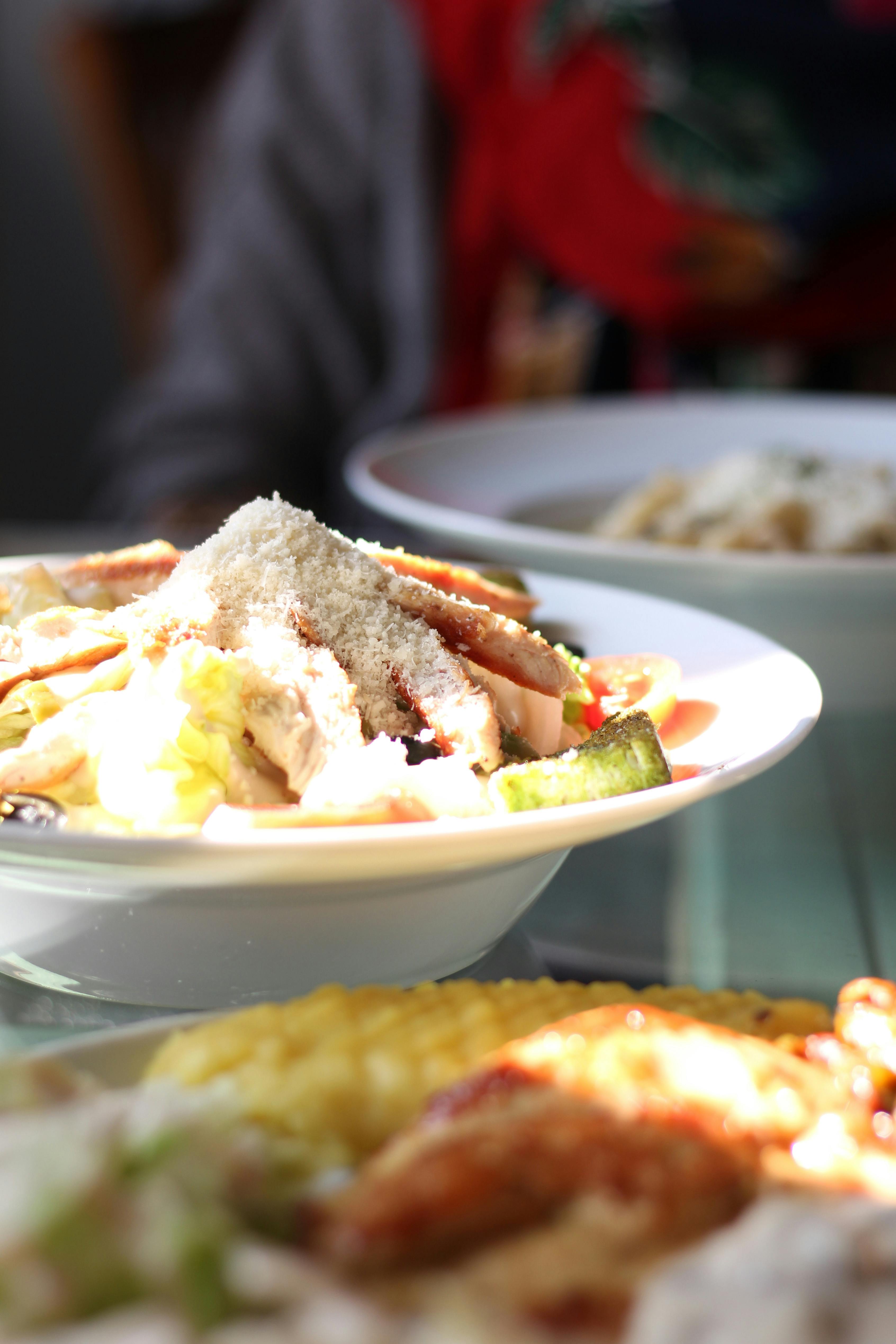
Parmesan does more than add salt. In a strong Caesar, it works as a layered ingredient, and that is where home versions often fall short. Finely grated cheese melts into the dressing, while larger shavings bring nutty, delicate bites across the finished salad.
Using more than one texture makes the dish feel fuller and more composed. The grated Parmesan seasons the whole salad, while the shaved pieces give visual appeal and a more luxurious finish.
This matters because Caesar is built from a short ingredient list. When one component can contribute creaminess, umami, saltiness, and texture at once, it deserves a more thoughtful role than a last-minute sprinkle from a can.