
Sticker shock did not always arrive as a dramatic jump this year. More often, Canadians saw it in the small essentials they buy every week without thinking twice.
Bread

Bread is one of those purchases people make on autopilot, which is exactly why price increases can slip by unnoticed. A loaf that cost a little less last year may now be up by cents rather than dollars, but over months, that adds up quickly for families.
The pressure starts well before the bakery shelf. Wheat markets have stayed sensitive to drought risk in key growing regions, volatile fuel costs, and transportation expenses across Canada's long supply routes. Even when grain prices ease, milling, packaging, and distribution costs can keep retail prices elevated.
Labour is another big factor. Commercial bakeries and grocery chains have faced higher wages, staffing shortages, and rising utility bills, especially for energy-intensive baking operations. For consumers, the result is a staple that still looks affordable on its own but quietly lifts the total bill every week.
Milk
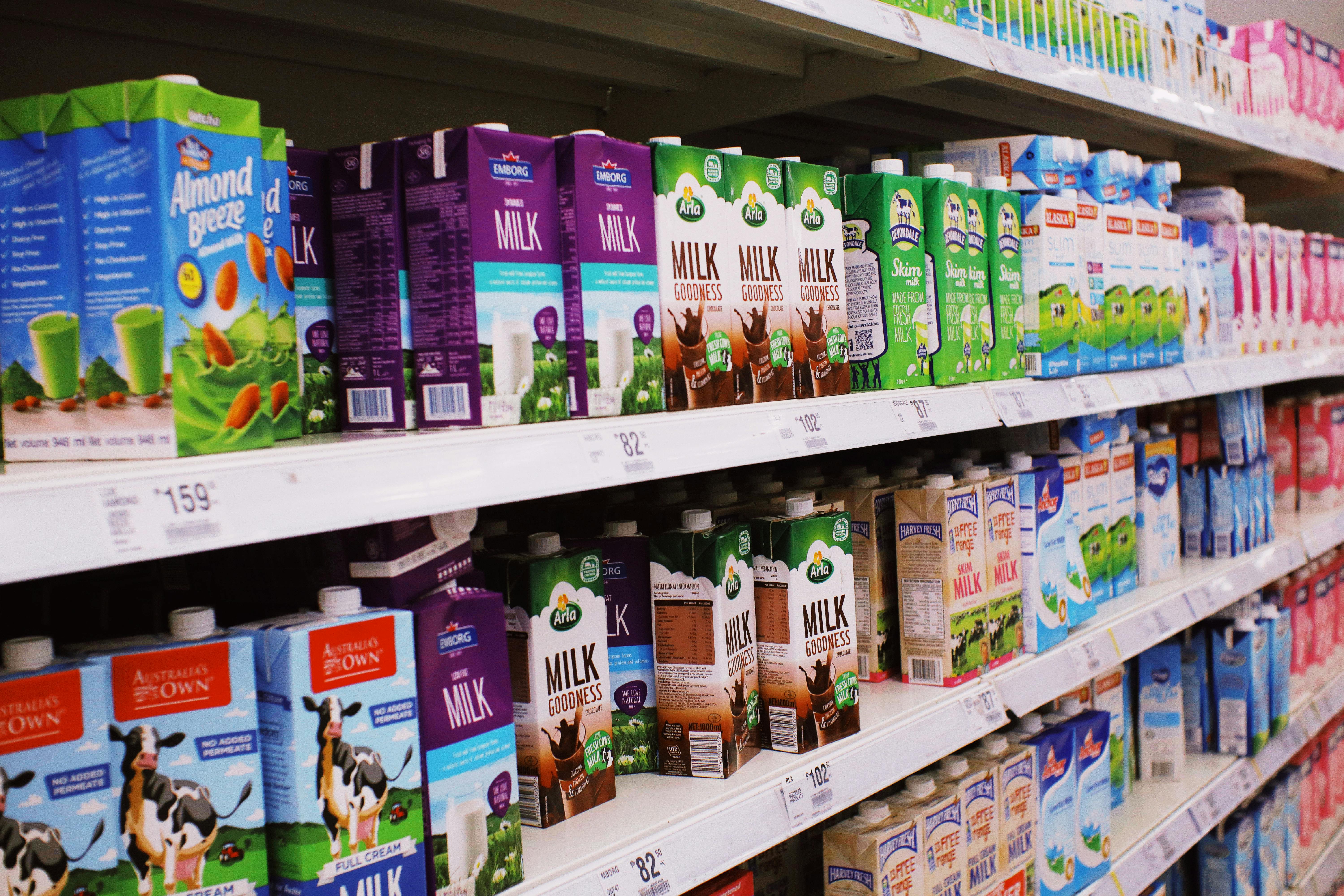
Milk tends to rise in a steadier, more regulated way than many other foods, but that does not make it painless. In Canada, dairy pricing is shaped in part by supply management, and when farm input costs rise, those increases often work their way into retail prices.
Feed, fuel, fertilizer, and borrowing costs have all been higher for dairy farmers. That matters because producing milk is a daily, high-overhead business with little room to pause spending. Cows still need feed, barns still need power, and refrigerated transport still has to move on schedule.
Processors and retailers also face higher packaging and cold-chain expenses. Plastic jugs, cartons, warehousing, and refrigerated trucking have all become more expensive. For households that buy multiple bags or cartons each week, even a modest increase in milk prices becomes very noticeable over the course of a month.
Eggs
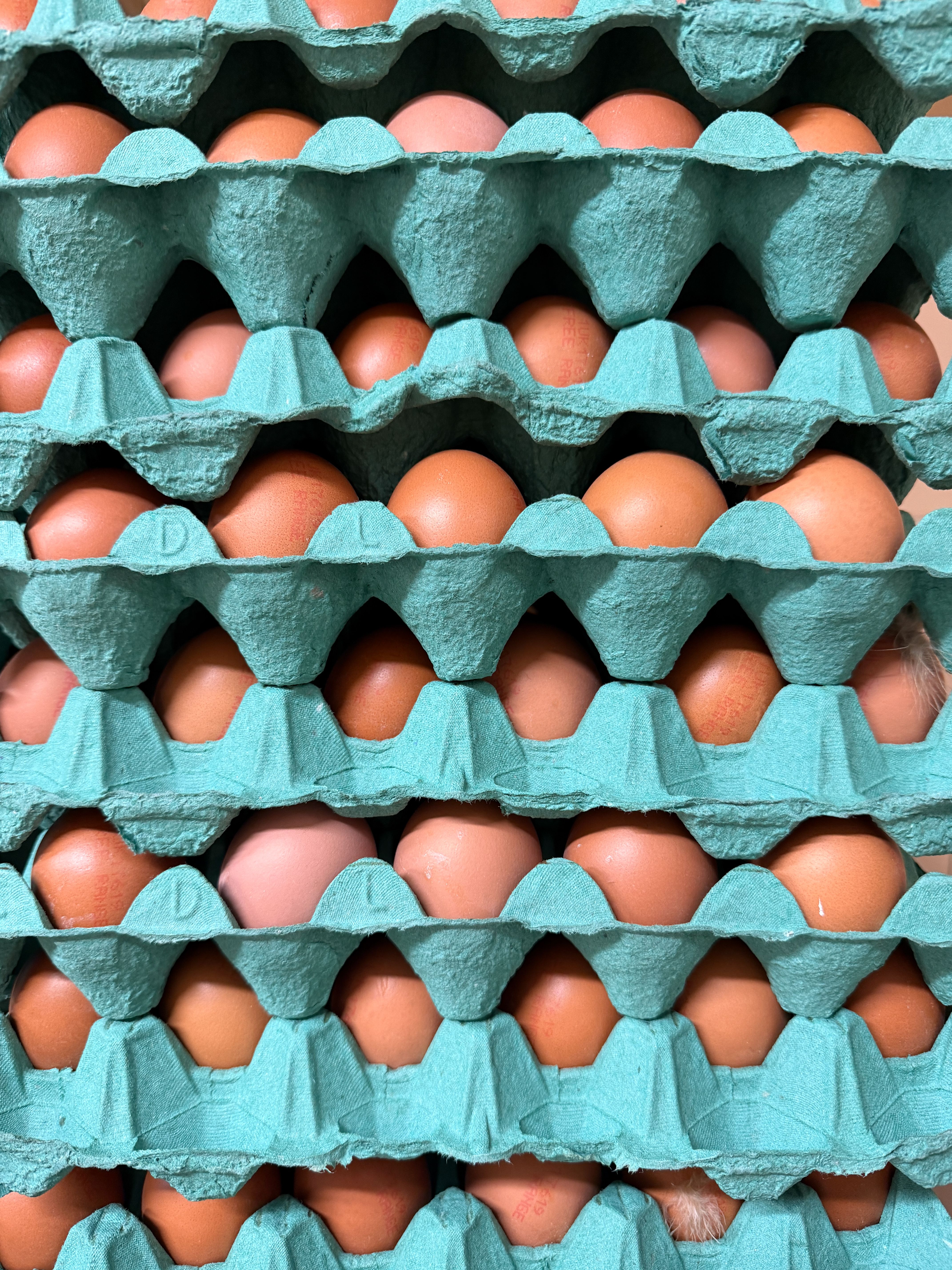
Eggs have become a textbook example of how quickly a basic item can get more expensive when production is disrupted. In Canada, prices have not surged as wildly as in some other countries, but shoppers have still seen noticeable increases on many store shelves.
One major reason is avian influenza. Outbreaks in North America have forced farms to cull birds, tightening supply and raising costs throughout the system. Rebuilding flocks takes time, so the impact can linger well beyond the initial headlines.
There are also the regular cost pressures tied to feed, housing, labour, and transport. Egg farmers operate within a tightly managed system, but that does not shield them from inflation in day-to-day operations. Consumers may still view eggs as a value protein, yet the days of reliably cheap cartons are harder to count on.
Butter

Butter prices can feel especially frustrating because the product is simple, familiar, and widely used. It goes into toast, baking, sauces, and holiday meals, so even a small increase lands in many parts of the household budget.
The same dairy cost pressures affecting milk also shape butter pricing, but butter has its own demand story. Home baking remains strong during cooler seasons and holiday periods, while restaurants and food manufacturers also compete for cream supplies that ultimately become butter.
That creates a squeeze when milk production growth is limited and processing costs stay high. Packaging, refrigeration, and transport add more pressure. Canadians may not buy butter every week, but when they do, many are finding that a staple once treated as routine now feels more like a purchase to watch.
Coffee
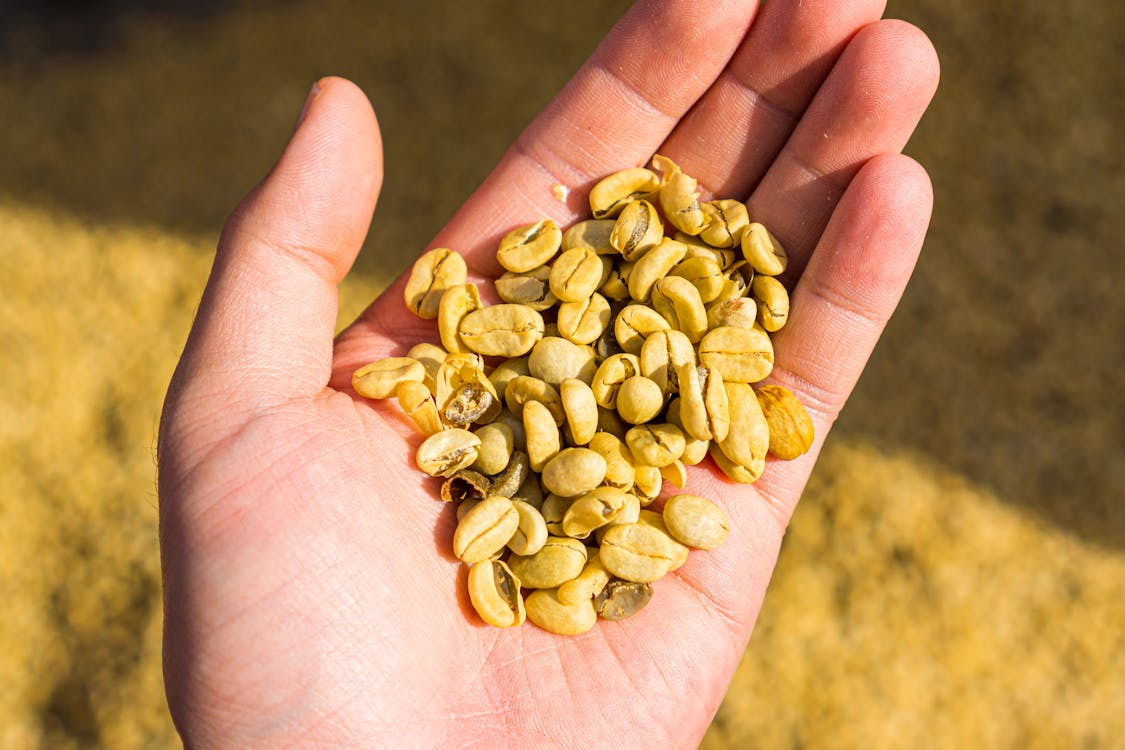
Coffee is not grown in Canada, which makes it especially vulnerable to global disruptions before it ever reaches a local grocery aisle. This year, Canadians have felt that in the price of ground coffee, beans, and even some instant products.
Weather has been a major driver. Poor harvest conditions in major producing countries such as Brazil and Vietnam have affected supply expectations, while shipping and currency movements have added more uncertainty. When green coffee becomes more expensive in world markets, roasters eventually pass some of that cost along.
Packaging and retail strategy matter too. Some brands have held sticker prices steady while shrinking bag sizes, a tactic shoppers often notice only after a few purchases. Whether the increase comes through a higher shelf price or less coffee for the same money, the effect on the breakfast routine is the same.
Orange Juice

Orange juice has become one of the clearest examples of climate stress showing up in the grocery cart. Canadian shoppers are paying for problems that begin far from home, particularly in citrus-growing regions that have faced disease, storms, and weaker harvests.
Brazil and Florida remain central to global orange juice supply, and both have dealt with serious production issues. Citrus greening disease has reduced yields, while extreme weather has made harvests less predictable. Lower supply pushes up concentrate costs, which then filters into retail prices in Canada.
Import dependence makes the category even more sensitive. Exchange rates, freight charges, and processing expenses all add to the final cost. For households used to treating orange juice as a basic breakfast staple, this year's pricing has been a reminder that even familiar items can become more expensive when agriculture and climate collide.
Potatoes
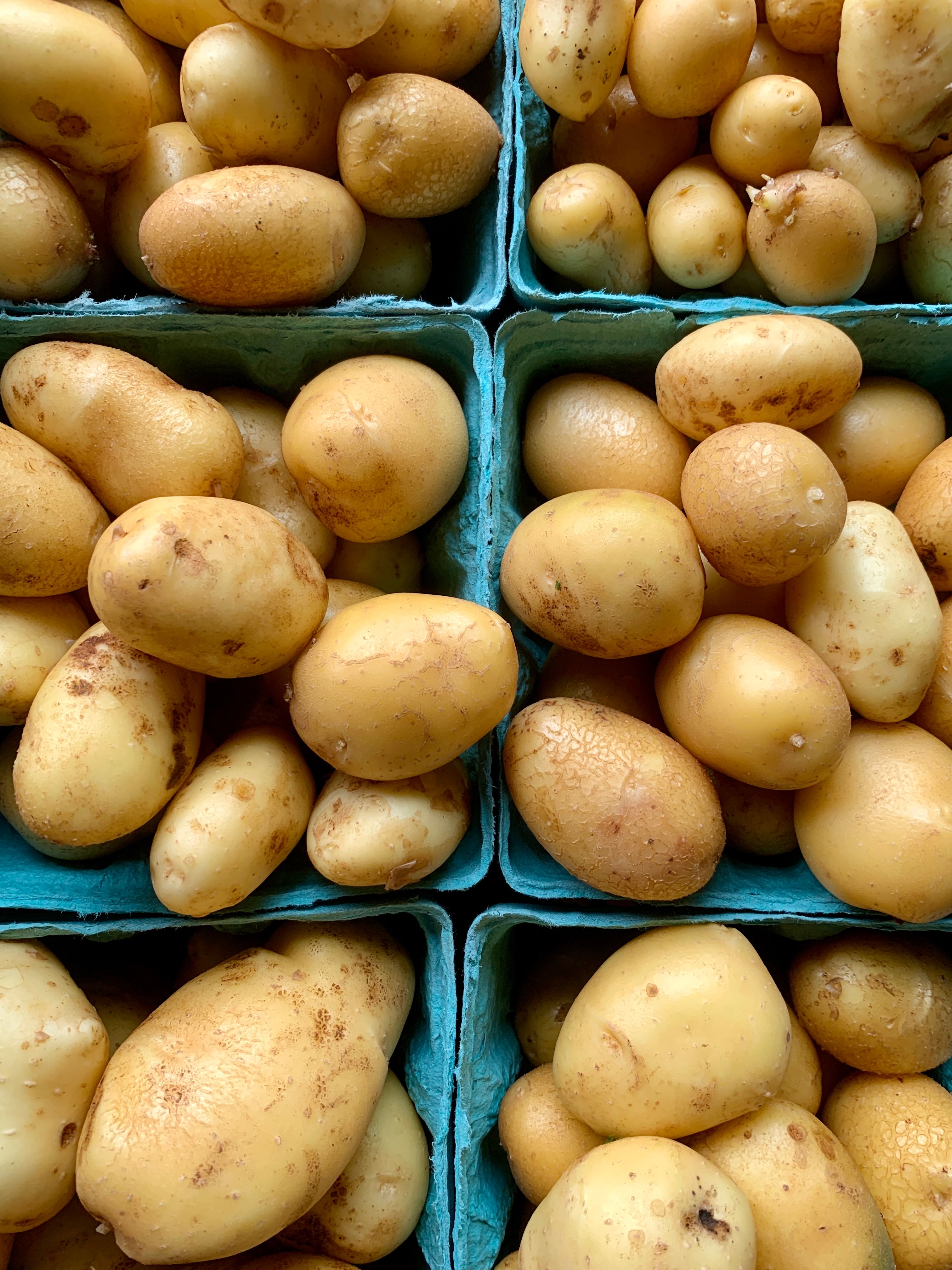
Potatoes seem like the ultimate stable staple, but they are still an agricultural product vulnerable to weather and storage costs. In Canada, prices have moved higher in some regions as growers and retailers deal with uneven harvest conditions and more expensive operations.
Too much rain, drought, or unusual temperature swings can hurt both yield and quality. Potatoes also need careful storage for months, which means energy costs matter long after harvest ends. If electricity and fuel stay elevated, keeping potatoes in good condition becomes more expensive.
Transportation adds another layer, especially for a country where produce often travels long distances between provinces. Processed potato demand also influences the fresh market because fries, chips, and frozen products compete for supply. What looks like a humble side dish is actually tied to a broad and costly supply chain.
Ground Beef
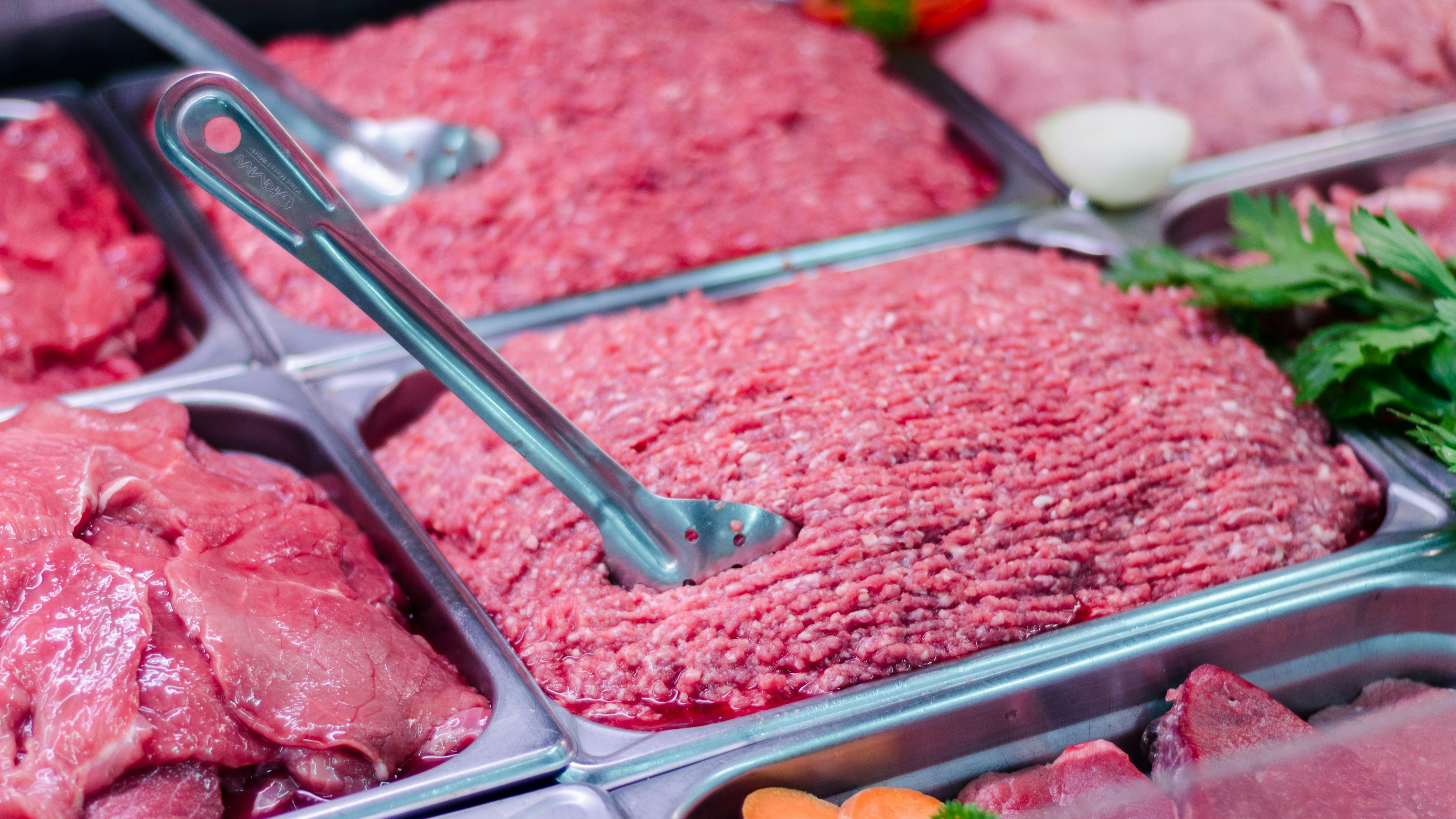
Ground beef often serves as the budget-friendly entry point for shoppers who still want red meat. That is why its price increases have stood out this year, even when premium steak cuts draw more attention in headlines and flyers.
Cattle supply has been tight across North America, shaped by drought-related herd reductions, expensive feed, and slow rebuilding. Ranchers who culled animals during difficult seasons cannot restore supply overnight. That leaves processors and retailers competing for fewer animals, which supports higher beef prices.
Ground beef is also affected by grinding demand because it is used in burgers, pasta sauces, tacos, and countless low-effort meals. When consumers trade down from pricier cuts, demand for ground beef strengthens further. The result is a staple that still feels practical, but not nearly as inexpensive as many Canadians remember.




Leave a Reply