
Canada's food culture is full of comfort classics, regional pride, and a few dishes that inspire serious debate south of the border. Some are beloved national staples, while others strike American diners as too strange, too messy, or simply too unfamiliar. Here are eight Canadian foods that often make Americans pause before taking a bite.
Poutine

At first glance, poutine can look like a dare disguised as dinner. To Canadians, it is a comfort-food icon. To many Americans, it reads like someone emptied a diner fryer basket and then doubled down with gravy.
The basic formula is fries, cheese curds, and hot brown gravy, but texture is where the debate starts. Americans who love crisp fries often struggle with the soggy finish, especially once the gravy softens everything. The cheese curds, prized in Quebec for their squeaky bite, can also feel oddly unfinished to people expecting melted cheese.
Its reputation does not help. Poutine is rich, salty, heavy, and unapologetically messy, which makes it easy to mock even though it remains one of Canada's most recognizable dishes.
Ketchup Chips
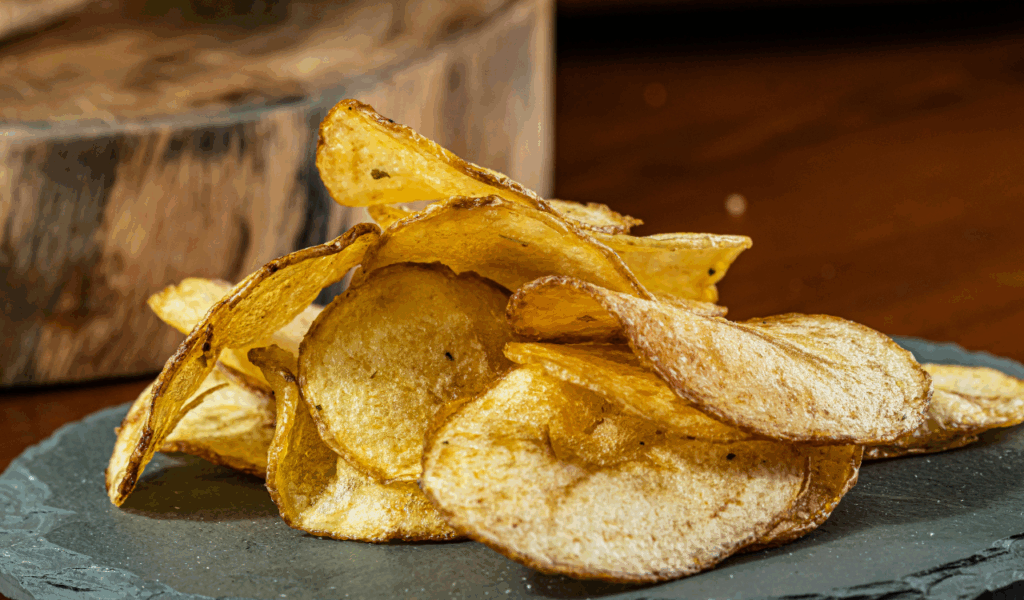
Few snacks confuse Americans faster than ketchup chips. The idea sounds like a prank, yet in Canada they are a supermarket staple with a loyal following and a flavor that sparks instant nostalgia.
The resistance usually comes from expectation versus reality. Americans know ketchup as a dipping sauce for fries or burgers, not as powdered seasoning coating every finger in a bright red dust. The taste lands somewhere between sweet, tangy, vinegary, and aggressively tomato-forward, which can feel louder than standard barbecue or sour cream and onion.
Then there is the appearance. The chips stain fingertips, look intensely seasoned, and smell unmistakably like ketchup. For fans that is the whole point. For skeptics, one whiff is often enough.
Butter Tarts

Butter tarts seem harmless until the first bite turns into a sticky argument about texture. They are small pastry shells filled with a buttery, sugary mixture that can range from runny to firm, and that variation alone is enough to divide a room.
Many Americans expect something closer to pecan pie or a neat bakery tart. Instead, they get a dessert with a filling that can feel almost syrupy, sometimes with raisins, sometimes with nuts, and often with more sweetness than they bargained for. The center can ooze, cling, and overwhelm if you are not raised on it.
That intensity is exactly why Canadians defend them. Butter tarts are old-fashioned and deeply traditional, but to newcomers they can taste like pure sugar wearing a pastry crust.
Nanaimo Bars
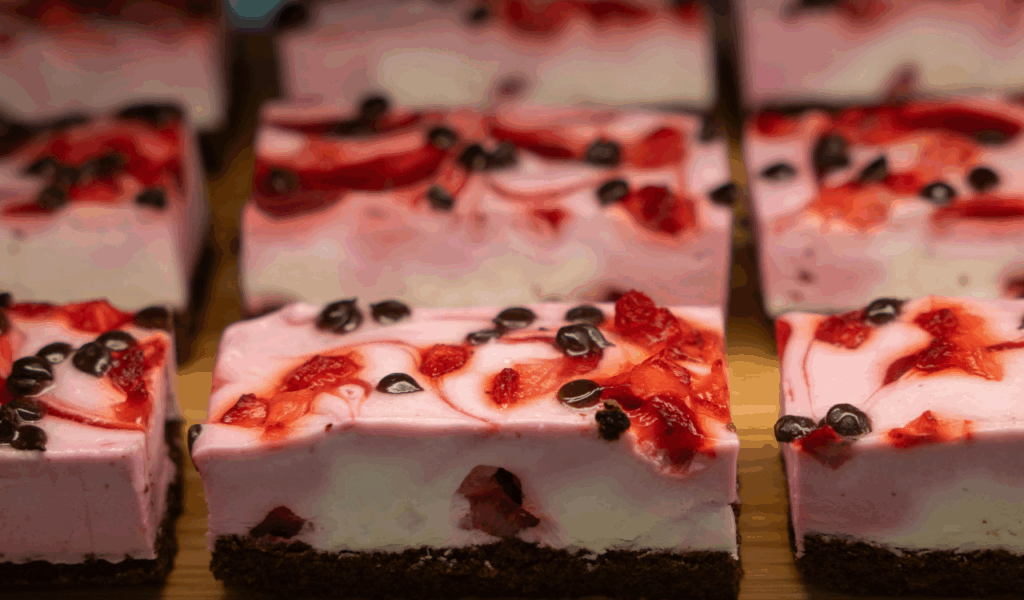
Nanaimo bars look polished, but they can be a lot to process. This no-bake Canadian dessert stacks a crumbly chocolate-coconut base, a sweet custard-flavored middle, and a firm chocolate top into one very dense square.
For many Americans, the issue is not whether it tastes good. It is whether it tastes like too many desserts at once. The middle layer is especially polarizing because it is rich and creamy in a way that can seem almost confectionery rather than cake-like. Add the chewy base and snappy top, and every bite becomes a texture pileup.
Fans love the contrast and indulgence. Critics find it heavy, overly sweet, and oddly old-school, like a holiday tray dessert that refuses to stay in its lane.
Caesar Cocktail

The Caesar is one of those drinks that makes perfect sense in Canada and prompts a long stare in the United States. Built with vodka, hot sauce, Worcestershire, and Clamato, it is savory, briny, and proudly weird to anyone who did not grow up with it.
Clamato is the sticking point. Americans may already be split on Bloody Marys, but tomato juice mixed with clam broth can be a step too far. Even people willing to try it often struggle with the oceanic undertone, especially when the drink comes loaded with celery, pickles, or other garnish theatrics.
Canadians see it as a brunch classic with real personality. Americans who prefer cleaner cocktails often hear the ingredients and decide that one sip is plenty adventurous.
Tourtière
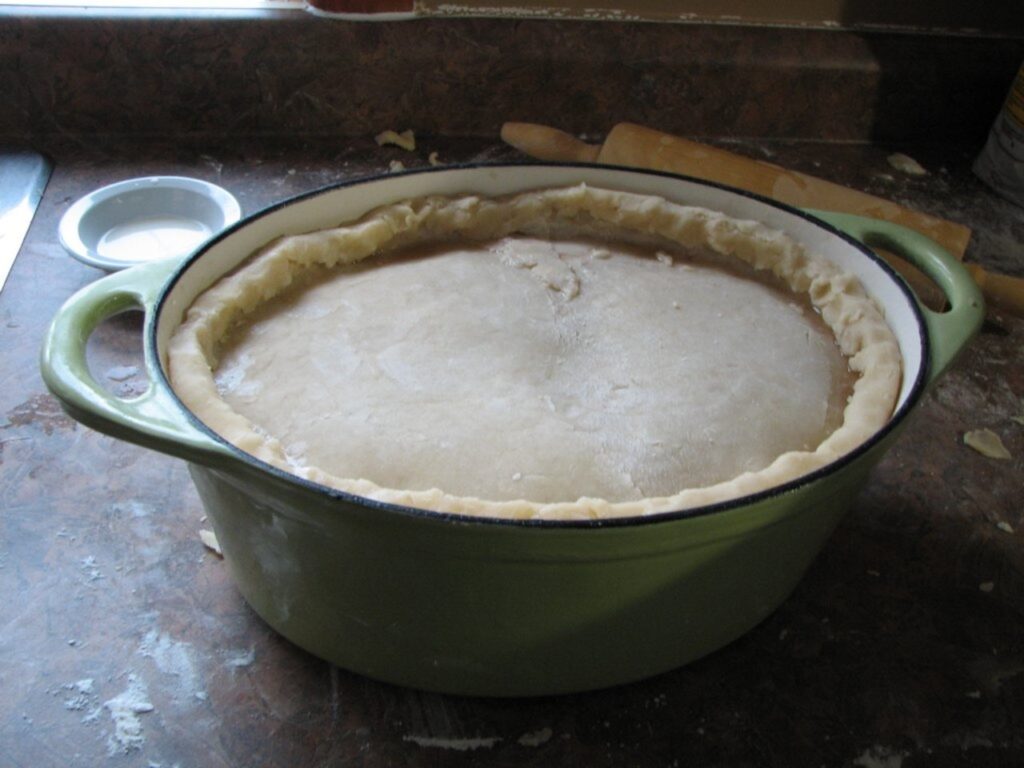
Tourtière is a meat pie with deep roots, especially in French Canadian holiday traditions, but it can puzzle Americans who expect either a flaky pot pie or a hearty British-style savory pie. What they get instead is something denser, more spiced, and more restrained.
The filling usually features minced pork, beef, veal, or a mix, seasoned with warming spices like cinnamon, clove, allspice, or nutmeg. That sweet-savory profile is where some Americans hesitate. In the United States, those flavors are often associated with desserts, not meat packed into a pastry shell.
Texture also matters. Tourtière is compact and grounded rather than saucy, which can make it feel dry to first-timers. For Canadians it is festive comfort. For skeptics, it can read as unexpectedly old-world.
Montreal-Style Bagels
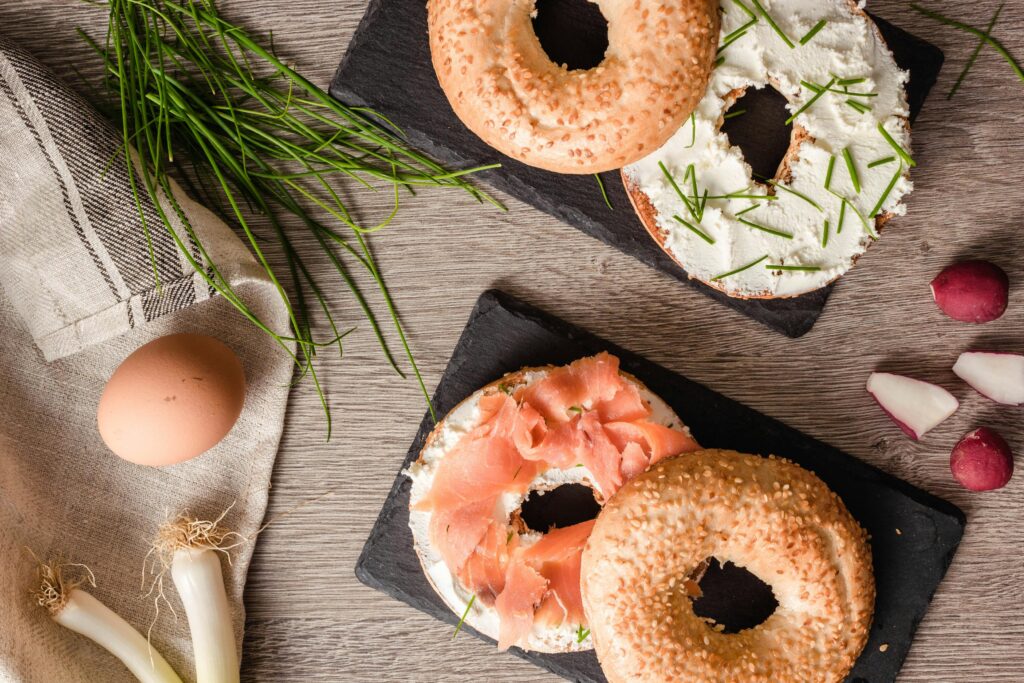
Bagel lovers in the United States can be fiercely loyal, which is exactly why Montreal-style bagels face resistance. They are smaller, thinner, denser, sweeter, and wood-fired, with a chew that feels very different from the puffier New York version many Americans treat as the standard.
The dough is boiled in honey-sweetened water before baking, and the result is a glossy crust with a distinct sweetness. To fans, that gives the bagel character. To critics, it throws off the balance, especially when paired with savory toppings like smoked salmon or cream cheese.
Then there is the size. Americans used to oversized bagels may see Montreal's version as less substantial. What Canadians call elegant and flavorful, others dismiss as too lean, too chewy, or just not their bagel.
Split Pea Soup
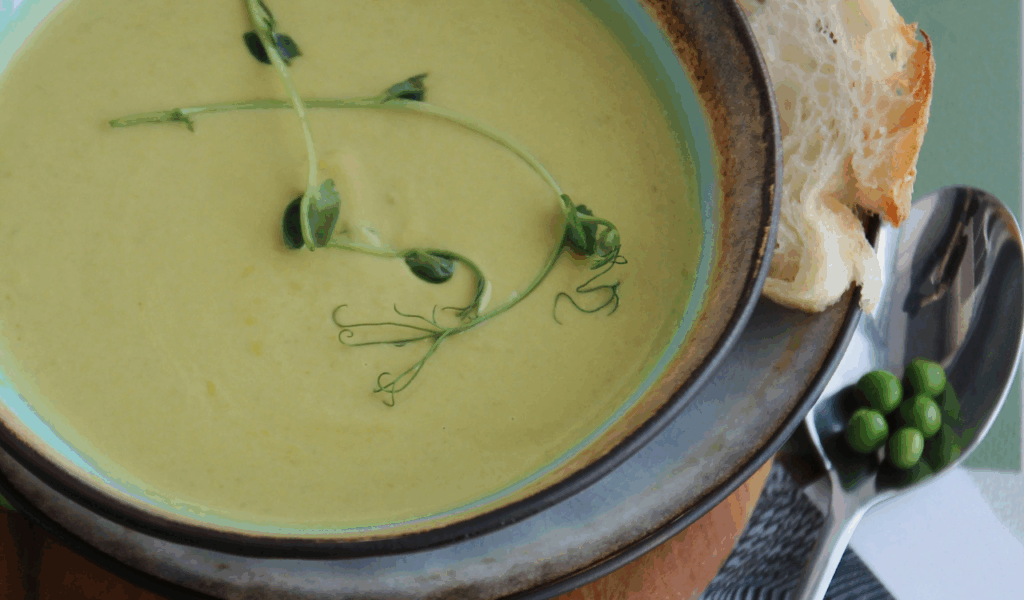
Split pea soup is a humble classic that asks diners to look beyond appearances, and that is exactly where it loses some Americans. The thick yellow or green bowl in front of them can look more medicinal than appetizing, especially to people raised on brothy soups.
In Canada, especially in Quebec, it is a traditional, filling dish often made with split peas, pork, and simple aromatics. The flavor is earthy and practical, more farmhouse than flashy. That can be a hard sell in an era when many restaurant soups lean brighter, creamier, or more visually inviting.
Texture is the final hurdle. It is hearty to the point of being dense, and its soft consistency is not for everyone. For loyalists it is nourishing comfort. For outsiders, it can feel like edible fog.


Leave a Reply