
Every grocery run has its own tiny social code, and most Canadians seem to know it without anyone ever saying it out loud. From where to park the cart to how long to chat in the cereal aisle, these habits help keep the store calm, courteous, and just a little less chaotic. If you have ever whispered "sorry" while reaching for pasta sauce, this one will feel very familiar.
You don't park your cart like you own the aisle

The quickest way to turn a calm grocery run into a traffic jam is to leave a cart sideways in the middle of the aisle. Most shoppers know the move is to keep the cart close, tuck it alongside the shelf, and stay aware of who is trying to pass.
It sounds minor, but aisle flow matters, especially during busy hours when everyone is trying to get in and out. A cart parked thoughtfully saves others from awkward detours, repeated "excuse me" exchanges, and that silent Canadian stare that means, politely, please move.
The unspoken rule is simple: your cart should never become public infrastructure. If you need to compare labels or dart across to another shelf, bring it with you or place it where it causes the least disruption.
You put unwanted items back where they belong

There is something strangely universal about spotting a random yogurt in the paper towel aisle, but nobody really admires the person who left it there. Canadians tend to understand that changing your mind is fine, but abandoning the item in a totally different section is not.
This matters even more with refrigerated and frozen foods. Once those products sit in the wrong temperature zone for too long, stores often have to toss them, which creates waste and extra cost that helps no one.
If you no longer want something, the courteous move is to return it to its original spot or hand it to an employee. It keeps shelves organized, cuts down on waste, and saves staff from doing a scavenger hunt through the store later.
You return the cart instead of abandoning it outside

The grocery trip is not officially over until the cart goes back where it belongs. In parking lots, loose carts take up spaces, roll into vehicles, and create one more avoidable headache for shoppers and staff alike.
That is why cart return etiquette feels almost sacred. Even when the weather is miserable or the trunk is full, most people know the decent thing is to walk it back rather than leave it perched on a curb or drifting between cars.
Some stores use clever systems to encourage this, but the principle is bigger than policy. Returning your cart is one of those tiny acts that says you understand shared spaces only work when everyone does their part, even after they have paid and packed up.
You respect the express lane limit
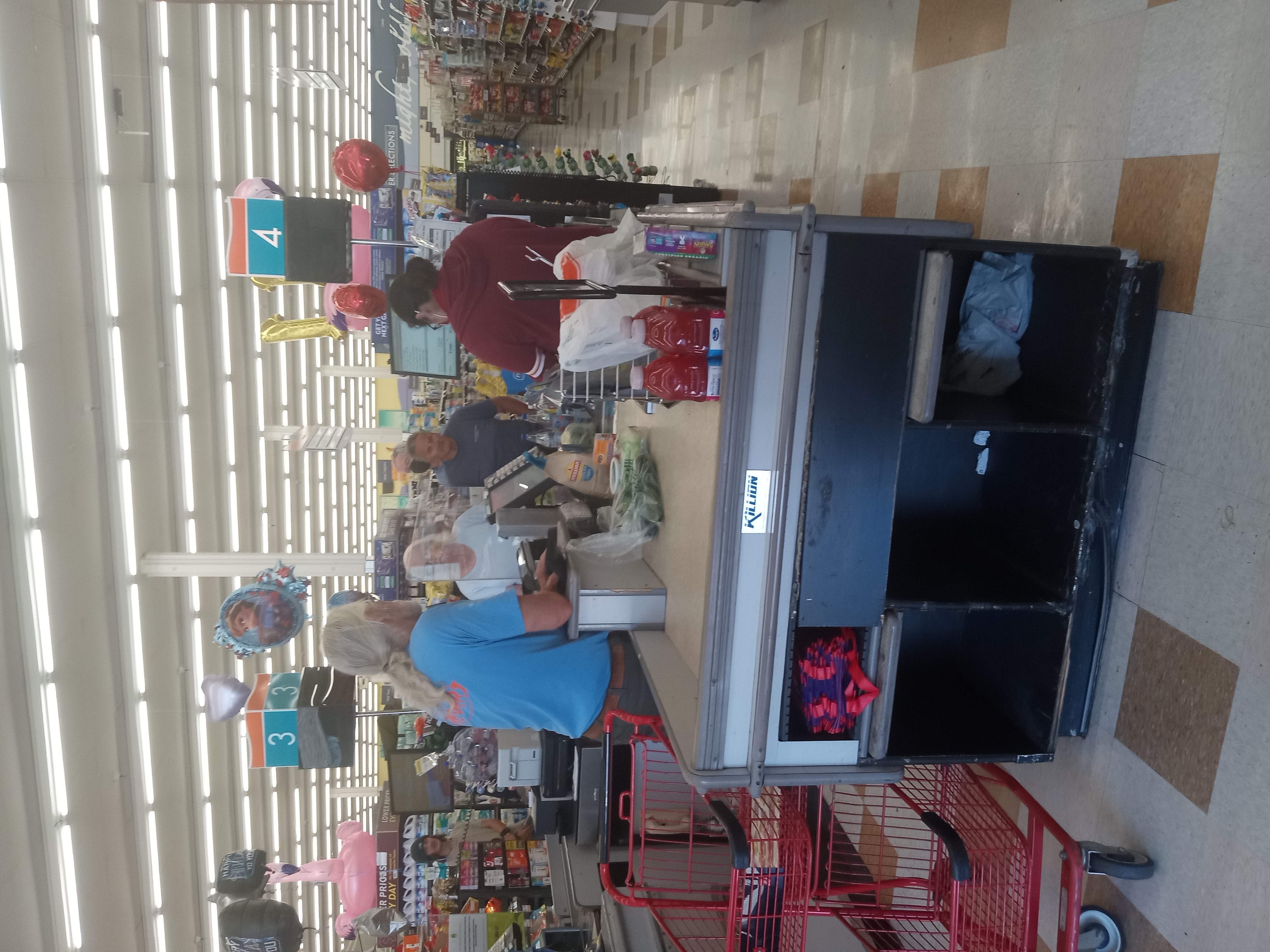
The express lane has one job: help people with a small number of items get through quickly. So when someone rolls up with a packed cart and the sign clearly says 15 items or less, it instantly throws off the rhythm everyone else was counting on.
Most Canadians treat the limit as more than a suggestion. If you are one or two items over, people may shrug it off, but showing up with a week's worth of groceries feels like cutting the line with extra steps.
The same logic applies to quick-stop parking spaces and self-checkout areas designed for lighter trips. Using the right lane for the right load is a quiet way of showing consideration for other shoppers who planned their trip around speed and convenience.
You leave people a little personal space

Few things make a grocery store feel more stressful than a stranger's cart practically touching your heels in line. One of the clearest unwritten rules is to leave a bit of breathing room, whether you are waiting at checkout or reaching into the same packed aisle.
That extra foot or so changes the whole mood. It gives people space to unload groceries, pay, and gather themselves without feeling rushed or crowded by the person behind them.
In the aisles, the same idea applies. A quick "excuse me" and a little patience go a long way when someone is comparing products or reading labels. Respecting personal space does not slow the trip down much, but it makes the whole experience feel noticeably more civil.
You keep aisle chats short and moving

Running into someone you know at the store is almost guaranteed, and yes, there is usually a cheerful hello involved. The unspoken Canadian upgrade is knowing that the middle of the pasta aisle is not the place for a full catch-up session.
Once two carts stop side by side, the aisle narrows fast and everyone else has to work around the conversation. What starts as a quick greeting can turn into a mini roadblock before either person realizes it.
The polite move is to keep it brief, shift aside, or continue the conversation somewhere that does not interfere with shopping traffic. It is not about being unfriendly. It is about recognizing that a grocery store is a shared mission zone, not a social lounge.




Leave a Reply