
Canadian fast-food history is often remembered as cozy, nostalgic, and proudly local. But the early years were also shaped by strict regional divides, unusual menus, aggressive expansion, and changing ideas about convenience. This gallery revisits six surprising truths that helped build the quick-service culture Canadians know today and shows how much has been edited out of the popular memory.
Fast food in Canada began as a patchwork, not a national trend

The common myth is that Canadian fast food arrived as one big wave, but the truth is far more fragmented. In the 1950s and 1960s, chains grew city by city and province by province, often serving very local tastes rather than building a single national identity. What sold well in Ontario did not automatically work in Quebec, the Prairies, or Atlantic Canada.
That mattered more than people now realize. Early operators dealt with different supply networks, road systems, language realities, and even different dining habits. Before modern distribution made sameness easy, Canadian fast food was surprisingly regional, and many small chains thrived simply because they understood one local market better than a national rival did.
Drive-ins and car culture shaped the menu as much as taste did
One of the least discussed truths about early Canadian fast food is how deeply it was tied to the automobile. In the postwar decades, suburban growth and expanding road travel changed where restaurants opened and what they sold. Food had to be quick to carry, easy to eat in a car, and simple to produce in large volumes.
That helps explain why burgers, fries, fried chicken, and handheld sandwiches became staples. The menu was not just about flavor. It was about speed, portability, and predictable assembly. Early Canadian quick-service restaurants were designed around parking lots, drive-ins, and roadside visibility, which meant the car was almost as important as the kitchen in shaping the business.
Coffee and donuts became a national force long before burgers dominated

Many people assume the burger was always the heart of Canadian fast food, but coffee-and-donut shops became just as important, and in some places more important. Long winters, shift work, highway travel, and an appetite for affordable comfort food gave these shops unusual staying power. They were not simply snack stops. They became routine parts of daily life.
This was especially significant in Ontario, where chains like Tim Hortons built loyalty through repetition and convenience rather than novelty. A hot coffee, a donut, and a quick counter interaction fit the rhythm of workers, drivers, and families. In Canada, fast food culture was built as much around warmth and habit as around burgers and fries.
Canadian chains borrowed heavily from the United States but still had to localize

Early Canadian fast food was never created in a vacuum. American restaurant models had a major influence on everything from kitchen systems to branding to franchising. The ideas of standardization, speed, and recognizable signage crossed the border quickly, especially as television, car culture, and consumer advertising expanded.
But copying the American formula was never enough. Canadian operators had to adapt to bilingual packaging, local tastes, stricter weather conditions, and a different scale of geography. Even supply logistics were tougher in a country with long distances and smaller population clusters. The result was a hybrid system: visibly inspired by the United States, yet constantly adjusted to fit Canadian realities that outsiders often underestimated.
The early menus were far less healthy than nostalgia suggests
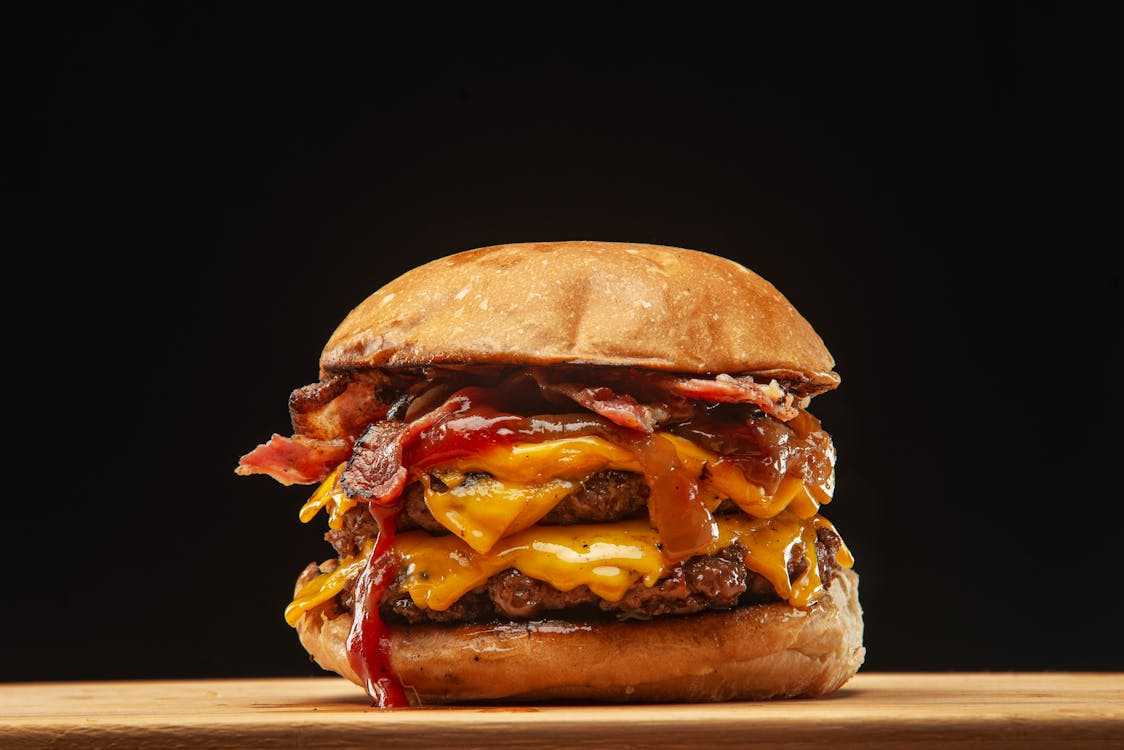
There is a comforting story that older fast food felt more homemade and somehow more wholesome. In reality, many early menus were loaded with deep-fried items, sugary drinks, rich gravies, and oversized portions of starch and meat. Convenience was the selling point, not nutrition, and health messaging was barely part of the conversation.
Ingredients also reflected the era. Processed cheese, white buns, frozen fries, breaded meats, and heavily salted recipes were common because they stored well and delivered consistency. What people now remember as simple food was often engineered for speed, cost control, and broad appeal. The nostalgia is real, but the nutritional reality was usually much rougher than the memory.
Franchising changed everything, including labor and local ownership

A big hidden shock in early Canadian fast food history is how quickly franchising transformed the business. At first glance, franchising looked like a path for local entrepreneurs to run their own restaurant with a proven brand. In many cases, that was true. It allowed rapid expansion into new towns without a company building every store itself.
But the model also changed power inside the industry. Head offices gained more control over menus, pricing, decor, and operations, while workers entered increasingly standardized jobs built around strict efficiency. That shift mattered because it turned fast food from a local hospitality business into a tightly managed system. By the 1970s and 1980s, sameness had become one of the product's main promises.




Leave a Reply