
In 2008, a familiar grocery staple became the center of one of Canada's most alarming food safety crises. The Maple Leaf Foods listeria outbreak killed 23 people, sickened dozens more, and exposed unsettling weaknesses in inspection, sanitation, and public accountability. These seven facts show why the scandal still matters every time packaged food lands in a shopping cart.
A common deli product turned deadly

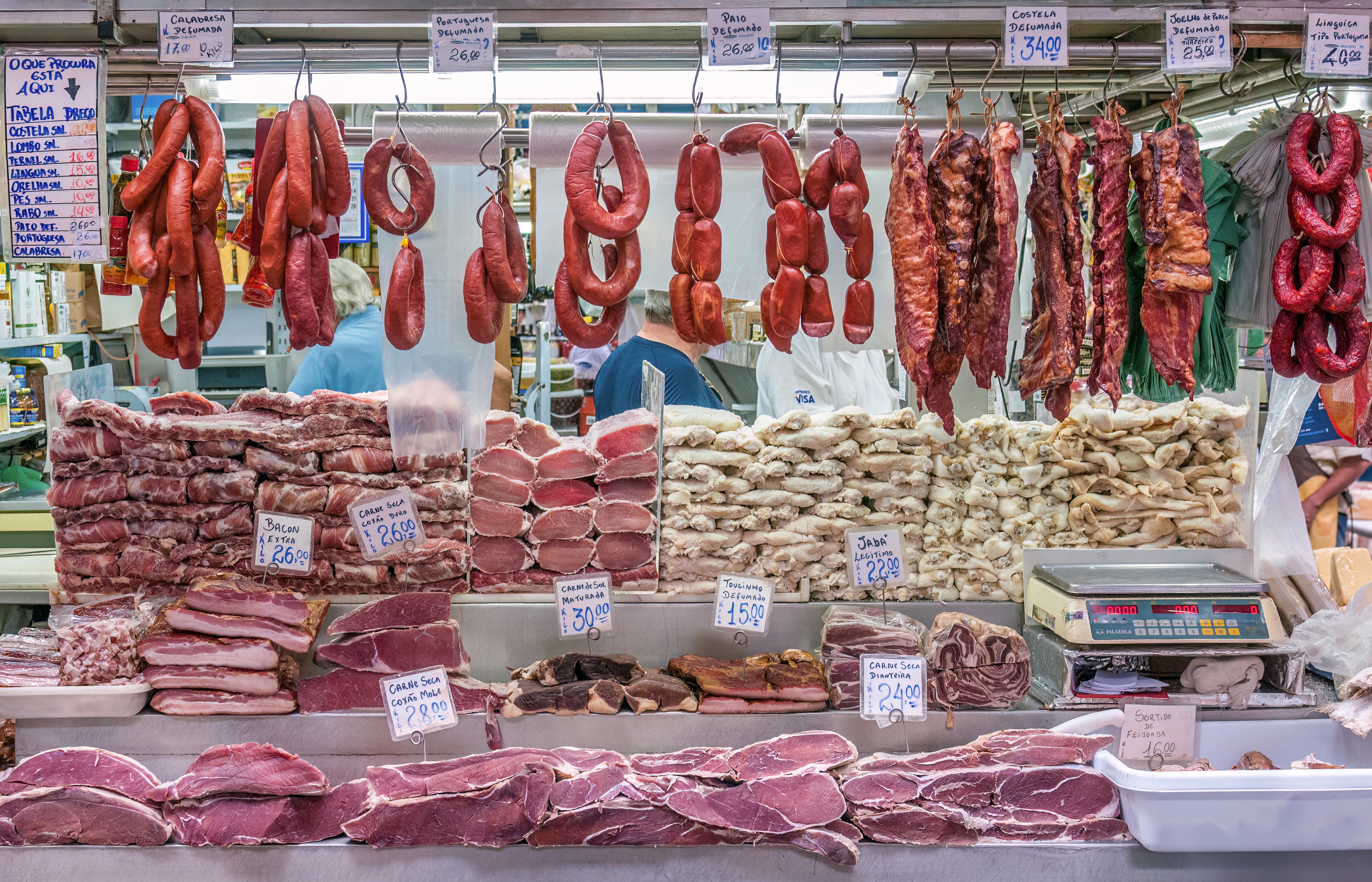
What made this outbreak so unsettling was how ordinary the food seemed. The illness was traced to ready-to-eat cold cuts from Maple Leaf Foods' Bartor Road plant in Toronto, a product category many people treat as safe because it is cooked and sold fully prepared.
According to official reporting on the 2008 Canadian listeriosis outbreak, there were 57 confirmed cases and 23 deaths. Another 35 people suffered non-fatal illness. That death toll gave the outbreak a chilling place in Canadian public memory.
The danger was especially serious for older adults, hospital patients, and others with weaker immune systems. In other words, the people most likely to trust convenient, ready-to-eat foods were often the ones most at risk.
The contamination likely happened after cooking

One of the hardest truths to absorb was that the meat was probably contaminated after it had already been cooked. Listeria monocytogenes was linked to lines 8 and 9 at the Toronto facility, and experts believed the bacteria likely entered during packaging rather than during the cooking process.
That detail matters because it shattered a simple assumption many consumers make. If food has been cooked, people tend to believe the danger is gone. This outbreak showed that a food can leave the oven safe and still become hazardous before it reaches the shelf.
It also pointed to a familiar industrial weak spot: equipment surfaces, hard-to-clean machinery, and post-cook handling areas where bacteria can linger if sanitation slips even slightly.
Hundreds of products were caught in the recall

This was not a narrow recall involving a single label or one bad batch. About 220 possibly contaminated products were swept into the warning, many stamped with the code "97B" near the best-before date, tying them back to the implicated plant.
That scale made the crisis especially disruptive. Consumers had to inspect refrigerators, grocery stores pulled stock, and public health officials worked to communicate which products might be dangerous. For many households, the recall turned a routine lunch item into something suddenly suspicious.
The breadth of the recall also revealed how far one processing plant's output can travel. A problem inside one facility did not stay local. It quickly became a national food safety emergency.
Inspectors were spending surprisingly little time inside the plant
Few details were more alarming than the inspection numbers that surfaced afterward. CBC reported that federal inspectors usually spent less than 5 hours a day at the plant in the months before the outbreak, and sometimes as little as 70 minutes.
For the public, that figure landed with a thud. A major food plant producing ready-to-eat meat seemed like exactly the kind of place where people expected constant, visible oversight. Instead, the reported inspection presence looked much lighter than many Canadians assumed.
That revelation fed a bigger debate about whether inspection systems had become too dependent on company-run controls, with government officials acting more as overseers than line-by-line watchdogs inside high-risk facilities.
The outbreak exposed a fierce political fight over food oversight

The illness was not only a health crisis. It quickly became a political one. Debate erupted over whether the Canadian Food Inspection Agency had moved too far toward an oversight model in which companies handled more of their own food safety systems while federal inspectors stepped back from constant line monitoring.
Opposition politicians argued that a more industry-friendly approach had weakened protection. Government officials defended the system, saying inspectors had been added and that smarter oversight, not necessarily standing line by line, was the goal.
For ordinary Canadians, the technical language barely softened the central fear. If a deadly outbreak could happen in a major national brand's plant, people wanted to know exactly who was in charge and who was accountable when safeguards failed.
Maple Leaf's response was unusually public and costly

Maple Leaf Foods moved to recall products before the outbreak was officially linked to its plant, then expanded the recall further once the connection was confirmed. CEO Michael McCain delivered a direct public apology, expressing sympathy to families and acknowledging the company's products had been linked to illness and death.
That level of visible corporate accountability stood out. Companies often sound guarded during crises, but this response was notably plainspoken. It did not erase the harm, yet it became one of the most discussed elements of the aftermath.
Behind the scenes, the cleanup was massive. About 80 workers took part in sanitation, outside experts supervised, hundreds of employees required training, and the recall reportedly cost the company about $20 million.
Some of the public reaction was shockingly insensitive

Not every response to the tragedy inspired confidence. One of the ugliest moments came when Agriculture Minister Gerry Ritz's remarks from an August 2008 conference call became public. His comments about "death by a thousand cuts" and "cold cuts" drew national outrage.
The backlash was immediate because the humor felt wildly out of step with the human cost. Families were grieving, the death toll was rising, and Canadians were looking for seriousness, clarity, and compassion from public officials.
Ritz later apologized, and the Prime Minister's Office called the comments tasteless and inappropriate. Still, the episode deepened the impression that parts of the official response had failed not just administratively, but morally.



Leave a Reply