
Chain restaurants are built for consistency, but former kitchen staff say not every menu item gets the same level of care. Some dishes sit too long, some are difficult to keep fresh, and others rely heavily on reheating or shortcuts. If you want a smarter order the next time you dine out in Canada, these are the menu picks many ex-employees say are worth skipping.
Fish on a Slow Day
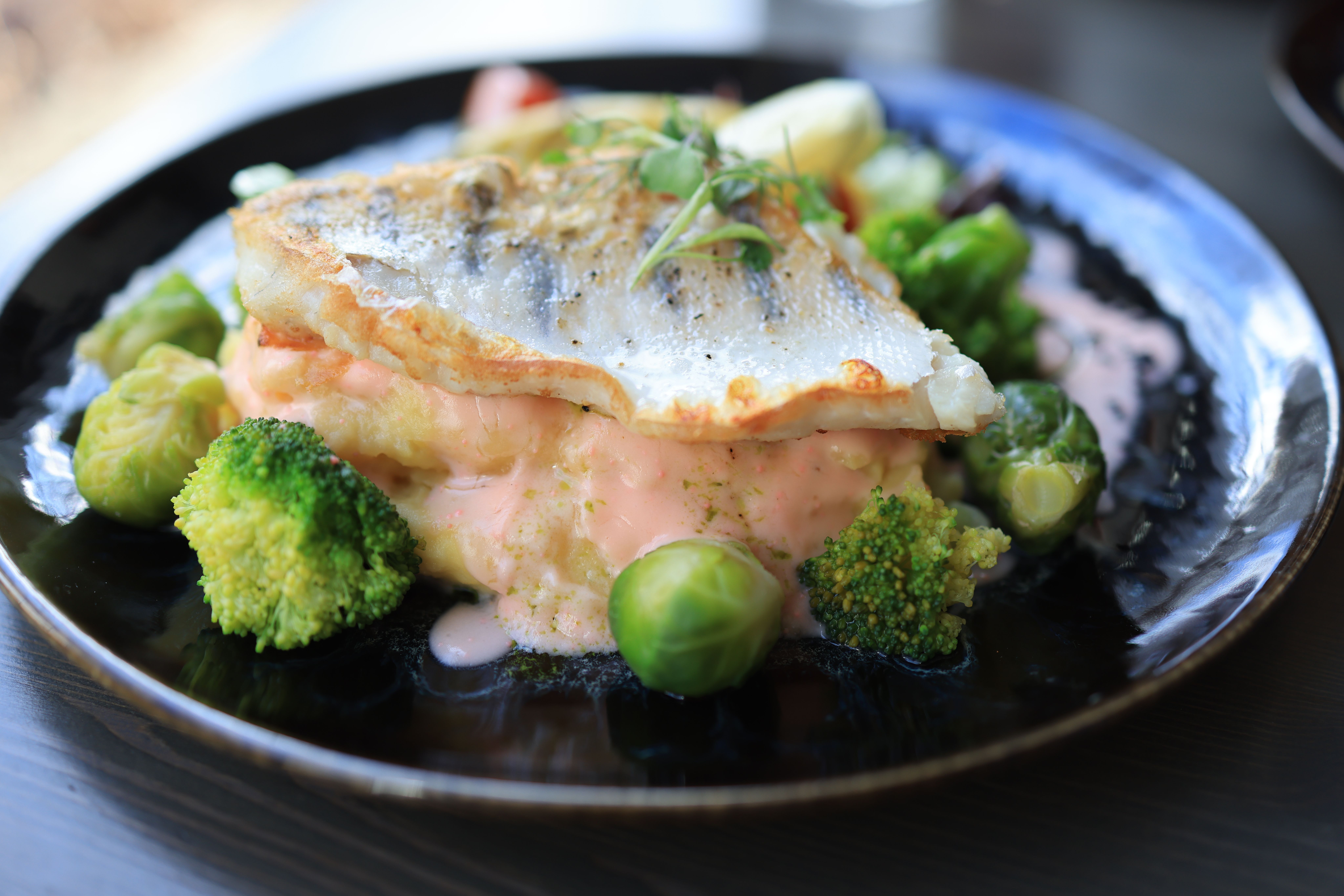
Seafood can be excellent, but former kitchen staff often say it is one of the riskiest orders when the restaurant is not known for it. In many chain kitchens, fish does not move as quickly as burgers, chicken, or fries, which means turnover can be slower.
That matters because fish is highly perishable and quality drops fast, even when it is stored correctly. Ex-workers often warn that on quiet weekdays or late-night shifts, you may get a piece that has been hanging around longer than ideal, then dressed up with sauce, seasoning, or a fryer basket.
Brunch Hollandaise
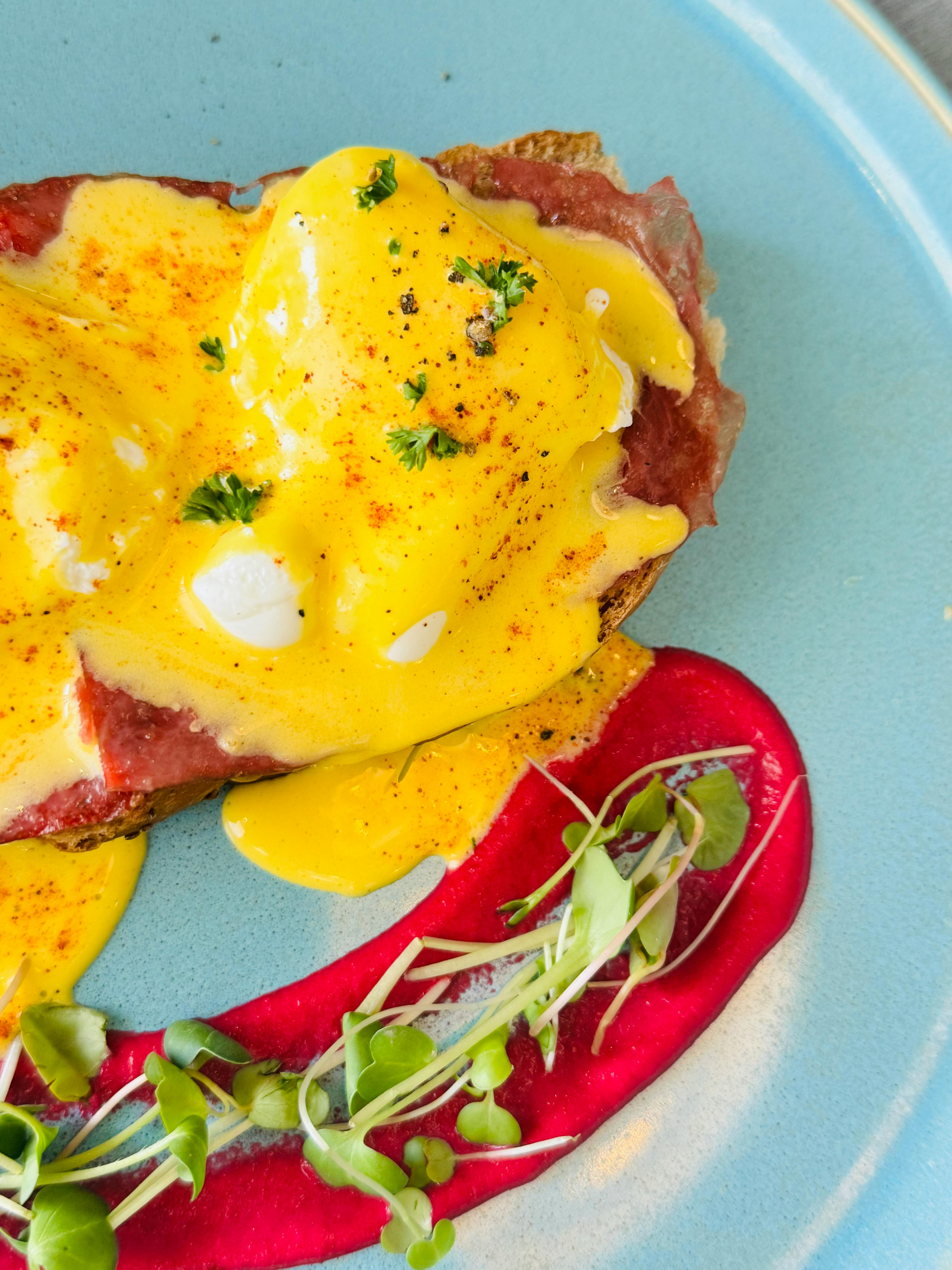
Few sauces are as fussy as hollandaise, which is exactly why former kitchen staff bring it up so often. It is made with egg yolks and butter, and it needs tight temperature control to stay safe and smooth without splitting or sitting too long.
In chain settings, brunch rushes can be hectic, and sauces may be held warm for service longer than diners realize. Ex-employees frequently say that if a restaurant is not running a tightly managed brunch program, hollandaise can become a weak point in both texture and food safety.
Soup of the Day

Soup sounds like a safe, cozy choice, but former kitchen workers often describe it as a catch-all item. In many chain restaurants, soups are made in batches, cooled, reheated, and sometimes used to stretch ingredients that need to be moved before a fresh order comes in.
That does not automatically make soup bad, but it can mean uneven freshness and salt levels that run high. Ex-staff often say the bigger issue is age. A soup may technically still be in rotation while tasting tired from repeated heating and holding.
Well-Done Steak

Asking for steak well-done is not wrong, but former kitchen staff say it can leave you with the weakest version of an already expensive dish. In some kitchens, lower-grade or thinner cuts are more likely to be pushed toward orders that will be cooked long enough to hide texture issues.
A steak taken that far also loses moisture fast, especially under heat lamps or during a busy service. Ex-employees often note that chain restaurants are designed for speed and consistency, not steakhouse-level precision, so a well-done order can expose every shortcut on the line.
Loaded Nachos Near Closing
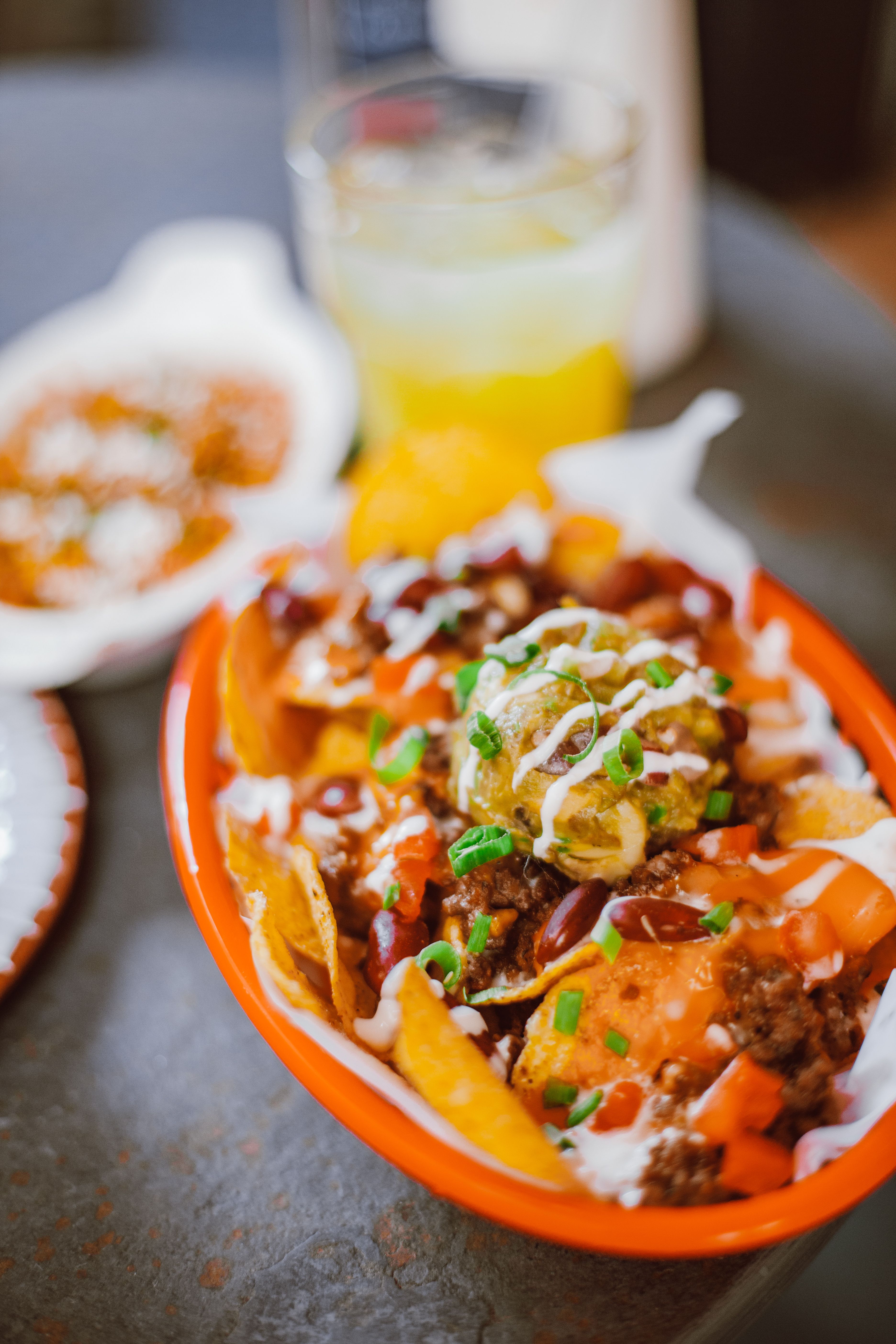
Timing matters, and former kitchen staff say late-night nachos can be a gamble. Ingredients like diced tomatoes, jalapenos, shredded lettuce, green onions, and cheese often come from prep bins that have been opened all day and handled repeatedly during service.
By closing time, texture is usually the first thing to go. Chips can turn stale, toppings can weep moisture, and the whole plate may feel like a cleanup special instead of a fresh order. Ex-workers often suggest avoiding complicated share plates when the kitchen is winding down.
Chicken Wings with House Sauce
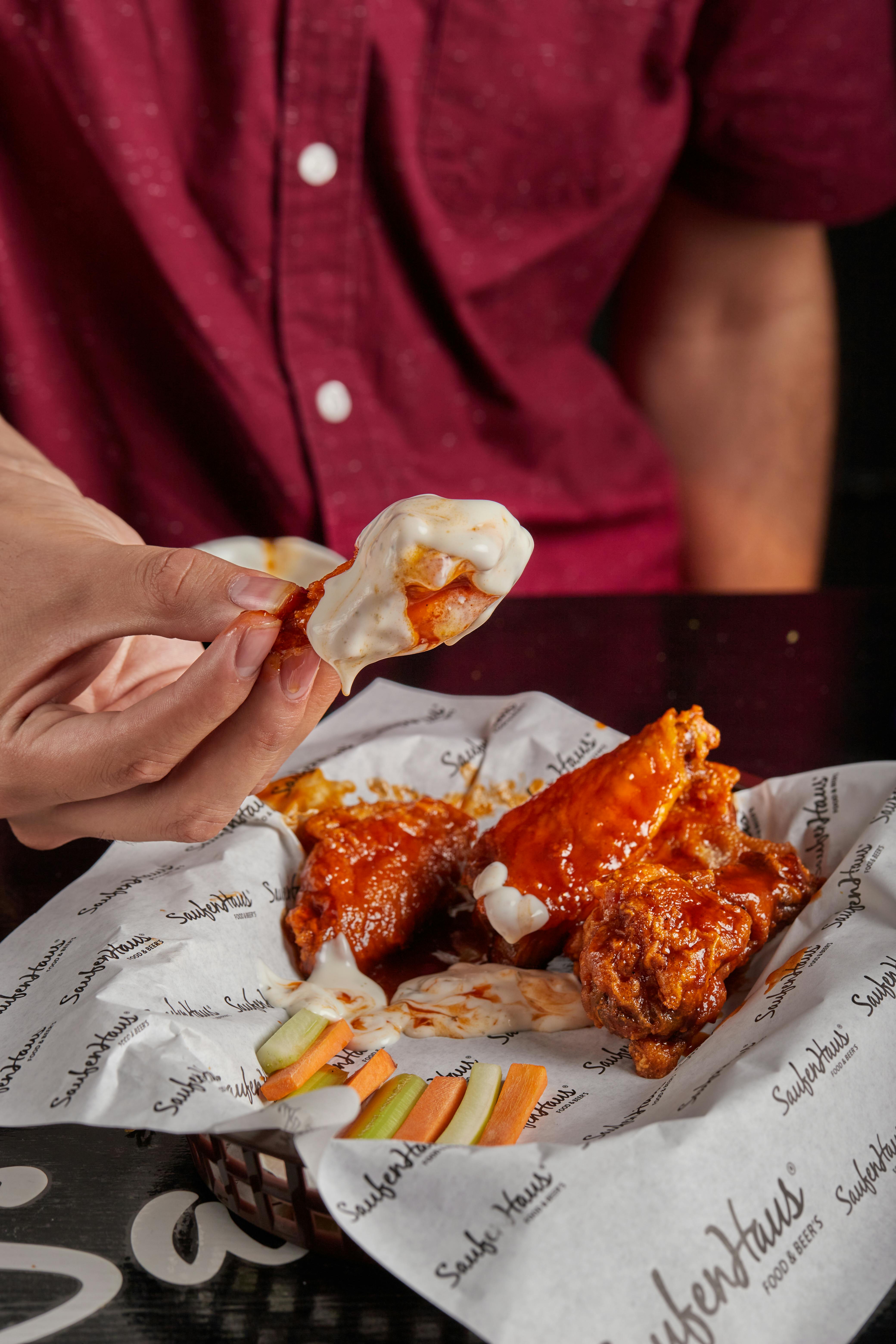
Wings are a chain restaurant staple, but former kitchen staff often tell diners to pay attention to the sauce, not just the fryer. House sauces can be delicious, yet they are also one of the easiest places for inconsistency to show up from shift to shift.
Ex-employees sometimes describe sauces being mixed in batches with uneven measuring, then reused through a busy service. If the restaurant is sloppy, older sauce can darken, separate, or taste flat. Wings may still arrive hot, but the coating can reveal whether the kitchen is keeping up with its own standards.
Large Specialty Salads
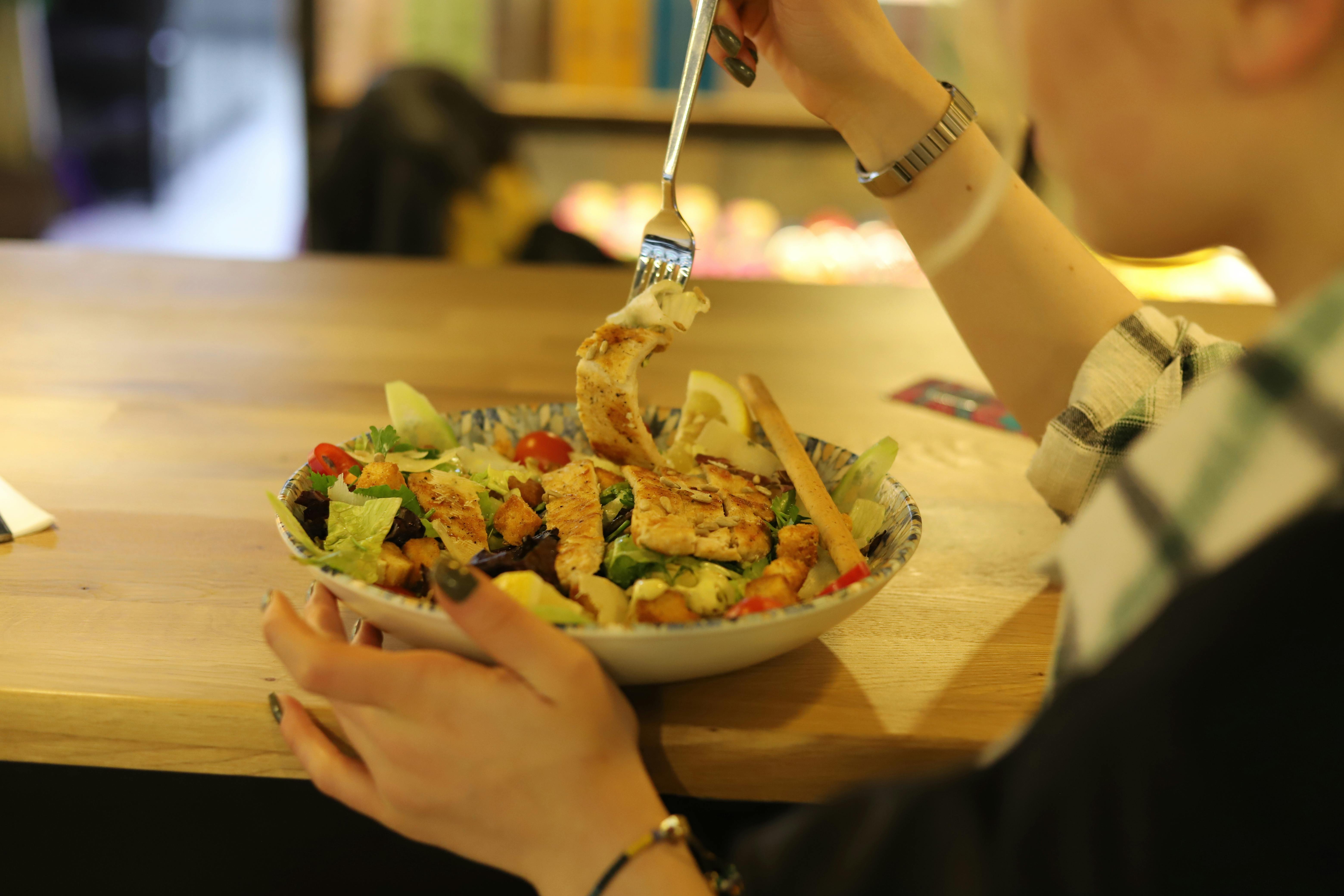
A big salad sounds like the fresh option, but former kitchen workers say it can be one of the most misleading orders on the menu. Specialty salads often rely on many prep-heavy ingredients, from cut fruit and avocado to chicken, nuts, cheese, and bottled dressings.
The issue is not just calories or cost. Ex-staff frequently say salad components can sit in cold storage after prep, losing crispness and flavor over hours. When a restaurant is busy, the final bowl may look generous, but it can be built from ingredients that are well past their best moment.

Leave a Reply