
For many Canadians, Tim Hortons is less a coffee stop than a daily ritual, which is exactly why small annoyances stand out so much. The biggest complaints are not really about donuts or breakfast sandwiches at all. They are about the experience around them: ordering, waiting, paying, parking, and trying to count on the same level of service every time.
A smoother, more reliable app

In 2026, a coffee chain app is not a bonus. It is part of the service. Customers want Tim Hortons' app to feel fast, stable, and easy to trust, especially when they are ordering on the run before work or during a short break.
Many of the complaints center on common digital pain points: sign-in issues, rewards not appearing right away, location errors, and mobile orders that do not always connect cleanly with the store. When an app is tied to payment, loyalty points, and pickup timing, even a small glitch can turn a simple coffee run into a headache.
What people seem to want most is consistency. If the app promises convenience, it needs to work the same way every day, at every location, without making customers double-check every step.
Shorter drive-thru wait times

The drive-thru is where brand loyalty can be tested in real time. Customers often pick Tim Hortons because it feels quick and familiar, so long lines and slow movement hit harder here than they might at a sit-down restaurant.
Part of the frustration is not just the wait itself. It is the uncertainty. A line that looks manageable can suddenly stall because of staffing gaps, order bottlenecks, or layout problems around the speaker and pickup window. That unpredictability is what makes people feel like they cannot plan around a basic coffee stop.
What customers want is not perfection at every hour. They want a better system, clearer pacing, and a drive-thru experience that feels designed for the morning rush instead of overwhelmed by it.
More consistent service from one location to the next

A national brand lives or dies on repeatability. Customers do not expect every Tim Hortons to feel identical, but they do expect the basics to line up: speed, friendliness, accuracy, and a store that feels organized.
That is where many people feel let down. One location may be efficient and welcoming, while another feels rushed, undertrained, or oddly chaotic at the same time of day. For regulars who travel between neighborhoods, cities, or highway stops, that inconsistency can make the brand feel less dependable than its size suggests.
Most customers understand that staffing and franchise management vary. Still, they wish the company set a firmer floor for service so the experience feels recognizable no matter which Tim Hortons sign is out front.
Cleaner dining rooms and washrooms

Cleanliness is one of those details customers notice instantly, especially in a place built on quick daily visits. If the tables are sticky, the garbage is full, or the washroom looks neglected, it changes how people view everything else about the store.
This is not a glamorous complaint, but it is a serious one. Families, commuters, seniors, and travelers all use Tim Hortons as a stopover space, not just a pickup counter. That means the condition of the dining room and restroom becomes part of the product, even if nothing on the menu has changed.
Customers are not asking for luxury. They want a basic standard that feels regularly maintained, with enough staff attention to keep high-traffic spaces from looking worn down halfway through the day.
Better staffing during peak hours

Most customers can tell when a store is simply understaffed. The signs are easy to spot: a backed-up counter, an overloaded drive-thru, one employee juggling too many tasks, and orders slowing down even though the team is clearly trying.
This complaint is less about blaming workers and more about the structure around them. Morning rushes, lunch traffic, and weekend surges are predictable patterns in quick-service retail. When those periods feel under-supported, customers often see it as a planning issue rather than a one-off bad day.
People want Tim Hortons to match labor more closely to real demand. Better staffing would not only shorten waits, it would likely improve friendliness, order accuracy, and the overall mood inside the store.
A rewards program that feels simpler and fairer
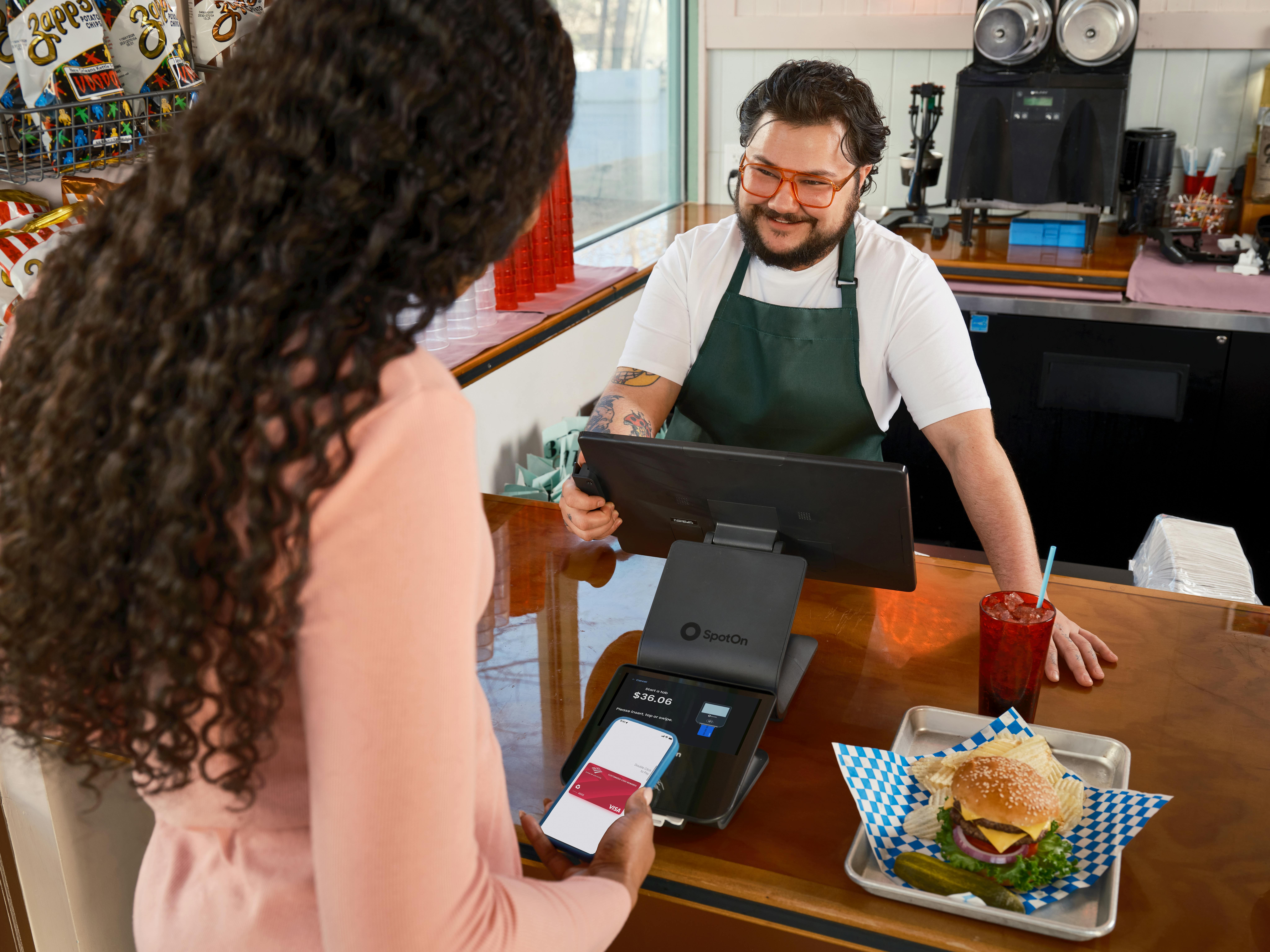
Loyalty programs are supposed to make regular customers feel appreciated. When they seem confusing, slow to track, or harder to redeem than expected, people start to wonder whether the value is really there.
Tim Hortons customers often want more transparency around how points are earned, what rewards are worth, and whether promotions are as straightforward as they first appear. If users have to study the app or question whether a purchase counted properly, the program starts feeling like work instead of a perk.
What they seem to want is clarity. A strong rewards program should be easy to follow at a glance, with dependable tracking and benefits that feel meaningful to someone who visits often, not just occasionally.
Parking and traffic flow that make sense
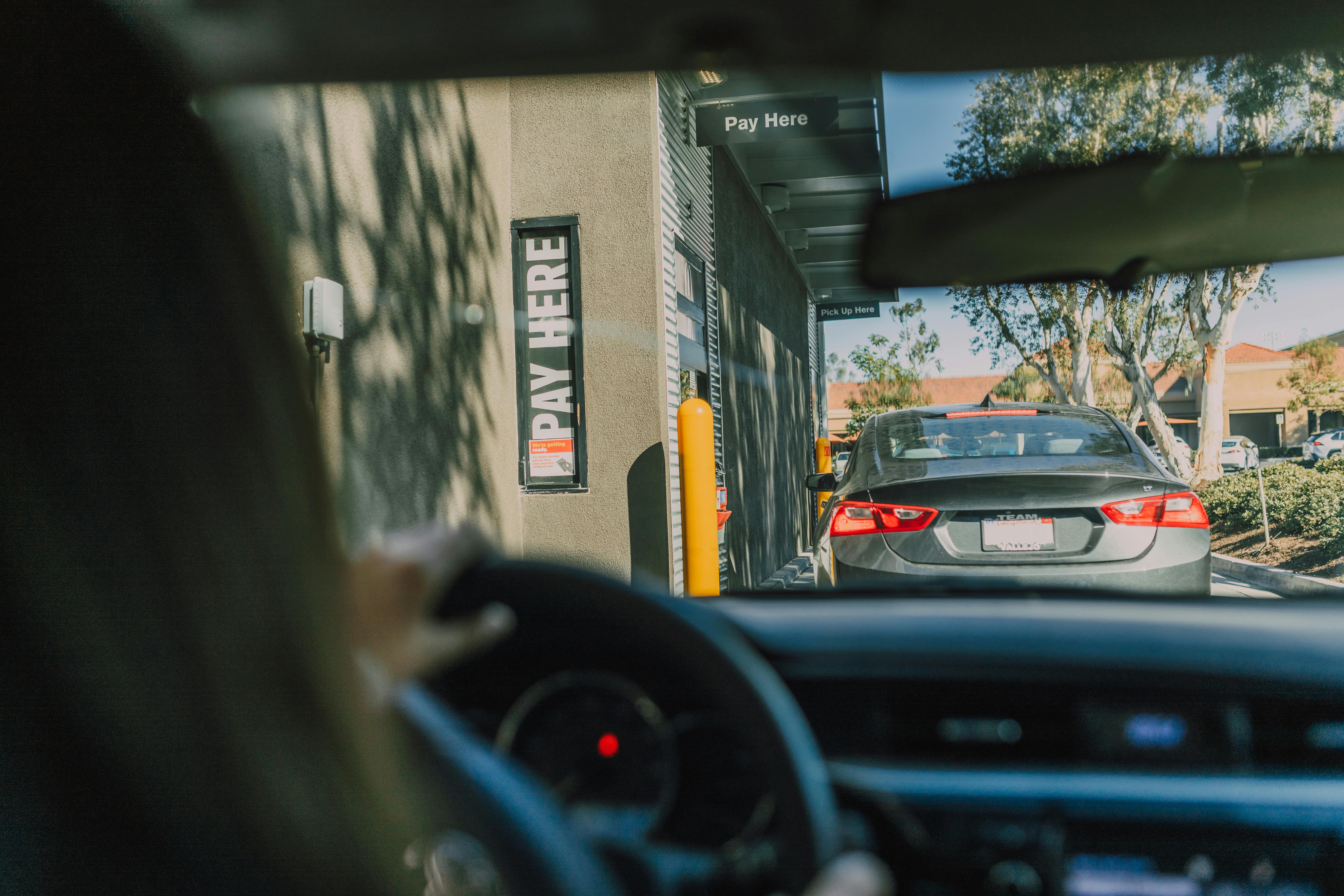
Sometimes the frustration starts before customers even open the door. At busy Tim Hortons locations, especially those with drive-thrus, the lot can feel cramped, awkward, or unexpectedly stressful to navigate.
Cars may stack into entrance lanes, block parking spots, or create confusion for people trying to walk safely from their vehicle to the store. At highway and suburban locations, that layout problem can become a real deterrent, especially during commuter peaks when every minute matters and tempers are already short.
Customers wish more locations handled traffic more intelligently. Better signage, smarter lane design, and safer separation between drive-thru lines and parking spaces would make the experience feel easier before the order even begins.




Leave a Reply