
Some food traditions from the past sound bizarre now, but they often made perfect sense in their own time. These seven examples reveal how belief, scarcity, social status, and changing ideas about health turned unusual foods into accepted parts of daily life.
Roman dormice at elite banquets

In ancient Rome, small edible dormice were not simply woodland animals. They became a luxury food associated with wealthy households and showy dining. Roman writers including Apicius describe preparations that stuffed dormice with pork and pepper before roasting them, a detail that tells you this was less about hunger and more about display.
Archaeology backs that up. Special pottery jars called gliraria were used to raise dormice for fattening, with interior shelves and air holes designed for keeping the animals alive before cooking. That level of equipment suggests a deliberate food fashion, not a rare curiosity.
To modern diners, the idea can feel unsettling because the animal is so small and familiar-looking. In Roman culture, though, unusual delicacies helped signal refinement and expense, much the way rare ingredients can function in fine dining now.
Medieval swan on noble tables

A roast swan was never an everyday medieval meal. In England and parts of northern Europe, it was closely tied to nobility, ceremony, and privilege. Swans were valuable enough that laws and ownership marks helped regulate who could keep or serve them.
Cookbooks from the late Middle Ages show that grand birds might be roasted and then presented dramatically, sometimes redressed in their feathers for the table. The result was part food, part spectacle, meant to impress guests at feasts and holidays.
That theatrical style is what makes the custom stand out today. The bird itself mattered, but so did the message: power, wealth, and control over resources. In a world where public meals displayed rank, a swan was edible status.
Blood as a practical everyday ingredient

Many historical cuisines made regular use of animal blood, not as shock food but as a practical source of nourishment. Across Europe, cooks turned fresh blood into sausages, soups, and pancakes because slaughtering an animal was expensive and wasting edible parts made little sense.
Blood sausage has deep roots in places as varied as Britain, Spain, Germany, and Scandinavia. Recipes differed, but the basic idea remained the same: combine blood with grains, fat, onions, or spices to create a filling food that kept well enough to matter in preindustrial kitchens.
What can seem strange now was once a clear example of thrift. Before refrigeration and modern butchery, using the whole animal was both economic and ordinary. The discomfort many people feel today says as much about modern distance from slaughter as it does about the food itself.
Tudor sugar sculptures at feasts
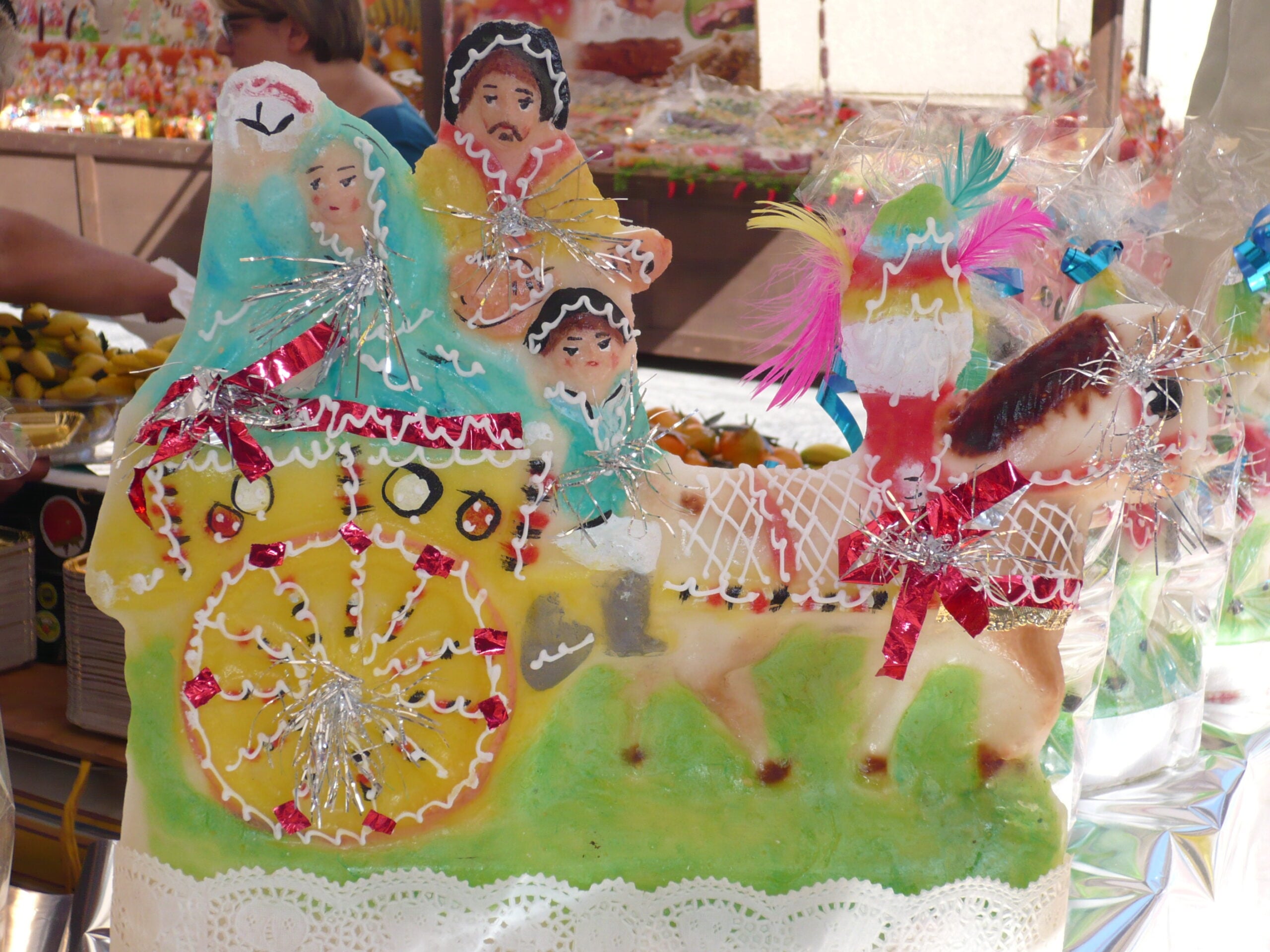
In Tudor and Renaissance Europe, sugar was not the everyday pantry staple it is now. It was costly, imported, and closely linked with status. At elite banquets, cooks and confectioners shaped sugar into elaborate sculptures called subtleties, creating castles, animals, saints, or scenes that sat between courses.
These displays were edible in theory, though their real purpose was often symbolic and political. A grand sugar centerpiece announced wealth because refined sugar itself was expensive, and the labor needed to mold and decorate it added even more prestige.
Seen from a modern perspective, building sculptures out of food can look extravagant to the point of absurdity. Historically, that extravagance was the point. The host was staging abundance, sophistication, and access to far-reaching trade networks in a single glittering object.
Victorian mock turtle soup
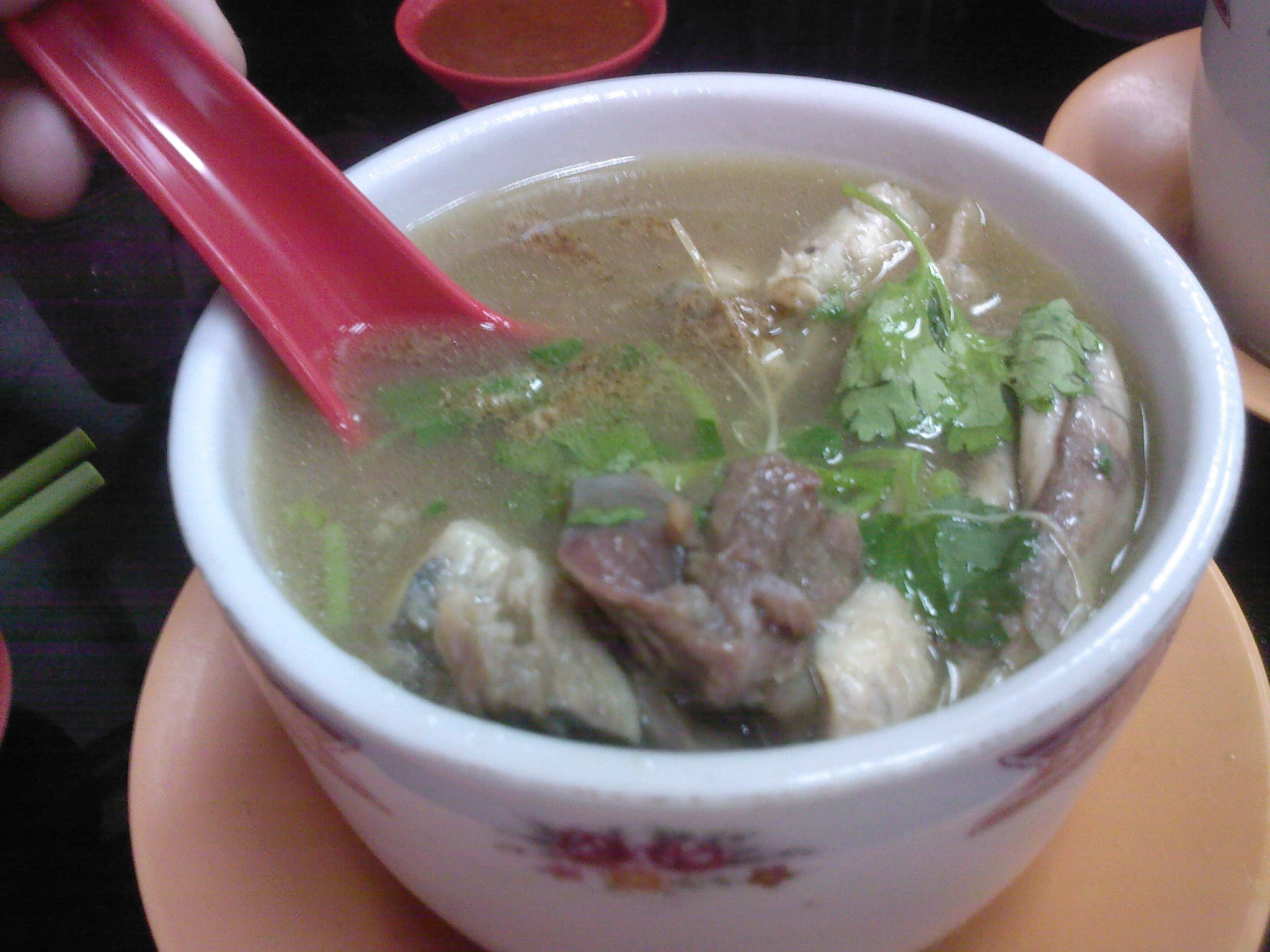
Mock turtle soup sounds like a joke, but it grew out of a very real culinary obsession. Green turtle soup was fashionable in Britain and beyond during the 18th and 19th centuries, especially at upper-class dinners. Because real turtle was expensive, cooks created a substitute using a calf's head to mimic the texture of turtle meat.
Victorian recipes often treated the imitation with complete seriousness, building deep flavor with stock, herbs, wine, and force-meat balls. The goal was not novelty for its own sake. It was to reproduce a prestigious dish as closely as possible for households that wanted the style without the full cost.
That makes mock turtle soup a revealing historical food. It shows how aspiration drives cuisine, and how imitation can become a tradition in its own right when enough people want the symbolism of a luxury dish.
Sallets of flowers and herbs
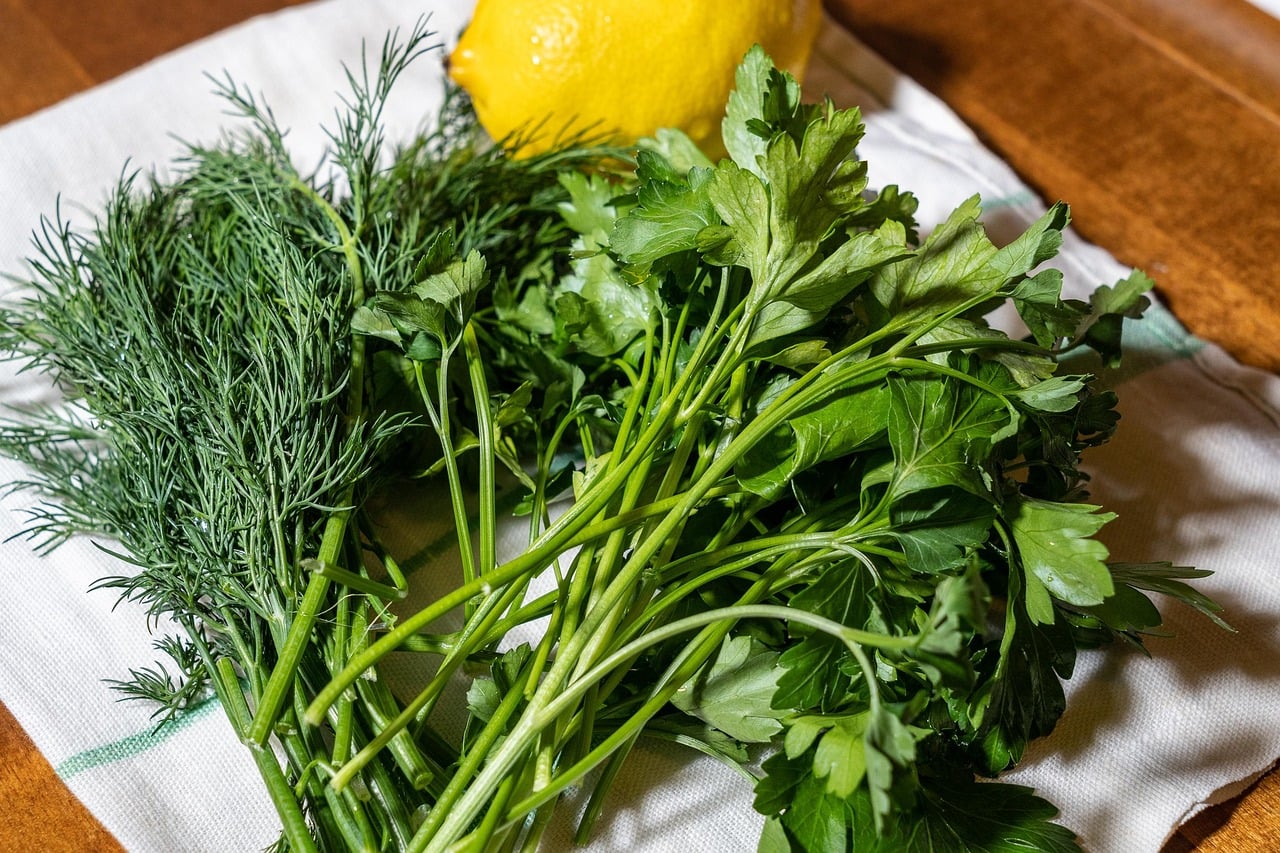
Early modern Europeans sometimes ate salads that would look more like a garden clipping to modern eyes. In the 17th century, writer John Evelyn praised the sallet, a dish of raw herbs, greens, flowers, and tender plants, in his book Acetaria: A Discourse of Sallets. He framed it as both healthful and civilized.
These mixtures could include violets, borage, sorrel, purslane, and other leaves that many people today would not recognize as dinner. The appeal was tied to medicinal thinking as well as taste, since foods were often judged by how they balanced the body.
This tradition feels surprisingly current once you get past the old-fashioned language. What sounds odd at first, eating flowers and bitter herbs on purpose, now resembles modern interest in foraged ingredients, microgreens, and edible blossoms.
Toasted songbirds in ancient and early modern Europe
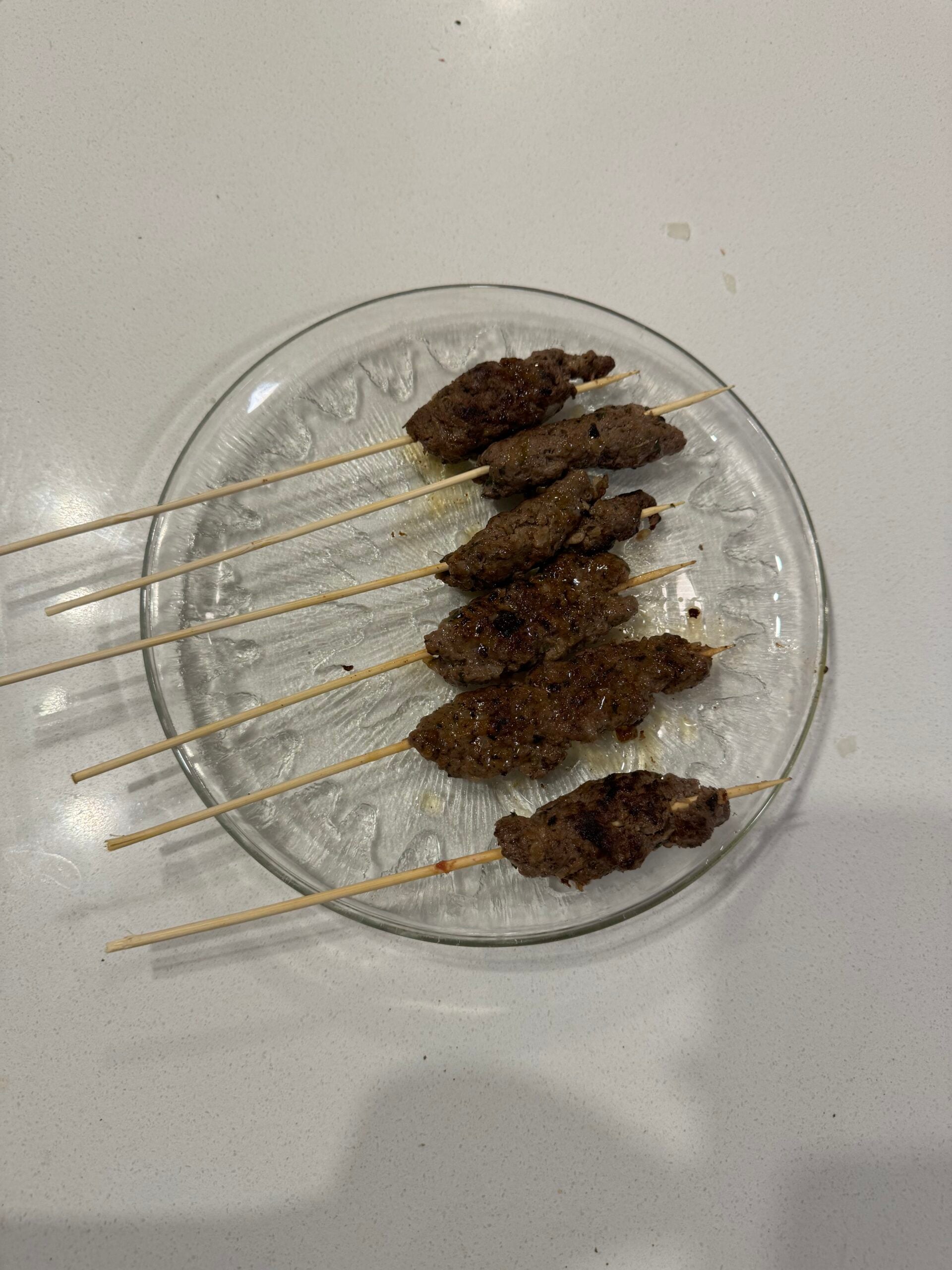
Few old food customs feel stranger now than eating tiny birds whole. Yet in parts of ancient Rome and later Europe, small songbirds such as larks were considered delicacies. Their appeal came from rarity, flavor, and the prestige of serving something delicate and labor-intensive to catch and prepare.
Historical recipes and banquet records show these birds appearing in pies, skewers, or roasts. Because each bird yielded so little meat, the dish naturally signaled abundance. Serving many tiny creatures on one platter told guests that no effort or expense had been spared.
Today, the practice often reads as excessive or cruel, especially as attitudes toward wildlife have changed. That shift is precisely why the tradition is worth remembering. It captures how strongly food values can change across centuries.
Leave a Reply