
Food advice often arrives dressed as common sense. But some of the most repeated food rules are less about health or safety than habit, guilt, and old ideas that have been repeated for years.
Clean your plate

For many people, finishing every bite still feels like good manners. It can also feel wasteful not to, especially for anyone raised on reminders about hunger, thrift, or gratitude.
The problem is that this rule can push people to ignore hunger and fullness cues. The Academy of Nutrition and Dietetics has noted that responsive eating, paying attention to internal signals rather than rigid external rules, supports a healthier relationship with food. When a portion is too large, cleaning the plate can mean eating past comfort simply because the food is there.
This habit also reflects how portion sizes have changed. The National Institute of Diabetes and Digestive and Kidney Diseases says portions at home and in restaurants have grown over time, making "finish it all" a very different instruction than it once was. In practice, stopping when satisfied and saving the rest can be just as practical, and often more comfortable.
Dessert has to be earned
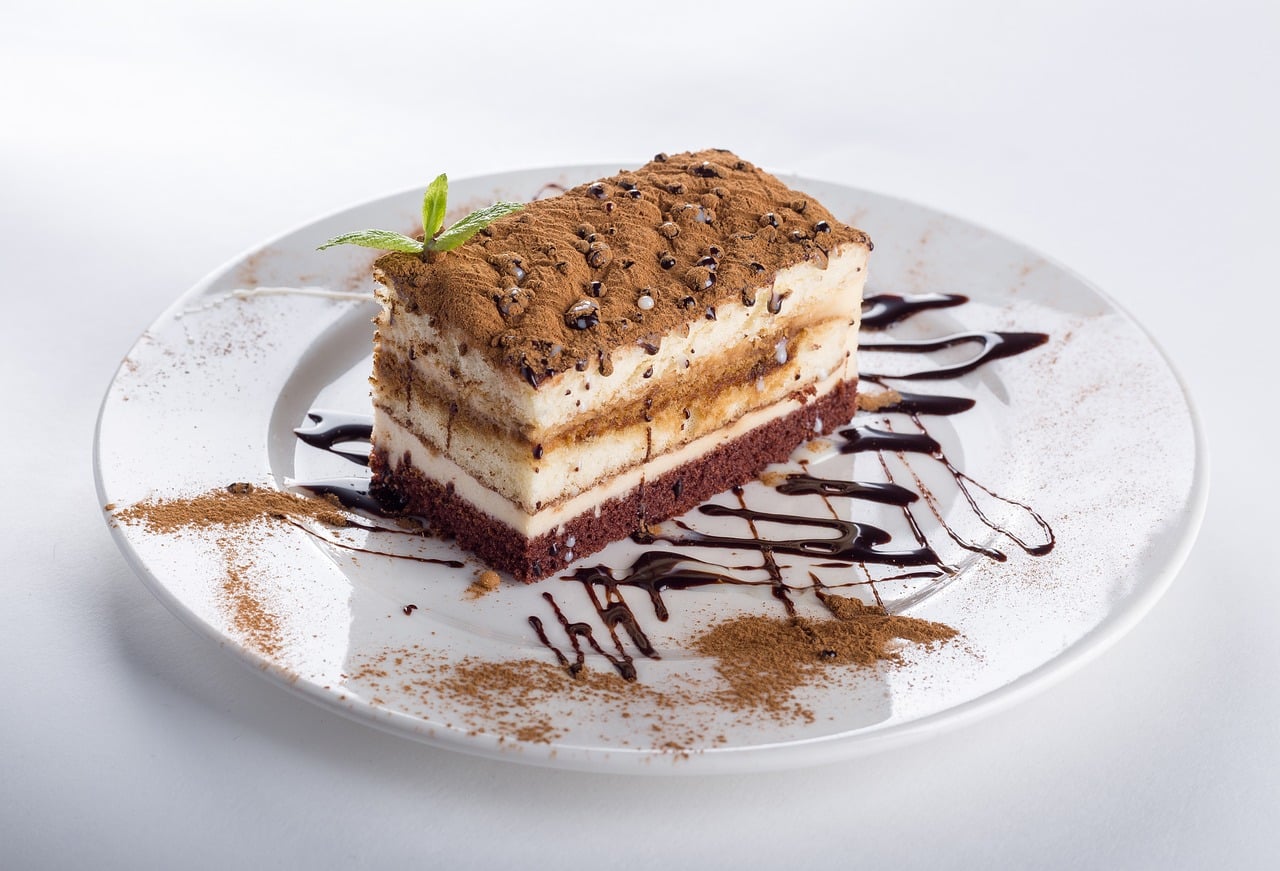
A lot of families still treat sweets as a reward for eating "real food." It sounds harmless, but it can quietly give dessert a special emotional power.
The American Academy of Pediatrics has warned that using food as a reward can interfere with children's ability to regulate eating and may raise the appeal of the very food being restricted. When dessert is framed as the prize and vegetables as the chore, one food gets status while the other becomes a punishment.
That pattern can follow people into adulthood. Instead of asking what sounds good or what feels satisfying, they may keep thinking in moral terms, as if some foods are proof of discipline and others are evidence of failure. That can make ordinary meals feel more emotionally loaded than they need to be.
Breakfast is mandatory
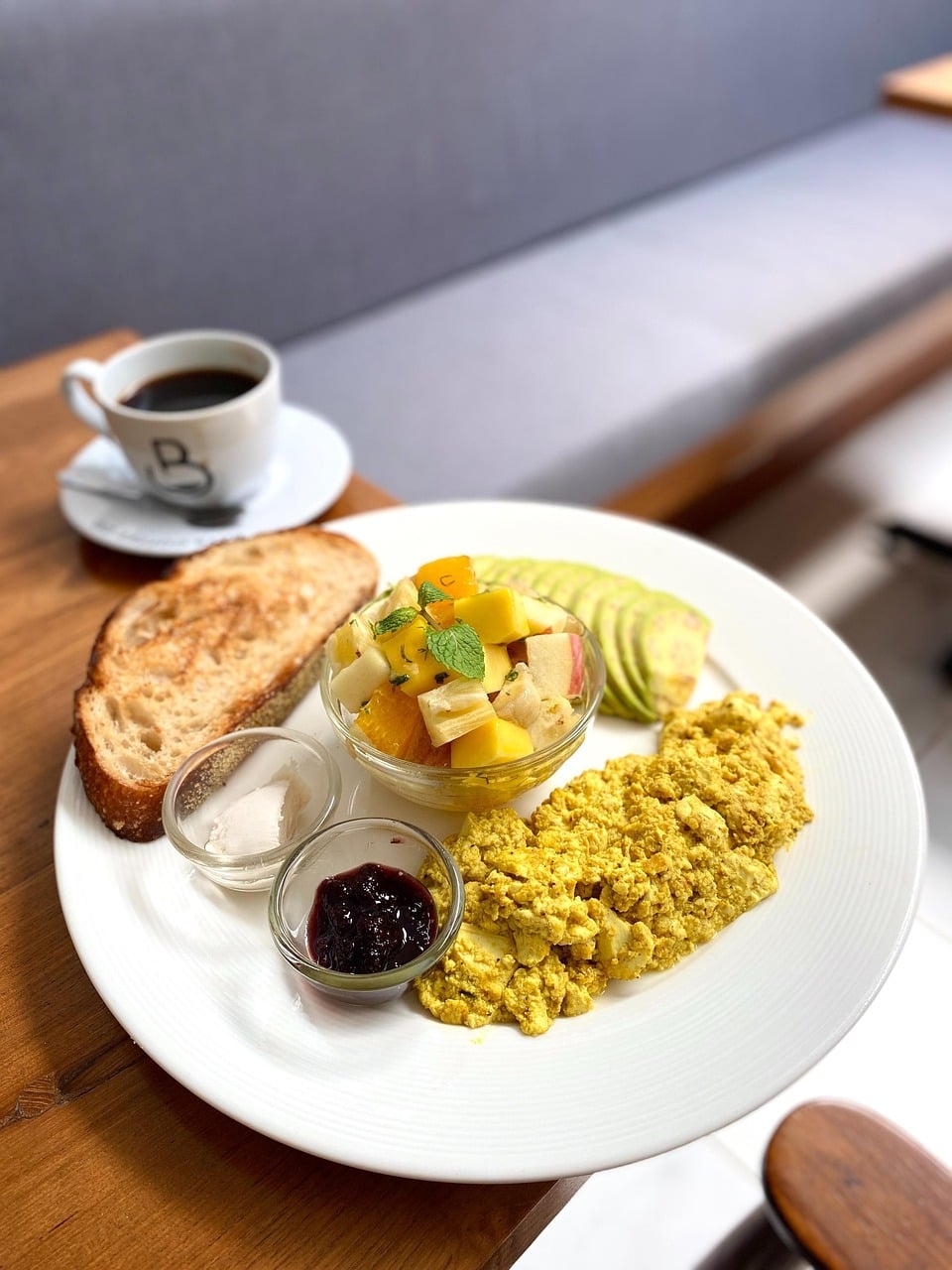
"Breakfast is the most important meal of the day" is one of the most repeated lines in food culture. It is so familiar that many people hear it as settled science rather than broad advice.
Research is more nuanced. The Mayo Clinic notes that studies on breakfast and weight have shown mixed results, and simply eating breakfast does not automatically cause better health outcomes. What matters more is the overall quality of someone's diet, their schedule, and whether eating early actually suits their appetite and routine.
For some people, breakfast helps with energy and concentration. For others, forcing down food first thing can feel uncomfortable and unnecessary. Treating breakfast as a universal rule ignores how differently people work, exercise, sleep, and experience hunger across the day.
Healthy food has to taste bland

One stubborn food rule says that if a meal is good for you, it probably will not be very enjoyable. That idea has shaped everything from sad diet plates to the suspicion that flavor itself is somehow unhealthy.
In reality, major nutrition guidance focuses on patterns, not punishment. The USDA's MyPlate framework encourages fruits, vegetables, grains, protein foods, and dairy or fortified soy alternatives, but it does not require plain, joyless meals. Herbs, spices, garlic, citrus, yogurt, olive oil, and cooking techniques like roasting can add flavor without turning a balanced meal into something else entirely.
This rule persists because many people confuse "healthy" with "restrictive." But some of the world's most studied eating patterns, including Mediterranean-style eating, are built around satisfaction, variety, and strong flavor. Nutritious food does not have to feel like a penalty.
Certain foods are "bad" forever

Calling a food "bad" can sound decisive, but it often creates more confusion than clarity. It reduces nutrition to a moral label and leaves no room for context, amount, frequency, or the rest of someone's diet.
The Dietary Guidelines for Americans focus on overall eating patterns, not purity. Foods high in added sugars, saturated fat, or sodium are worth watching, but that is different from saying a single cookie, slice of pizza, or bag of chips defines a person's health. A rigid blacklist can encourage all-or-nothing thinking, where one less balanced choice leads to guilt and then to giving up.
A more useful approach is to look at patterns across days and weeks. That leaves space for pleasure, culture, budget, and real life, while still making room for evidence-based choices. Food can matter deeply without needing to be divided into saints and sinners.



Leave a Reply