
Canada's food story is far bigger than poutine and maple syrup. Across the country, local specialties shaped by climate, immigration, fishing, farming, and community traditions keep winning over visitors from other provinces. These are the dishes that make people stop mid-bite, look up, and ask the same question: why isn't this famous everywhere?
Tourtière

Few dishes say French Canadian comfort quite like tourtière. This savory meat pie, closely tied to Quebec holiday tables, is usually made with pork, beef, veal, or game, seasoned with warm spices that give it a gently old-world aroma without turning it sweet.
What surprises first-timers is how satisfying and balanced it is. The crust is buttery, the filling is rich but not heavy, and every family seems to have its own version. In places like Saguenay, the deeper, slow-baked style can feel almost like a celebration tucked inside pastry.
One slice explains the devotion. It is practical, deeply regional, and exactly the kind of dish that deserves national fame.
Donair

Halifax's donair has the kind of backstory that makes a dish even better once you know it. Inspired by Greek gyro traditions and adapted in Nova Scotia, it became a local icon with spiced beef shaved onto pita, then finished with onions, tomatoes, and the city's signature sweet donair sauce.
That sauce is the part people remember. Made from condensed milk, vinegar, and garlic, it sounds unusual on paper and somehow works perfectly in practice. The sweetness cuts through the meat's spice and makes the whole thing unmistakably East Coast.
Visitors often expect late-night fast food and get something much more distinct. One bite in Halifax, and suddenly every other wrap seems a little less interesting.
Jiggs Dinner

Jiggs dinner looks humble at first, which is part of its charm. This Newfoundland and Labrador classic brings together salt beef, cabbage, carrots, turnip, potatoes, and split-pea pudding in a boiled dinner that reflects the practical cooking traditions of an island shaped by hard weather and preserved foods.
The appeal is not flash. It is the way each element supports the next, from the savory beef to the sweetness of root vegetables. The split-pea pudding adds texture and history, making the plate feel like a direct link to older home kitchens.
People from away often expect something plain and end up finding depth, warmth, and real regional identity. It tastes like resourcefulness turned into comfort food.
Rappie Pie
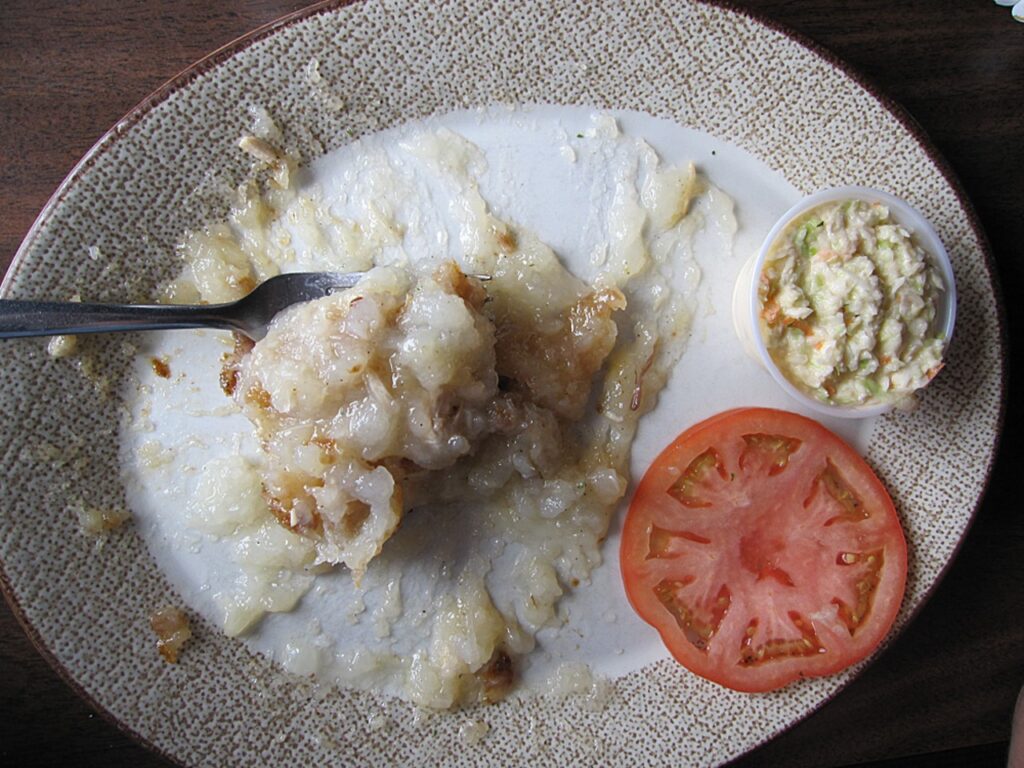
Rappie pie is the dish that makes first-timers pause, ask questions, and then go back for another forkful. An Acadian specialty most associated with Nova Scotia and parts of New Brunswick, it uses grated potatoes that are squeezed of liquid, then reconstituted with broth before being baked with meat, often chicken.
The result is unlike a standard casserole or potato pie. It has a dense, almost elastic texture that sounds unusual until you taste how richly the broth seasons every bite. Its origins reflect Acadian ingenuity, especially the need to make filling meals from available ingredients.
It is not trying to be pretty, and that is part of the point. Rappie pie wins people over by being completely itself and deeply rooted in place.
Winnipeg Goldeye
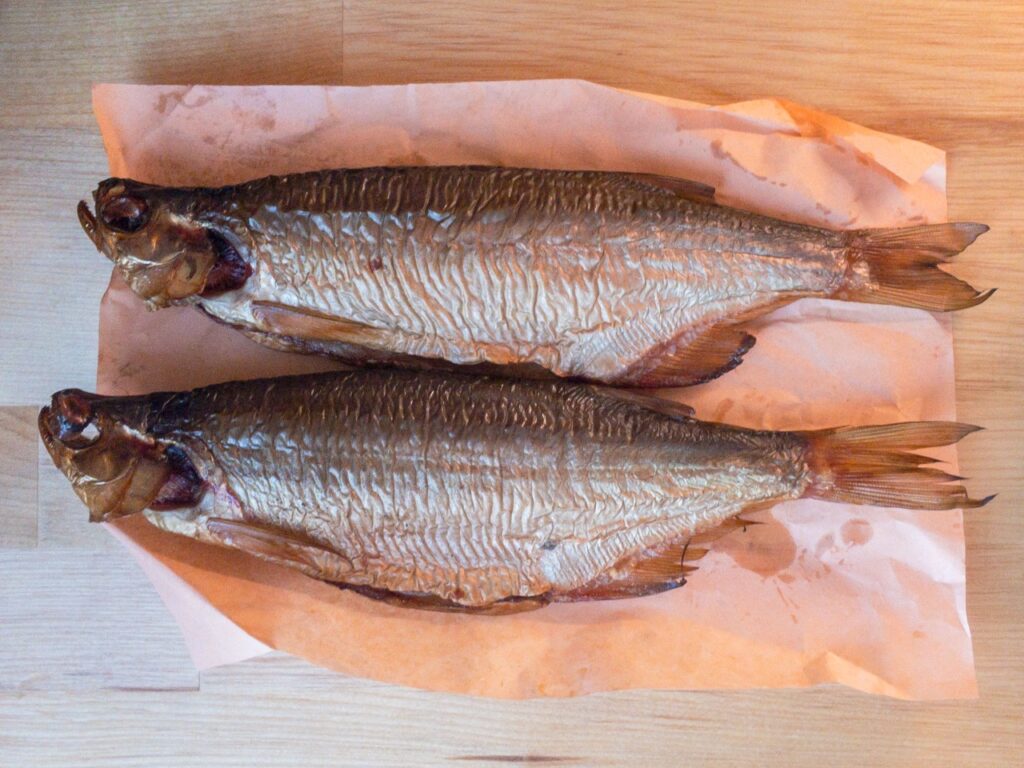
Some regional foods announce themselves through aroma, and Winnipeg goldeye does exactly that. This Manitoba specialty is a fish, traditionally from prairie and inland waters, that is brined, smoked, and often served flaked with crackers, bread, or simple accompaniments that let the flavor lead.
What converts skeptics is the balance. Good goldeye is oily enough to stay tender, smoky without being harsh, and savory in a way that feels both rustic and refined. It has long been associated with Winnipeg's food identity and with the broader preservation traditions of the Prairies.
For people who think smoked fish is one-note, this is a pleasant correction. It is elegant, distinctive, and far more memorable than its modest reputation suggests.
Saskatoon Berry Pie

The smartest regional desserts do more than taste good. They tell you where you are. Saskatoon berry pie, beloved across the Prairie provinces, does that beautifully with fruit that has long grown in the region and carries a flavor somewhere between blueberry, almond, and a hint of earthiness.
The pie's appeal lies in that distinctive taste and in the way it speaks to local harvest traditions. Saskatoon berries have deep Indigenous and prairie roots, and the dessert often feels less sugary than standard berry pies, with a more nuanced finish.
People expecting a blueberry lookalike usually leave talking about complexity instead. One warm slice with a flaky crust is enough to make the Prairies feel a lot more delicious.
Nanaimo Bars
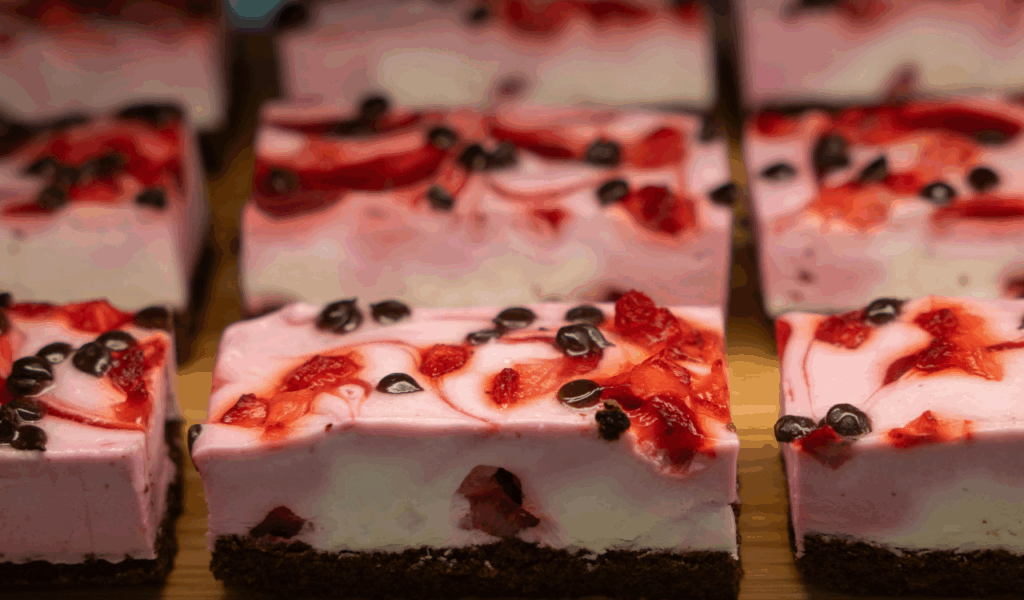
Not every iconic regional dish needs to be a full meal. Nanaimo bars, named for the British Columbia city, have become one of Canada's most recognizable desserts for good reason: they deliver maximum payoff without ever going near an oven in the classic version.
Their structure is the secret. A crumbly chocolate-coconut base, a custard-flavored middle layer, and a glossy chocolate top create a texture contrast that feels far more polished than the ingredient list might suggest. The bar likely evolved through mid-20th-century home baking culture, then spread because it was both practical and irresistible.
Out-of-province visitors often assume they are overly sweet, but a well-made Nanaimo bar is balanced and satisfying. It is tidy, nostalgic, and much harder to stop eating than it looks.



Leave a Reply