
Restaurant food often tastes better than what most people cook at home, but that magic usually comes from methods many diners never see. Behind the swinging kitchen door, speed, consistency, and profit matter just as much as flavor. That means your favorite spot may rely on practices you'd probably question in your own kitchen, even if they're perfectly common in the industry.
More butter, oil, and salt than you think
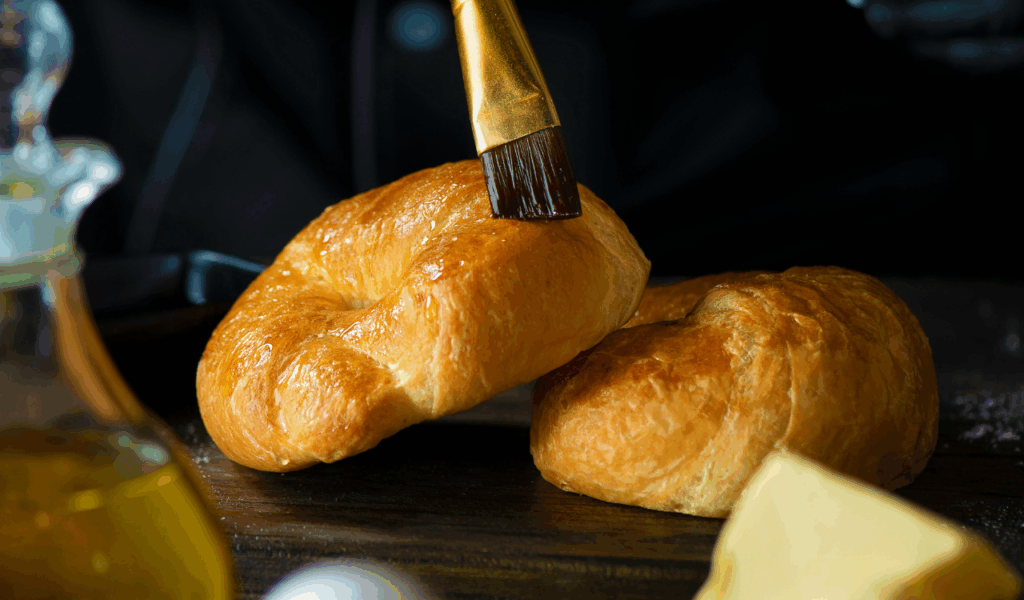
The secret to restaurant food is often not rare ingredients or chef sorcery. It is the sheer amount of fat and seasoning used to make flavors feel bigger, rounder, and more satisfying from the first bite to the last.
Many restaurant vegetables are finished with butter, steaks are basted repeatedly, and sauces are mounted with extra fat right before plating. Salt is layered at several stages, not just sprinkled on top at the end. At home, most people would recoil at seeing that much butter hit a pan, but in a commercial kitchen it is one of the oldest and most reliable ways to deliver consistent flavor quickly.
This is also why dishes that seem simple can carry far more sodium and calories than expected. A plain side of mashed potatoes or sautéed spinach may be richer than a full home-cooked entrée.
Prepared ingredients may be older than they look
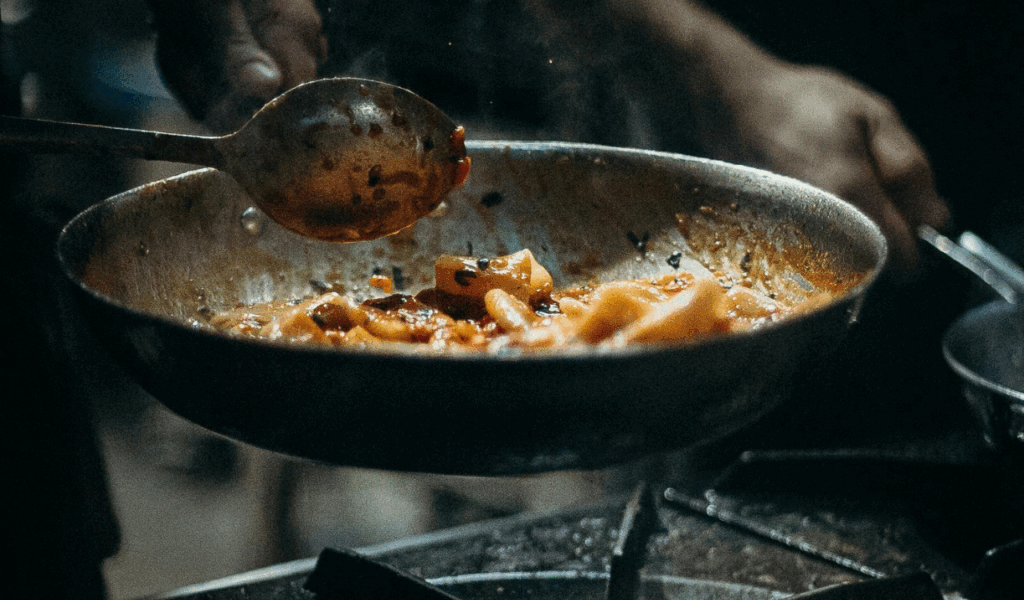
That fresh-looking plate in front of you may have been partially cooked, chopped, or portioned hours earlier, sometimes even a day or two before service. In restaurants, mise en place is everything, because dinner rush leaves no time to start from scratch for every order.
Soups, braises, sauces, rice, dressings, and proteins are often made ahead, chilled, and reheated as needed. Done properly, this is safe and efficient, and in some cases flavor improves overnight. But at home, many people would not be comfortable serving fish, pasta, or sliced vegetables that had been sitting, wrapped, labeled, and shuffled through refrigeration for multiple shifts.
The key difference is scale. Restaurants depend on prepped inventory to move fast, reduce waste, and keep plates consistent, even if the word fresh feels more immediate than the process really is.
Microwaves are doing more work than diners imagine
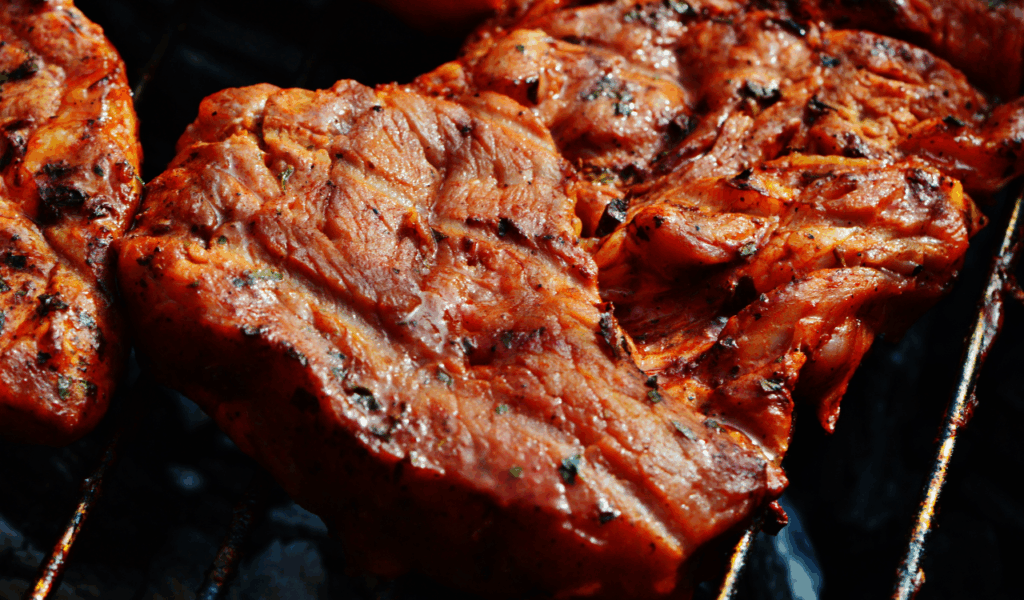
The microwave has an image problem, but many professional kitchens use it constantly. Not always to cook entire meals, but to reheat components, soften butter, revive sauces, steam vegetables, or bring pre-cooked items back into service fast.
In chain restaurants especially, some dishes arrive partly prepared from a central commissary and are finished on-site with a mix of oven, grill, and microwave heat. Even independent spots may zap mashed potatoes, rice, or desserts during a rush because speed matters and guests notice delays faster than technique.
Most home cooks think of microwaving as a shortcut that compromises quality. In restaurants, it is often treated as just another tool. The surprise for diners is not that microwaves exist in kitchens, but how often they quietly help get dinner to the table.
The fryer may be older and busier than you'd prefer
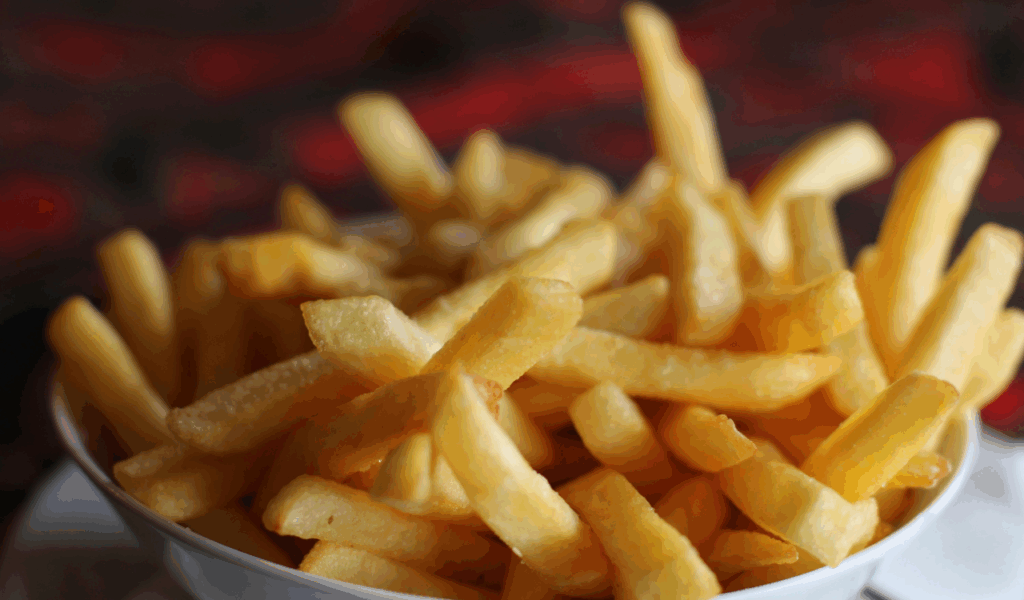
A deep fryer can be one of the hardest-working pieces of equipment in any restaurant. It turns out crispy food fast, but it also raises a question many home cooks ask immediately: how long has that oil been in there, and what else has been cooked in it?
Restaurants filter oil, top it off, and change it on a schedule, but frequency varies with volume, budget, and management standards. The same fryer may handle fries, breaded chicken, seafood, and appetizers all day long, which affects flavor and can matter to people with dietary restrictions. Oil also degrades with heat, time, and food particles, even when kitchens are following normal practice.
At home, many people would toss cooking oil far sooner. In restaurants, that is expensive, so the fryer often stays in action until quality clearly drops or maintenance requires a reset.
Cross-contact happens more easily than menus suggest
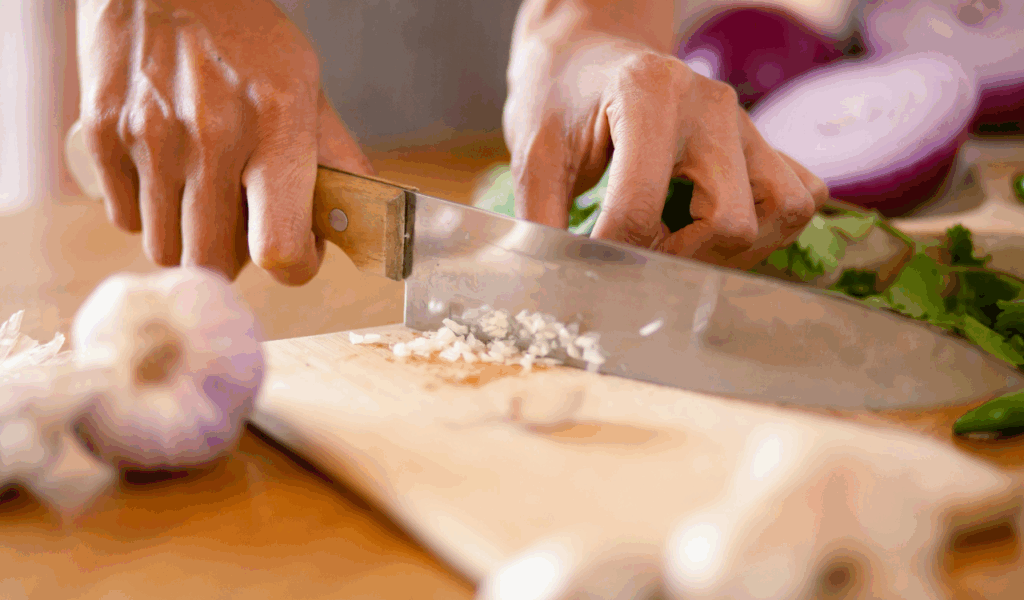
A menu can make dishes sound neatly separated, but real kitchens are crowded, fast, and full of shared tools. The same cutting boards, tongs, gloves, grill surfaces, and prep counters often touch multiple ingredients in a single shift.
For most diners, this is simply how a kitchen functions under pressure. For people avoiding allergens, meat, gluten, shellfish, or certain oils, it can be a serious concern. Even careful restaurants can struggle to create total separation during peak service, especially in smaller spaces where one cook is managing several tickets at once.
At home, you would likely stop and wash everything before moving from raw chicken to salad greens. In a restaurant, sanitation rules still apply, but the pace and layout make perfect isolation much harder than the menu language may imply.
That signature flavor may come from packaged shortcuts
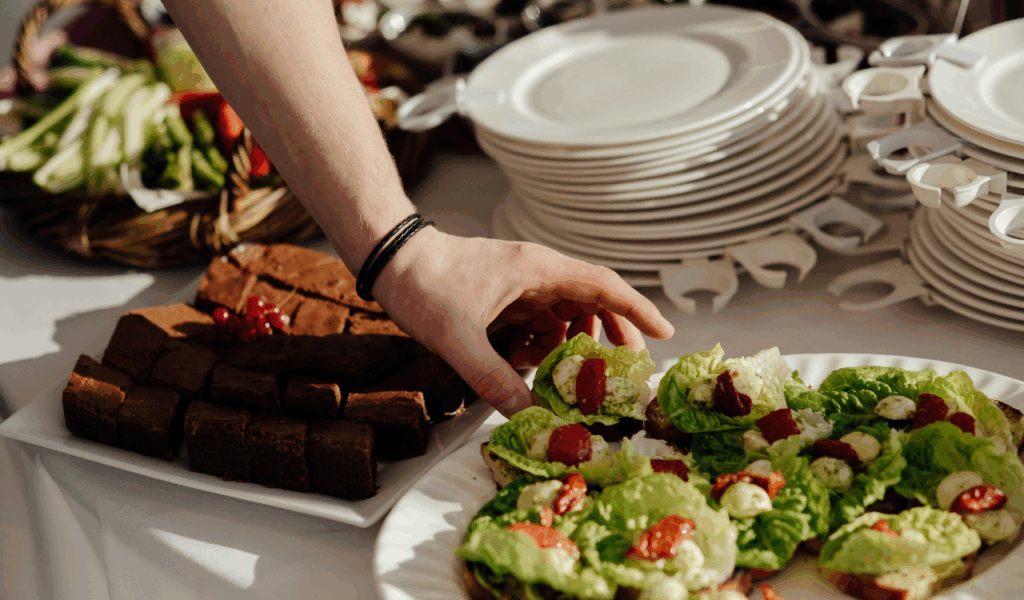
Many restaurant dishes are sold as house-made, but that phrase can stretch further than diners realize. A kitchen might make the final sauce in-house while starting with a canned stock base, frozen dessert component, pre-portioned protein, or ready-made seasoning blend.
This is not always a sign of low quality. Plenty of respected restaurants use frozen fries, pre-baked bread, boxed mixes for consistency, or purchased desserts to control labor and food costs. The modern restaurant business runs on thin margins, and scratch cooking every element is often unrealistic.
What surprises home cooks is the gap between the rustic image on the menu and the practical reality in back. If you saw the number of bags, tubs, bases, and vendor boxes involved, you might judge the meal very differently.
Food may be touched, moved, and handled constantly
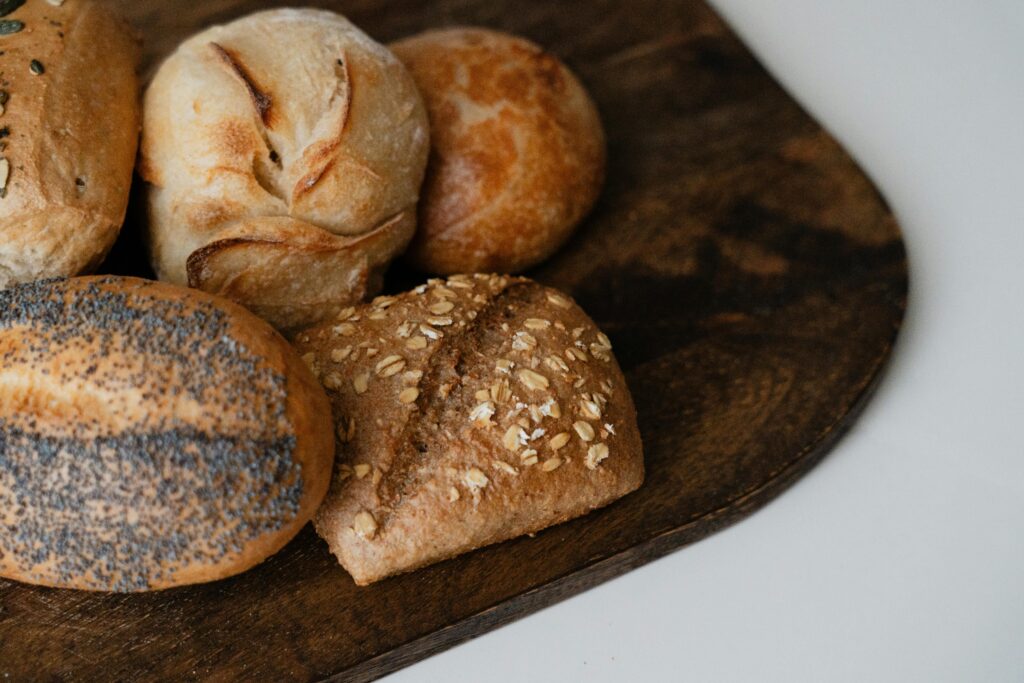
Restaurant meals pass through a lot of hands before they reach the table. A single plate may involve a prep cook, line cook, expeditor, food runner, and server, plus repeated handling of garnishes, bread baskets, glasses, and shared service tools.
Professional kitchens are trained on hygiene, handwashing, glove use, and temperature control, but reality can get messy during a packed service. Cooks wipe plates, adjust toppings, cut proteins, and re-plate components at high speed. Gloves are not a magic solution either, especially when people treat them like clean hands no matter what they have just touched.
At home, you would probably pause after every small contamination risk. Restaurants try to manage those risks while moving fast, and that tension is built into the entire dining experience.




Leave a Reply