
Most people can name one childhood meal that still glows in memory, whether it was boxed macaroni, a holiday roast, or pancakes after a long day. What makes that dish unforgettable usually has less to do with culinary excellence than with how memory works. The brain ties food to feeling, routine, place, and people, which is why an ordinary plate can become legendary years later.
Emotion seasons memory more than flavor
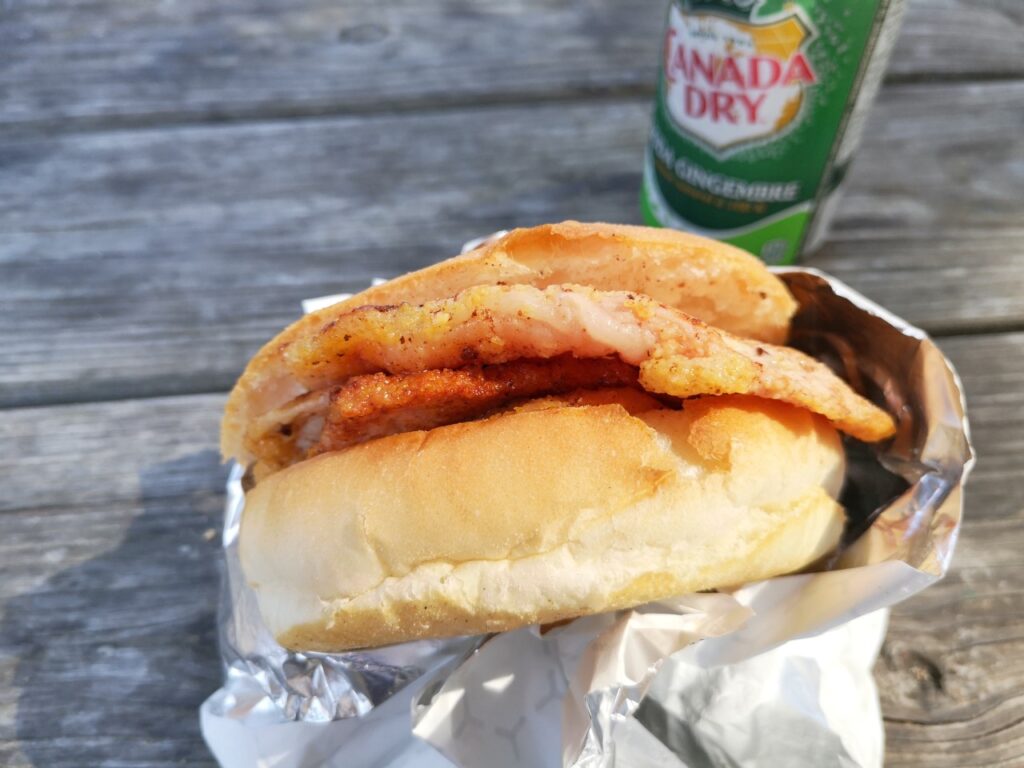
A meal becomes memorable when it arrives during a highly emotional moment. Psychologists have long noted that memory strengthens when feelings run high, whether the emotion is joy, relief, excitement, or comfort after a hard day. The brain does not file away only taste. It stores the whole scene.
That is why a bowl of soup eaten after being sick can feel more meaningful than a technically better restaurant meal. The warmth, care, and sense of safety attach themselves to the food. Years later, what you recall as delicious may actually be the emotional shelter that came with it.
In other words, the meal mattered because you mattered in that moment. The flavor was only one small part of a much bigger experience.
The people at the table did most of the work
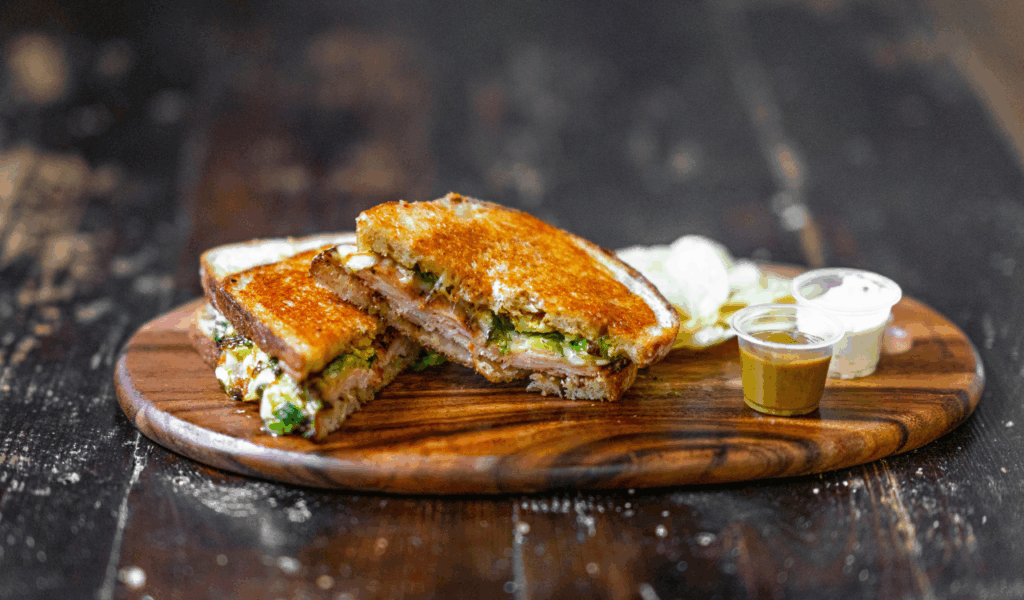
Food memories are deeply social. Researchers who study autobiographical memory often find that people remember shared meals less as lists of ingredients and more as scenes involving voices, jokes, rituals, and who was sitting where. The company can elevate the simplest dish.
A grilled cheese made by a grandparent can outrank a gourmet sandwich because the meal carries that person's presence. The smell, the plate, even the way it was cut may become stand-ins for love and familiarity. When people say, "Nothing tastes like it used to," they are often mourning the person, not the recipe.
What survives in memory is connection. The food becomes the container that held it.
Hunger and timing can make ordinary food feel extraordinary
Taste is not a fixed experience. Appetite, blood sugar, fatigue, and anticipation all change how food lands. Anyone who has eaten a plain sandwich after a long swim or a late practice knows that timing can make average food seem incredible.
Childhood is full of intense physical rhythms. Kids run hard, wait impatiently, and feel hunger in a very immediate way. A meal that arrived at exactly the right moment could feel almost miraculous, even if it was basic pasta or toast with butter.
Memory tends to preserve that sense of reward. What you may be remembering as "the best meal ever" could really be the perfect collision of appetite, relief, and getting fed when you needed it most.
Novelty leaves a stronger mark than quality

The first time often wins. Cognitive science shows that novel experiences command attention, and attention helps memory stick. So the first pizza at a birthday party, the first airport breakfast, or the first campfire hot dog may stay vivid long after objectively better versions fade.
Children also have fewer comparison points than adults. Without years of restaurant meals and elaborate home cooking to measure against, a new food can feel huge. The thrill of trying something unfamiliar gives the moment extra weight.
That means your remembered masterpiece may have been memorable mostly because it was different. Not refined, not superior, just new enough to feel important when your brain was still building its map of the world.
Ritual gave the meal its power
Some childhood meals mattered because they happened on cue. Friday takeout, Sunday pancakes, holiday stuffing, or the dinner after a school concert gained meaning through repetition. Ritual creates expectation, and expectation can heighten pleasure before the first bite even happens.
Anthropologists and family researchers alike point out that shared rituals help people feel stable and connected. The food becomes a signal that something familiar and reassuring is taking place. Even a very average dish can feel special when it arrives wrapped in tradition.
What memory preserves is often the pattern as much as the plate. The meal stands for continuity, belonging, and the quiet comfort of knowing exactly what comes next.
Place and smell built the memory

Memory is strongly tied to sensory context, and smell is especially powerful. Neuroscientists often note that scent has direct links to brain regions involved in emotion and memory, which helps explain why one whiff of tomato sauce or toast can send you backward in time.
The setting matters too. A cramped apartment kitchen, a backyard picnic table, a diner booth on vacation, or a cafeteria after a field trip can all shape how food is remembered. The room, the weather, the light, and the sounds become part of the meal.
So when a childhood dish feels impossible to recreate, the missing ingredient may be the place itself. You are not chasing flavor alone. You are chasing atmosphere.
Nostalgia edits out the weak parts

Memory is not a perfect recording. It is selective, emotional, and constantly revised. Over time, people tend to keep the highlights and soften the less flattering details, especially when looking back on childhood. That process can turn a decent meal into a near-mythic one.
Nostalgia also serves a purpose. Studies suggest it can boost mood, strengthen feelings of social connection, and provide comfort during stress. When you revisit an old food memory, your mind may polish it because the memory is doing emotional work for you.
That is why the recreated dish so often disappoints. The recipe may be accurate, but the memory has been carefully edited by time, longing, and the desire to return to a simpler version of yourself.



Leave a Reply