
Most diners think they order with pure instinct, but menus are often built to gently guide that decision. From the way prices are written to where certain dishes appear, restaurants use well-studied psychological cues to make expensive choices feel natural. Once you know what to look for, those little nudges become much easier to spot.
Prices Without Dollar Signs Feel Less Painful
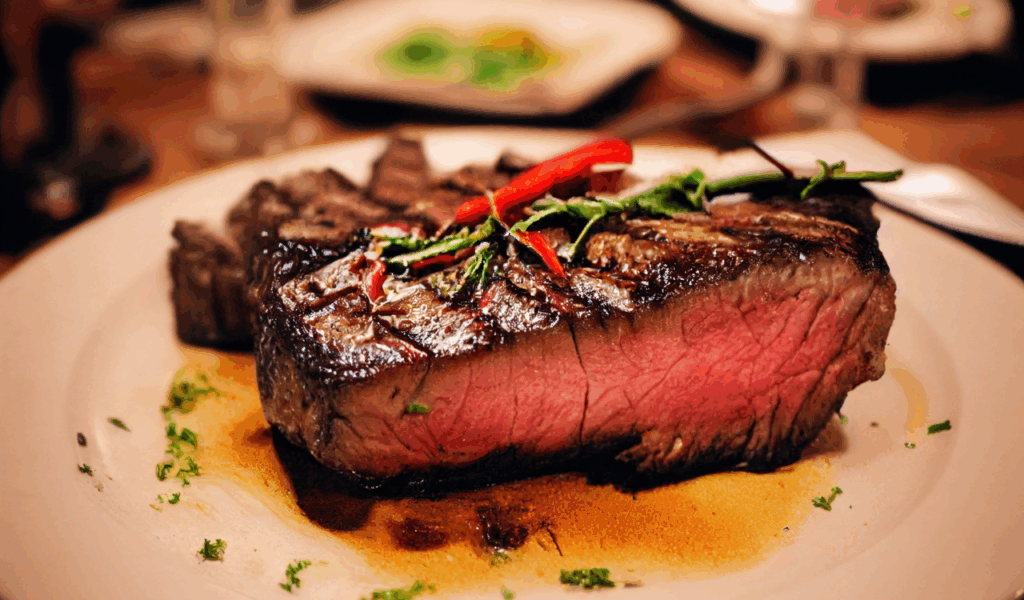
One of the simplest tricks is also one of the most effective: remove the dollar sign. When a menu lists a steak as 28 instead of $28, the number feels less like a financial transaction and more like part of the dining experience.
Researchers at Cornell have found that diners tend to spend more when menus avoid obvious money cues. Even writing out "twenty-eight dollars" can backfire because it reminds people they are paying.
Clean, bare numbers also make a menu look more polished. That visual calm reduces the little mental pause that might otherwise make you choose the cheaper dish.
Menu Descriptions Sell the Fantasy, Not Just the Food

A plain roast chicken sounds fine. "Herb-roasted free-range chicken with crispy skin and pan jus" sounds like a must-order. That difference is not accidental. Restaurants know that vivid language helps diners imagine taste, texture, and quality before the plate even arrives.
Research cited by Cornell and the University of Illinois at Urbana-Champaign has shown that descriptive labels can significantly lift sales. The more sensory the language, the more value people tend to assign to the dish.
This is why menus lean on words like hand-cut, slow-braised, velvet, smoky, or house-made. You are not just buying dinner. You are buying the story attached to it.
Family Names and Nostalgia Make Dishes Harder to Resist

There is a reason menus love phrases like Grandma's pie, Aunt Maria's lasagna, or Dad's meatloaf. Family language instantly adds warmth, tradition, and trust, even when you know nothing about the kitchen behind the dish.
Psychologically, these names tap into nostalgia. They suggest care, comfort, and recipes passed down over time, which can make a dish feel more authentic and emotionally satisfying.
That emotional pull matters because people often spend more when a meal feels personal rather than purely transactional. A familiar, homey title can make a higher-priced item seem worth it because it promises memory, not just calories.
Strategic Placement Guides Your Eyes to Profitable Dishes
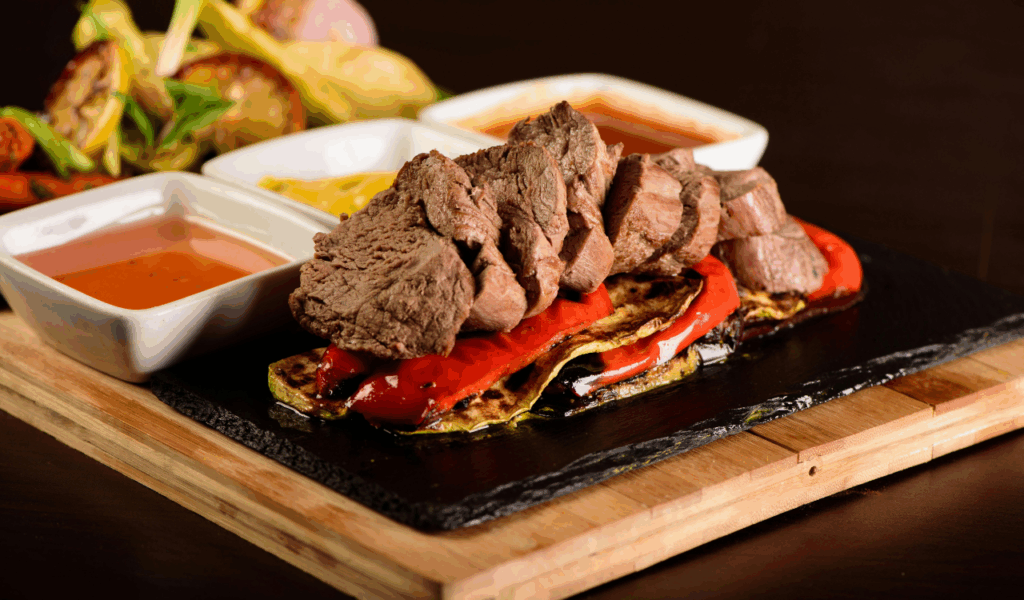
Menus are rarely arranged at random. Designers study how people scan a page and place high-profit items where attention tends to land first. Many restaurants favor the upper-right area or other visually dominant spots for dishes they most want to sell.
Some studies on menu eye movement suggest that the first items people notice can strongly shape what they eventually order. That makes placement a sales tool, not just a design choice.
Boxes, extra spacing, and isolated listings work the same way. They interrupt your natural reading flow and quietly announce, "look here first." Often, what catches your eye first also catches your wallet.
Expensive Decoy Dishes Make Other Prices Look Reasonable

That wildly expensive seafood tower or premium steak may not be there to sell in big numbers. Its real job is often to reset your sense of what counts as expensive. Once you see a dish priced far above the rest, the next-highest option suddenly feels manageable.
This is a classic decoy effect. Pricing experts and menu consultants have long noted that one eye-popping item can make a $42 entree seem like the sensible middle ground.
You walk in expecting to spend modestly, but the menu quietly changes your frame of reference. By comparison, a dish you might have called overpriced now reads like a smart compromise.
Two Portion Sizes Push You Toward the One They Want to Sell

When a restaurant offers a small and a large version of the same dish, it can feel like you are being given flexibility. In reality, that comparison often nudges you toward the option that seems like the best deal, whether or not it actually is.
This tactic is known as bracketing. The larger portion creates a reference point, making the smaller one feel practical or the bigger one feel like better value, depending on how the prices are spaced.
Because most diners cannot accurately judge portion size from the menu alone, they rely on the comparison in front of them. That uncertainty gives the restaurant room to steer the choice profitably.
Limited Choices Can Make You Order Faster and Spend More

A huge menu can feel generous, but too many choices often create friction. Smart restaurants know that a shorter, tighter menu can reduce decision fatigue and make customers more likely to choose quickly instead of second-guessing every price.
Menu psychology suggests there is a sweet spot for how many items belong in each category. When choices are limited, diners are less likely to hunt for the absolute cheapest option and more likely to trust the menu's suggestions.
This is also why samplers, tasting menus, and prix fixe options work so well. They remove the burden of deciding, while giving the restaurant greater control over what ends up on your bill.




Leave a Reply