
Food companies have always loved a bold idea, especially one that promises to change how people snack, sip, or save time in the kitchen. But not every bright concept survives contact with real shoppers, changing tastes, or simple practicality. These packaged foods once looked like the future on store shelves, yet many burned hot for a moment and then quietly vanished.
Crystal Pepsi

Few products captured early 1990s optimism quite like Crystal Pepsi. Pepsi launched the clear cola in 1992 and framed it as a cleaner, more modern take on soda, tapping into the era's fascination with purity and transparency. The packaging looked fresh, the ad campaign was huge, and curiosity did the rest.
The problem was taste and expectation. People saw a clear drink and did not mentally prepare for cola flavor, which made the experience feel strangely off. Sales were strong at first, but repeat purchases dropped. Within about a year, the product had largely fallen apart in the market, becoming one of the best-known examples of a hyped food innovation that could not sustain real demand.
Colgate Kitchen Entrees

Some failures are baked in from the start, and Colgate's frozen dinners are a classic case. In the early 1980s, the toothpaste giant tested Colgate Kitchen Entrees, hoping its trusted household name could stretch into convenience meals. On paper, brand recognition looked like an advantage.
In practice, it was almost impossible for shoppers to separate dinner from toothpaste. A company associated with minty breath and bathroom sinks did not inspire hunger in the freezer aisle. The meals never gained traction and disappeared quickly. It remains a sharp lesson in brand extension: familiarity helps only when the brand's identity actually fits the product people are being asked to buy.
Life Savers Soda
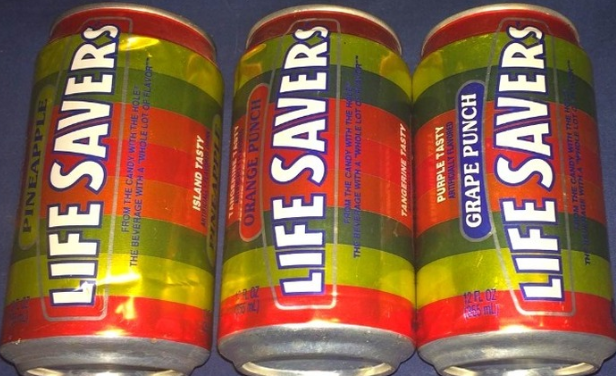
Turning a beloved candy into a soft drink sounded clever in 1981. Life Savers Soda came in fruity flavors tied to the famous candy roll, and the idea seemed ready-made for impulse buyers. It promised a playful crossover at a time when food companies were increasingly experimenting with recognizable brands.
What looked fun in theory proved less satisfying in the bottle. Many consumers found the sweetness too heavy and the novelty wore off fast. A candy can work as a small treat, but drinking a full serving of liquid Life Savers was another matter entirely. The soda line faded rapidly, showing that not every flavor people enjoy in bite-size form translates into something they want to sip.
Heinz EZ Squirt Colored Ketchup

For a brief moment in the early 2000s, ketchup was expected to entertain as much as it flavored. Heinz EZ Squirt arrived first in Blastin' Green, followed by other wild colors, and it was aimed squarely at kids. The squeeze bottle was convenient, the marketing was loud, and parents noticed it immediately.
Children were intrigued, but novelty has limits at the dinner table. Green ketchup on fries and burgers looked fun once, then a little unsettling after that. Adults often found it unappetizing, and the product's visual gimmick could not overcome the comfort people feel with ordinary red ketchup. Sales cooled quickly, and the line was gone within a few years despite an initially strong launch.
Keebler Magic Middles
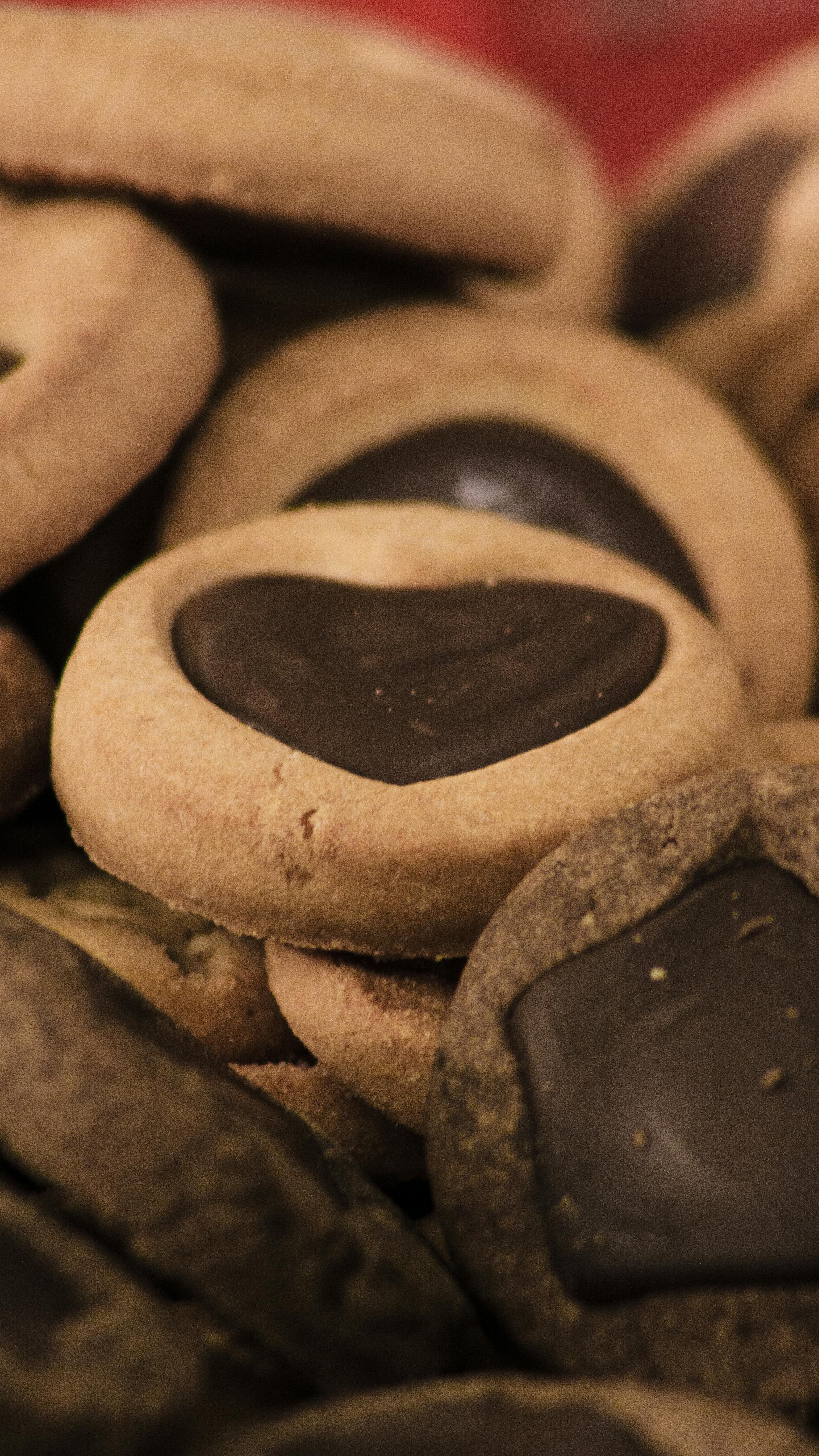
Magic Middles had a simple pitch that felt irresistible in the late 1980s. Keebler made shortbread-style cookies with a hidden filling inside, turning an everyday packaged cookie into something that felt more indulgent and engineered. For shoppers, it was familiar enough to trust but different enough to seem exciting.
That same richness may have limited its staying power. Filled cookies can be satisfying, but they are also easier to tire of than plain staples people toss into lunchboxes week after week. Production complexity and shifting shelf priorities likely did not help either. The cookies developed a devoted fan base, yet they disappeared quickly compared with more durable snack brands, proving that cult affection does not always equal long-term supermarket survival.
Wow! Chips
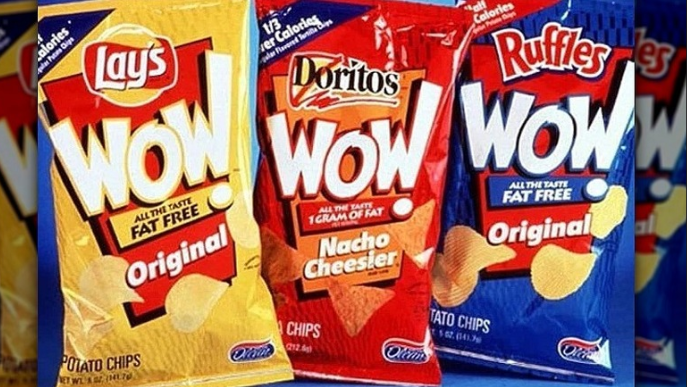
Wow! chips were sold as a near miracle of 1990s snack science. Frito-Lay used the fat substitute olestra to create potato chips with far less fat, offering consumers a way to indulge without the usual nutritional guilt. In an era obsessed with low-fat eating, the concept looked perfectly timed.
Then the side effects became the story. Reports of digestive distress and the warning label tied to olestra badly damaged the product's image, no matter how futuristic the food technology seemed. Even people who never tried the chips often heard the jokes first. The line was eventually renamed and reformulated in parts of the market, but the original promise collapsed fast under the weight of consumer discomfort and bad publicity.
Orbitz Drink

Orbitz looked less like a beverage and more like a science experiment built for a store shelf. Released in the late 1990s, the clear drink suspended small edible balls in liquid, giving it a floating, lava-lamp appearance that made it instantly memorable. It was designed to stand out in a crowded market, and visually it absolutely did.
What it lacked was a convincing reason to become part of anyone's routine. Many buyers treated it as a curiosity rather than a drink they genuinely enjoyed. The texture felt strange, the flavor drew mixed reactions, and the novelty worked better as conversation than refreshment. Orbitz vanished quickly, a reminder that visual innovation can get attention, but repeat sales depend on pleasure, not surprise alone.

Leave a Reply