
Kitchen gadgets tend to come and go, but a few stand out because they solve real problems. These seven products point to where home cooking may be headed next, with a focus on precision, convenience, and cutting down on waste.
Smart meat thermometer
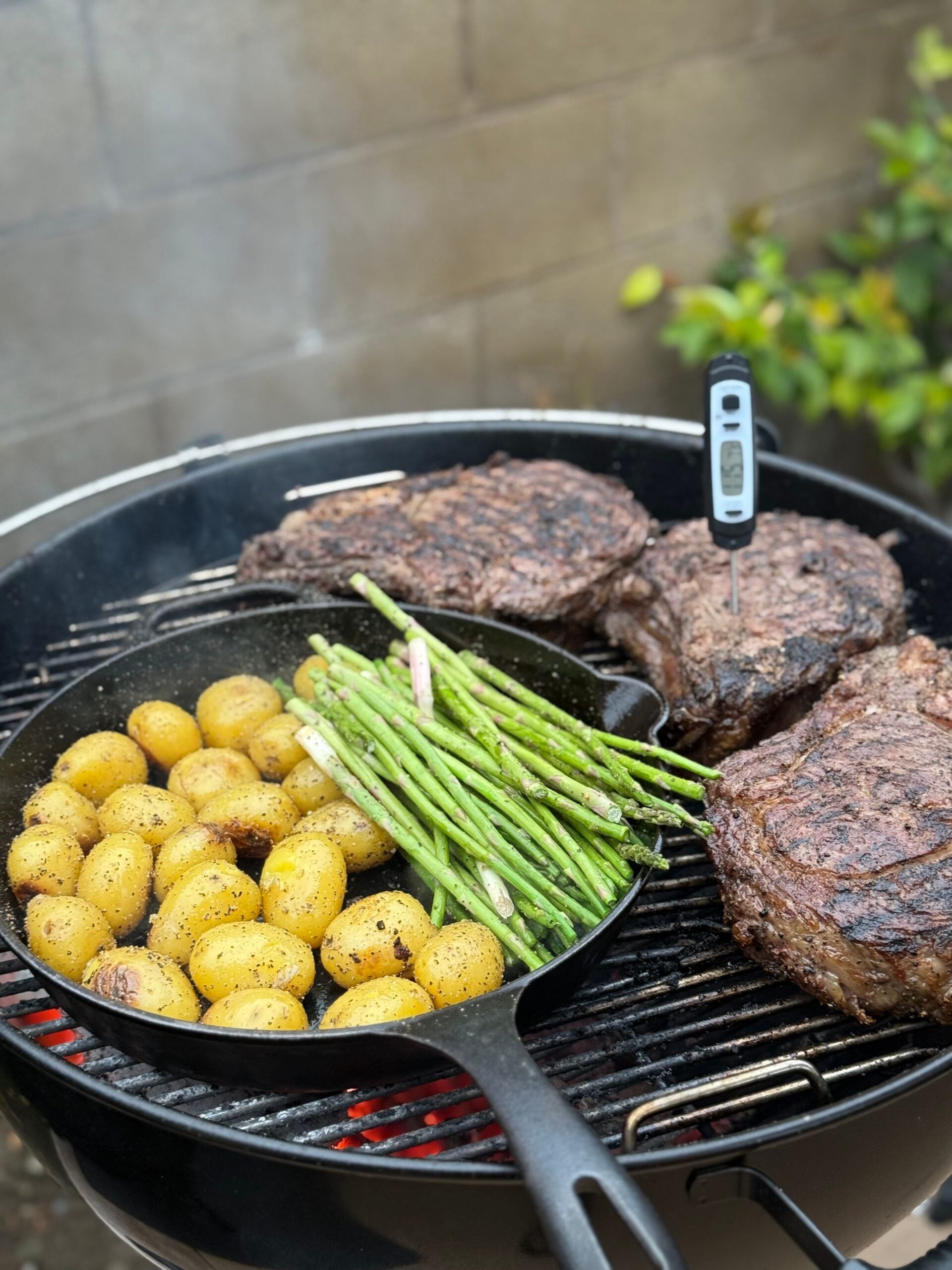
The best kitchen tech often disappears into the background, and that is the appeal of a smart meat thermometer. Instead of opening the oven door again and again, cooks can track internal temperature from a phone and get alerts when food reaches its target.
Wireless models from brands such as MEATER and Typhur are built around a simple promise: more accuracy with less guesswork. Many pair with apps that estimate cooking time, monitor ambient heat, and suggest rest periods after cooking.
That matters because temperature, not color, is the reliable way to judge doneness. For home cooks who want better roast chicken, steak, or holiday turkey, this gadget offers a practical step up from the old habit of checking by touch alone.
Countertop induction burner
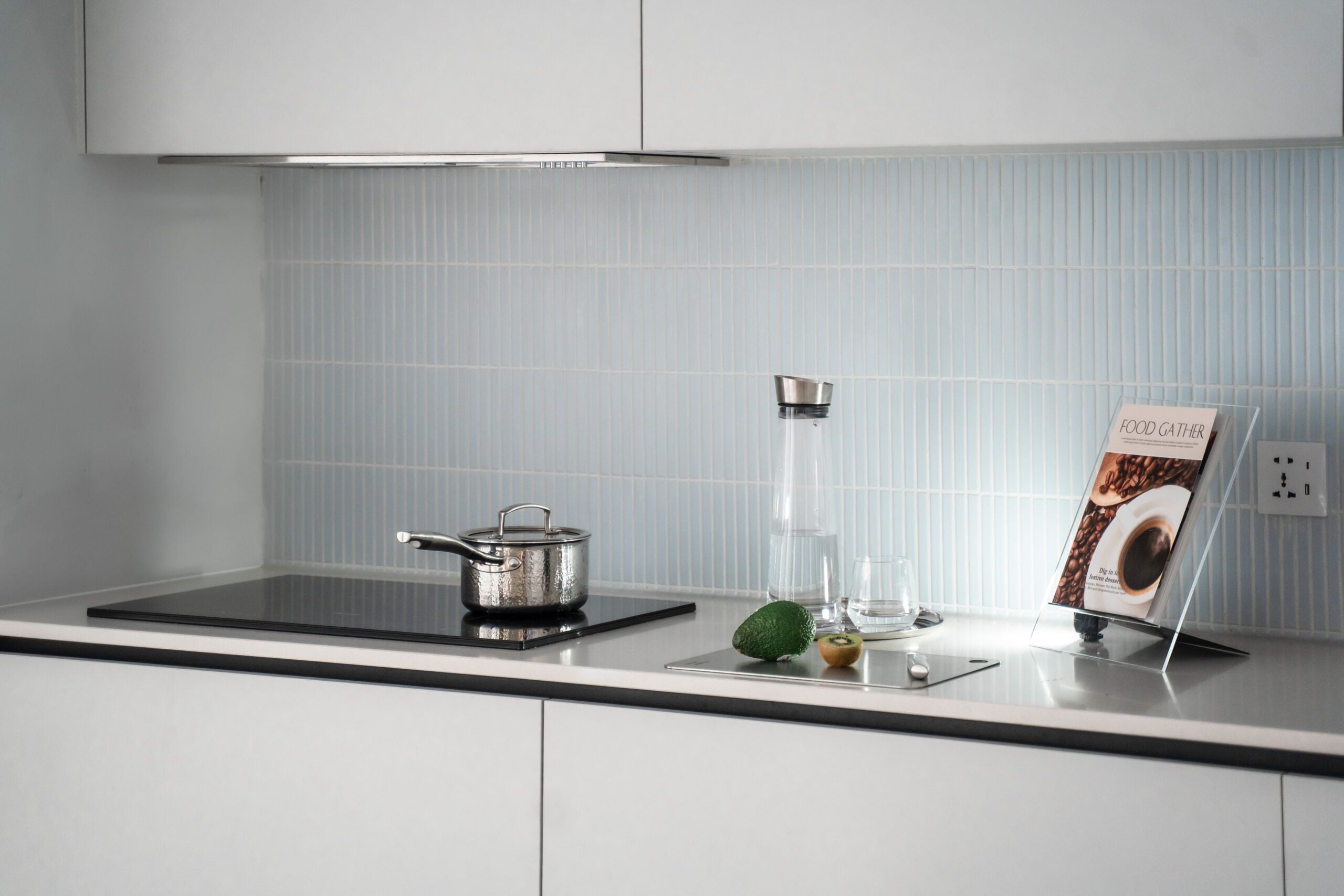
A single portable induction burner can make a kitchen feel more modern overnight. Unlike a traditional hot plate, induction works by using electromagnetic energy to heat compatible cookware directly, which means faster response and less wasted heat around the pan.
That speed is part of the reason induction has gained attention from apartment dwellers, renters, and people cooking in smaller spaces. It can also be useful as an extra burner during busy meals or holidays, when stove space runs out.
Safety is another selling point. The cooking surface usually stays cooler than gas or standard electric alternatives, and many units shut off automatically when cookware is removed. As more homes look for efficient electric options, compact induction burners are well positioned to grow.
Vacuum sealing system
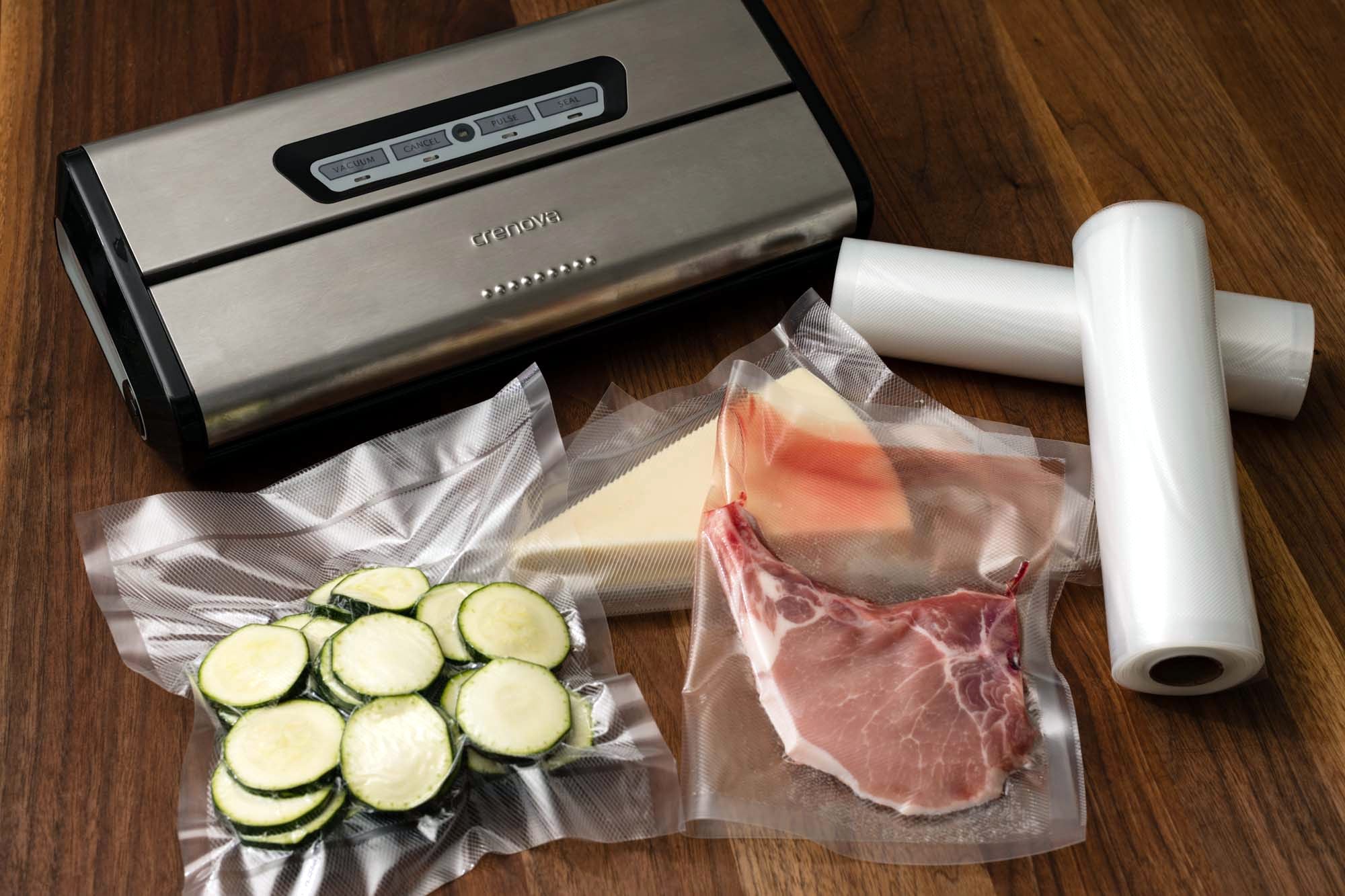
Some gadgets earn their place by helping groceries last longer, and vacuum sealers fit that description. By removing air from a bag or container, these systems are designed to slow spoilage, reduce freezer burn, and make it easier to portion food ahead of time.
That can be especially useful for bulk shoppers, meal preppers, and anyone trying to waste less meat, produce, or leftovers. Vacuum sealing also supports sous vide cooking, where food cooks in a temperature controlled water bath inside a sealed bag.
The idea is not new, but newer home models are smaller and easier to use than older versions. If rising grocery costs keep pushing people to stretch ingredients further, a compact sealing system could become less of a niche tool and more of a regular countertop appliance.
Smart compost bin

Food scraps are one of the least glamorous kitchen problems, which is exactly why smart compost bins are getting attention. Newer electric models are designed to reduce odor and volume by drying and grinding scraps, making daily cleanup easier in apartments and smaller homes.
Products such as the Mill kitchen bin and Lomi have helped popularize this category. Their appeal is convenience: instead of taking scraps outside every day, users can process peels, coffee grounds, and leftovers indoors with less mess.
These devices do not replace full traditional composting in every case, and results vary by system. Still, they reflect a broader shift in kitchen design, where waste management is becoming as considered as food prep. For households focused on cleaner routines, that could be a meaningful change.
Precision smart scale
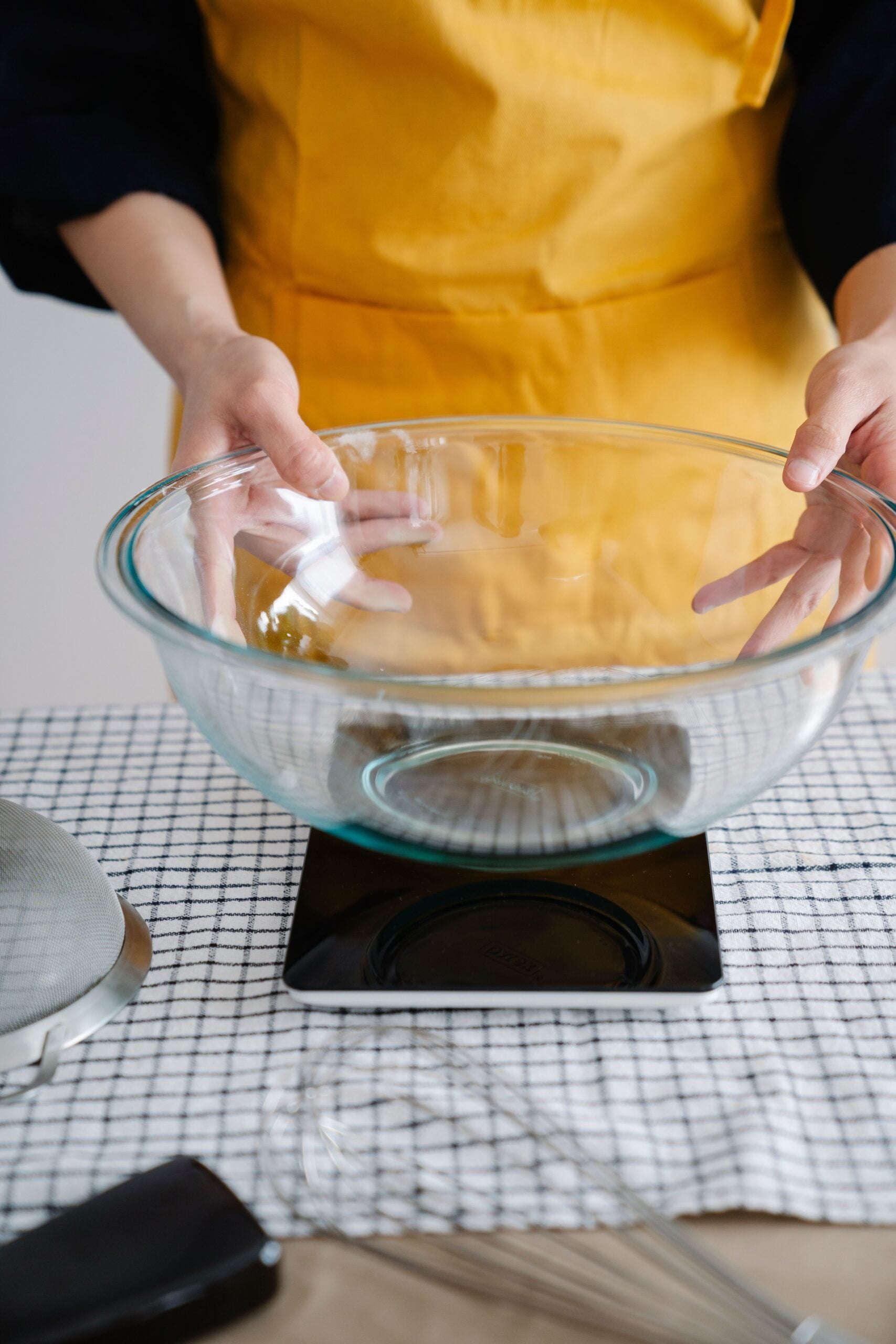
A digital kitchen scale is already useful, but a smart scale adds a layer of guidance that many home cooks appreciate. Some models connect to recipe apps, adjust ingredient amounts automatically, and track exact weights in real time as items are added to the bowl.
That can make a real difference in baking, where small measurement errors change texture and rise. It also helps with bread dough, coffee brewing, and portioning ingredients for meal prep. The appeal is less about novelty and more about consistency.
As more people cook from online recipes and video tutorials, tools that translate those directions into precise measurements become more attractive. A smart scale is a modest gadget, but it tackles one of the most common kitchen frustrations: recipes that fail because measuring by cups was not accurate enough.
Automatic pan stirrer
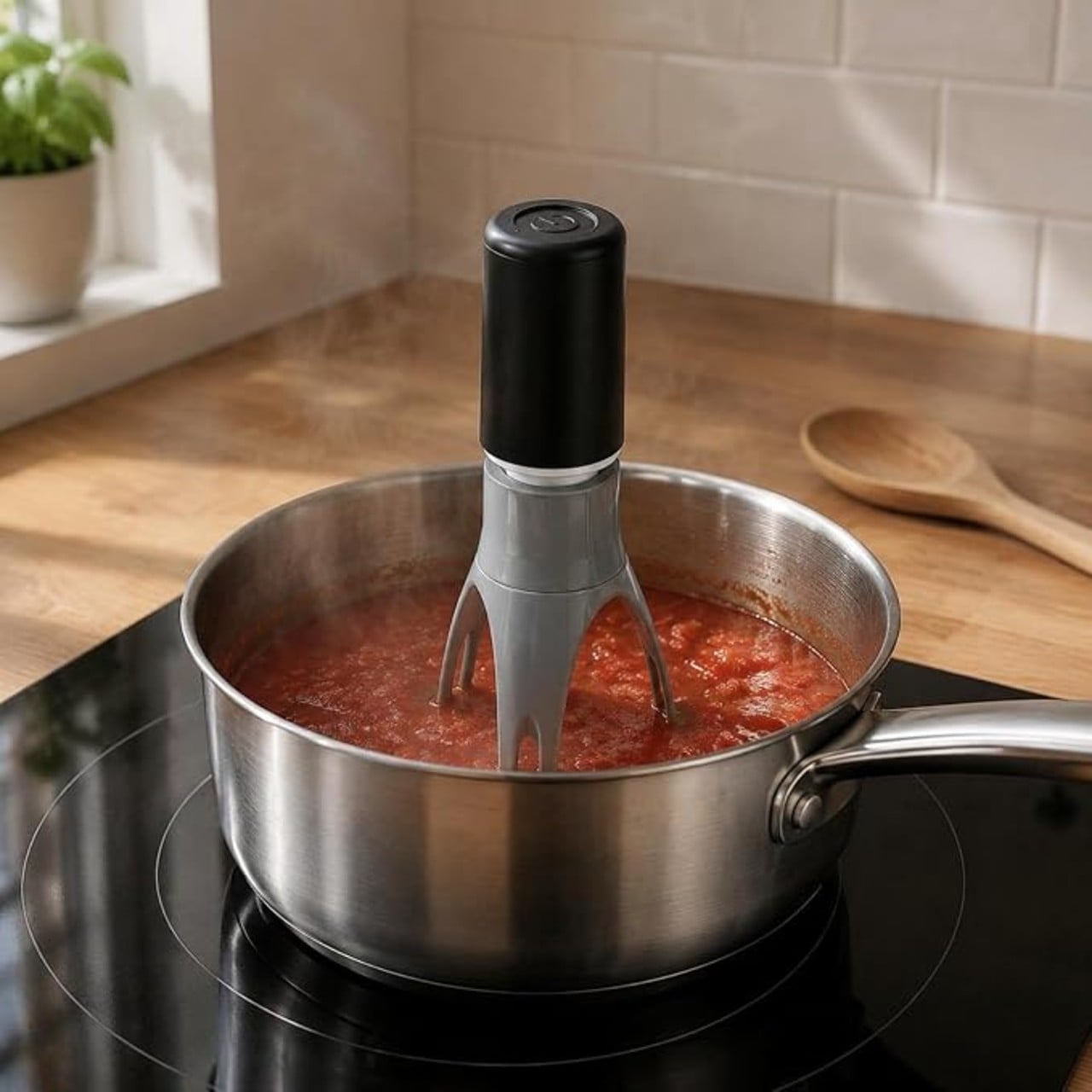
Not every useful gadget needs a screen or app. An automatic pan stirrer is a simple motorized tool that moves around a pot or pan and keeps sauces, custards, risotto, or gravy in motion while the cook handles other tasks nearby.
Its value is easy to understand for anyone who has stood over a stove during a long recipe. Constant stirring helps prevent scorching and sticking, especially in dishes that thicken gradually or contain milk, butter, or starch.
This category is still relatively small, but it addresses a real kitchen bottleneck. As companies keep refining battery life, heat resistance, and paddle design, the automatic stirrer could move from novelty shelf to regular weeknight helper, especially for busy cooks juggling multiple dishes at once.
Countertop freeze dryer
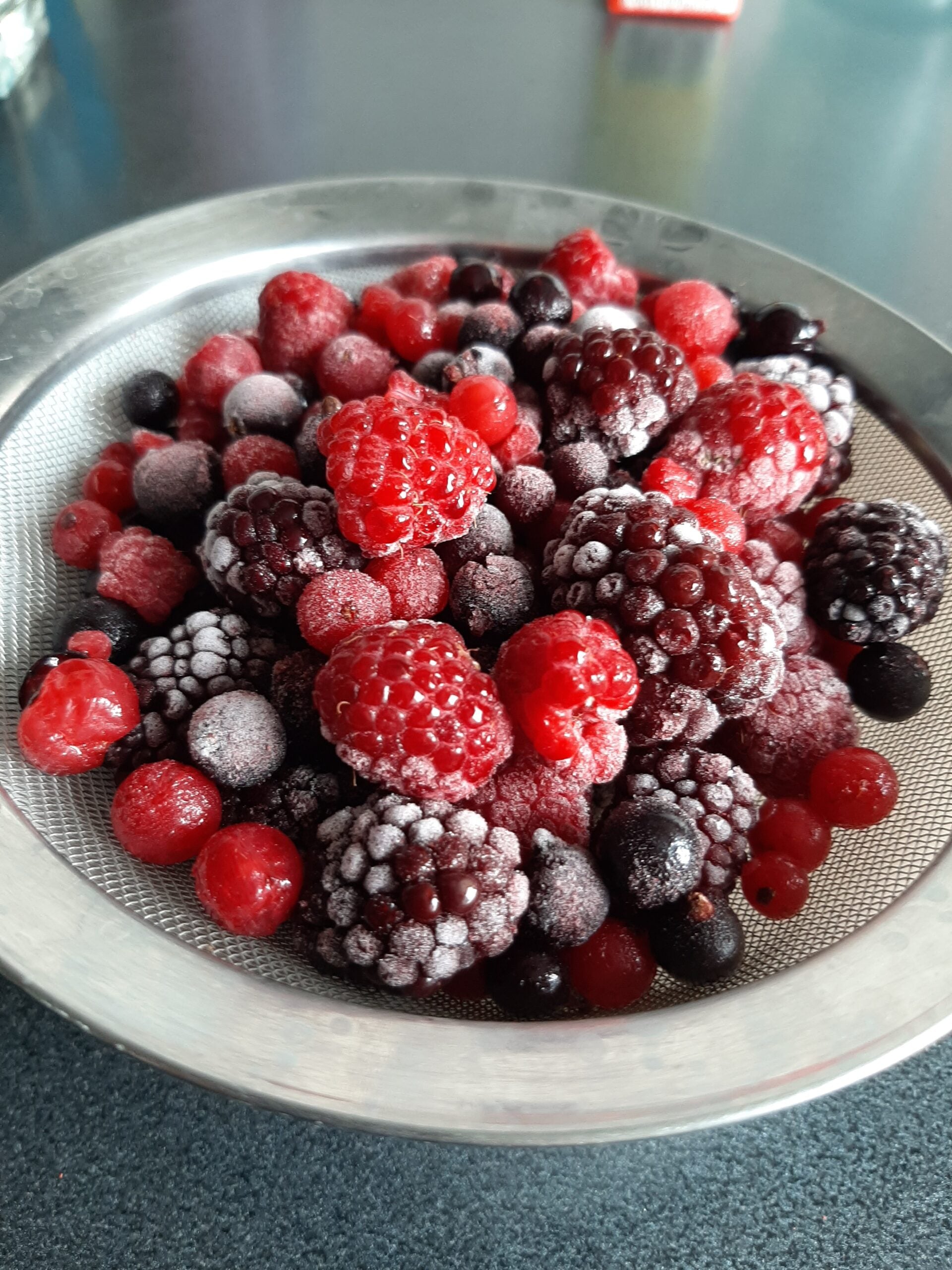
The most ambitious gadget on this list is the countertop freeze dryer. Unlike a dehydrator, which uses heat to remove moisture, freeze drying works by freezing food and then pulling out ice as vapor under vacuum, helping preserve structure and flavor differently.
Home units from Harvest Right have brought a once specialized process into residential kitchens. Users freeze dry fruits, vegetables, herbs, full meals, and snacks, often for long term storage. The process is not quick, and the machines are large and expensive, which keeps them far from mainstream for now.
Even so, the idea speaks to several current habits at once: bulk buying, emergency preparedness, reducing waste, and experimenting with homemade ingredients. If prices fall and designs get smaller, freeze dryers could become one of the most talked about categories in future kitchens.




Leave a Reply