
Food smuggling sounds old-fashioned, but it remains a very modern business. When prices, regulations, or shortages differ sharply from one country to the next, food can become as profitable to move illegally as any taxed luxury good.
European Eels
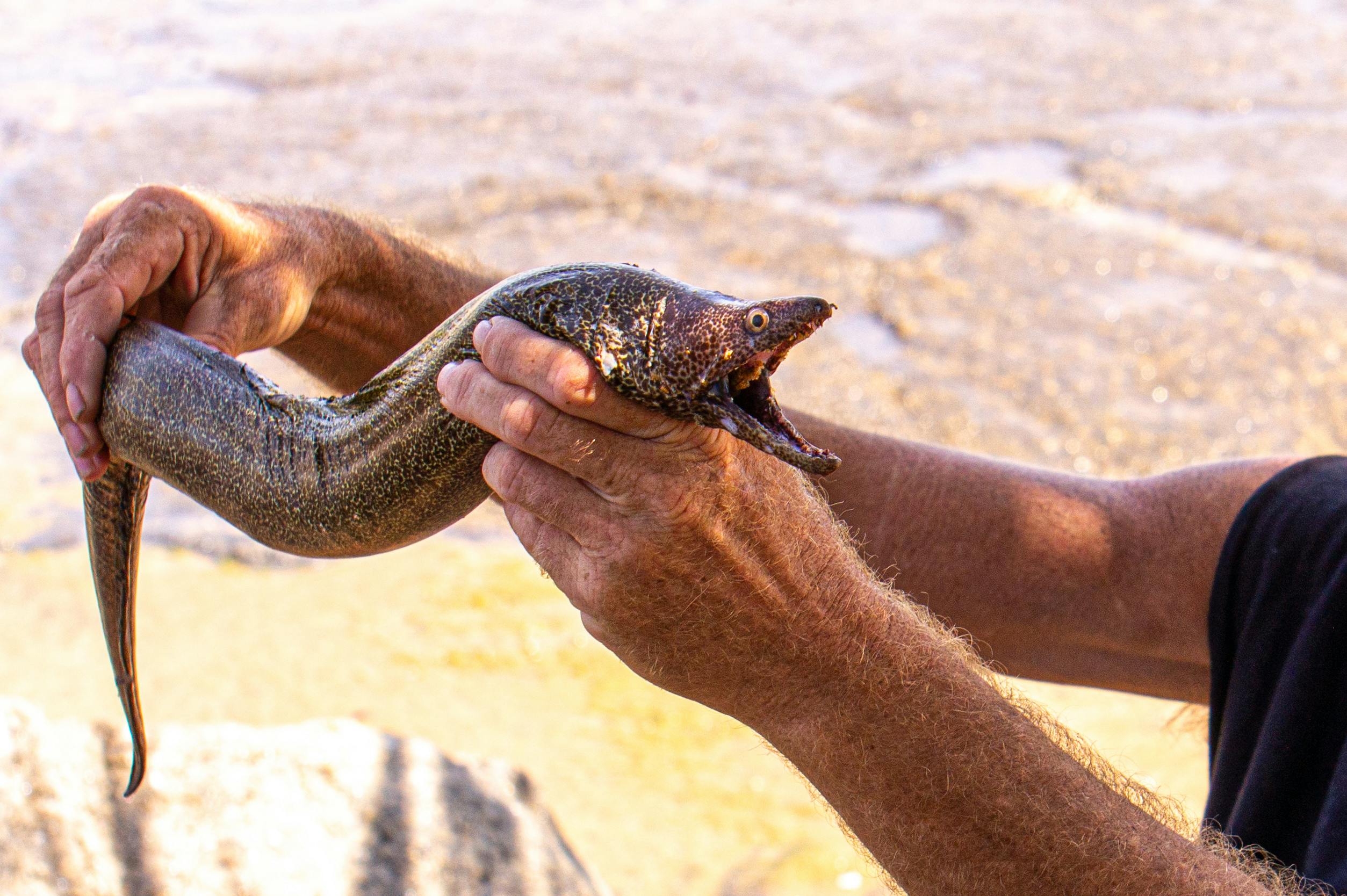
Few foods better show the pull of black-market demand than the European eel. This species begins life as translucent glass eels, and those tiny juveniles can fetch huge sums in Asia, where eel farming depends on wild young stock.
The European Union has tightly restricted exports because the species is critically endangered. That legal barrier created a classic smuggling incentive. Criminal groups have repeatedly been accused by Europol and national customs agencies of moving live glass eels out of Europe in suitcases, coolers, and mislabeled shipments.
Profits can be enormous because juveniles bought in Europe may be resold for many times more in Asian aquaculture markets. Authorities in Spain, France, and Portugal have reported seizures involving millions of euros in potential value.
The case is not only about money. Conservation experts warn that every illegal shipment undermines recovery efforts for a species already damaged by overfishing, habitat loss, and dams. In this trade, smuggling threatens both biodiversity and legal fishing livelihoods.
Cuban Cigars

Although cigars are not a food in the strict sense, they are often traded through the same customs and luxury-goods channels as high-end consumables. For decades, Cuban cigars became one of the clearest examples of profit driven by political restrictions and prestige.
Because of long-running United States trade restrictions, authentic Cuban cigars carried an aura of rarity. That scarcity pushed up resale prices and encouraged travelers, brokers, and organized smugglers to route boxes through third countries or mislabel origin documents.
Enforcement agencies have long distinguished between personal undeclared imports and larger commercial schemes. The profitable part has always been the brand premium. A genuine Cuban label could multiply value, and counterfeiters often joined the market by passing off non-Cuban cigars as the real thing.
This trade showed how regulation can create underground demand even for legal luxury products elsewhere. The cigar story also became a lesson in customs fraud, false invoicing, and the power of exclusivity in cross-border consumer markets.
Beluga Caviar

Caviar has long symbolized wealth, and that image helped fuel illegal cross-border trade. Beluga and other sturgeon roe became especially attractive to smugglers when wild stocks declined and international trade controls tightened under conservation rules.
The heart of the problem lay around the Caspian Sea, where sturgeon populations were heavily pressured. As legal supply shrank, prices climbed. That made even small quantities worth hiding in luggage, vehicles, or falsely declared seafood consignments moving into Europe, the Middle East, and North America.
Customs officers and wildlife investigators have repeatedly found mislabeled tins and forged certificates. In many cases, the smuggled product was sold into luxury hospitality channels where buyers were willing to pay premium rates and ask few questions.
The wider damage went beyond lost tax revenue. Illegal caviar trade fed poaching networks and weakened efforts to rebuild ancient fish populations. It also blurred the line between gourmet commerce and wildlife crime, a link regulators now take far more seriously.
Parmigiano Reggiano
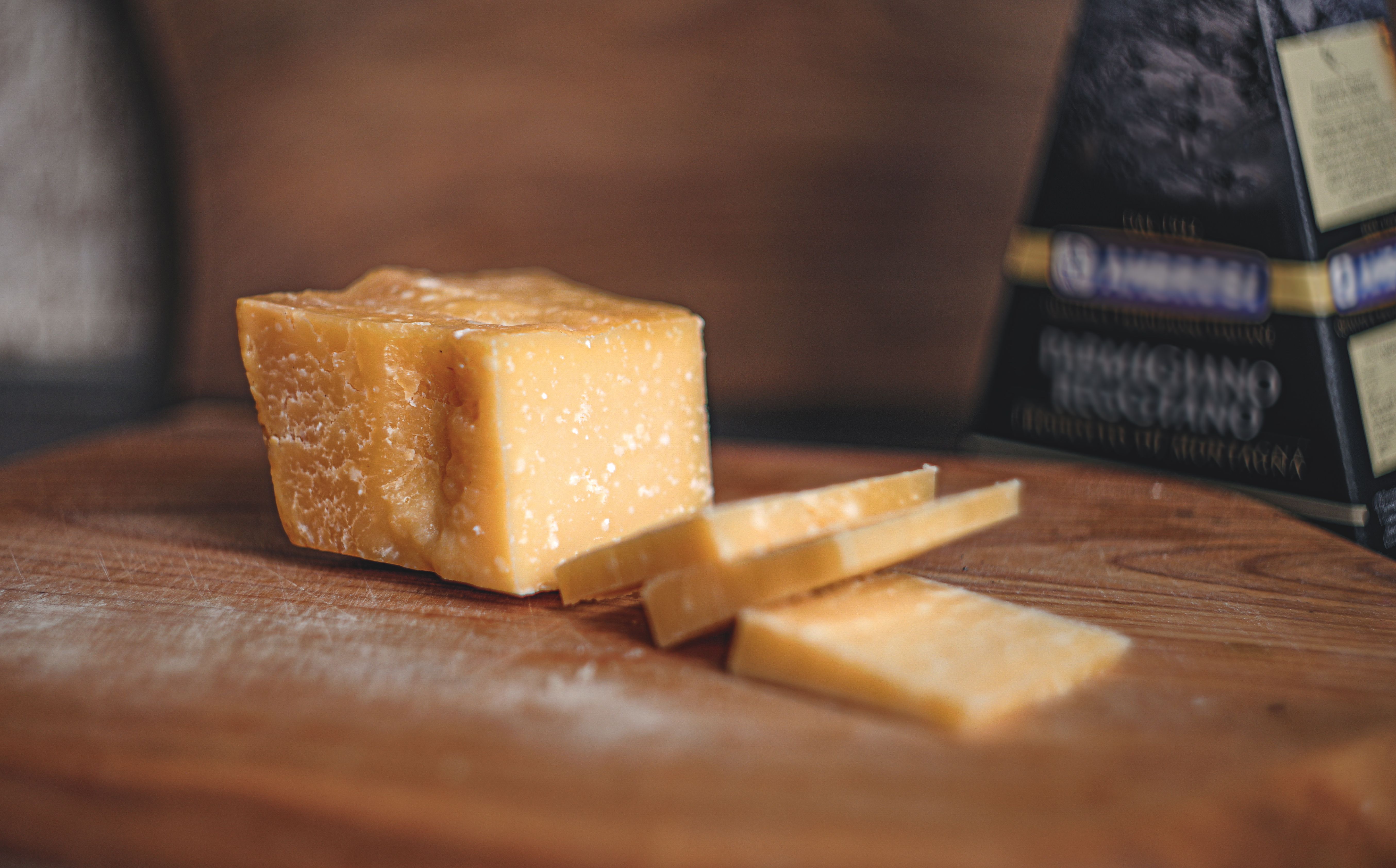
Not every profitable border food crime involves endangered species. Sometimes the draw is simply the value of a famous name. Parmigiano Reggiano, one of Italy's most protected cheeses, has long attracted smuggling, diversion, and counterfeit activity because genuine wheels command high prices worldwide.
The cheese is legally tied to a specific production region and method. That protection makes authentic stock more valuable than generic hard cheese. Criminal operators have exploited this by moving undeclared shipments, evading duties, or selling imitation products across borders under names designed to confuse consumers.
Law enforcement and food-fraud investigators in Europe have also tracked stolen cheese entering illicit trade routes. Whole wheels can be worth enough to interest organized theft crews, and cross-border movement makes recovery harder.
For buyers, the issue is not just authenticity but trust. Smuggled or fraudulently relabeled cheese can bypass safety checks, traceability rules, and protected-origin standards. A product associated with craftsmanship becomes a vehicle for customs evasion and deception.
Iberian Ham
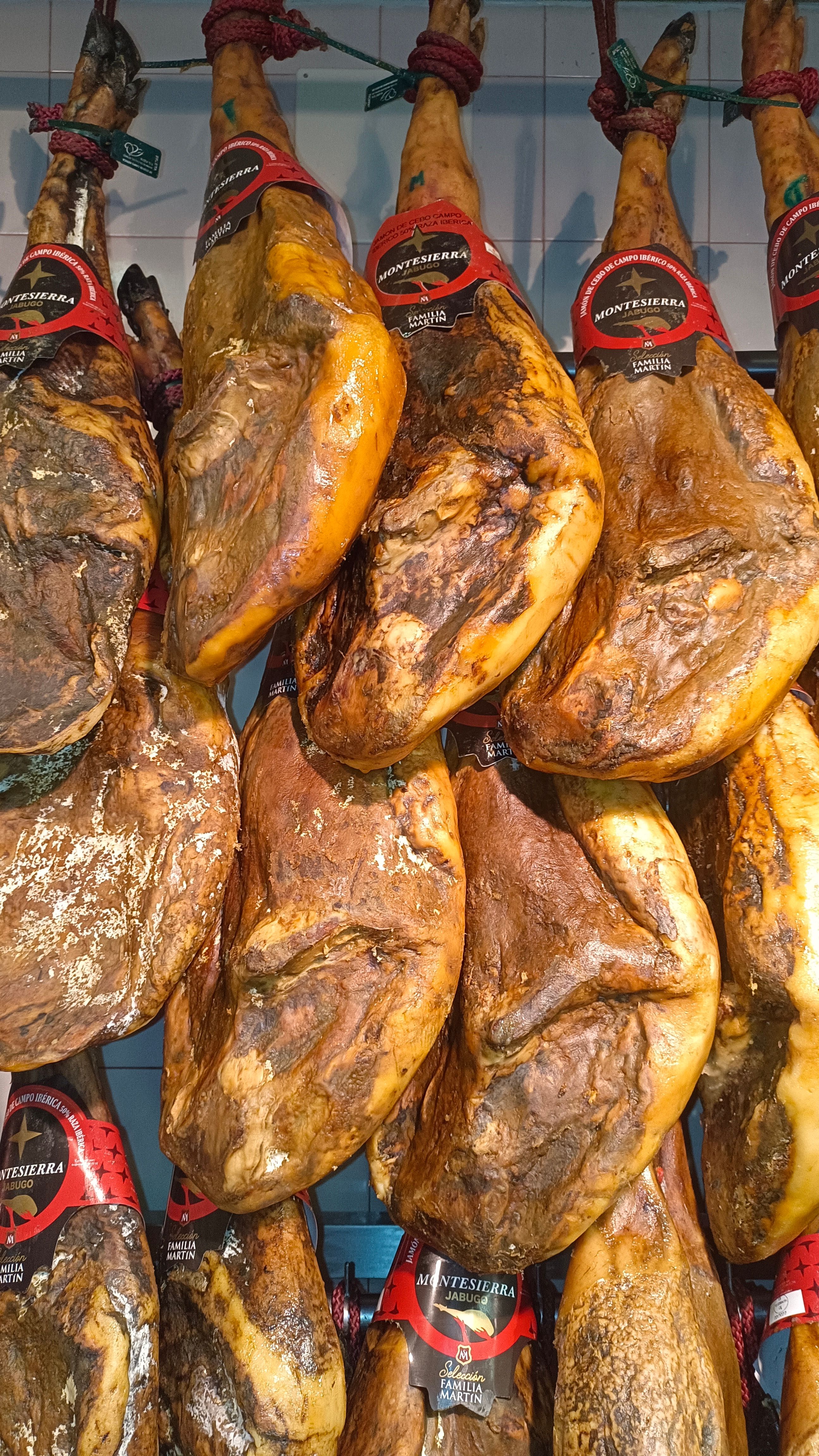
Dry-cured ham may look like an unlikely smuggling item, yet top-grade jamón ibérico can sell for extraordinary prices. That price tag, especially for acorn-fed labels, creates strong incentives for undeclared transport and counterfeit cross-border sales.
The product's value comes from breed standards, curing time, and strict certification categories. When import rules, veterinary checks, or tariffs raise costs, illegal traders see opportunity. Some shipments have involved mislabeled pork products entering markets where genuine Spanish ham is scarce or heavily regulated.
Authorities also watch for travelers and small commercial importers carrying cured meats without declaring them. In some jurisdictions, the concern is not only unpaid duty but animal-health protection. Pork products can violate biosecurity rules meant to prevent the spread of livestock disease.
That combination of prestige and regulation keeps Iberian ham vulnerable to illicit trade. It is a reminder that premium food markets depend on paperwork as much as flavor, and when documentation becomes valuable, it can be faked or bypassed.
Saffron
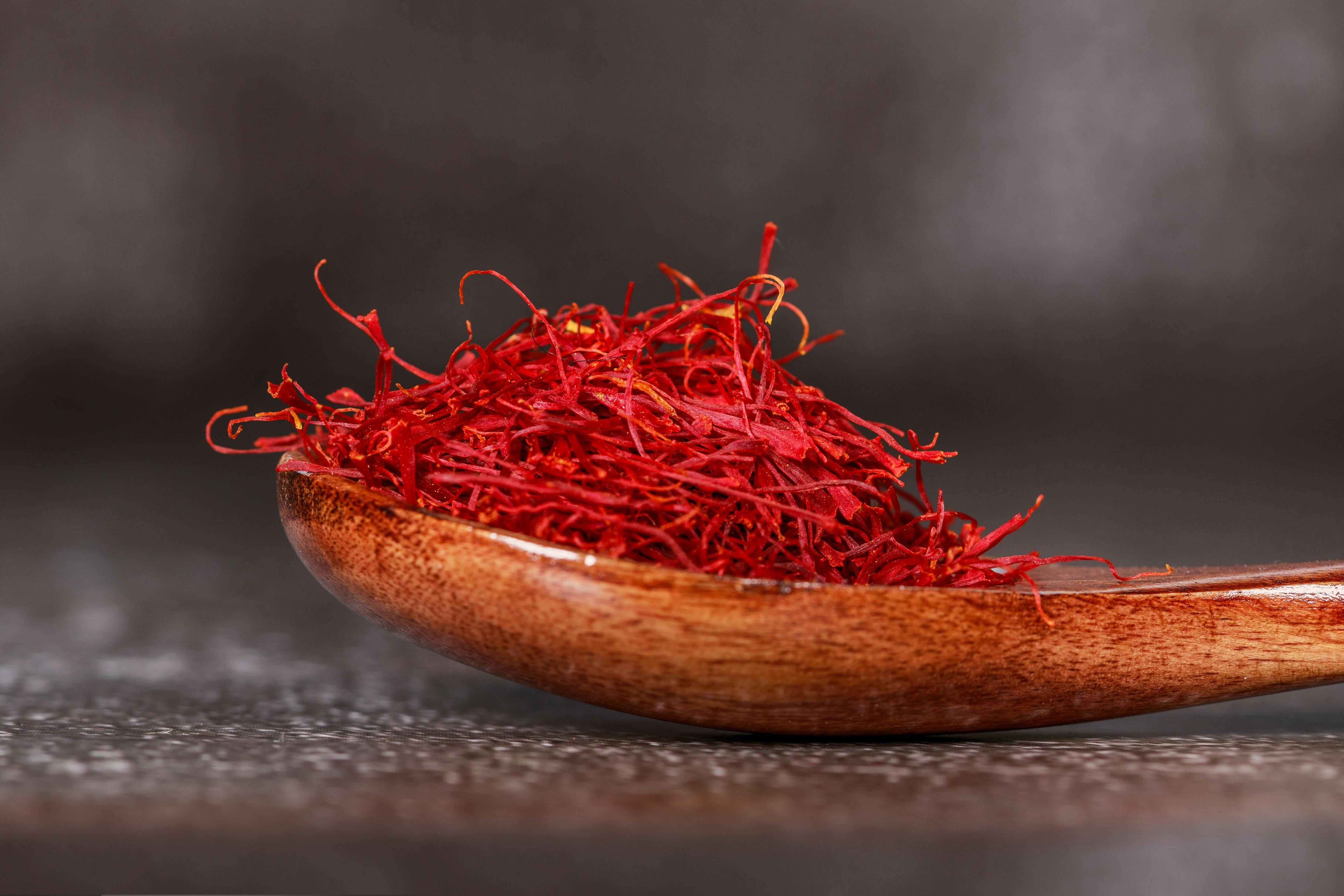
Weight for weight, saffron is one of the world's most expensive foods, so even tiny packets can carry serious profit. Its high value, compact size, and visually simple form have made it a recurring target for smuggling and adulteration.
Major producing countries include Iran, which dominates global supply. Trade sanctions, re-export rules, and pricing differences have at times encouraged unofficial channels into neighboring states and onward into Europe or Asia. Because saffron is light and easy to conceal, border detection can be difficult.
The trade is further complicated by fraud. Smuggled saffron may be mixed with lower-grade material or falsely labeled by origin to capture a better price. Consumers often cannot detect these differences without laboratory testing.
That makes saffron an ideal commodity for illegal profit. A small envelope can represent hundreds or thousands of dollars in retail value. In practical terms, it combines the economics of a luxury good with the portability of a much smaller contraband item.
Baby Formula

The most unsettling food-smuggling story may be baby formula, because it involves an essential product for infants rather than a delicacy. Yet formula has repeatedly been trafficked across borders when shortages, safety scares, or price controls created large resale margins.
A well-known example followed the 2008 melamine scandal in China, which shattered trust in some domestic dairy products. Demand for foreign-made formula surged, and parallel traders began buying bulk quantities in places like Hong Kong, Australia, Germany, and the Netherlands for resale into mainland markets.
Retailers responded by limiting purchases, while customs authorities tightened enforcement. Even so, organized buyers used networks of travelers and freight forwarders to move stock. According to multiple international reports over the years, this gray and black market pushed local shortages in some communities.
The formula trade shows the human side of food smuggling. Profit was central, but fear and trust were just as important. When families doubt supply safety at home, cross-border commerce can quickly slip into illegal channels with global consequences.



Leave a Reply