
Canada has many regional specialties, but Newfoundland still feels like a culinary country of its own. Its most iconic foods come from survival, seafaring, and a powerful habit of making something memorable from simple ingredients.
Jiggs' Dinner

Few meals announce Newfoundland more clearly than Jiggs' dinner. While many Canadians know boiled dinners, this version has a very specific structure and a Sunday ritual that gives it unusual staying power.
Salt beef is the anchor, not an optional extra. It is simmered with cabbage, turnip, carrot, and potato, often alongside split yellow peas cooked into pease pudding, a dense side that rarely appears on dinner plates elsewhere in Canada.
The plate can also include dough boys, small boiled dumplings that soak up the broth. According to Memorial University food historians, the meal reflects English and Irish roots but was adapted to outport life, where preserved meat and hardy vegetables mattered more than fresh variety.
Fish and Brewis

At first glance, fish and brewis can look almost austere. That plain appearance is exactly the point, because the dish was built for endurance, not presentation.
The core is hard bread soaked overnight and flaked salt cod that has been desalted and boiled. The mixture is then topped with scrunchions, crisp cubes of rendered salt pork, whose fat gives the dish its unmistakable richness and aroma.
Outside Newfoundland, hard bread is mostly a curiosity. In the province, it remained practical for generations because it stored well on ships and in isolated homes, making fish and brewis one of the clearest edible links to the North Atlantic fishery and working-class coastal life.
Toutons

Toutons prove that Newfoundland can turn leftover bread dough into something people crave. They are pan-fried rounds of risen dough, crisp on the outside and tender in the middle, often served at breakfast.
What makes them look unlike standard Canadian fare is the traditional topping. Instead of jam alone, many people pour on molasses or spread them with butter, creating a sweet-savory combination strongly tied to Newfoundland home cooking.
They grew from thrift, especially in households where no dough was wasted. Today, toutons appear in diners and tourism marketing, yet their appeal remains rooted in familiarity: simple ingredients, skillet cooking, and a flavor profile that still feels more Atlantic island than mainstream Canadian brunch.
Figgy Duff
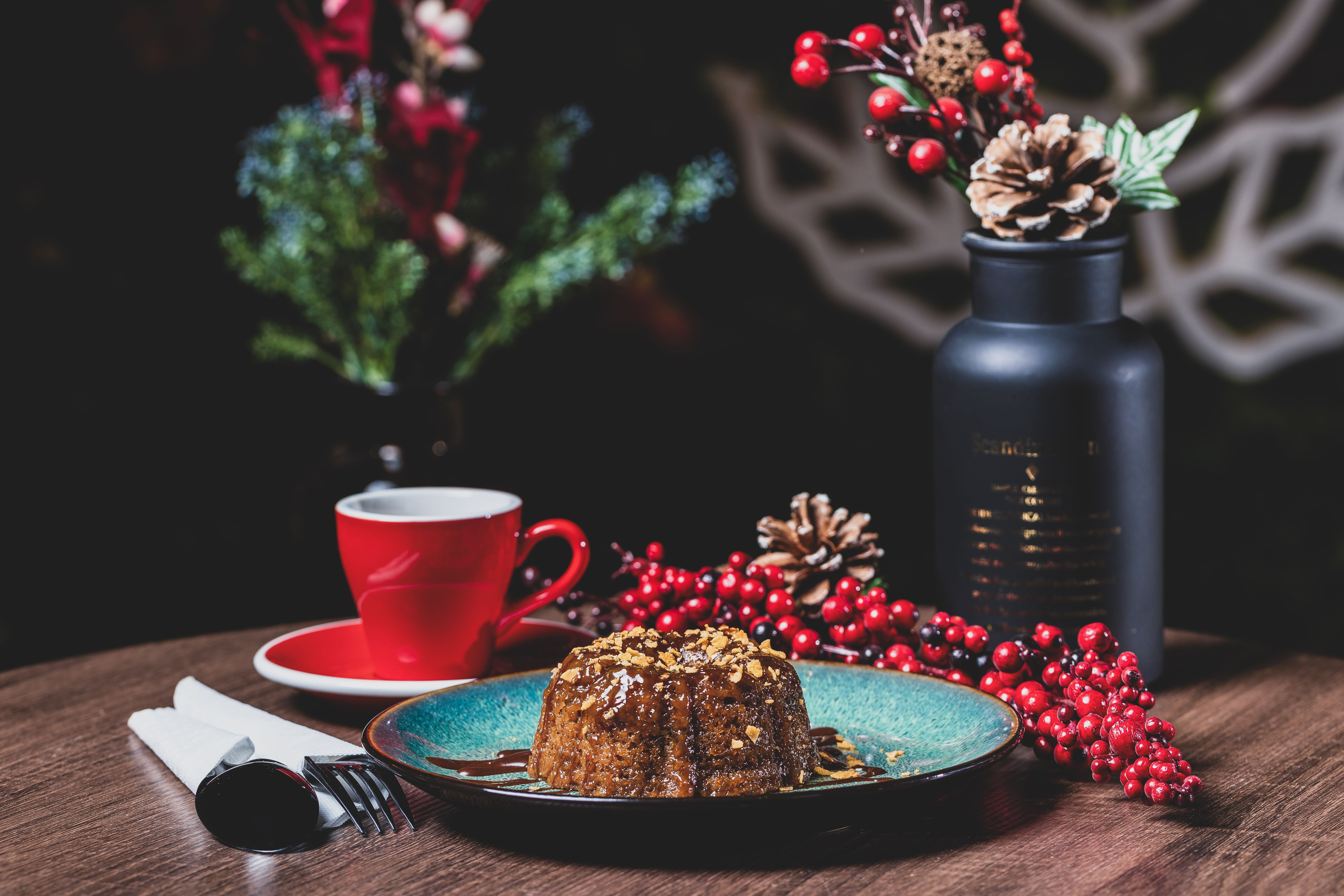
Despite the name, figgy duff usually contains no figs. That surprise alone sets it apart, but the bigger distinction is that this boiled pudding still appears beside a savory dinner rather than only as dessert.
Traditionally made with flour, raisins, butter, molasses, and spices, figgy duff is often boiled in a cloth or bag. The result is dense, moist, and sliceable, more closely related to old British puddings than to cakes or pastries popular elsewhere in Canada.
Its place next to Jiggs' dinner tells you a lot about Newfoundland taste. Sweetness here does not always stay in its lane, and older British foodways survived longer in the province because isolation slowed the spread of newer mainland food trends.
Cod Tongues

Nothing captures Newfoundland's nose-to-tail seafood culture better than cod tongues. Despite the name, they are not actually tongues in the mammal sense, but small pieces cut from the floor of a cod's mouth.
They are usually floured and pan-fried, sometimes served with scrunchions, onions, or mustard pickles. Their shape and texture can surprise first-time visitors, especially Canadians used to neat fillets, fish and chips, or restaurant-style seafood platters.
For generations, cod tongues represented respect for the catch and a refusal to waste edible parts. They remain one of the province's most talked-about foods because they look unfamiliar, taste delicate, and tell a deeper story about labor, scarcity, and identity in Newfoundland kitchens.




Leave a Reply