
British Columbia has often eaten differently from the rest of Canada. Its geography, immigrant communities, and coastal abundance created food habits that felt normal in Vancouver or Victoria, yet never fully caught on farther east.
West Coast sushi as an everyday staple
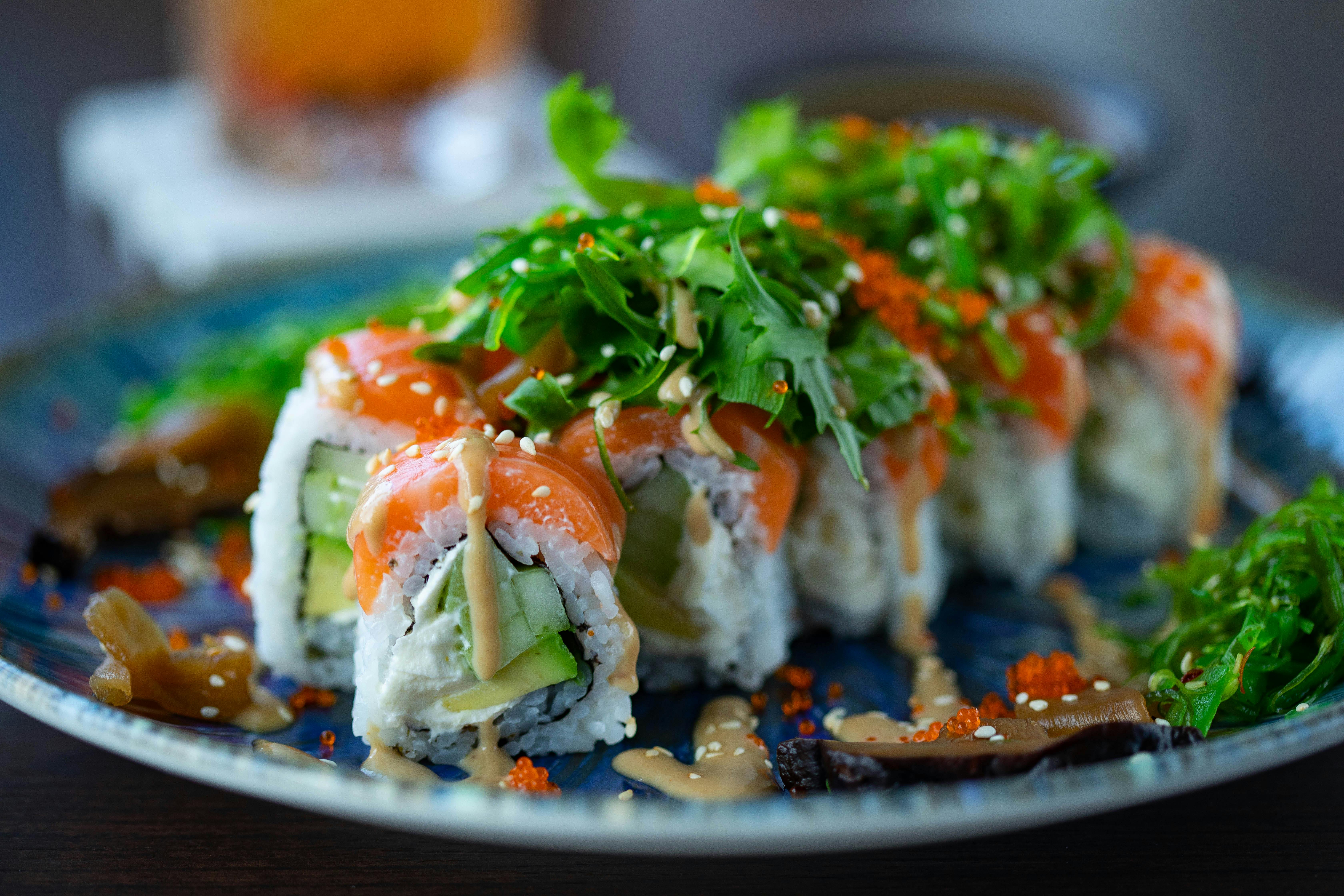
In BC, sushi stopped being a special-occasion meal earlier than it did in much of the country. By the 1990s, neighbourhood sushi bars were woven into ordinary life in Vancouver, Burnaby, and Richmond, helped by strong Japanese influence and steady access to quality seafood.
Affordable combo lunches, takeout trays, and late-night rolls made sushi practical, not precious. BC diners embraced local twists too, including salmon-heavy menus and larger specialty rolls that suited casual dining. In Toronto and Montreal, sushi certainly grew, but it took longer to become as routine and as geographically widespread.
What made BC different was volume and familiarity. Small suburban strips could support multiple sushi shops, often family-run, with loyal repeat customers. That density reflected a regional comfort with raw fish and seaweed that was tied to the coast itself, not just to restaurant fashion.
Spot prawn season as a citywide ritual

For a few weeks each spring, spot prawns become a public event in BC. Vancouver buyers line up at docks, chefs rewrite menus, and home cooks plan dinners around the short live season. Few food trends are so rooted in timing, freshness, and place.
The appeal is partly culinary and partly cultural. Spot prawns are sweet, delicate, and best cooked simply, often dropped into boiling salted water for less than a minute. Their seasonality creates urgency, and that scarcity became part of BC's food identity long before seasonal eating became a national marketing phrase.
Eastern Canada has its own prized shellfish traditions, especially lobster, oysters, and snow crab. But the dockside excitement around live spot prawns never translated the same way. The species, supply chain, and Pacific timing were too specific, and without those conditions the ritual lost its power.
Wild salmon obsession beyond restaurant menus

Salmon matters across Canada, but BC turned it into a complete food worldview. Sockeye, chinook, coho, and pink were not just species names for chefs. They shaped home cooking, smokehouses, Indigenous food traditions, summer markets, and arguments over sustainability and fishing policy.
That depth of knowledge affected what people bought and how they ate. Consumers learned to distinguish runs, fat content, and cooking methods. Cedar-plank preparations, candy-smoked salmon, and vacuum-packed fillets for home freezers became standard parts of regional food culture in ways that never felt quite as embedded in central Canada.
There was also a strong political edge. Concerns about fish farms, declining wild stocks, and river health made salmon both a meal and a symbol. Eastern diners appreciated BC salmon, but the everyday intimacy with the fish, and the civic debates around it, remained largely a Pacific phenomenon.
Granola natural foods before wellness went mainstream
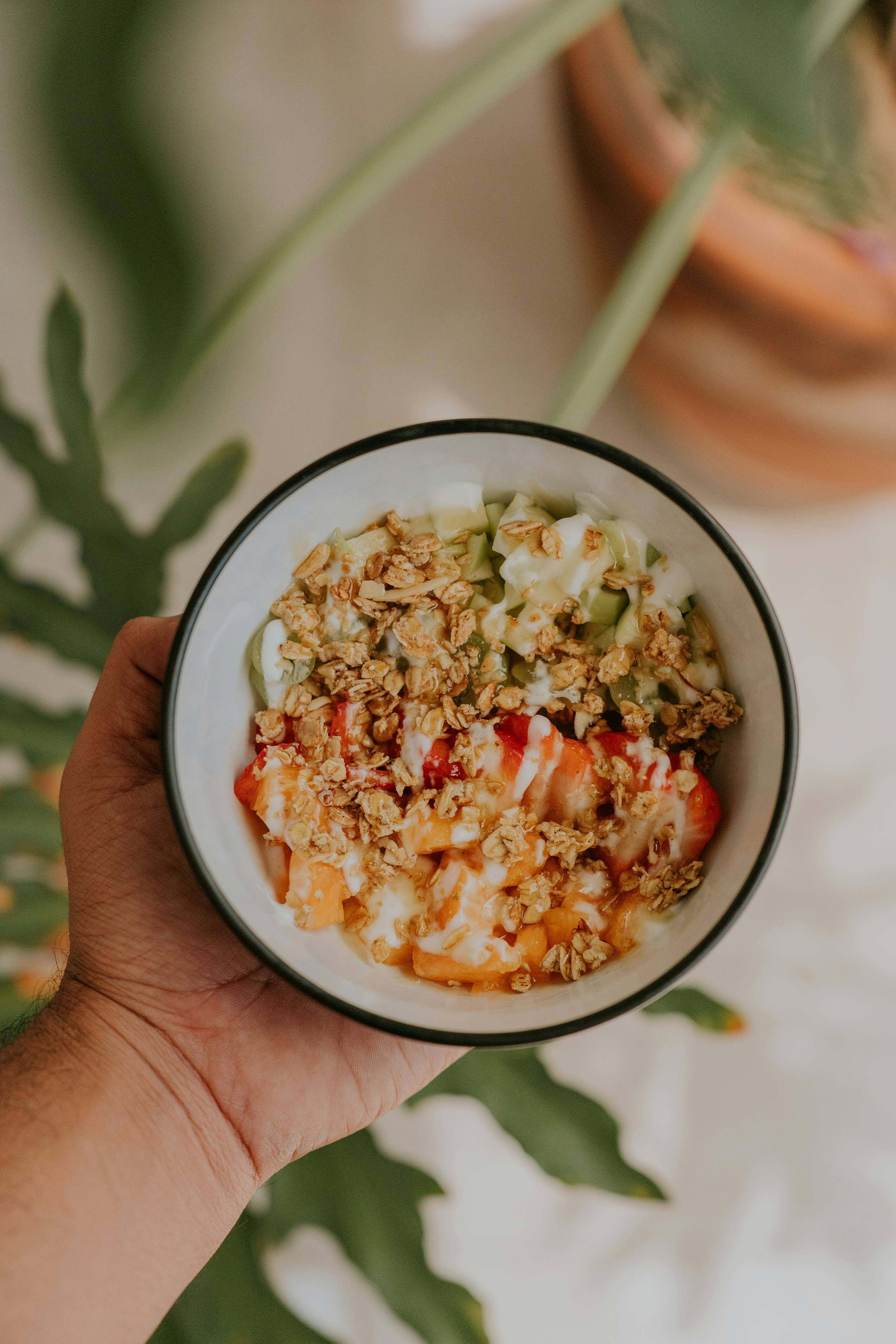
Long before wellness branding flooded supermarkets, BC had a deeply rooted natural-foods culture. The Gulf Islands, the Kootenays, and Vancouver's west side helped normalize bulk bins, house-made nut butter, tofu, sprouts, and vegetarian cafés decades before those foods looked commercially polished.
This was not only about health. It grew from counterculture, environmental politics, cooperative retail, and back-to-the-land living. Stores sold lentils beside herbal tinctures and local honey, and shoppers were often motivated as much by ethics and self-sufficiency as by calories or protein counts.
Other provinces eventually embraced organic produce and plant-based products, but BC's version had a distinctly homemade character. It prized local co-ops and community habits over national branding. That made it influential, yet oddly hard to export in its original form once wellness became more corporate elsewhere.
Pacific fusion long before fusion was a buzzword
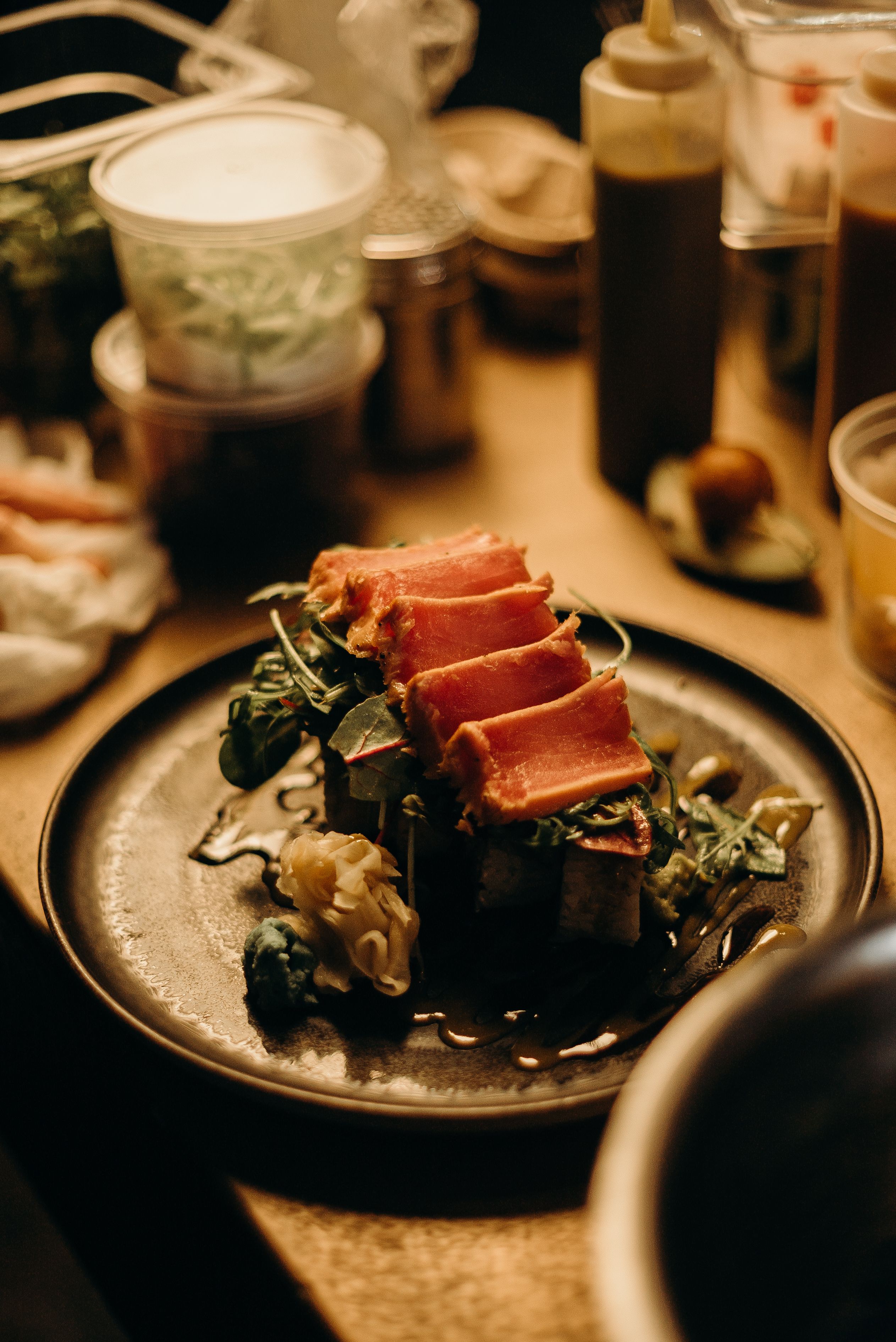
BC kitchens mixed culinary traditions naturally because the population did. In Vancouver especially, Chinese, Japanese, Southeast Asian, Indigenous, and European influences met on the same block. The result was not staged experimentation but an everyday style of cooking that felt intuitive and regional.
Menus combined miso with local sablefish, soy with maple, and rice bowls with Pacific seafood in ways that now seem familiar. In the 1980s and 1990s, chefs in BC were already building what became known as Pacific Northwest cuisine, emphasizing freshness, restraint, and multicultural technique rather than heavy formalism.
The East certainly developed its own cosmopolitan dining scene. Still, BC's fusion food emerged from proximity and repetition, not novelty. Because the ingredients and communities were so specifically coastal and trans-Pacific, the style inspired admiration elsewhere without ever being copied with the same ease or authenticity.
Dock-to-table casual seafood culture

BC helped normalize a less formal way of eating premium seafood. Instead of reserving top-quality fish and shellfish for white-tablecloth dining, the province built a culture around fish counters, harbour-side shacks, market stalls, and relaxed restaurants where excellent seafood could be eaten in jeans.
That casual approach changed expectations. Salmon burgers, fish tacos, smoked sablefish plates, and chowder served with local beer made regional seafood accessible to a broader public. The experience mattered too: diners wanted visible freshness, daily catch boards, and a direct connection to boats, waters, and seasonality.
Eastern cities had superb seafood restaurants, but the west coast style felt more integrated into everyday urban life. BC's shoreline, tourism economy, and mild climate supported outdoor and market-based seafood eating in a way inland centres could not easily reproduce, even when demand clearly existed.
Foraged coastal ingredients in mainstream cooking
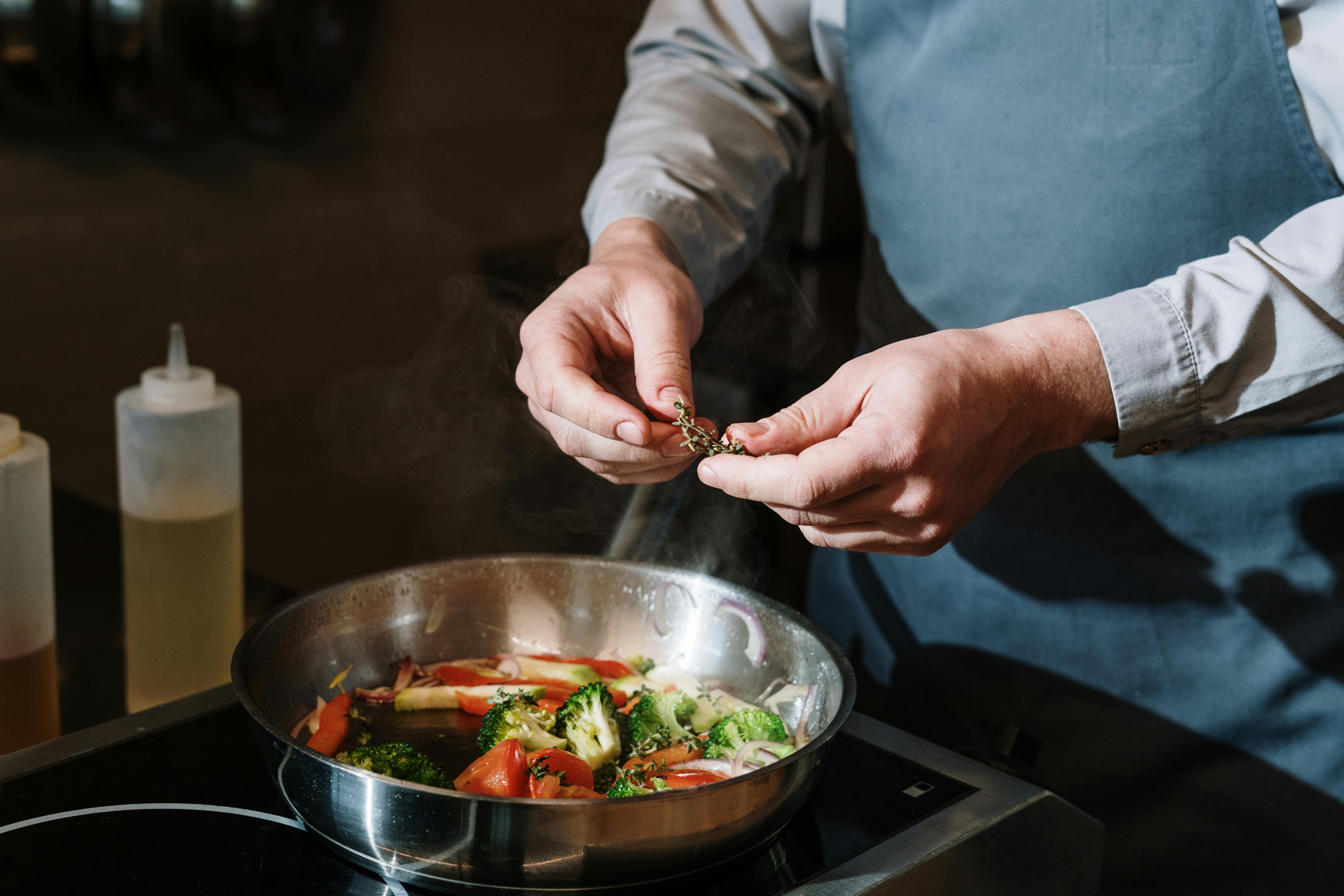
Few provinces brought wild ingredients into mainstream restaurant culture as confidently as BC did. Chefs and home cooks alike used fiddleheads less than the East, but embraced salal, spruce tips, nettles, sea asparagus, wild mushrooms, and kelp with remarkable comfort and creativity.
This trend worked because BC diners were receptive to hyperlocal language before it became fashionable. Menus named forests, islands, and inlets, and servers explained ingredients without making them sound intimidating. The province's strong outdoor culture also meant customers were more likely to recognize, or at least appreciate, what had been gathered nearby.
Elsewhere in Canada, foraging often stayed niche, rustic, or tied to luxury tasting menus. In BC, it filtered into bistros, bakeries, cocktail programs, and specialty retail. That broader acceptance depended on coastal ecosystems and a public already primed to see wild ingredients as part of modern everyday food.


Leave a Reply