
Food trends move faster than facts. What looks revolutionary on social media often turns out to be old advice, weak science, or marketing dressed up as health wisdom.
Celery Juice as a Cure-All

Few trends rose faster than plain celery juice at sunrise. Influencers framed it as a near-medicinal ritual that could calm inflammation, heal the gut, clear skin, and even "detox" the body. The claims sounded specific enough to feel scientific, which made them unusually persuasive.
In reality, celery is a nutritious vegetable, not a clinical treatment. It contains water, small amounts of vitamins, and plant compounds, but no solid body of medical evidence shows that juicing it alone can cure chronic illness. Gastroenterologists and dietitians repeatedly noted that the liver and kidneys already handle detoxification.
There was also a practical downside people rarely mentioned. Juicing strips away much of the fiber that makes vegetables filling and useful for digestion. For some people, large amounts of celery juice also caused bloating or digestive discomfort, which undercut the trend's promise of universal gut healing.
Activated Charcoal in Everyday Foods
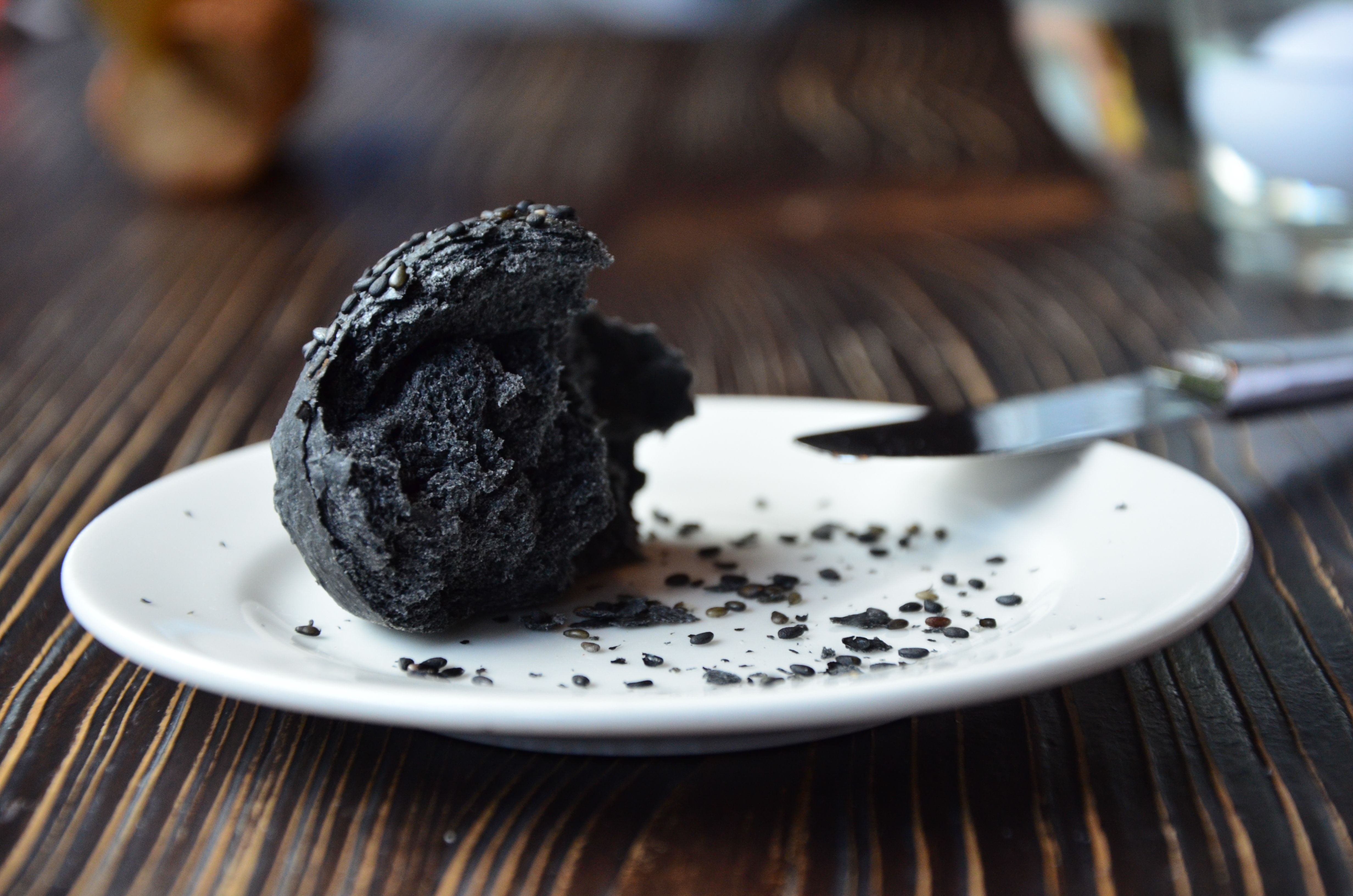
Activated charcoal quickly became a visual phenomenon. Black ice cream, black lemonade, and pitch-dark burger buns looked dramatic in photos, and many posts suggested that charcoal "pulled toxins" from the body in the same way it can absorb certain substances in emergency medical settings.
That comparison was deeply misleading. In hospitals, activated charcoal is used in limited circumstances under professional supervision, not as a wellness garnish. Public health experts warned that eating it casually was not a proven detox method and could interfere with how the body absorbs medications.
That last point mattered more than many consumers realized. Pharmacists cautioned that charcoal may reduce the effectiveness of some prescription drugs, including birth control and antidepressants. Several health departments pushed back on the fad once restaurants began selling it as a health-forward ingredient rather than a novelty.
Raw Water as the "Natural" Choice

At first glance, raw water sounded like anti-industrial common sense. Advocates promoted unfiltered, untreated spring water as cleaner, more alive, and richer in beneficial minerals than standard tap water. Viral clips framed processed municipal water as lifeless and suspicious.
The problem is simple and serious. Water treatment exists to reduce the risk of dangerous contaminants, including bacteria, parasites, and viruses. According to the Centers for Disease Control and Prevention, untreated water can carry organisms that cause severe gastrointestinal illness, especially in children, older adults, and immunocompromised people.
The trend also relied on a false equation between "natural" and "safe." Many naturally occurring water sources contain hazards that cannot be seen, smelled, or tasted. Experts in environmental health stressed that the romance of spring water imagery did not change the microbiological risks involved.
Alkaline Diets That "Change" Body pH

The alkaline food movement spread because it borrowed the language of chemistry. Posts claimed that eating certain foods could make the body less acidic, helping prevent disease, reduce inflammation, and even slow cancer growth. The theory felt intuitive, especially when paired with charts ranking foods by pH.
Human physiology is far less flexible than the trend suggested. Blood pH is tightly regulated by the lungs and kidneys, and meaningful shifts are medical emergencies, not lifestyle tweaks. Nutrition researchers have long explained that while foods can influence urine pH, they do not radically reset the body's overall acid-base balance.
That does not mean every alkaline diet choice was bad. Many recommended foods, such as fruits, vegetables, legumes, and nuts, are genuinely healthy. What turned out to be wrong was the core claim that these foods transformed systemic pH in a way that explained broad disease prevention.
Coconut Oil as a Heart-Healthy Superfat
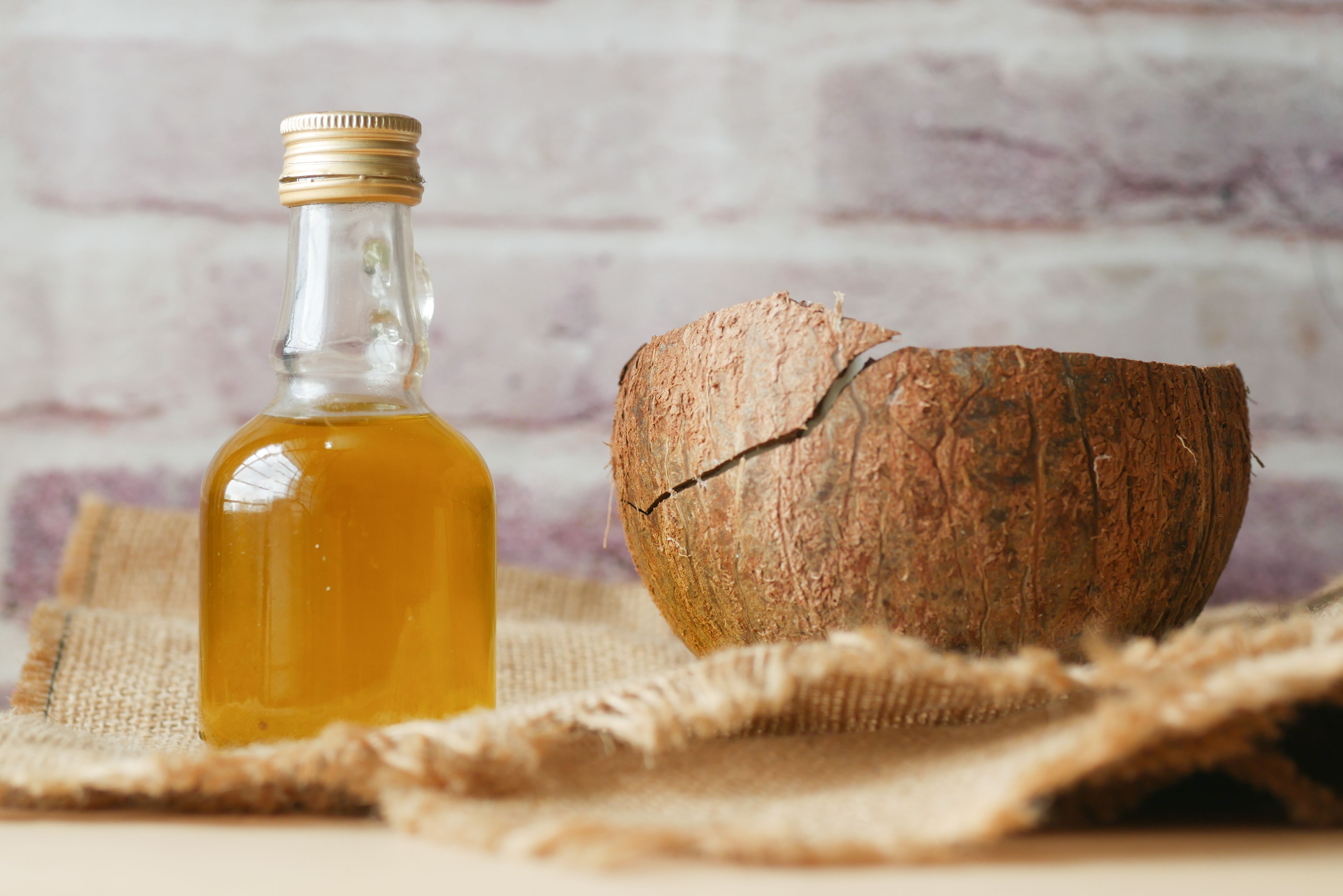
Coconut oil was once promoted as a miracle pantry staple. Viral headlines praised it for boosting metabolism, helping with weight loss, sharpening brain function, and protecting the heart. Because it came from a plant and had a wholesome image, many people treated it as automatically healthier than butter or other fats.
Cardiology experts took a more cautious view. Coconut oil is high in saturated fat, and major health organizations, including the American Heart Association, warned that replacing unsaturated fats with it is not a heart-health strategy. Some studies showed it could raise LDL cholesterol, a well-established cardiovascular risk factor.
The nuance got lost in the hype. Coconut oil can still have culinary uses and is not uniquely dangerous when eaten in moderation. What failed was the inflated claim that it deserved "superfood" status or that it offered a clear metabolic advantage over better-studied unsaturated oils like olive or canola.
Gluten-Free Eating for Everyone

Gluten-free eating became one of the most durable food trends of the social media era. For people with celiac disease, a medically necessary gluten-free diet is essential. But online culture expanded that truth into a much broader message that gluten was broadly inflammatory, fattening, or harmful for almost everyone.
Large numbers of consumers began buying gluten-free products without a diagnosis or evidence of benefit. Dietitians pointed out that many gluten-free packaged foods are not automatically healthier and can contain more sugar, starch, or sodium to improve texture and taste. A "free-from" label often created a false health halo.
The correction here is not that gluten concerns are imaginary. Non-celiac gluten sensitivity remains an active area of discussion, and some people do report symptom relief when avoiding it. The viral claim that nearly everyone should cut gluten, however, outran the science and oversimplified a complex digestive issue.




Leave a Reply