That half-empty pickle jar in the fridge is hiding one of the most useful flavor boosters in your kitchen. Salty, tangy, and already packed with herbs and spices, pickle brine can do far more than preserve cucumbers. Before you pour it down the drain, consider these smart, delicious ways to give every last splash a second life.
Use It to Marinate Chicken, Pork, or Tofu
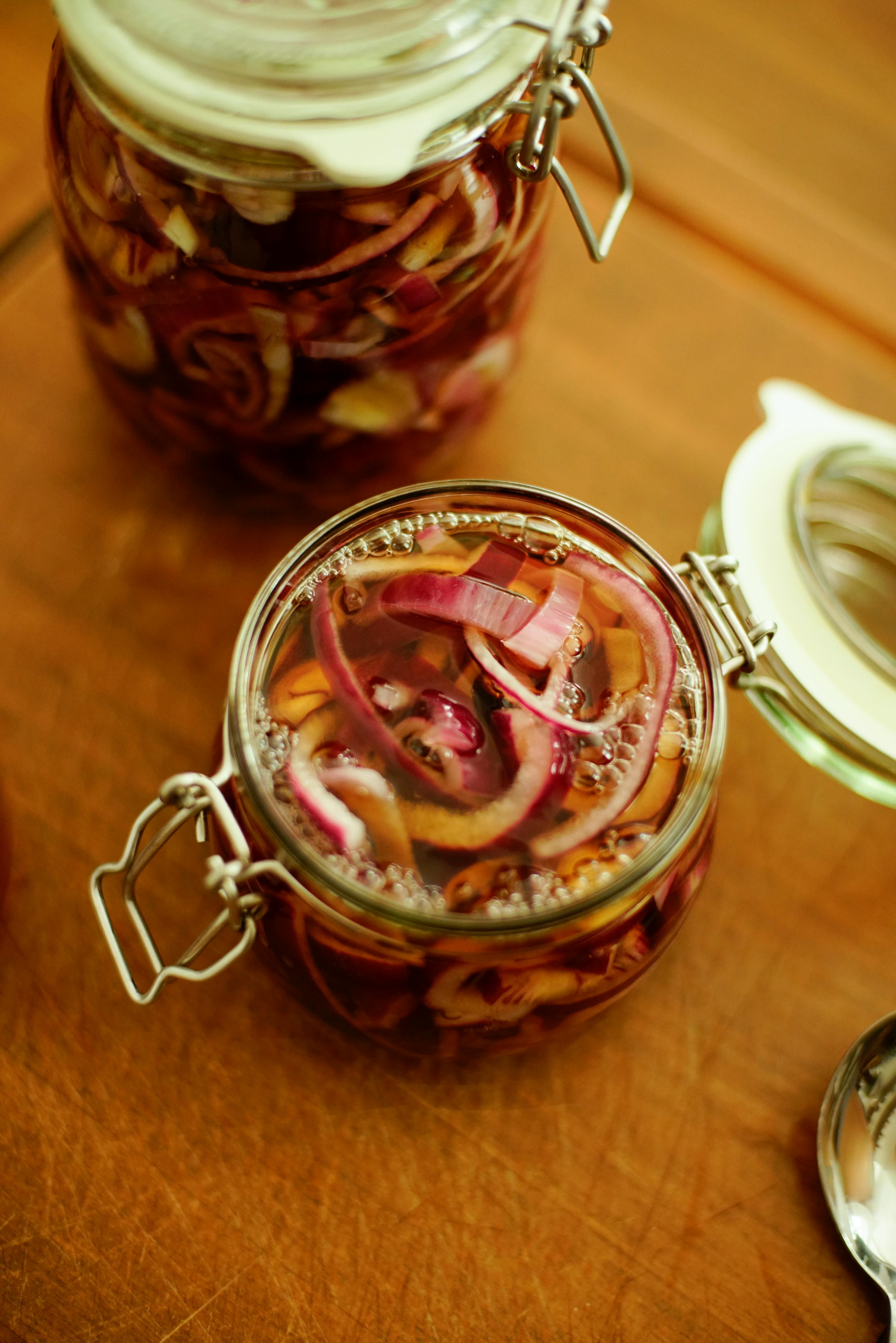
Pickle brine is practically a ready-made marinade. It already contains salt, vinegar, and seasonings, which means it can add flavor while helping proteins stay juicy and tender. That balance is especially helpful for chicken cutlets, pork chops, and tofu headed for the skillet or grill.
A short soak is usually all it takes. The acidity can work fast, so think in hours, not overnight marathons, especially for thinner cuts. According to cooks and chefs who swear by this trick, the result is savory, tangy, and just bold enough to taste intentional rather than gimmicky.
It is also a smart move before breading and frying. Fried chicken gets a little extra zing, and tofu picks up much more character before it ever hits the pan.
Brighten Sauteed Vegetables

When vegetables taste a little flat, pickle brine can wake them right up. A splash added near the end of cooking gives greens, cabbage, onions, or green beans a sharp, lively finish that cuts through richness from butter or oil.
The beauty is that you are not just adding acidity. You are also bringing in the dill, garlic, mustard seed, pepper, and whatever else was steeping in that jar. It is a shortcut to layered flavor without pulling half the spice rack off the shelf.
Use it lightly at first, then taste as you go. The goal is a brighter pan of vegetables, not something that tastes like it fell into a pickle jar. Done well, it feels fresh, balanced, and unexpectedly polished.
Cook Rice With a Splash of Brine
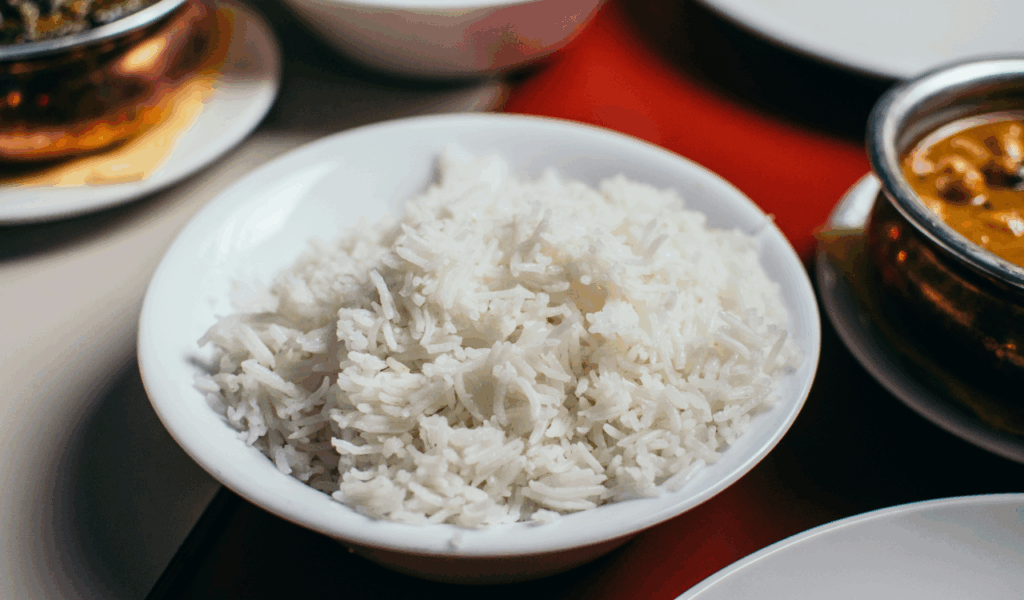
Plain rice is famously good at playing support, but it does not always bring much personality on its own. Replacing a small portion of the cooking liquid with pickle brine gives it instant character, adding salt, acidity, and gentle spice from the start.
This works especially well with rice served alongside grilled meats, roasted vegetables, or anything that benefits from a little tang. The flavor seeps into every grain instead of sitting on top like an afterthought. It is an easy way to make a side dish feel more considered.
Go carefully if the brine is very salty. A modest amount mixed with water or stock usually does the trick. The result is subtle but noticeable, which is often exactly what weeknight cooking needs.
Stir It Into Dressings and Sauces

Pickle brine belongs in more sauces than most people realize. It can sharpen ranch, perk up vinaigrettes, and give burger sauce that hard-to-place tangy edge people often chase with extra mustard or vinegar.
Because it is both salty and acidic, it does two jobs at once. That makes it especially useful in mayo-based sauces, where richness needs a counterpoint. A spoonful can turn a heavy dressing into something brighter, more balanced, and more craveable.
It also works in dips and sandwich spreads where pickle flavor already feels welcome. Think tartar sauce, remoulade, deviled egg filling, or even a quick sauce for roasted potatoes. One small splash can make the whole mixture taste more alive.
Add Tang to Coleslaw or Potato Salad

Pickle brine is a natural fit for classic picnic salads. Coleslaw and potato salad already lean on creamy dressing and bright, punchy accents, so the brine slips in without feeling out of place. In fact, it often tastes like the missing ingredient.
In coleslaw, it adds zip to the dressing and helps balance sweetness. In potato salad, it can be stirred into the mayo mixture or spooned over warm potatoes so the flavor absorbs more deeply. Either way, it delivers that deli-style tang people love.
This is one of those low-effort upgrades that makes a familiar dish taste more thoughtful. If your salads tend to come out a little bland or heavy, a tablespoon or two of brine can pull everything into better focus.
Mix It Into Cocktails or Lemonade

Pickle brine has earned a following behind the bar for good reason. It adds salinity, acidity, and a savory kick that can transform drinks like bloody marys, martinis, and even margaritas. A little goes a long way, but the effect is memorable.
The most familiar example may be the pickleback, where a shot of whiskey is followed by a shot of pickle brine. It sounds unusual until you try how well the tang softens the burn. For cocktails, it can create a dirty-martini style profile with extra personality.
It is not only for alcohol, either. Stirred into lemonade, it cuts sweetness and adds a bright edge that some fans absolutely love. The trick is restraint. Think accent, not main ingredient, and the drink stays refreshing rather than overpowering.
Work It Into Bread Dough

Bread might not be the first place you would use pickle brine, but it makes surprising sense. Swapping some of the water for brine adds subtle savory flavor and can give loaves a more complex, sandwich-friendly personality from the inside out.
This works particularly well in rye, sourdough, and rustic white loaves that pair naturally with deli flavors. If you have ever loved the way pickle juice soaks into sandwich bread on the plate, this is that idea taken one smart step further.
There is also a practical upside. Vinegar can interact helpfully in dough development, and many bakers say it contributes to a softer texture and better rise. The final loaf does not scream pickle, but it tastes vivid, balanced, and built for a great sandwich.