
Some of Canada's most familiar snacks look homegrown at first glance. But behind the logos, several beloved brands now answer to American corporate parents.
Miss Vickie's
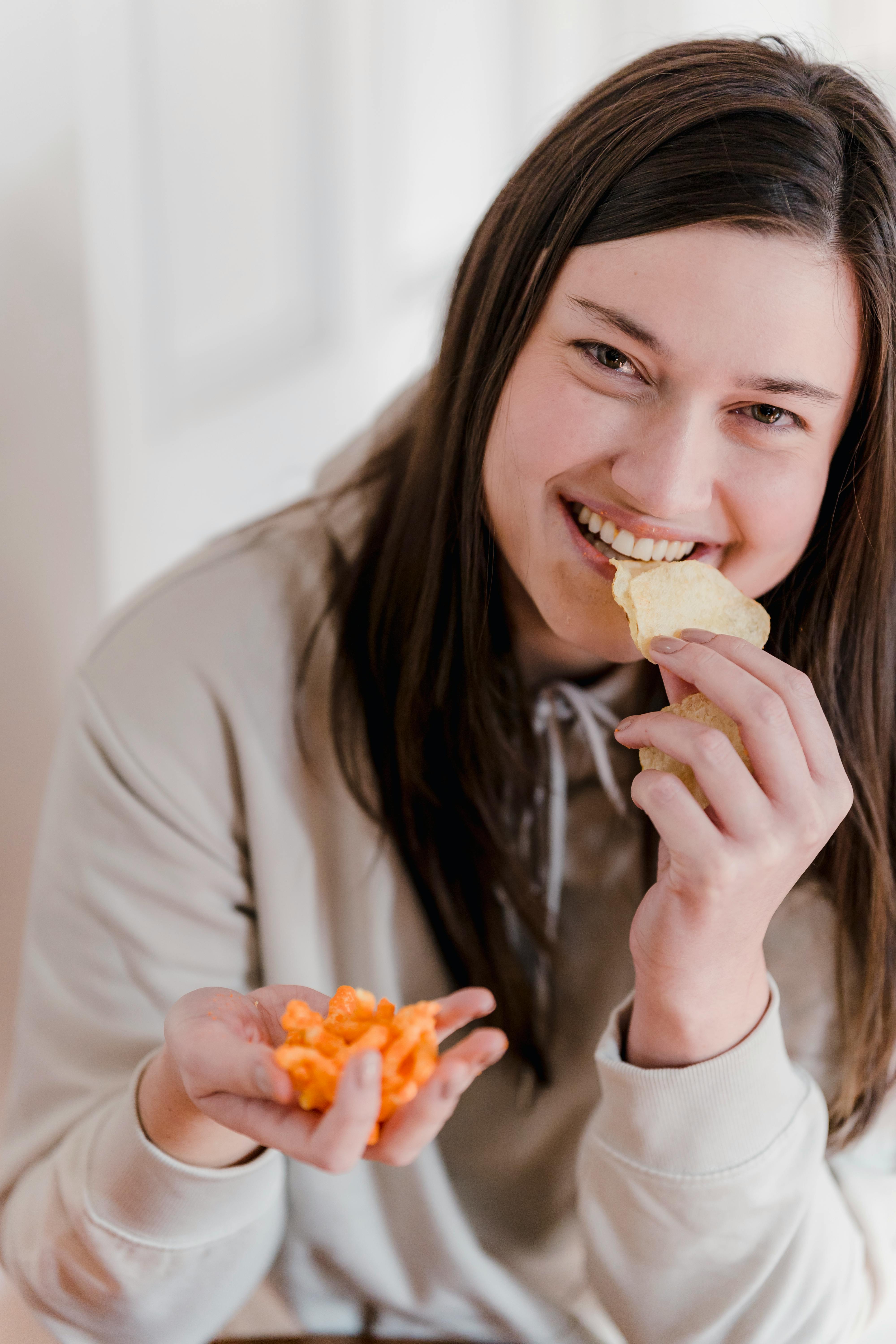
Few chips feel more tied to Canadian snack culture than Miss Vickie's. The brand began in Ontario and built its reputation on kettle-cooked chips with a thicker bite and more rustic image than standard potato chips.
Today, Miss Vickie's is owned by PepsiCo, the New York-based food and beverage giant. The brand became part of that portfolio through corporate acquisitions that folded it into Frito-Lay, PepsiCo's powerful snack division. That shift placed a distinctly Canadian-born chip inside one of the largest snack empires in the world.
What makes this ownership change easy to miss is that the brand identity still leans heavily on craft-style cues. The packaging, flavor names, and premium positioning continue to suggest a smaller, more local story. For many shoppers, the Canadian origin remains the most visible part of the brand.
In practical terms, American ownership often means wider distribution, stronger supply chains, and bigger marketing muscle. At the same time, it also shows how multinational companies preserve local brand heritage because that heritage is precisely what makes a snack valuable.
Ruffles
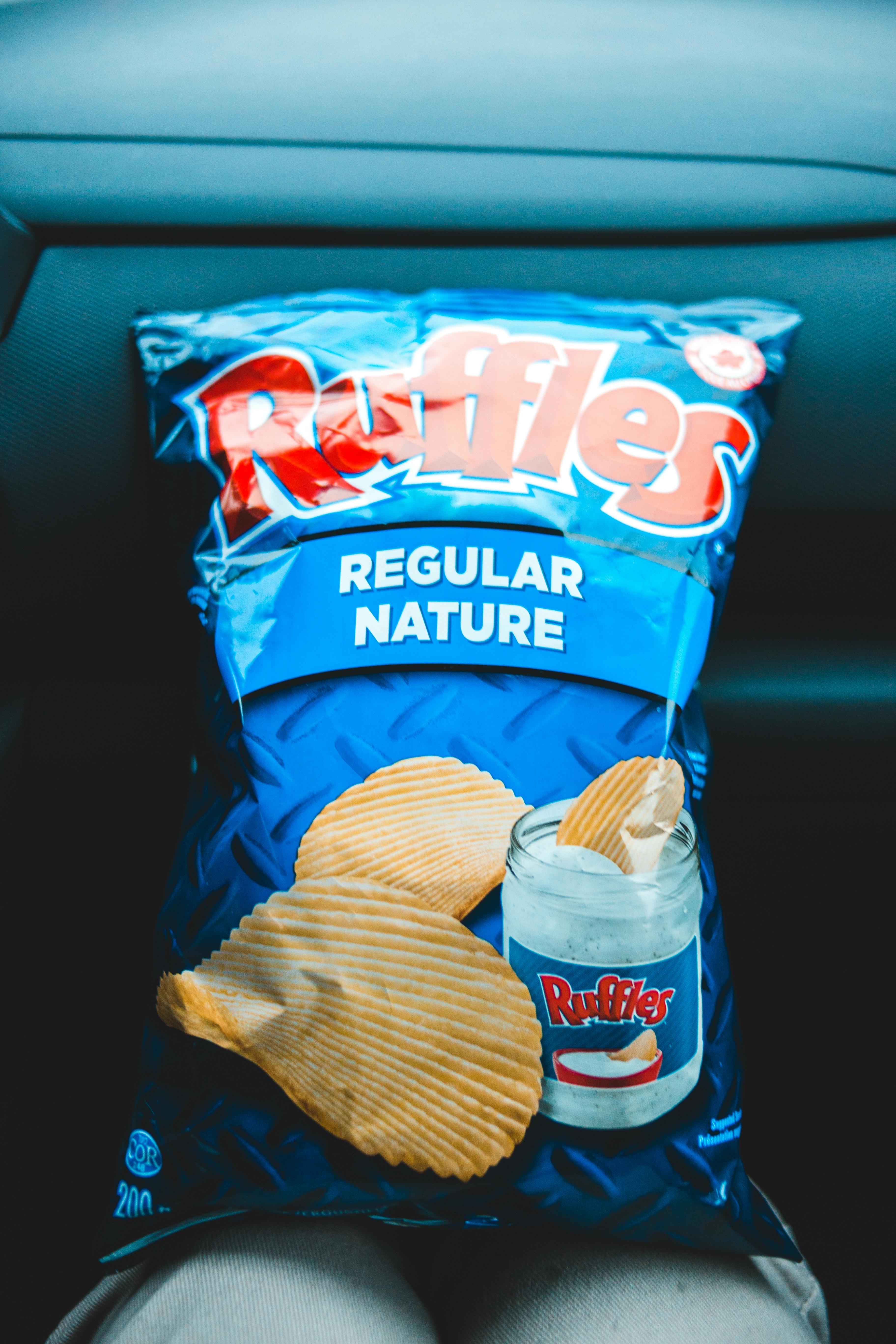
Ruffles may be widely recognized across North America, but in Canada the brand has developed a life of its own. Flavors like All Dressed helped make it feel deeply embedded in Canadian snack aisles and party culture.
The company behind Ruffles is PepsiCo, an American corporation headquartered in Purchase, New York. Through Frito-Lay, PepsiCo controls the brand across major markets, including Canada. That means one of the country's most iconic chip experiences comes from a U.S.-owned snack powerhouse.
The Canadian connection remains strong because product development has often reflected local tastes. All Dressed chips, in particular, became a shorthand example of how a global company can tailor offerings to national preferences. That local flavor strategy can make corporate ownership less obvious to everyday consumers.
Ruffles is a good example of how branding shapes perception. A snack can feel local because of taste, advertising, and long shelf presence, even when the profits ultimately flow through an American parent company with global scale.
Cheetos

Cheetos is not a Canadian-founded brand, but its place in Canadian snack habits is so entrenched that many consumers treat it like a domestic staple. From school lunches to convenience store runs, it has been part of the landscape for decades.
It is owned by PepsiCo through Frito-Lay, making it another major snack line under American control. While that fact is not hidden, it often fades into the background because the brand is marketed in highly localized ways within Canada's grocery system.
Its inclusion on this list matters because Canadian snack shelves are shaped not only by local founders but also by products that have become culturally familiar through repetition and regional adaptation. Canadian consumers often build loyalty around availability and flavor memories, not corporate structure.
Cheetos shows how ownership can be quiet without being secret. A brand does not need a maple-leaf origin story to become woven into national snacking habits, and once that happens, the parent company becomes almost invisible to the average buyer.
Smartfood

Smartfood popcorn has long occupied a special space between indulgent snack and lighter alternative. In Canada, its white cheddar flavor in particular has earned a level of recognition that gives it a nearly local feel in many households.
The brand is owned by PepsiCo, again through its Frito-Lay business. Smartfood began in the United States, but its deep integration into Canadian retail has made it seem like a natural part of the domestic snack mix rather than a distinctly imported corporate label.
That perception reflects a broader retail reality. Large American companies often own the snack brands that dominate Canadian shelves, yet they maintain product lines that align with local preferences, store formats, and bilingual packaging expectations. The result is familiarity without much attention to ownership.
Smartfood also illustrates how modern food branding works. Consumers tend to notice taste, convenience, and price first. Unless a merger makes headlines, the nationality of the parent company rarely shapes day-to-day buying decisions.
Old Dutch
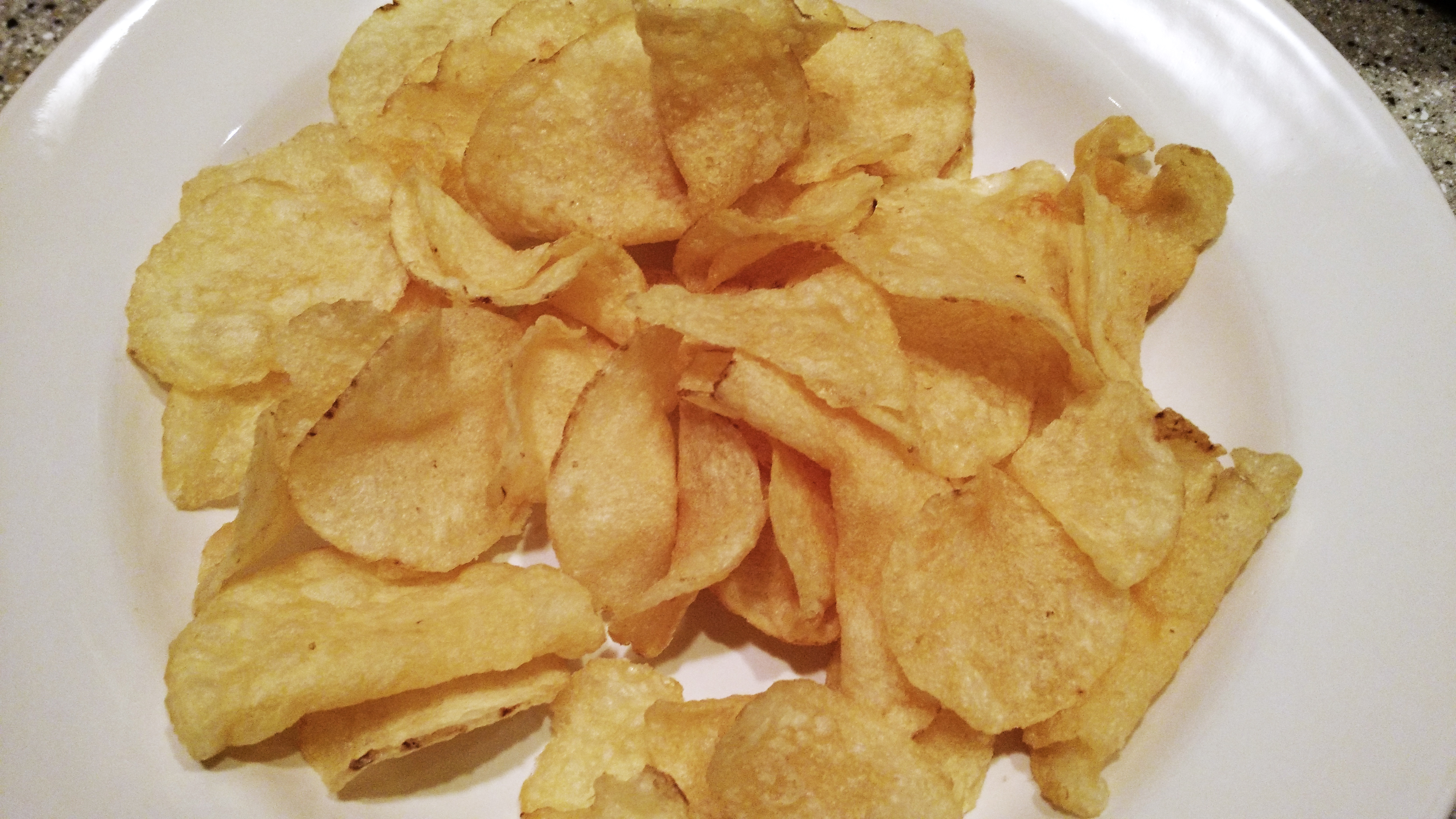
Old Dutch is one of the more interesting cases because many Canadians strongly associate it with Western Canada and prairie snack culture. Its long presence in the market has given it the feel of a domestic institution, especially in regions where brand loyalty runs deep.
But Old Dutch Foods is based in Minnesota, and the company is American-owned. Even though it operates extensively in Canada and has built major recognition there, its corporate roots are firmly in the United States.
The reason this surprises people is simple: longevity can blur origin. When a company invests in Canadian manufacturing, regional flavors, and sustained local advertising, shoppers begin to read it as part of the national food landscape regardless of where headquarters sit.
Old Dutch proves that "Canadian-feeling" and "Canadian-owned" are not the same thing. A brand can be woven into local identity through decades of presence while still remaining under American ownership at the corporate level.
Hostess Chips

Hostess chips carry enormous nostalgic weight in Canada. For older consumers especially, the name recalls a distinct era of snack marketing, memorable mascots, and a time when the chip aisle felt more nationally defined.
The modern rights tied to Hostess branding in Canada have changed over time through larger corporate transactions, including involvement from Frito-Lay, which is owned by PepsiCo. That history reflects a pattern seen across the snack sector, where famous local names are absorbed into broader American-controlled portfolios.
This kind of brand afterlife is common in packaged food. Even when a label fades, gets revived, or survives only in fragments, the ownership trail often leads back to multinational firms with the resources to manage trademarks, distribution, and category dominance.
Hostess chips matter in this conversation because they show how ownership is not only about what is on shelves now. It is also about how legacy Canadian snack identities are preserved, repurposed, or folded into U.S.-based corporate systems over time.
Humpty Dumpty
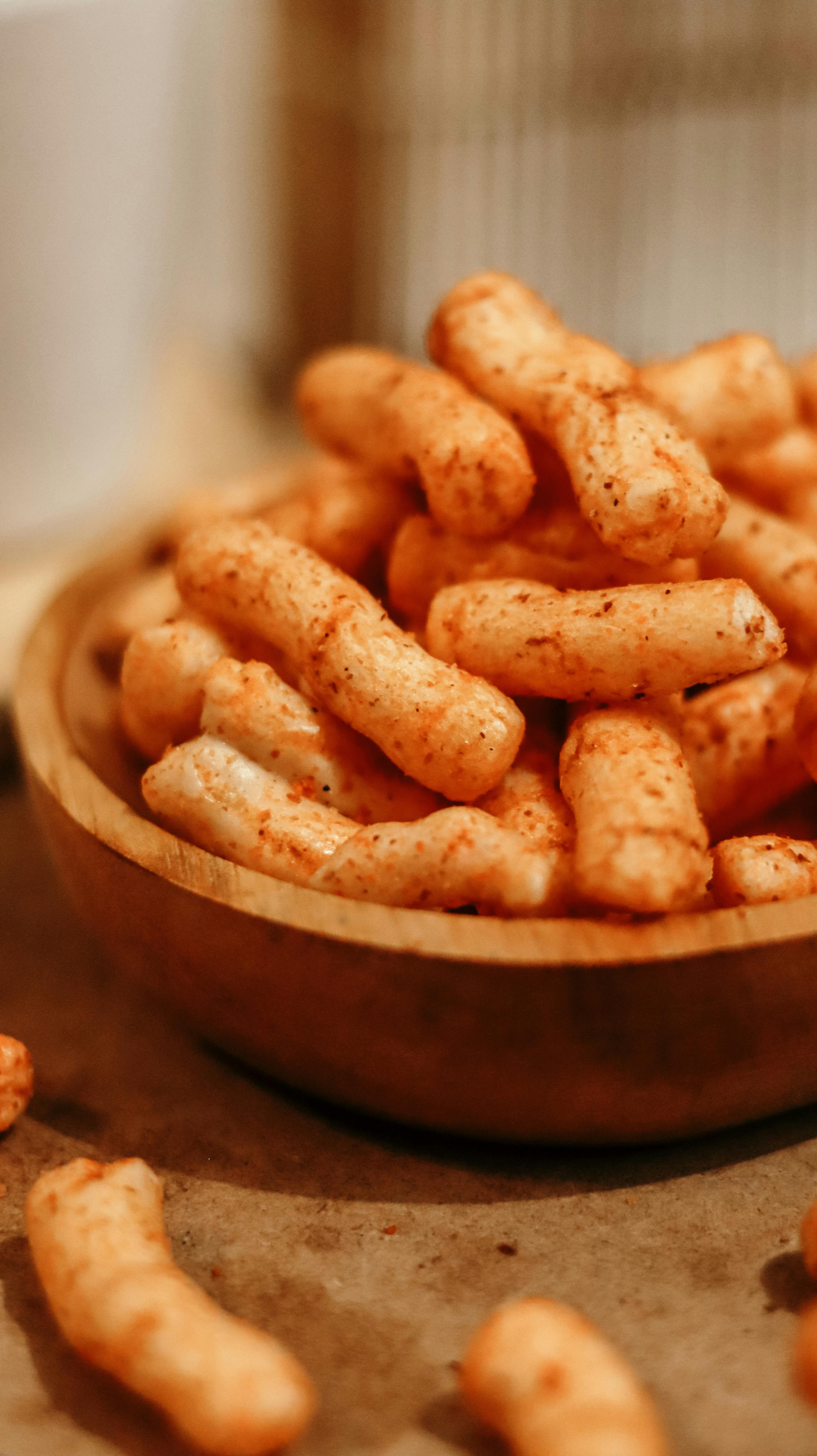
Humpty Dumpty is another name that still resonates strongly in parts of Canada, especially Atlantic Canada. For many shoppers, it represents a regional snack tradition that feels independent, familiar, and rooted in local tastes.
The brand is owned by Old Dutch Foods, the Minnesota-based American company. That means Humpty Dumpty, despite its strong Canadian consumer identity, sits within a U.S.-owned corporate structure. The arrangement is a reminder that regional loyalty does not always match corporate nationality.
American ownership has not erased the brand's local appeal. In fact, companies often keep regional names alive because those names carry trust and market share that would be difficult to recreate from scratch. Familiar branding is one of the most valuable assets in snack food.
Humpty Dumpty captures the larger story perfectly. In Canada, many snack brands still speak with a local accent, but the boardroom decisions, ownership stakes, and long-term strategy often come from south of the border.

Leave a Reply