
Canada's restaurant scene has become one of the clearest places to see sustainability move from a talking point to a cooking philosophy. These seven chefs show how classic dishes can change when local harvests, whole ingredient use, and long term relationships with producers matter as much as flavor.
Amanda Cohen's vegetable first comfort cooking
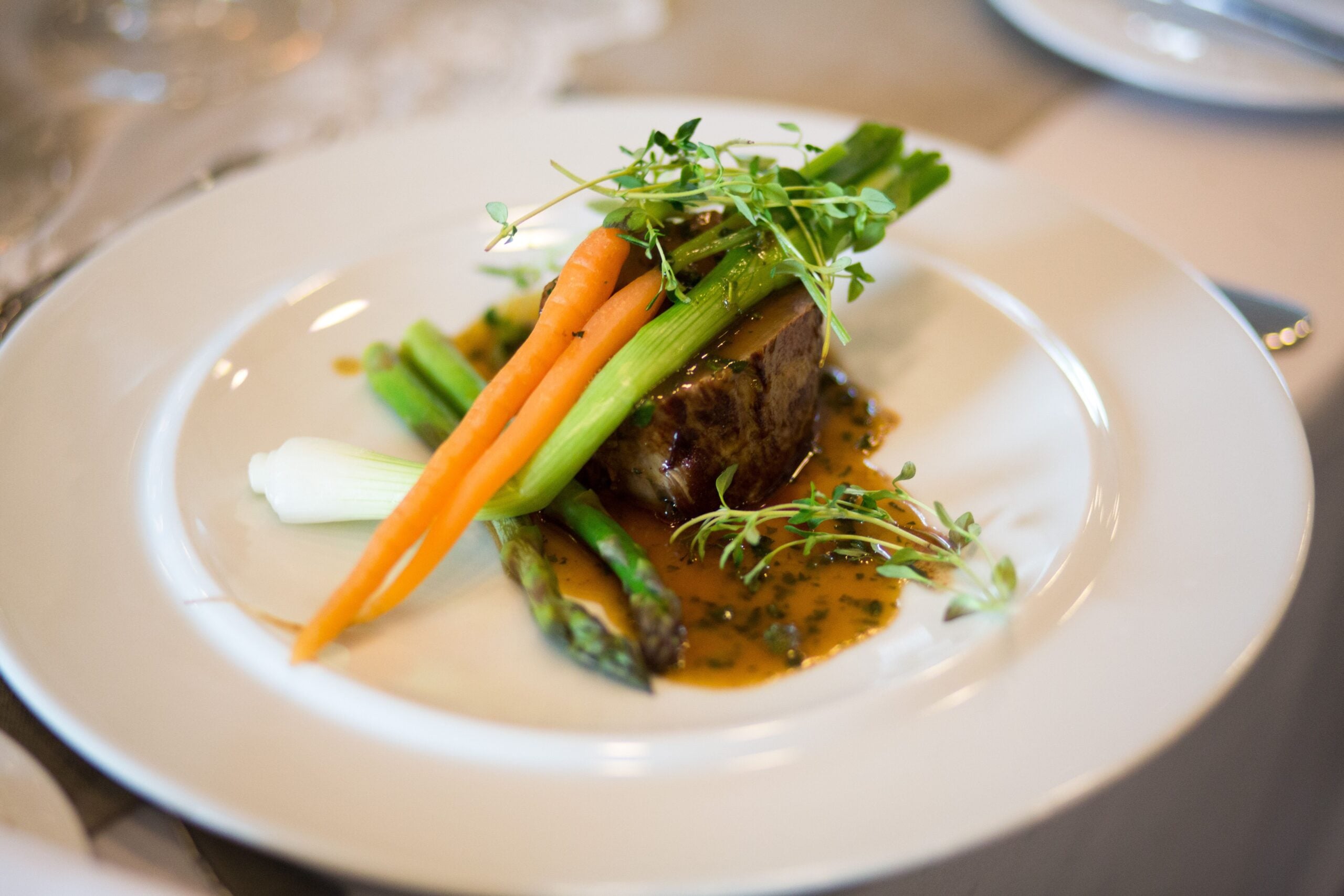
A familiar comfort dish often starts with meat, but Amanda Cohen built her reputation by proving vegetables can carry the same satisfaction. The Toronto born chef is best known for Dirt Candy in New York, where she turned vegetable centered cooking into a serious fine dining conversation.
Her work rethinks classics by changing the structure of the plate rather than simply removing animal protein. Onion soup, sliders, and other recognizable formats become vehicles for seasonal produce, which reduces reliance on resource intensive ingredients and gives vegetables the starring role they rarely get in traditional comfort food.
Cohen has also spoken publicly about restaurant economics and waste, which matters to sustainability just as much as ingredient choice. Her approach suggests that a classic dish can stay familiar in spirit while becoming lighter on resources, more seasonal, and more inventive for diners who still want the feeling of comfort.
Michael Hunter's whole animal perspective
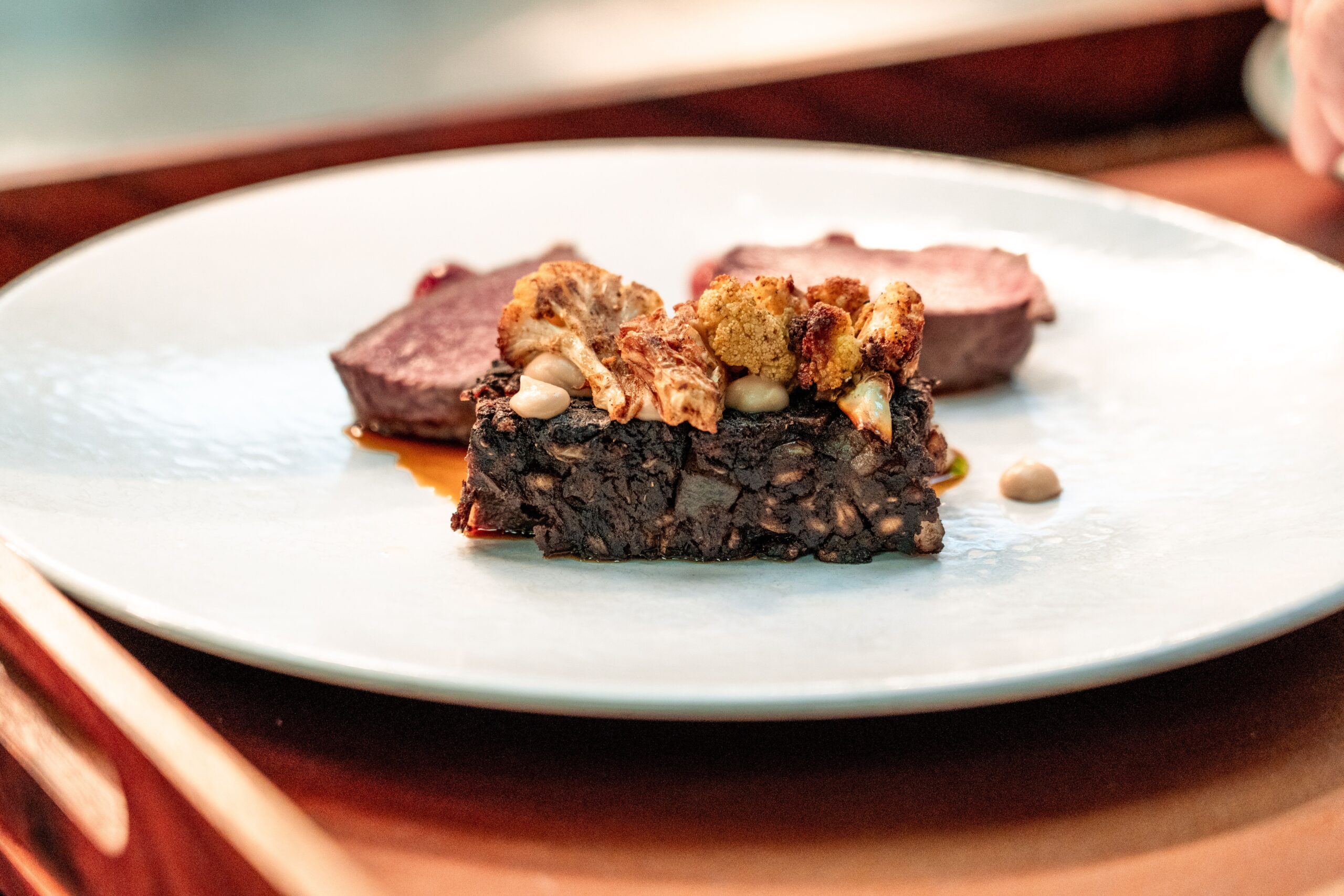
Classic Canadian cooking has long included game, roasts, and rich meat dishes, but Michael Hunter pushes that tradition toward a lower waste model. The Toronto chef, known for Antler Kitchen & Bar, built his menu around wild game, invasive species, and whole animal butchery.
That last point is central to his sustainability story. Using more of each animal means cuts that are often ignored can become sausages, terrines, broths, or carefully plated mains, reducing waste while expanding what a classic meat dish can look like. It is a practical shift, not just a stylistic one.
Hunter's cooking also highlights species that are abundant rather than automatically defaulting to the most conventional proteins. In that sense, a roast, stew, or tartare becomes a lesson in ecological balance, showing that sustainability can come from choosing differently, not simply using less.
Ned Bell's seafood with traceable roots
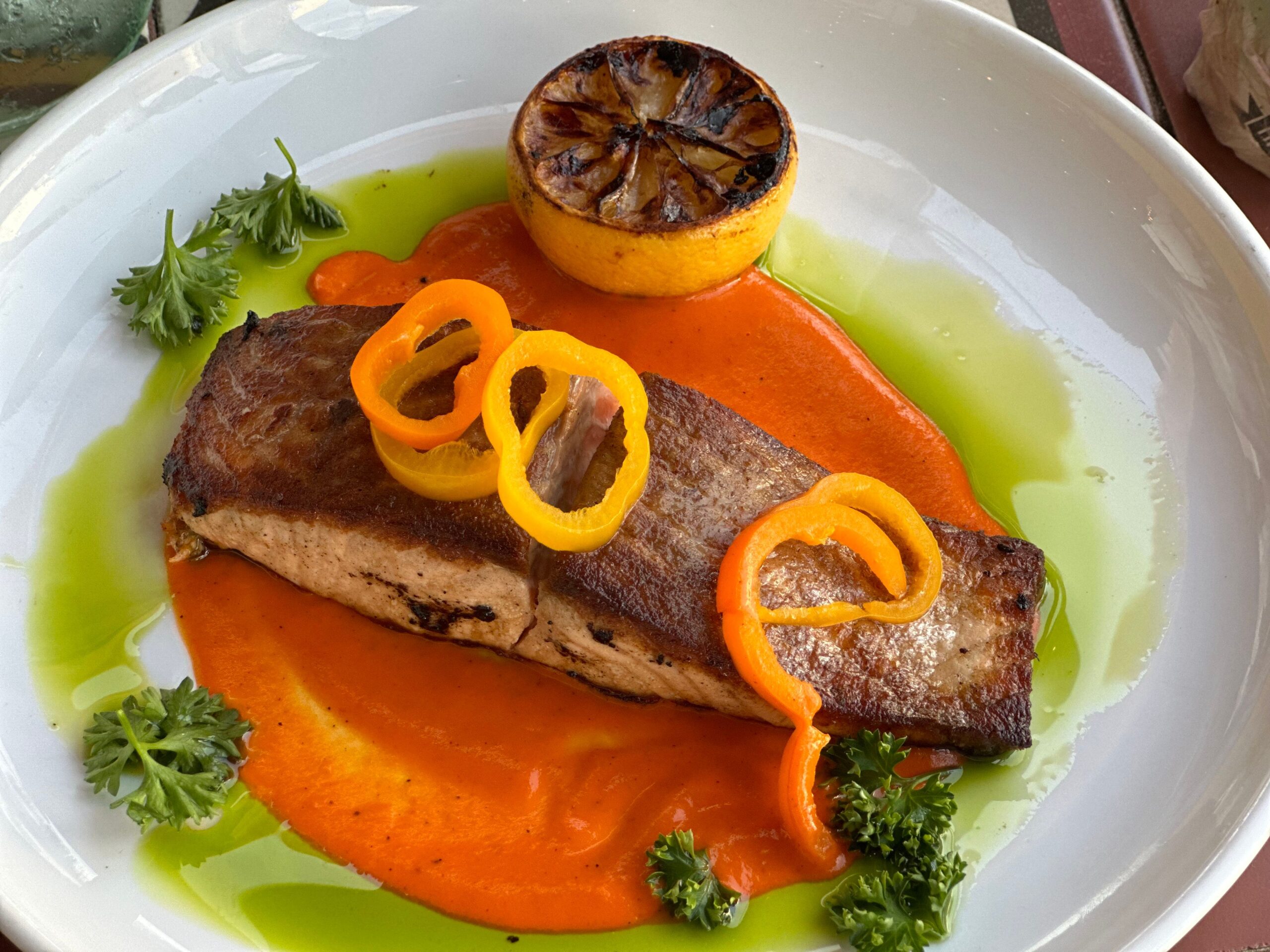
Fish and chips, chowder, and grilled salmon are staples in many Canadian kitchens, but Ned Bell has spent years urging diners to ask a harder question: where exactly did the seafood come from. The Vancouver chef has been one of the country's most visible advocates for responsible ocean harvesting.
His cooking connects classic seafood dishes to sourcing standards, seasonality, and species selection. That can mean spotlighting lesser known fish or emphasizing fisheries with stronger management practices. The dish may look traditional on the plate, but the thinking behind it is more precise and more transparent.
Bell has also worked on broader food system issues, including reducing waste and supporting local producers. That wider lens matters because sustainable seafood is not only about the fish itself. It also includes transport, handling, and how restaurants educate customers about what responsible choices actually taste like.
Christine Flynn's low waste home style cooking

Some of the most meaningful changes to classic dishes happen outside white tablecloth dining rooms. Toronto chef and writer Christine Flynn has built much of her work around approachable cooking, showing how leftovers, stems, peels, and pantry odds and ends can become meals people genuinely want to eat.
That matters because sustainability often succeeds when it feels practical. Soups, casseroles, salads, and baked dishes are perfect formats for using ingredients fully, and Flynn's style helps readers and cooks see thrift not as compromise, but as creativity rooted in everyday habits.
Her work broadens the idea of who gets to participate in sustainable cooking. Instead of focusing only on elite sourcing or rare products, she brings the conversation back to the home kitchen, where reducing food waste can have a direct and immediate effect on how classic comfort foods are prepared.
Jeremy Charles and a place based cod tradition
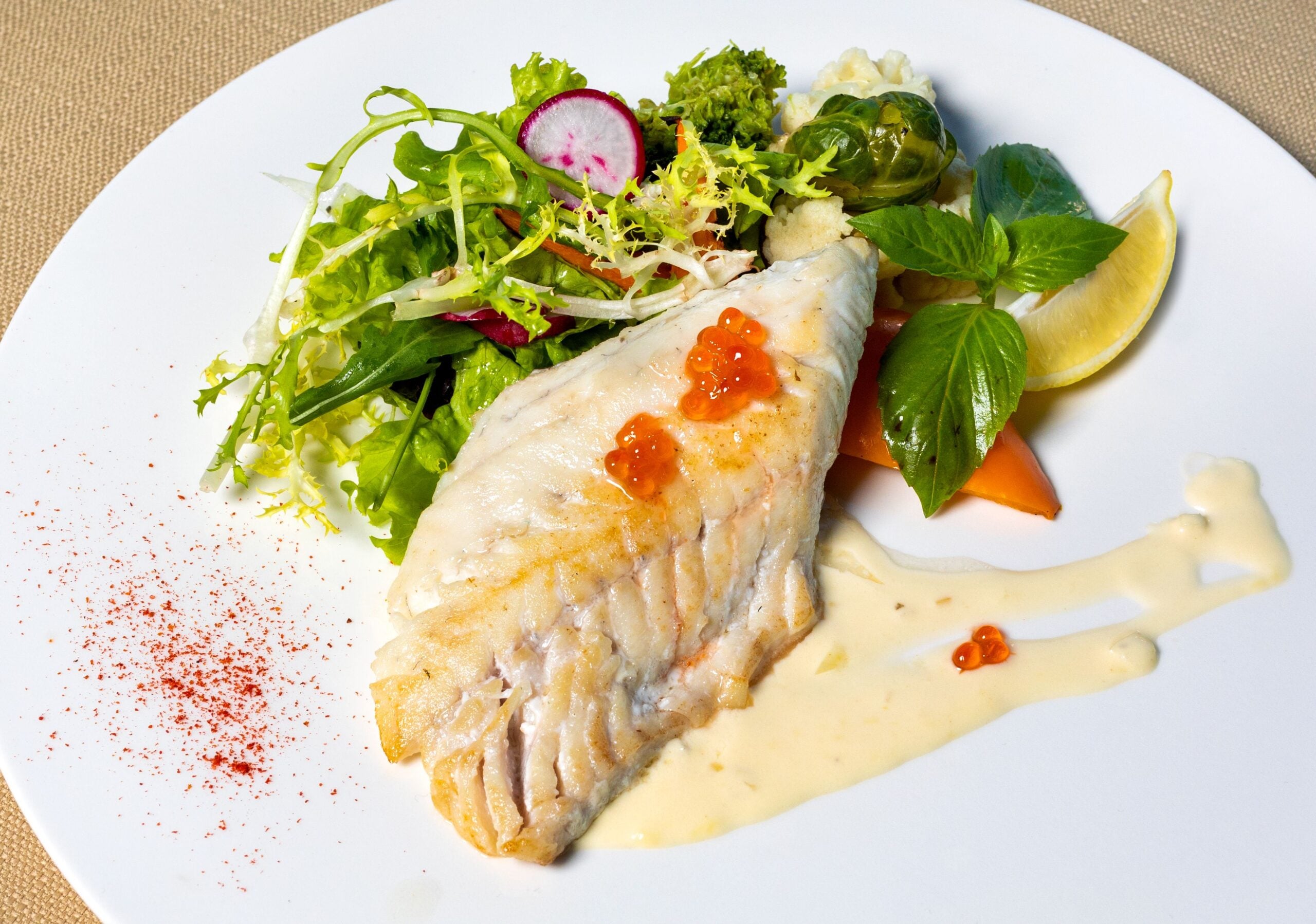
Jeremy Charles is strongly associated with Newfoundland and Labrador, where cod is more than a menu item. It is part of the region's history, identity, and economy. That makes sustainability especially important when a chef works with ingredients so closely tied to place.
Charles, known for Raymonds and later for his cookbook work, has emphasized local ingredients, preservation, and a deep connection to Atlantic landscapes and waters. In practical terms, that can mean using seasonal catches, wild plants, and older techniques that extend ingredient life rather than wasting fleeting harvests.
A classic cod preparation, then, becomes more than a heritage dish. In his hands, it can also express stewardship, showing that honoring tradition today requires protecting the ecosystems and local knowledge that made the tradition possible in the first place.
Meeru Dhalwala's regional food wisdom

Classic dishes also change when chefs look closely at how communities have cooked sustainably for generations. Meeru Dhalwala, longtime co chef of Vij's Rangoli in Vancouver, has often drawn on Indian regional food traditions that make careful, flavorful use of grains, legumes, and vegetables.
That matters because sustainability is not always a new culinary invention. Many older foodways already rely on plant forward meals, layered spice, and techniques that build depth without expensive or environmentally heavy ingredients. Lentils, chickpeas, and seasonal vegetables can produce deeply satisfying versions of familiar comfort food structures.
Dhalwala's work helps widen the conversation beyond a narrow farm to table script. A classic stew, curry, or braise can be both culturally specific and broadly accessible, while also showing that low impact cooking has long existed in kitchens shaped by frugality, skill, and agricultural realism.
Shane Chartrand's Indigenous ingredients and renewal
A classic dish can be rethought most powerfully when chefs reconnect it to ingredients that were here long before modern restaurant trends. Shane Chartrand, a Canadian chef of Indigenous heritage, has highlighted that idea through work centered on local plants, game, and Indigenous food knowledge.
His approach challenges the assumption that sustainability is only about substituting one ingredient for another. It is also about restoring relationships, to land, to harvesting practices, and to foods that colonial cooking often pushed aside. That gives familiar dishes a different foundation and a deeper story.
When bannock, broth, smoked meats, berries, or foraged plants appear in a contemporary context, the result is not nostalgia alone. It is a reminder that sustainable Canadian cooking can move forward by learning from older systems of respect, restraint, and full use of the natural world.




Leave a Reply