
Some candy bars vanish quietly. Others leave behind years of nostalgia, online petitions, and shoppers who still scan store shelves just in case.
Canada has had more than a few of those losses. These seven bars were all sold in Canada, then discontinued or removed from regular production, and each one still has a loyal following.
Bar Six
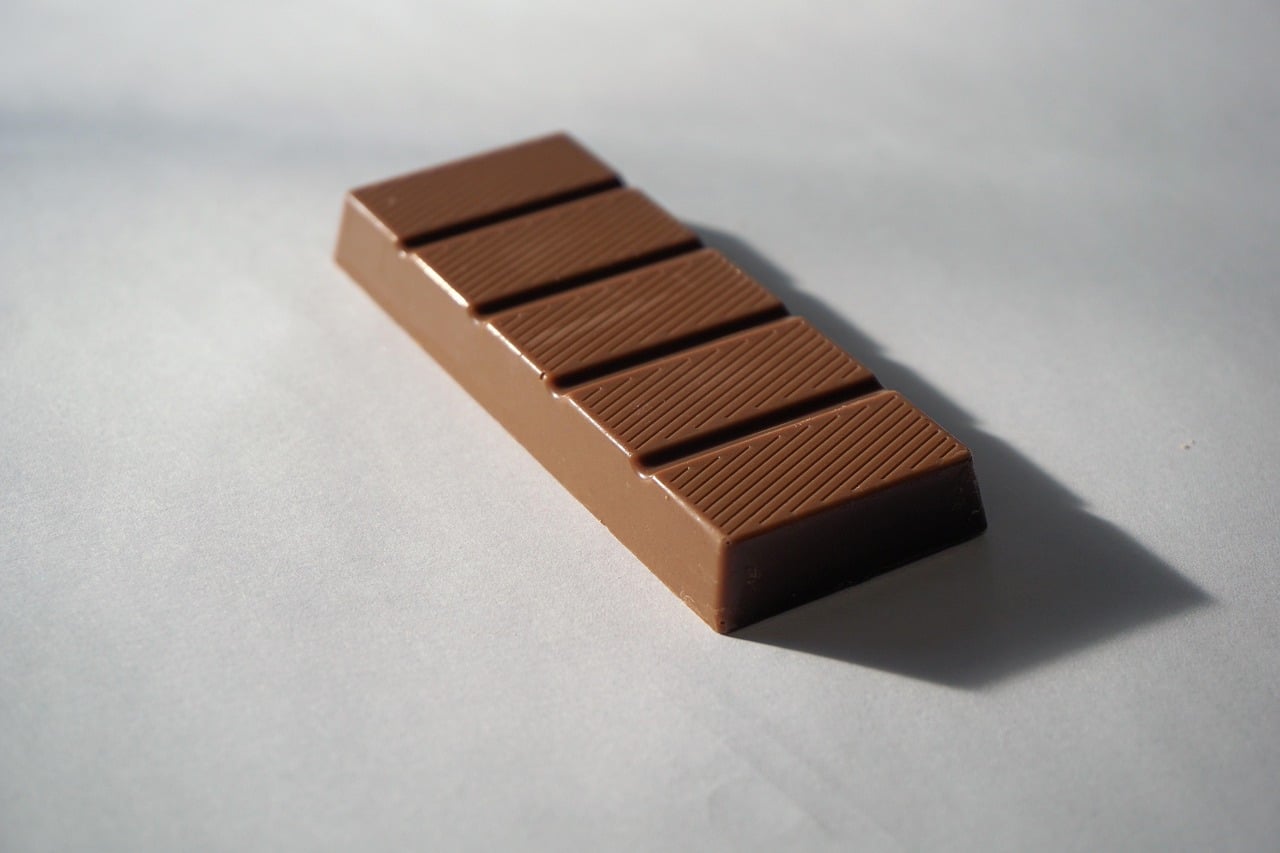
Bar Six was one of the longest running Canadian chocolate bars to disappear. Made by Neilson, it was introduced in 1933 and sold for decades as a package of six slim, chocolate covered wafer fingers.
What made it memorable was the format. Instead of one solid bar, you got six separate pieces in a single pack, which made it easy to share or stretch out over time. For many Canadians, that shape was the whole point.
Its run ended in 1978, but the bar never really faded from memory. Bar Six still comes up in nostalgia lists and discussions of lost Canadian sweets, largely because it lasted long enough to become part of everyday life for more than one generation.
Cherry Blossom
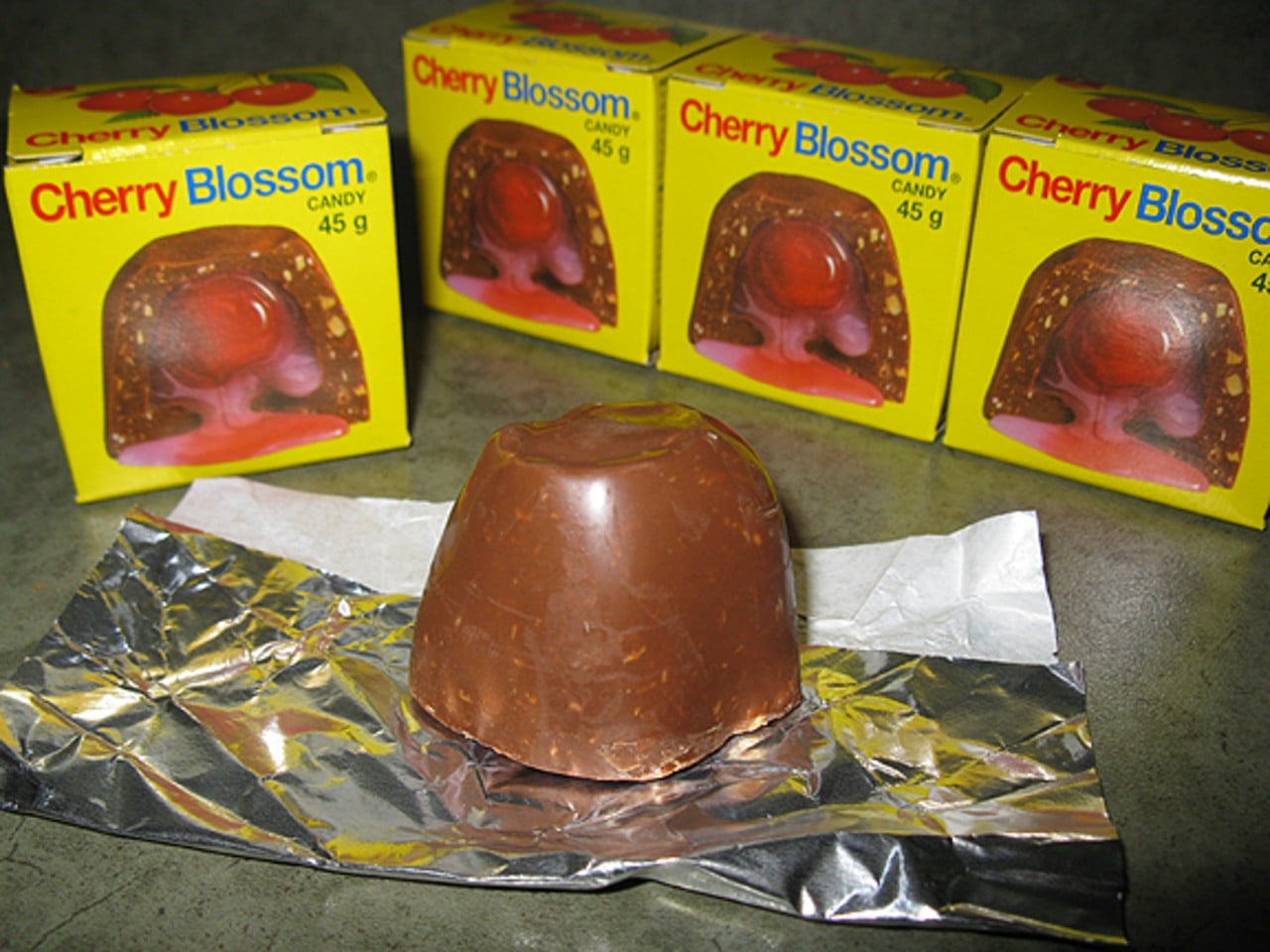
Cherry Blossom may be the best known modern example of a Canadian candy bar people still miss. Hershey Canada discontinued it in 2023 after years of being a seasonal staple and checkout lane fixture.
The treat had a very specific build. At its center was a maraschino cherry in syrup, surrounded by a mix of coconut, roasted peanuts, and chocolate. Few bars had a texture quite like that, which helped it stand apart from more standard caramel or wafer based options.
Its disappearance got immediate attention because Cherry Blossom had such a recognizable identity. It was messy, very sweet, and a little old fashioned, and that is exactly why many fans were attached to it.
Mirage
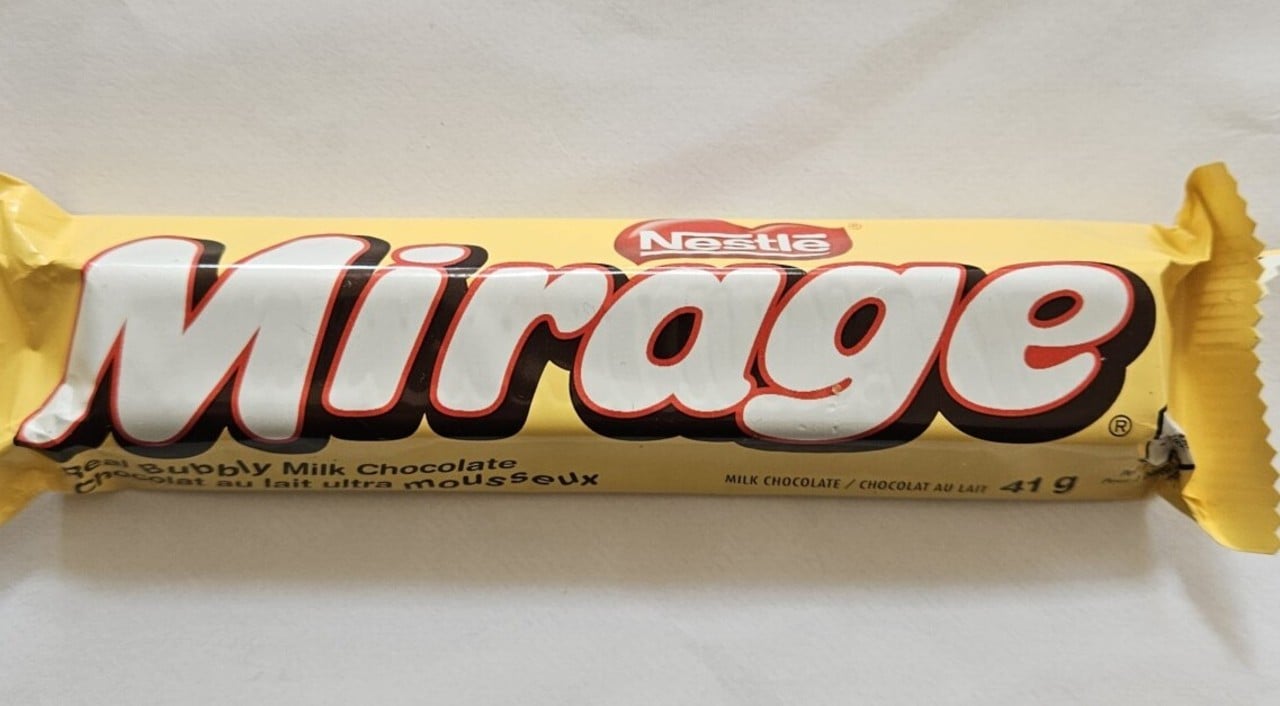
Mirage built its reputation on texture. The bar was known for its bubbly, aerated center coated in milk chocolate, giving it a lighter bite than denser competitors on the same shelf.
It was sold in Canada for years under the Nestlé brand and developed a steady fan base, especially among people who liked chocolate bars that felt rich without being heavy. That airy center made it easy to recognize after just one bite.
Nestlé discontinued Mirage in Canada in 2012. Fans have kept talking about it ever since, often grouping it with other vanished Canadian bars that filled a distinct niche no exact replacement has fully matched.
Sweet Marie
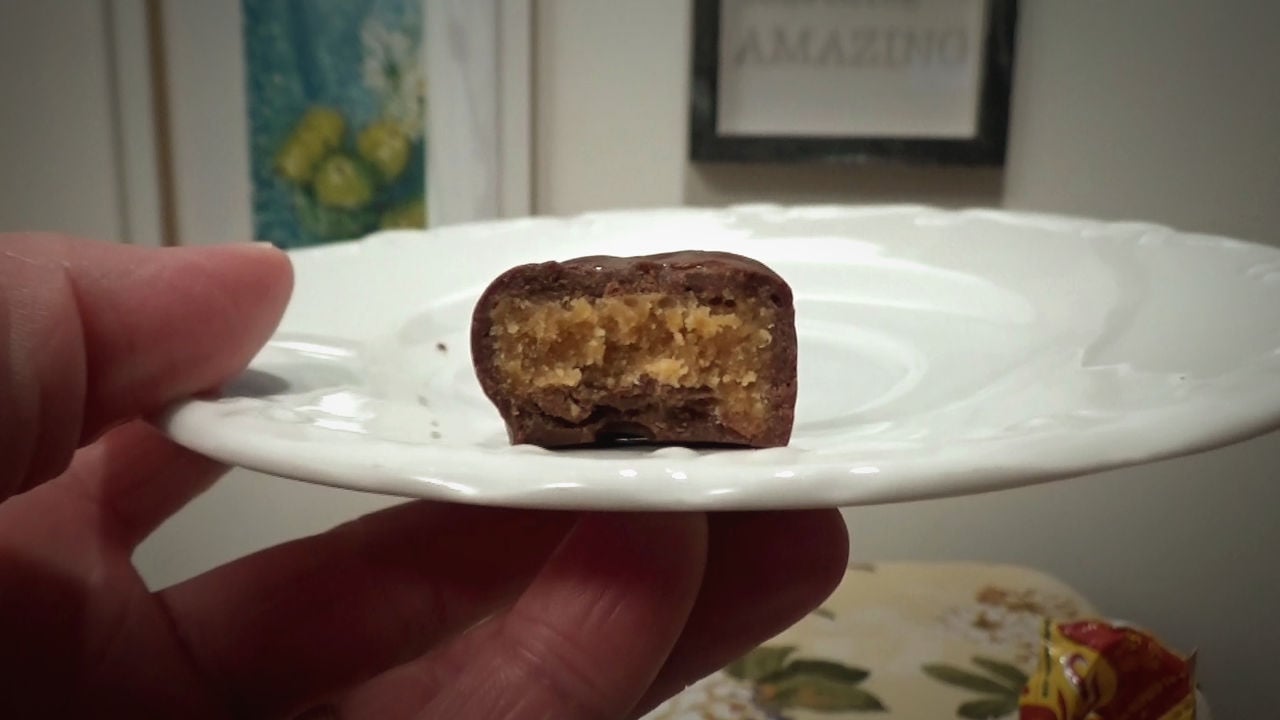
Sweet Marie had a longer history than many casual candy buyers realized. The bar, associated in Canada with Cadbury, combined peanuts, caramel, and a layered center that gave it a chewier, more old school feel than smoother modern bars.
For some shoppers, it was never the flashiest option in the display. Its appeal was familiarity. It tasted like the kind of bar that had been around forever, because in many ways it had.
Cadbury discontinued Sweet Marie in Canada in 2019. That decision removed another legacy name from store shelves, and for fans, the loss felt bigger than one bar because it marked the end of a product tied closely to Canadian candy memories.
Dutch Girl
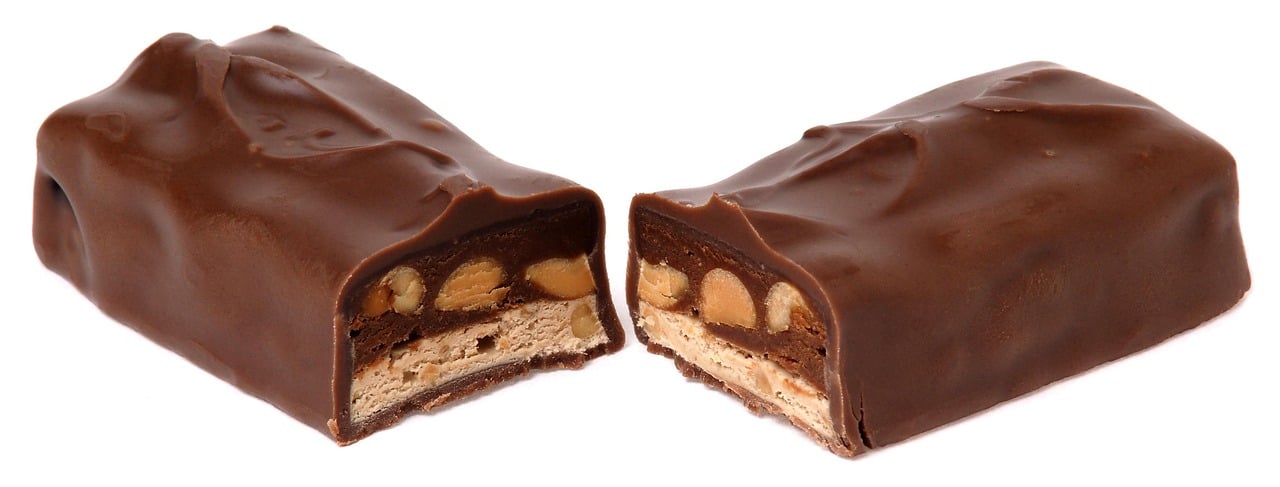
Dutch Girl is one of those discontinued Canadian bars that now survives mostly through memory and old advertising. It was produced by Neilson and is often recalled as part of a period when Canadian candy counters carried a much broader local lineup.
Unlike some later bars that were backed by massive multinational branding, Dutch Girl belonged to an earlier era of chocolate making in Canada. That gives it a different kind of nostalgia, rooted as much in vanished companies and packaging styles as in taste.
Precise details are harder to find than for more recent discontinuations, but its name continues to appear in retrospectives about lost Canadian confections. That staying power says a lot about the impression it made.
Neilson Malted Milk
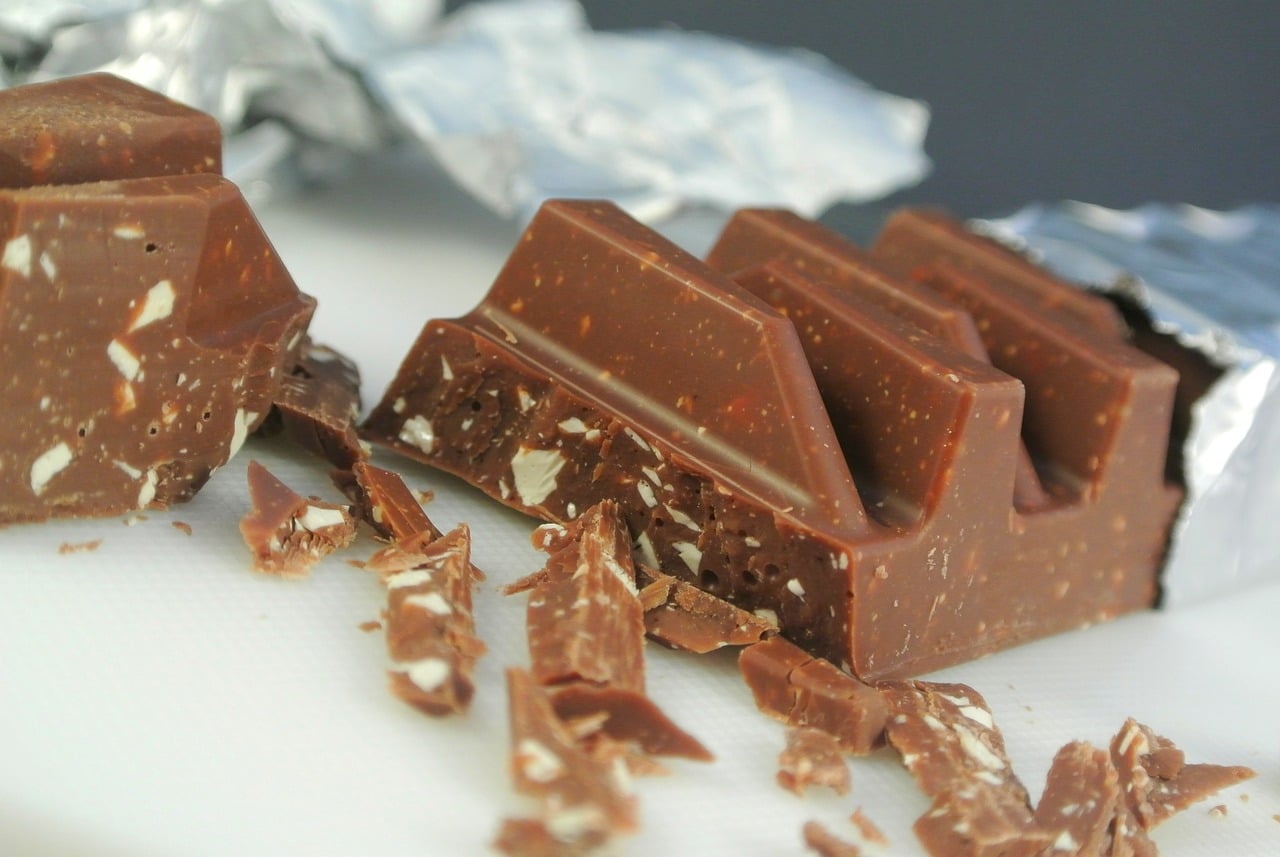
Neilson Malted Milk is another older Canadian bar that people still bring up when discussing vanished sweets. As its name suggests, the bar leaned into a malt flavour profile, which gave it a taste noticeably different from standard milk chocolate bars.
Malt was once a more common candy flavour, and bars built around it had a devoted audience. That audience has become more vocal as products like this disappeared and supermarket candy sections became more standardized.
The bar is also a reminder of how central Neilson once was to Canada's candy landscape. When people remember Neilson Malted Milk, they are often remembering a broader chocolate culture that has largely disappeared with it.
Bonkers

Bonkers closed this list because its cult following has outlasted its time on shelves by a wide margin. Although better known to some Americans as a fruit chew, Bonkers was also sold in Canada and built a fan base here during the 1980s candy boom.
Its appeal came from contrast. Bonkers paired a chewy outer layer with a flavored center, and its advertising made the candy feel playful in a way many chocolate bars and chews did not.
It eventually disappeared from regular retail, but nostalgia for Bonkers never really went away. For Canadians who remember it, the candy stands for a time when convenience store racks felt less predictable and a lot more fun.


Leave a Reply