
Canada's restaurant industry is serving plenty of meals, yet many owners say the math no longer works. Behind full dining rooms and busy takeout counters, profits are getting harder to protect.
A striking number reveals a deeper industry problem

The headline figure is hard to ignore: 64% of Canadian restaurant owners say they are making less money than last year. That finding reflects a broad industry mood rather than an isolated bad quarter. Across full-service dining, quick-service chains, cafés, bars, and independent operators, many businesses say sales are no longer translating into healthy profit.
What makes this trend so important is that restaurants often operate on very thin margins even in strong years. A modest increase in food costs, rent, utilities, or wages can wipe out gains from higher menu prices. Owners may still be ringing up revenue, but far less of it is staying in the business.
Industry groups such as Restaurants Canada have repeatedly warned that many operators remain financially fragile. Some are still carrying debt built up during the pandemic, while others are facing lease renewals in a much more expensive market. In that environment, lower earnings are not just disappointing. They can quickly become a survival issue.
Higher costs are squeezing every part of the business
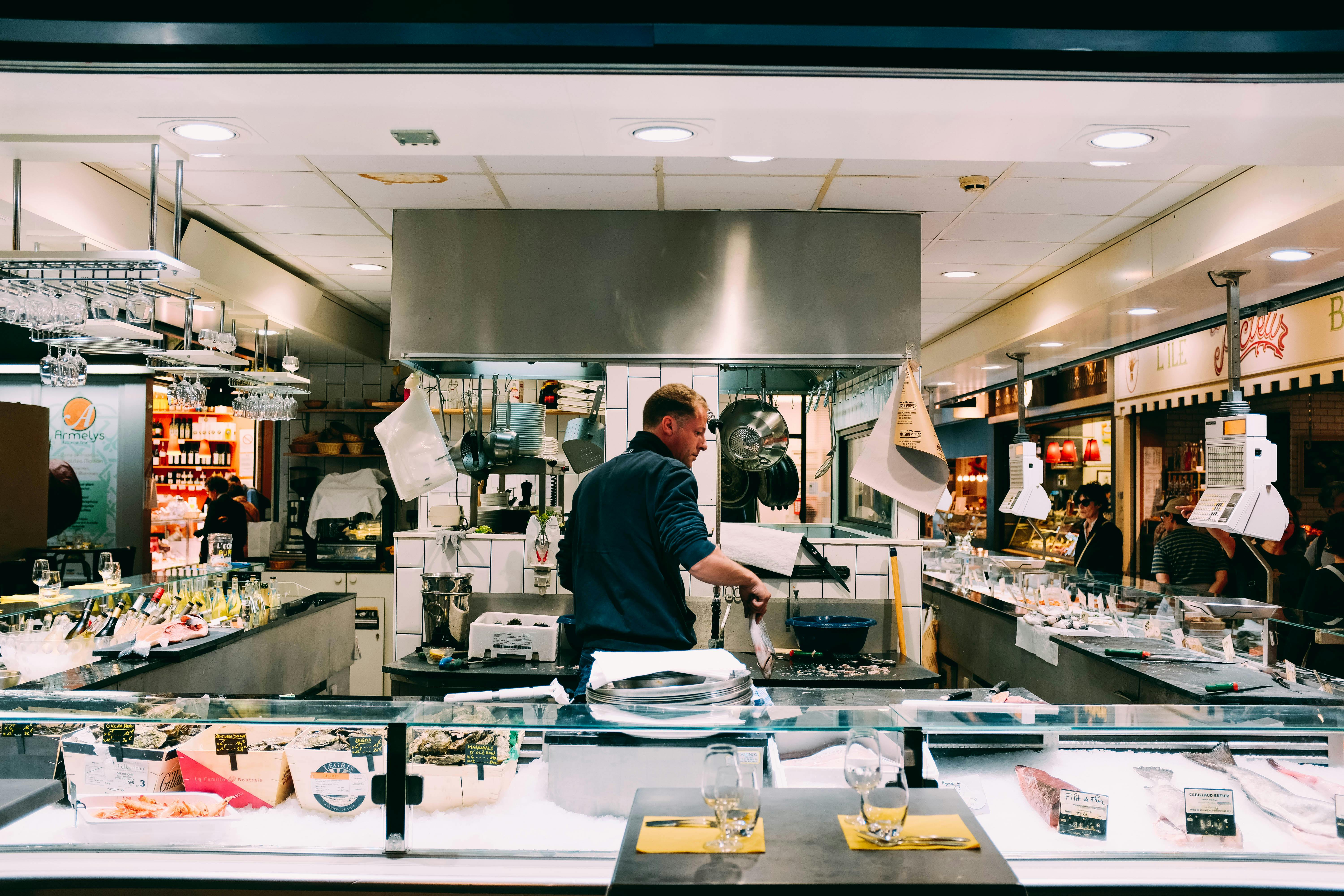
The biggest pressure point is cost inflation, and it is showing up everywhere at once. Food inputs remain volatile, especially for proteins, dairy, cooking oils, imported produce, and packaged goods. Even when headline inflation cools, restaurant purchasing bills can stay elevated because supply contracts, transportation, and exchange rate pressures continue to push costs up.
Labour is another major factor. Higher minimum wages, tougher competition for experienced staff, and the need to offer better scheduling or benefits have raised payroll costs for many operators. Most owners support fair wages, but they also know labour is one of the largest line items on any restaurant income statement.
Then there are occupancy and operating expenses. Commercial rent, insurance premiums, credit card processing fees, equipment maintenance, and utility bills have all climbed. For an independent restaurant with limited buying power, these increases hit harder than they do for a large chain that can negotiate better supplier terms.
Customers are still dining out, but they are spending differently

Here is the contradiction shaping the sector: many restaurants still have traffic, but customers are behaving more cautiously. Households across Canada are dealing with higher mortgage payments, rent, groceries, and debt costs. As a result, eating out is often one of the first discretionary expenses people scale back or manage more carefully.
That change does not always mean people stop visiting restaurants altogether. Instead, they skip appetizers, order water instead of drinks, avoid dessert, or choose lower-priced menu items. A table that once generated a strong cheque average may now bring in noticeably less revenue, even if the seats are full.
Takeout and delivery also complicate the picture. These channels can boost volume, but third-party app commissions and packaging costs reduce profitability. In some cases, a restaurant may appear busier on the surface while actually earning less on each order than it would from traditional dine-in service.
Independent operators are often carrying the heaviest burden

Smaller restaurants usually feel these pressures first and most sharply. Independent owners often lack the scale to lock in lower ingredient prices or spread rising costs across dozens of locations. When margins tighten, they have fewer financial buffers and less room to experiment with pricing.
Many also face a difficult branding challenge. Loyal customers may love a neighborhood bistro or family-run diner, but there is a ceiling on what those customers will tolerate in menu increases. Raise prices too slowly and profits disappear. Raise them too fast and traffic can fall, especially when chain competitors offer aggressive discounts.
Real-world examples across Canadian cities show the same pattern. Owners are trimming hours, simplifying menus, delaying renovations, and reducing staff where possible. These are practical survival moves, but they can also limit growth and weaken the customer experience over time.
Restaurant owners are adapting, but adaptation has limits

One common response has been menu engineering. Operators are removing low-margin dishes, shrinking oversized menus, and highlighting items that use overlapping ingredients. This helps reduce waste and improve kitchen efficiency, which matters when every percentage point of margin counts.
Technology is another area of adjustment. Restaurants are using reservation systems, digital ordering tools, and better inventory software to manage labour and purchasing more precisely. Some are also pushing direct online ordering to avoid the hefty fees charged by third-party delivery platforms.
Still, adaptation cannot solve everything. There is only so much cost cutting a restaurant can do before service, quality, or atmosphere starts to suffer. At that point, owners risk hurting the very experience that keeps guests coming back, which is why many say the current pressure feels especially hard to escape.
What this means for diners and the future of the sector

For customers, the financial strain on restaurants will likely show up in subtle ways first. Menus may become shorter, specials less frequent, portions more controlled, and prices a little higher than expected. None of this necessarily signals poor management. In many cases, it reflects a serious effort to keep the doors open.
For the broader economy, the issue matters because restaurants are major employers and important anchors in local communities. They support farmers, distributors, delivery networks, commercial landlords, and tourism activity. When profits weaken across the sector, the effects travel well beyond the dining room.
The 64% figure is therefore more than a troubling statistic. It is a sign that a large share of Canadian restaurant owners are operating in an environment where resilience alone may not be enough. Unless costs ease or consumer spending strengthens, many businesses will remain under intense financial pressure.




Leave a Reply