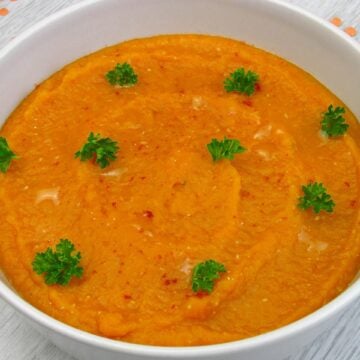
Vinegar does far more than dress a salad. In professional kitchens, chefs use it to sharpen flavors, balance richness, and give dishes the kind of subtle depth that makes you wonder why restaurant food tastes more alive. These six techniques show how a small splash, added at the right moment, can completely change the final result at home.
Build Better Salad Dressings
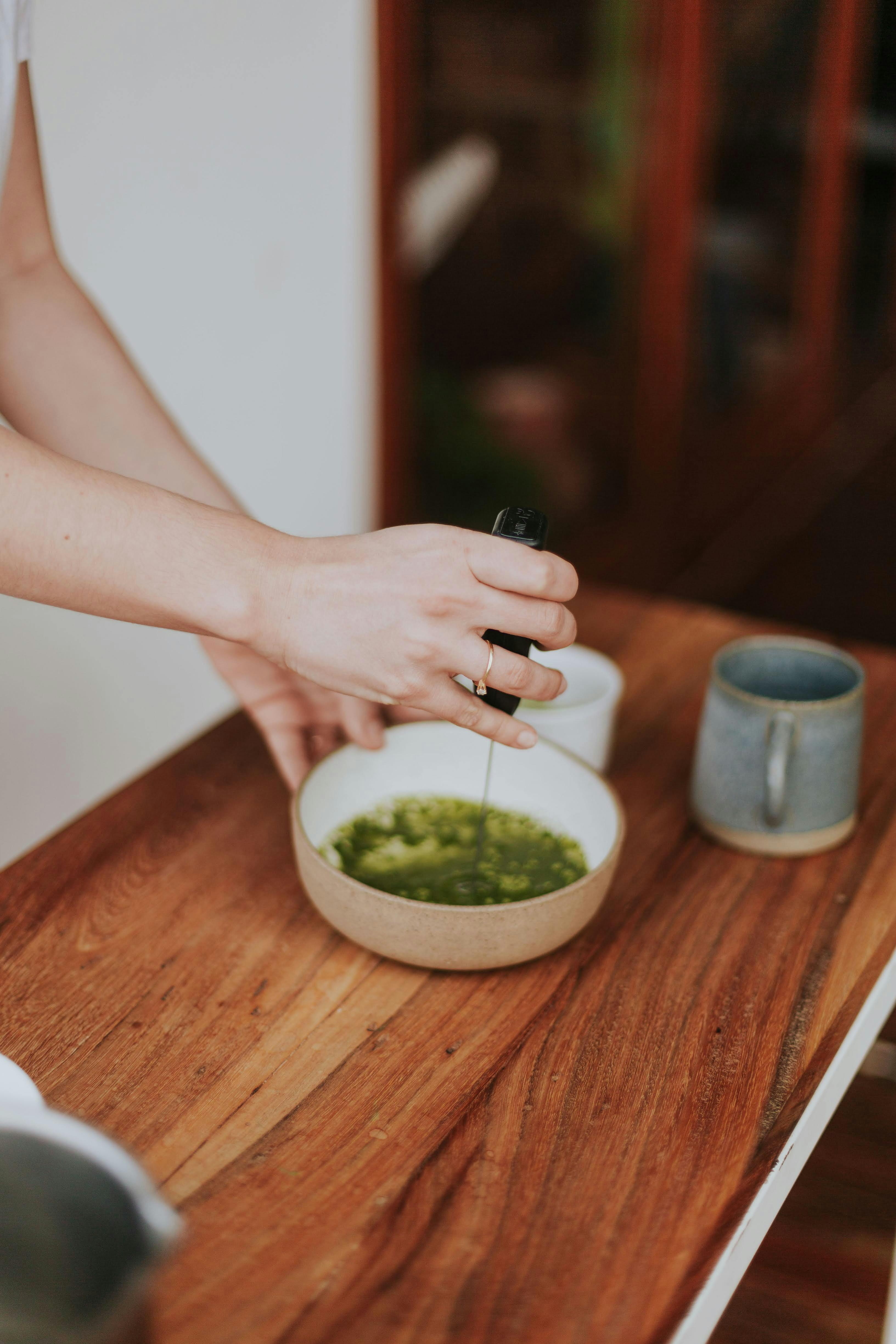
A good dressing is not just oil plus acid. Chefs treat vinegar as the ingredient that wakes everything up, giving greens structure and making other flavors taste clearer. That is why a salad at a restaurant often feels brighter, even when the ingredient list looks simple.
According to cooks at Epicurious, apple cider vinegar is especially useful because it lands in a sweet-tart middle ground. It pairs beautifully with sturdy greens like kale, mustard greens, and escarole, which can handle a dressing with personality.
At home, try thinking beyond balsamic. A sharper vinegar can make nutty cheeses, toasted seeds, roasted squash, or bitter leaves feel more balanced instead of heavy.
Deglaze the Pan for Instant Sauce

Some of the best flavor in cooking is stuck to the skillet after the food comes out. Chefs know those browned bits are pure opportunity, and vinegar is one of the quickest ways to lift them into a sauce with real depth.
Epicurious recommends using a vinegar like sherry vinegar for pan sauces because it brings nuttiness along with acidity. That little splash cuts through fat, loosens caramelized drippings, and helps a sauce taste focused rather than flat.
The trick is restraint. You do not want the pan to scream sour. A modest amount, whisked with butter or stock, can turn a weeknight chicken cutlet or pork chop into something unexpectedly polished.
Sharpen Delicate White Wine Sauces
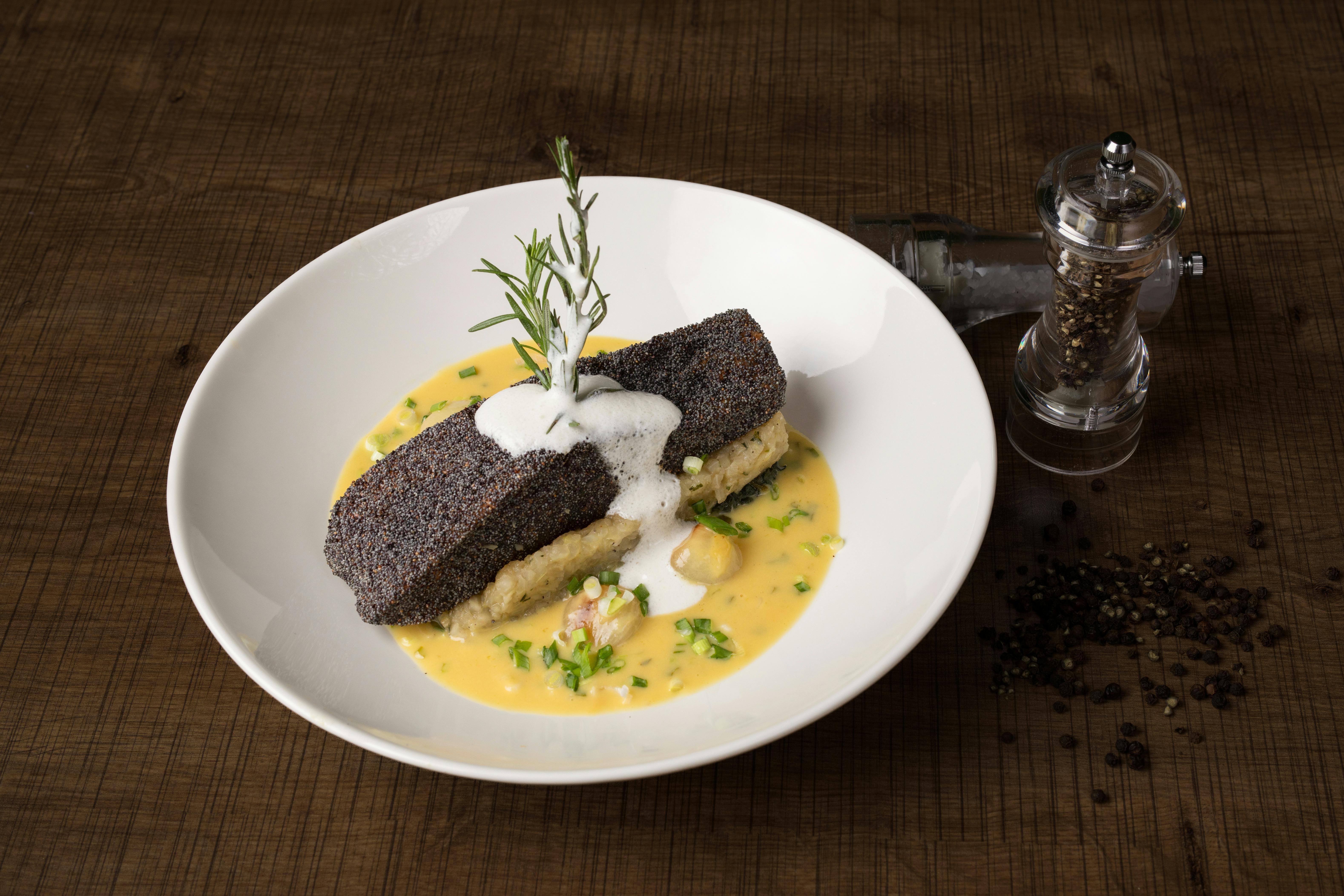
Rich sauces get a lot of attention, but chefs also rely on vinegar in lighter preparations where every flavor needs to stay clean. In white wine sauces, a small amount of white wine vinegar can act like a tuning fork, bringing the whole dish into better balance.
The effect is subtle but important. White wine alone can taste round and soft, especially once reduced. A dash of white wine vinegar adds a crisp edge that keeps the sauce from feeling sleepy, which is why it works so well with fish and other delicate proteins.
This is one of those restaurant habits worth borrowing. If a lemon-heavy sauce feels too obvious, vinegar gives you brightness without taking over the plate.
Use Rice Vinegar in Light Dipping Sauces
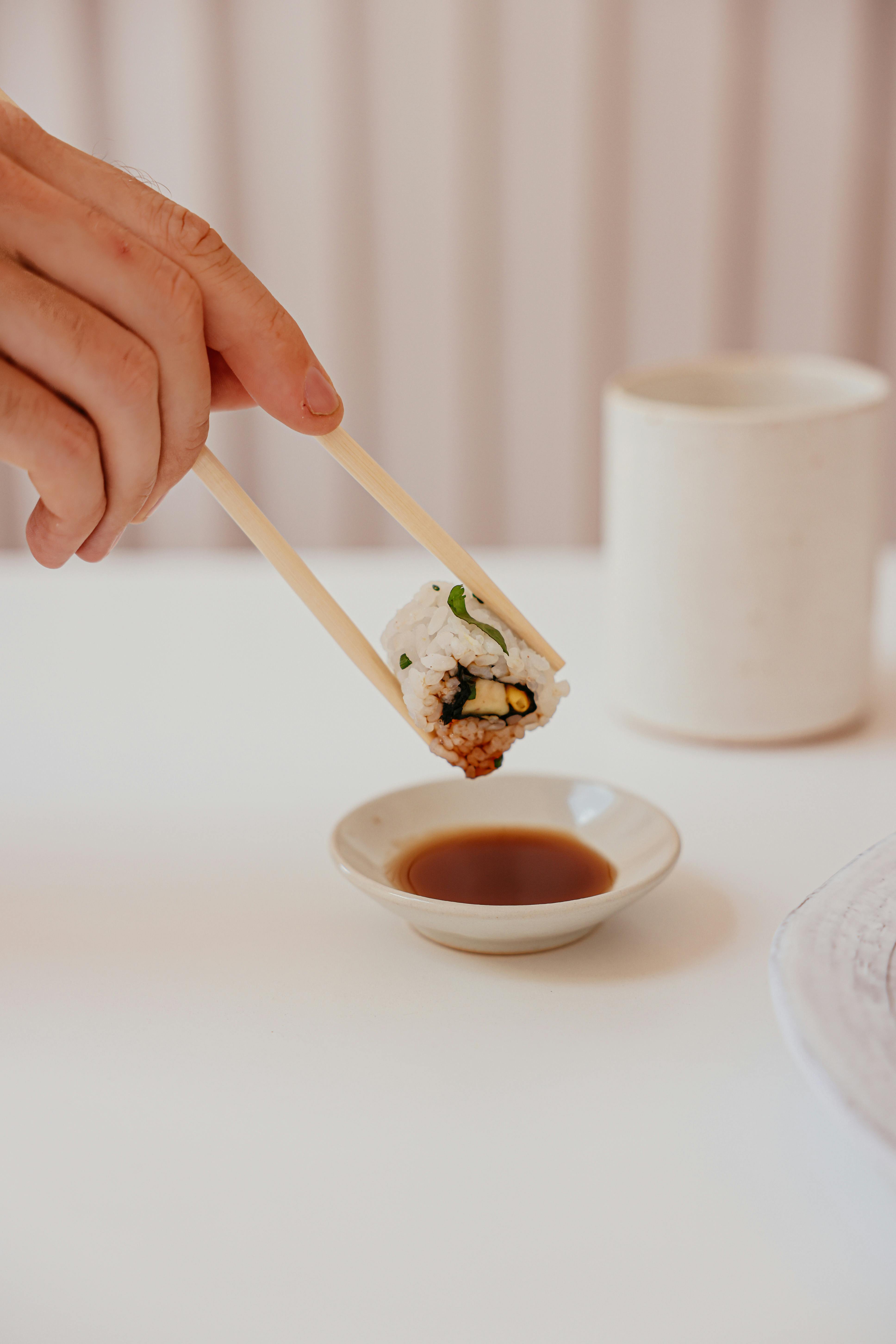
Not every vinegar should arrive with a sharp punch. Rice vinegar is one chefs reach for when they want acidity to feel gentle, almost quiet, especially in dipping sauces where balance matters more than force.
Epicurious highlights rice wine vinegar for Japanese-inspired sauces and condiments, and that makes sense. Its lightly sweet character works well in dips for tempura, handrolls, lettuce wraps, and simple cucumber salads, where a harsher vinegar would bulldoze everything else.
This is a smart bottle to keep around if you cook with soy sauce, sesame oil, or ginger. It can soften salty flavors, add lift, and make homemade sauces taste more composed without much effort.
Balance Sweet Vegetable Glazes

A glaze should make vegetables more interesting, not bury them under sugar. Chefs often use vinegar to keep sweet glazes from turning sticky and cloying, which is especially helpful with roots, onions, squash, and carrots.
Epicurious notes that sherry vinegar can cut through the sweetness of molasses, and that pairing shows how acidity creates depth rather than simply adding tartness. Instead of tasting candy-like, the glaze becomes layered, savory, and more adult.
This matters most when roasting concentrates natural sugars. A touch of vinegar near the end can pull roasted vegetables back into balance, giving them shine and complexity without masking their earthy character.
Add It to Pie Dough for Flakiness

Vinegar in pie crust sounds like an old kitchen myth until you try it. Bakers and test kitchens have long used a small amount to help dough stay tender and easy to handle, and Epicurious specifically praises chilled apple cider vinegar for extra-flaky results.
The vinegar does not make the crust taste acidic. Instead, it helps control gluten development, which can keep the dough from turning tough as you mix and roll. That is especially helpful for home bakers who may work the dough a little more slowly.
A tablespoon can be enough to change the texture in a noticeable way. If your crusts tend to shrink, crack, or bake up dense, this is a quiet fix worth borrowing from the pros.