
Ultra processed foods are industrially made products that usually contain ingredients not commonly used in home kitchens, such as flavour enhancers, emulsifiers, and refined starches. In Canada, many families are not quitting them all at once, but they are making smaller, practical changes that add up over a normal week.
Home packed lunches

One of the quietest shifts is happening at the kitchen counter before school and work. Families are replacing some packaged snack items with simpler lunch staples they can portion themselves, such as cut fruit, yogurt, cheese, boiled eggs, and leftovers from dinner.
This matters because lunchboxes can easily fill up with foods marketed as convenient but heavily formulated, including snack bars, crackers, and sweetened drinks. Health Canada has encouraged Canadians to make and prepare meals and snacks using foods with little to no added sodium, sugars, or saturated fat. For many households, packing more of the lunch at home is a practical way to do that without making lunch feel restrictive.
Bigger batch cooking at dinner

A lot of families are cutting back by changing supper, not snacks. Cooking a large pot of chili, soup, pasta sauce, or curry once or twice a week can reduce the need for frozen entrées, instant noodles, and other ready made meals on busy nights.
Canada's Food Guide emphasizes cooking more often and using nutritious foods to build meals and snacks. Batch cooking fits that advice because it saves time later and makes it easier to keep prepared food in the fridge or freezer. It also gives families more control over salt, sugar, and ingredient lists, which is one reason homemade versions often replace ultra processed standbys over time.
Fewer sugary drinks at home

Drinks are another place where families are quietly scaling back. Keeping fewer soft drinks, fruit flavoured beverages, and sweetened coffees at home can lower how often they become part of everyday routines, especially at breakfast and after school.
Canada's Food Guide recommends making water your drink of choice. That guidance may sound basic, but it can lead to a noticeable shift in the grocery cart when families buy more sparkling water, plain milk, or ingredients for homemade smoothies instead of ready to drink sweetened options. The change is simple, photographable, and realistic because it does not require a perfect diet, just a different default in the fridge.
More plain ingredients for breakfast
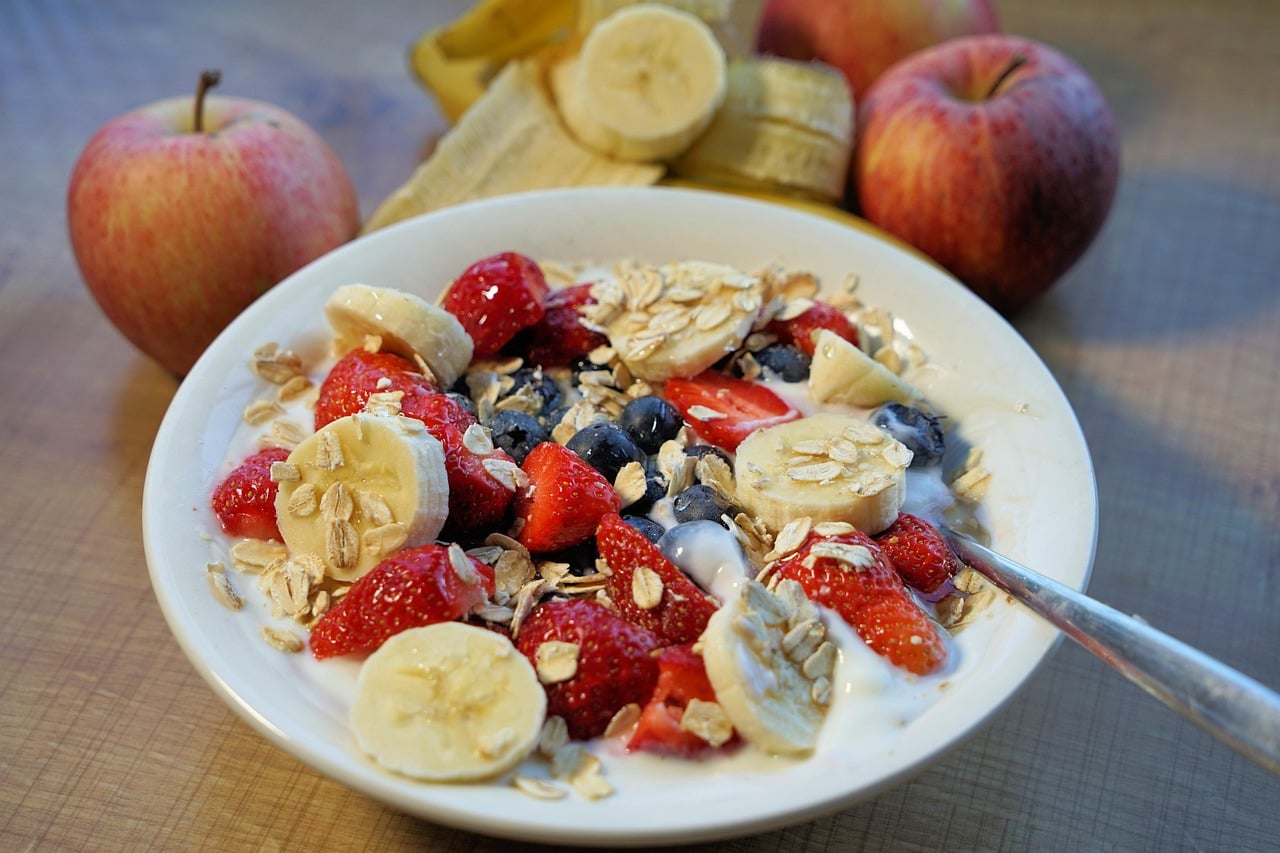
Breakfast is often sold as a convenience occasion, which is why it is full of ultra processed choices like sugary cereals, toaster pastries, and packaged muffins. Many families are responding by rebuilding breakfast around plain ingredients they can mix and match, including oats, eggs, peanut butter, fruit, and plain yogurt.
That switch can be easier than it sounds because it does not always mean cooking a full breakfast from scratch. Overnight oats, toast with nut butter, yogurt with fruit, and reheated oatmeal all use familiar foods and take little time. The broader pattern is less reliance on highly packaged breakfast products and more use of foods that look closer to their original form.
A simpler grocery cart

The biggest change may be the least dramatic one: buying fewer heavily packaged convenience foods in the first place. Families trying to cut back often start by putting more vegetables, fruit, beans, grains, eggs, dairy, and fresh or frozen proteins into the cart, while leaving some snack aisles for occasional purchases instead of weekly staples.
Researchers commonly define ultra processed foods using the NOVA system, which groups foods by the degree and purpose of processing. Under that framework, products like chips, candy, soft drinks, and many packaged desserts fall into the ultra processed category. For families, the practical takeaway is not perfection. It is building a grocery routine where most foods are basic enough to become meals, snacks, or leftovers with only a little help at home.



Leave a Reply