
Plant-based eating moved from niche to mainstream in the past decade, helped by health claims, climate concerns and a wave of new meat and dairy alternatives. But the category has also run into real limits, and those limits help explain why some consumers are stepping back.
Higher grocery bills
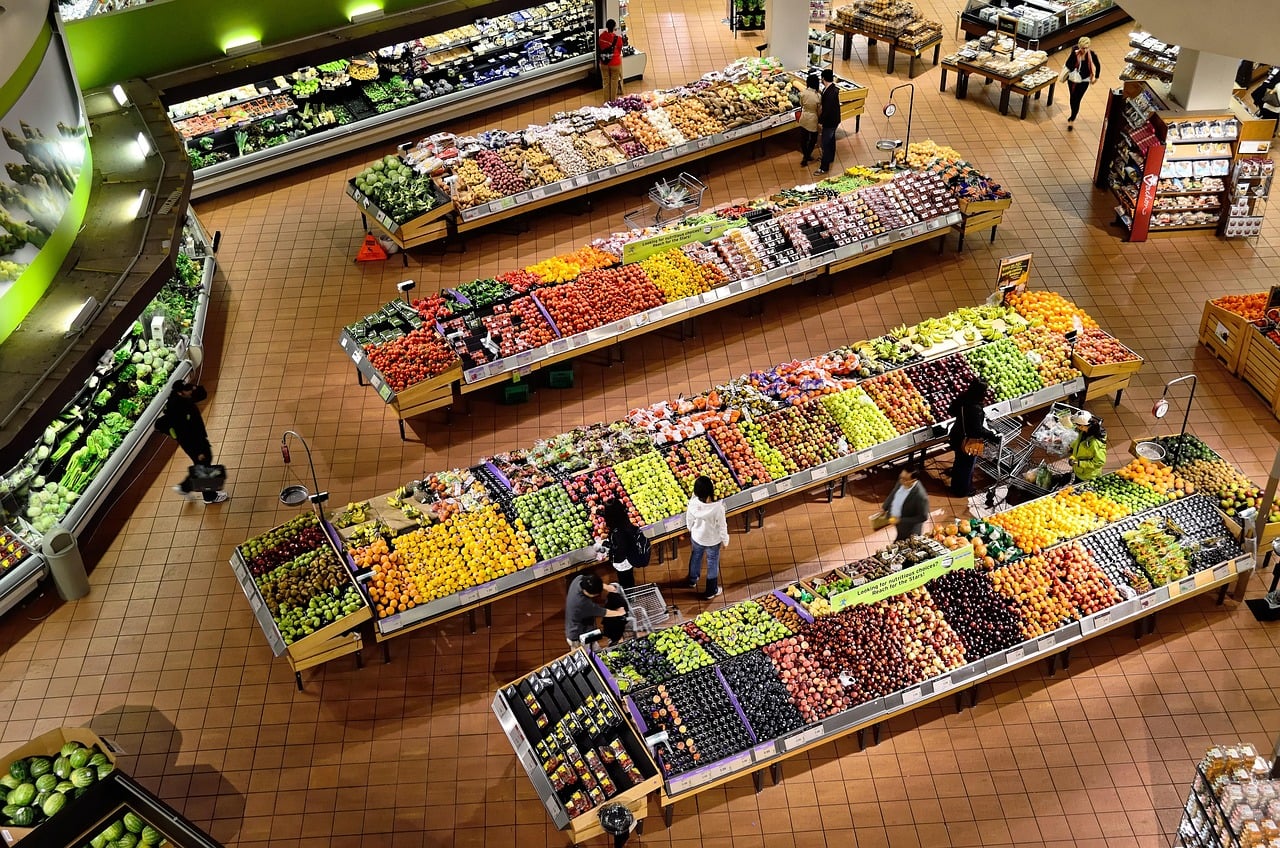
For many shoppers, the first problem is simple: cost. Data from the Good Food Institute has shown that plant-based meat still sells at a significant premium compared with conventional meat in many categories, even after years of rapid growth. That gap matters most in a period of inflation, when households are watching every item in the cart.
The issue is not just specialty burgers. Plant-based milks, yogurts and ready-made meals can also cost more than their conventional counterparts, especially if shoppers want products with added protein or fewer additives. When a food choice is framed as both healthier and better for the planet, consumers often expect it to become easier to buy, not harder.
Ultra-processed replacements

One reason enthusiasm has cooled is that many popular substitutes do not look much like the whole-food ideal people picture when they hear "plant-based." A number of meat alternatives are made with protein isolates, refined oils, binders and flavor systems designed to mimic meat. That can make them useful, but it also makes some consumers wary.
Health experts often draw a distinction between a plant-based diet built around beans, lentils, vegetables, fruit, nuts and whole grains, and one built around highly formulated packaged foods. Research published in medical journals has linked higher intake of ultra-processed foods with poorer health outcomes. That does not make every plant-based product unhealthy, but it does weaken the simple halo that once surrounded the category.
Taste and texture fatigue
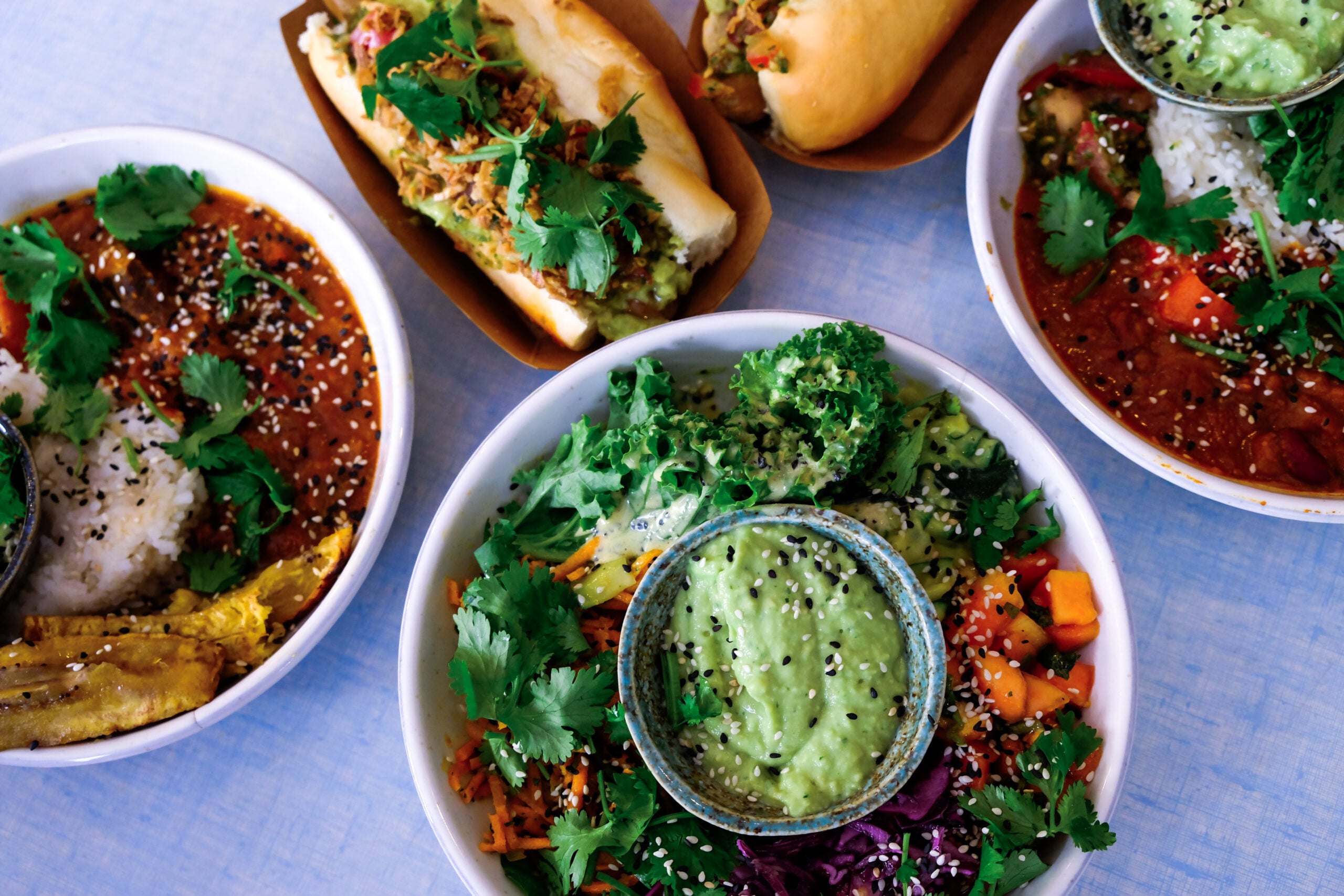
First-time curiosity helped many brands get onto dinner tables. Repeat purchases depend on satisfaction, and that has been harder to sustain. Some plant-based burgers and cheeses have improved, but shoppers still regularly cite taste, texture and cooking performance as barriers, especially in products meant to replace familiar comfort foods.
This problem shows up clearly in sales. After an early boom, several major plant-based meat brands faced slower growth, retail pullbacks and weaker demand. Consumers may buy a product once because it sounds innovative, but they rarely buy it again if the flavor disappoints or the texture feels engineered. Food trends last when they fit seamlessly into real meals, not just marketing campaigns.
Nutrition concerns and confusion

Plant-based eating can be nutritionally strong, but it is not automatically balanced. The Academy of Nutrition and Dietetics has said appropriately planned vegetarian and vegan diets can be healthful, yet the phrase "appropriately planned" is doing real work there. Nutrients such as vitamin B12, iron, calcium, iodine and omega-3 fats may require more deliberate attention, especially for vegans.
That complexity can discourage casual adopters. Some people enter plant-based eating expecting an easy swap, then discover they need to think more carefully about protein quality, fortified foods or supplements. Others assume any product labeled plant-based is a health food, which is not always true. Confusion tends to slow momentum, particularly among busy families looking for simple routines.
Backlash against overpromising
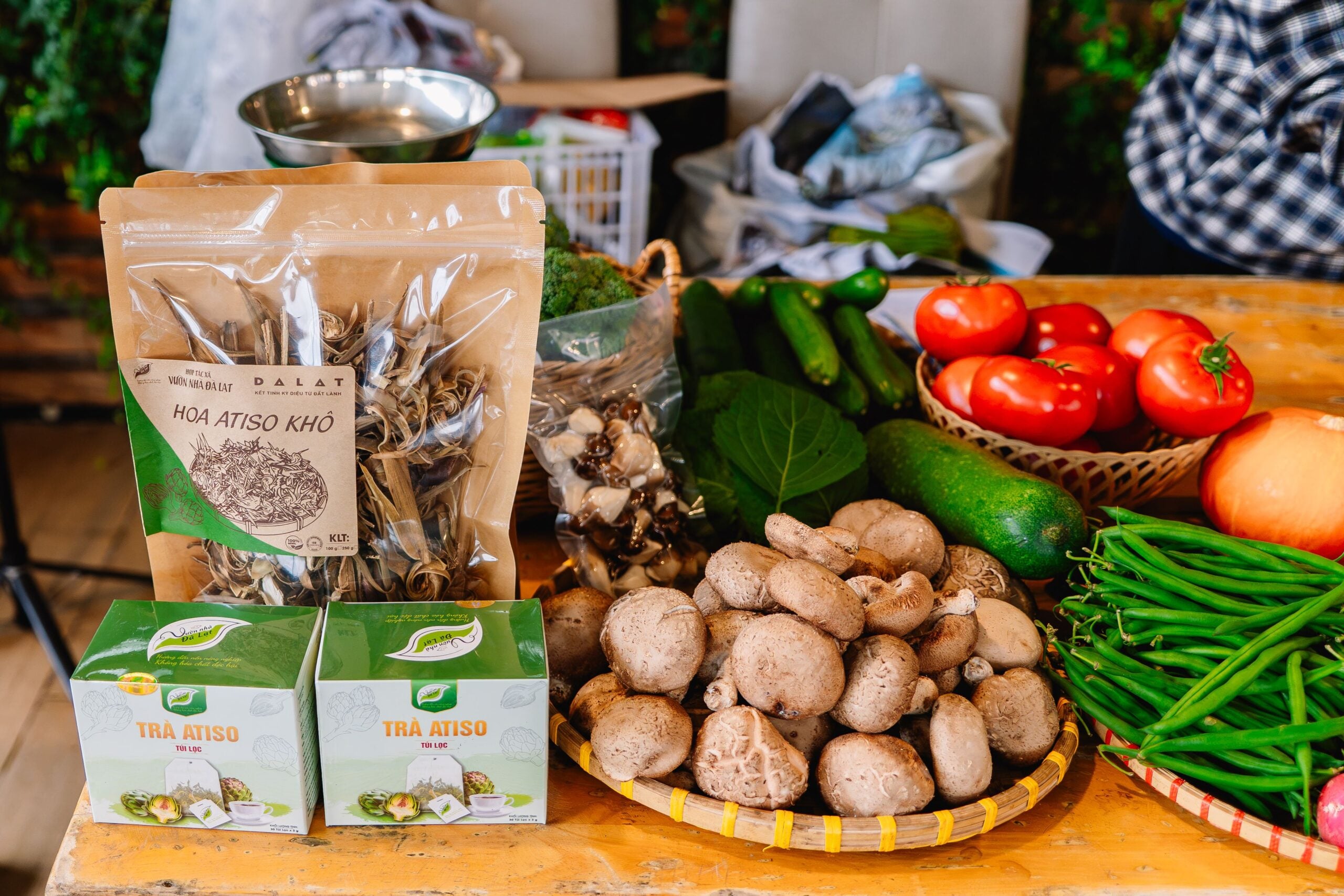
The final problem is credibility. Plant-based diets and products were often sold with sweeping promises about health, sustainability and the future of food. Some claims were grounded in real benefits, but broad messaging sometimes outran what products could consistently deliver in price, taste or nutrition.
Consumers are quick to notice that mismatch. When expectations rise too high, ordinary compromises feel like failures. A bean chili or lentil soup can be affordable, filling and nutritious, but a premium processed burger that promises to replace every part of the meat experience faces a tougher standard. In that sense, plant-based eating is not disappearing. It is being forced to become more realistic, less idealized and more closely tied to what people actually want to eat.



Leave a Reply