
When a snow storm knocks out travel plans or makes cooking harder, liquid meals can be one of the easiest things to keep on hand. The best options store well, need little prep and can still provide calories, protein or comfort when your pantry starts looking sparse.
Ready to drink nutrition shakes
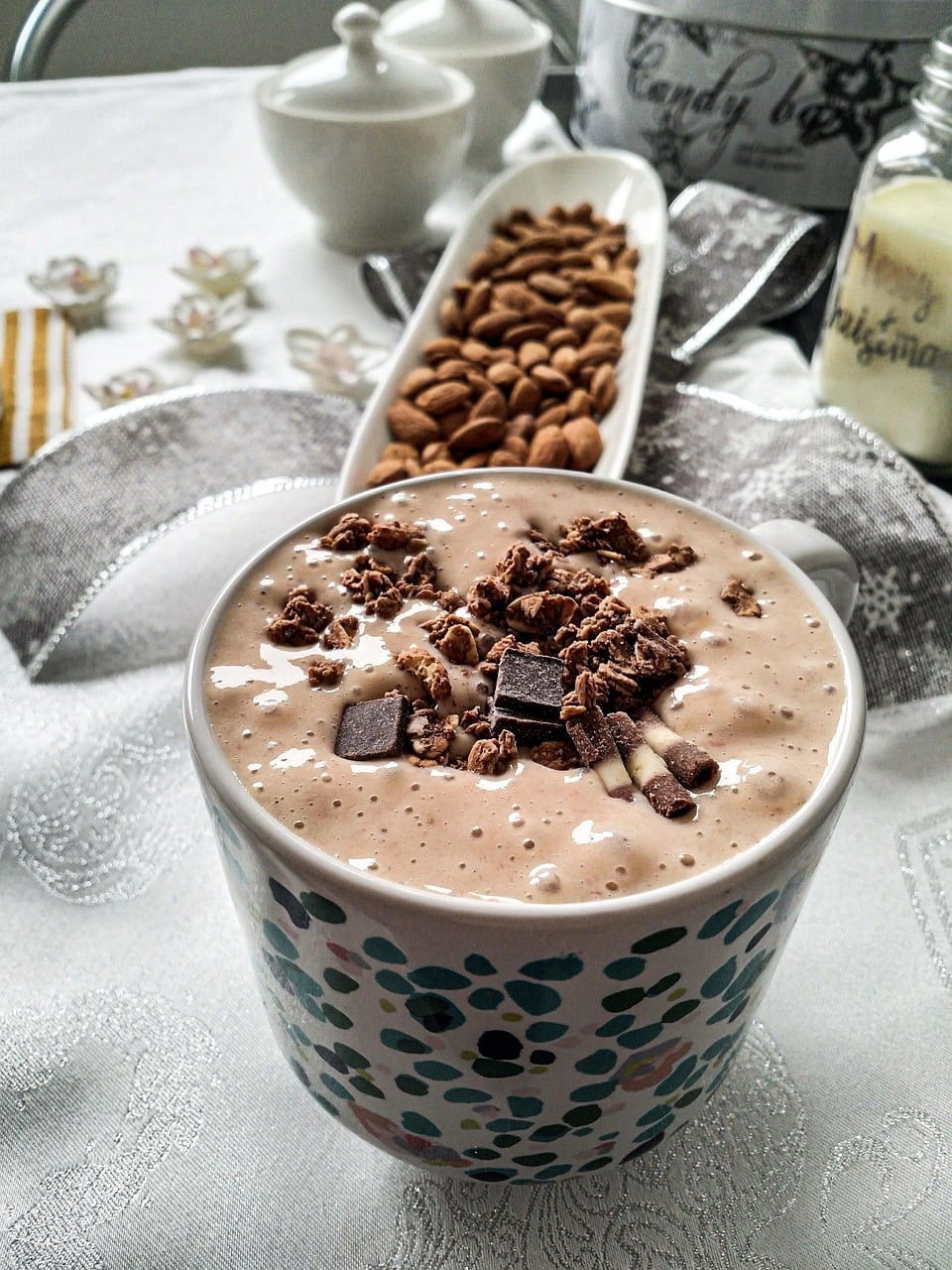
A snow storm can turn convenience into a real survival skill, and ready to drink nutrition shakes are built for that moment. Products such as Ensure Original, Boost Original and similar meal replacement style drinks are shelf stable until opened, which makes them useful when fresh food runs low.
These drinks are not all the same, so the label matters. Some are designed as supplements, while others are closer to a full meal with protein, carbohydrates, vitamins and minerals in one bottle. That combination can help when you need something fast and do not want to cook.
They also work well if the power is out but you still want a portion controlled meal. Most can be consumed at room temperature, though many people prefer them chilled if refrigeration is available before the storm.
Canned soup
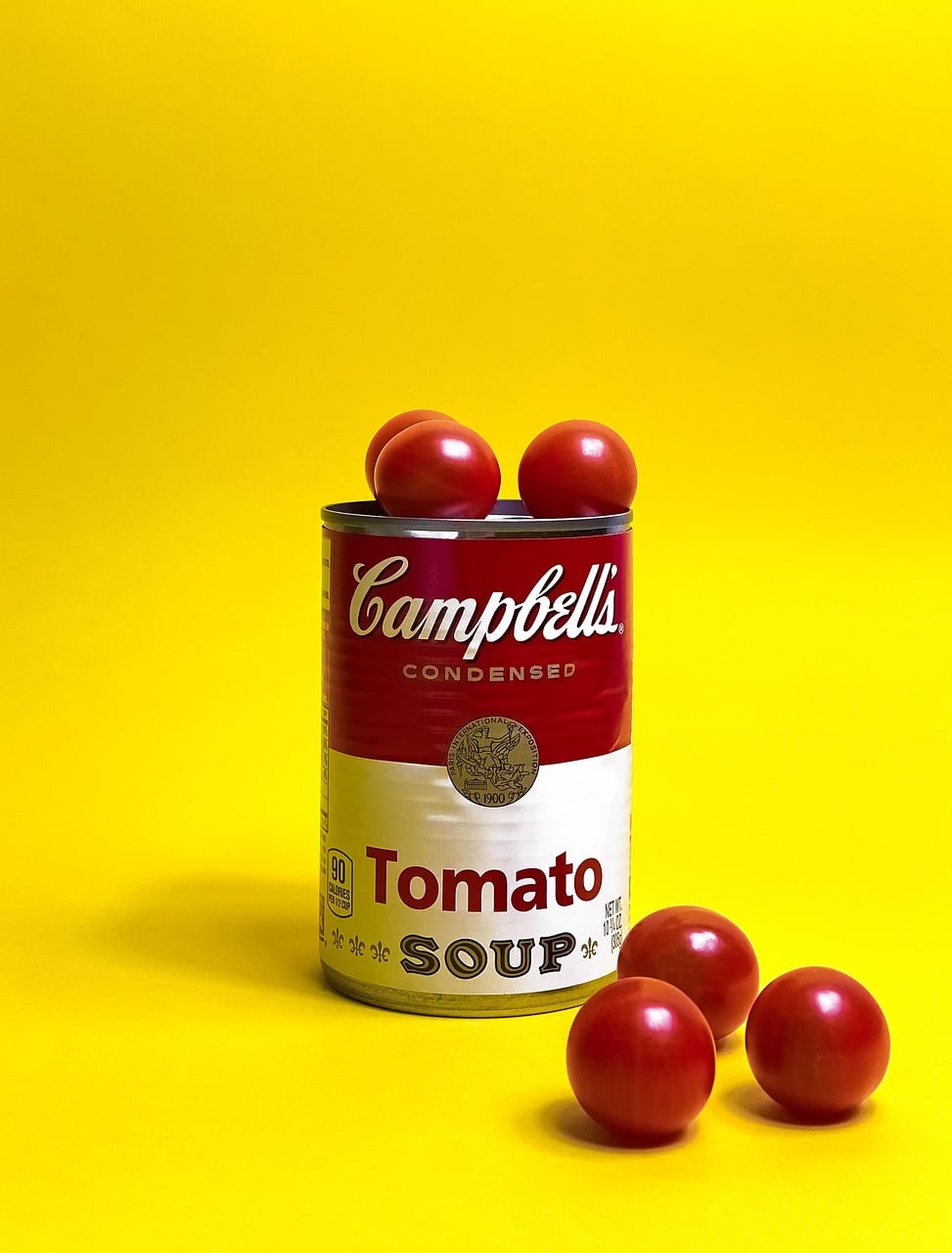
Canned soup earns its place because it is easy to store, familiar and widely available. Condensed varieties can stretch farther if you have water and a way to heat them, while ready to serve soups are simpler when you want fewer steps.
Soup can also deliver more variety than many emergency foods. Tomato, chicken noodle, lentil and split pea all bring different textures and nutrition profiles, and bean based soups often offer more fiber and protein than broth only options.
The practical downside is sodium. The USDA notes that many canned soups can be high in salt, so lower sodium versions may be a better choice if you are stocking up in advance. Even so, soup remains one of the most dependable storm pantry staples.
Bone broth and boxed broth
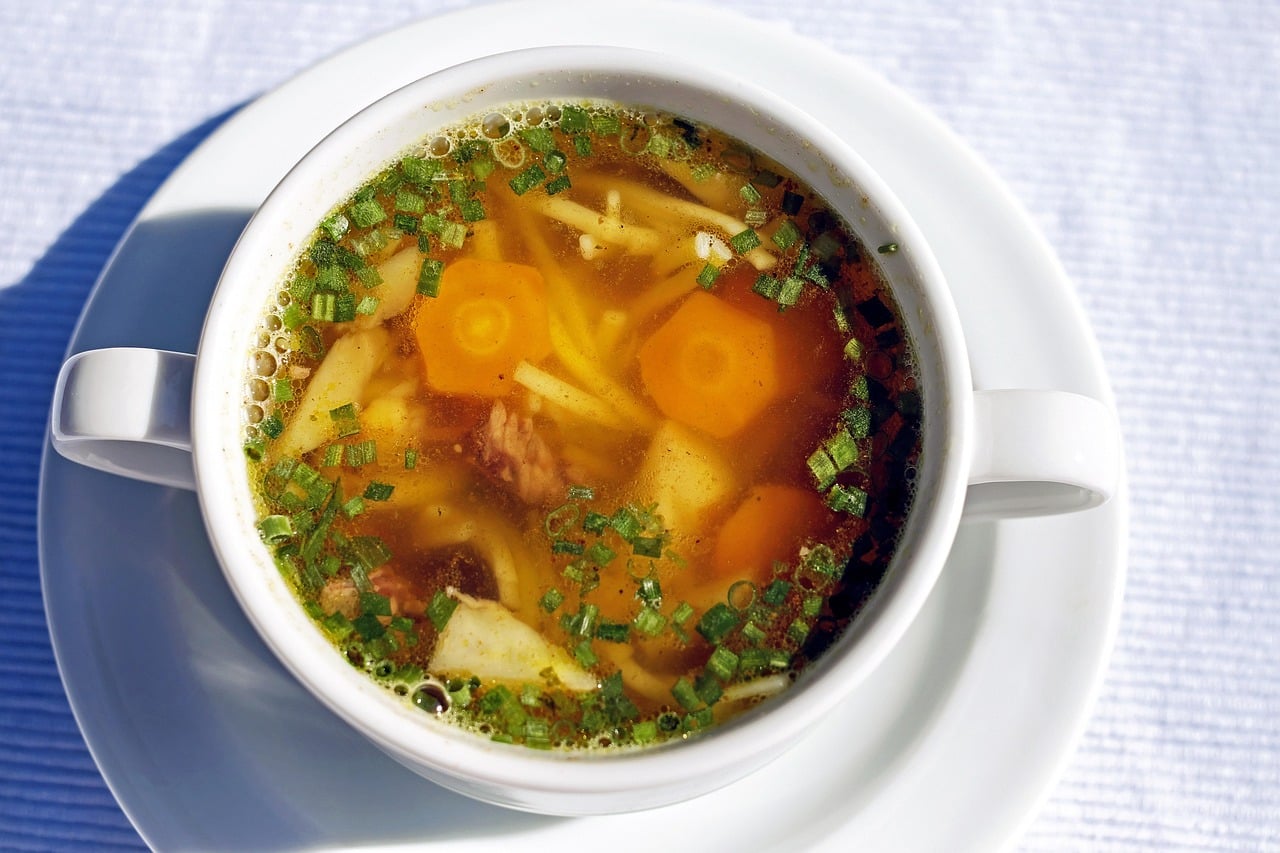
Broth is the quiet workhorse of a bad weather pantry. Chicken, beef and vegetable broths in shelf stable cartons can be sipped on their own, warmed into a light meal or used as the base for noodles, rice or leftover vegetables.
Bone broth is often marketed for its protein, and some packaged versions do contain more protein than standard broth. That can make it feel more filling when you are stuck inside and trying to ration other foods carefully.
Its biggest strength is flexibility. If you are low on appetite, a warm mug of broth may go down easier than a full meal. If you need to stretch ingredients, broth can turn a small amount of pasta or canned beans into something more substantial.
Shelf stable bisque or chowder
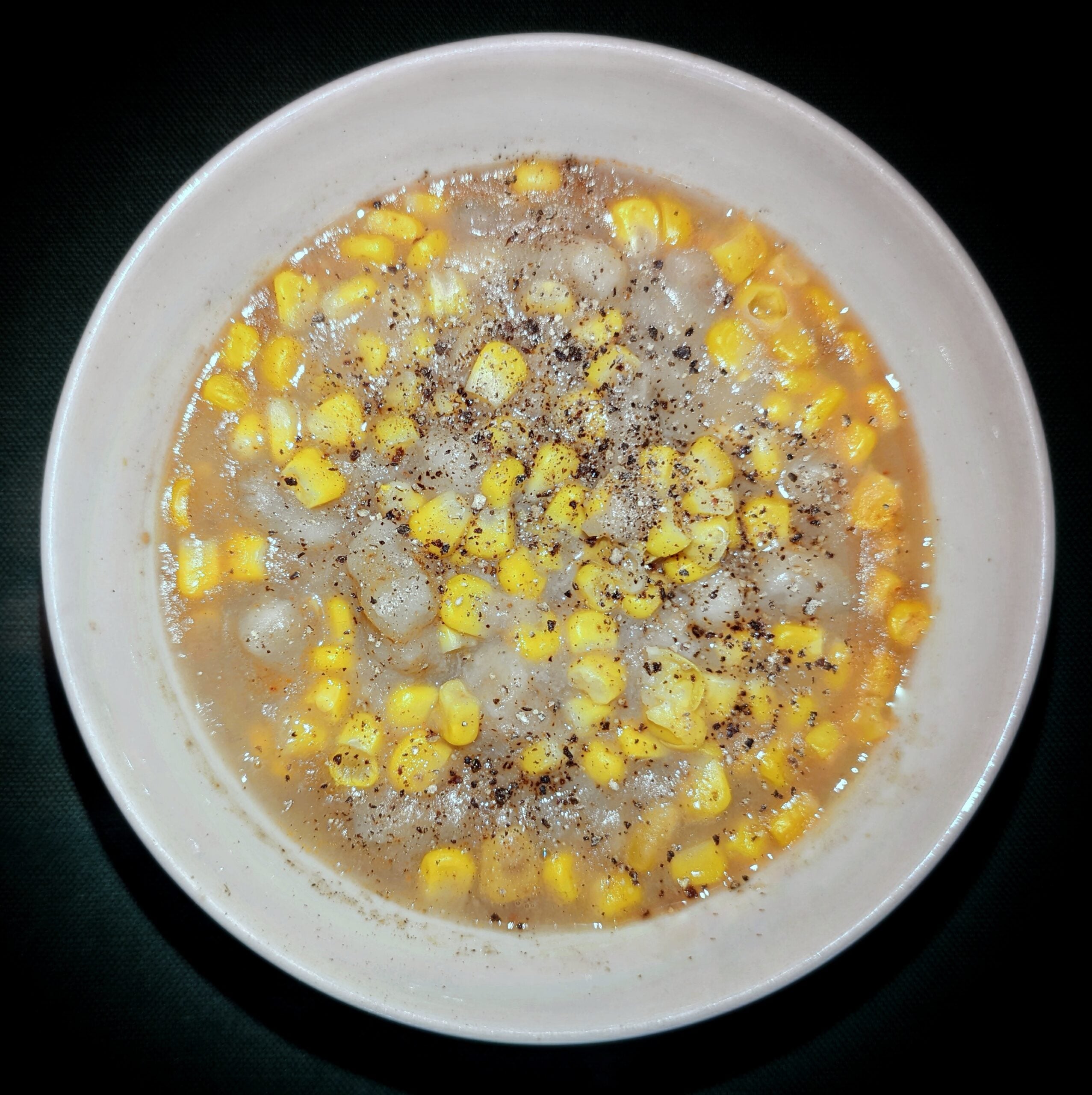
Bisques and chowders bring a different kind of storm day value, comfort. A creamy tomato bisque, clam chowder or potato soup can feel much closer to a full meal than a thinner broth, especially when cold weather drags on for days.
Many shelf stable versions come in cartons or cans and are ready to heat and eat. That matters when you want something hot but do not want a complicated cleanup or a long cooking time. In rough weather, ease can be as important as variety.
The richer texture can also help these products feel satisfying in smaller portions. It is still smart to check labels for sodium, saturated fat and storage instructions, but as a pantry backup, a hearty chowder can be a smart pick.
Drinkable meal soups
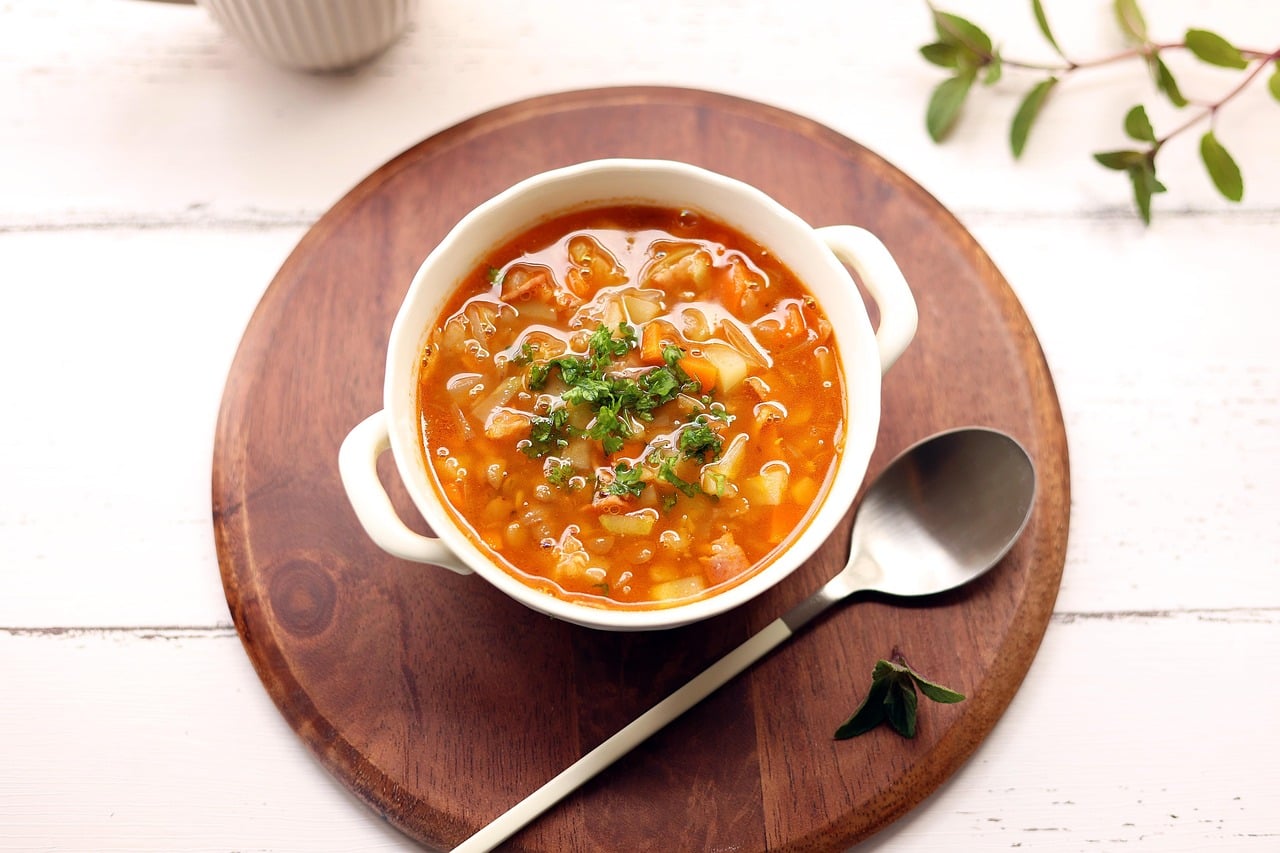
Some foods sit right between soup and a complete meal, and that is where drinkable meal soups stand out. Lentil soup, black bean soup and pureed vegetable soups can be filling enough to carry you through a missed grocery run, especially if they include legumes.
Beans and lentils matter because they add protein and fiber, which can make a liquid meal more sustaining. A blended lentil or split pea soup is still easy to eat from a mug, but it usually offers more staying power than a clear broth.
This is a useful category to stock if you want something practical and balanced. During a snow storm, a shelf stable pureed soup can give you warmth, hydration and a more meal like experience without demanding much time, fuel or effort.



Leave a Reply