
Food worries in Canada are showing up in more everyday moments, at the checkout, in school lunch packing, and in the way families stretch ingredients across the week. Here are five pressures that are becoming harder to ignore, with current facts that help explain why they matter.
Grocery bills that keep straining household budgets
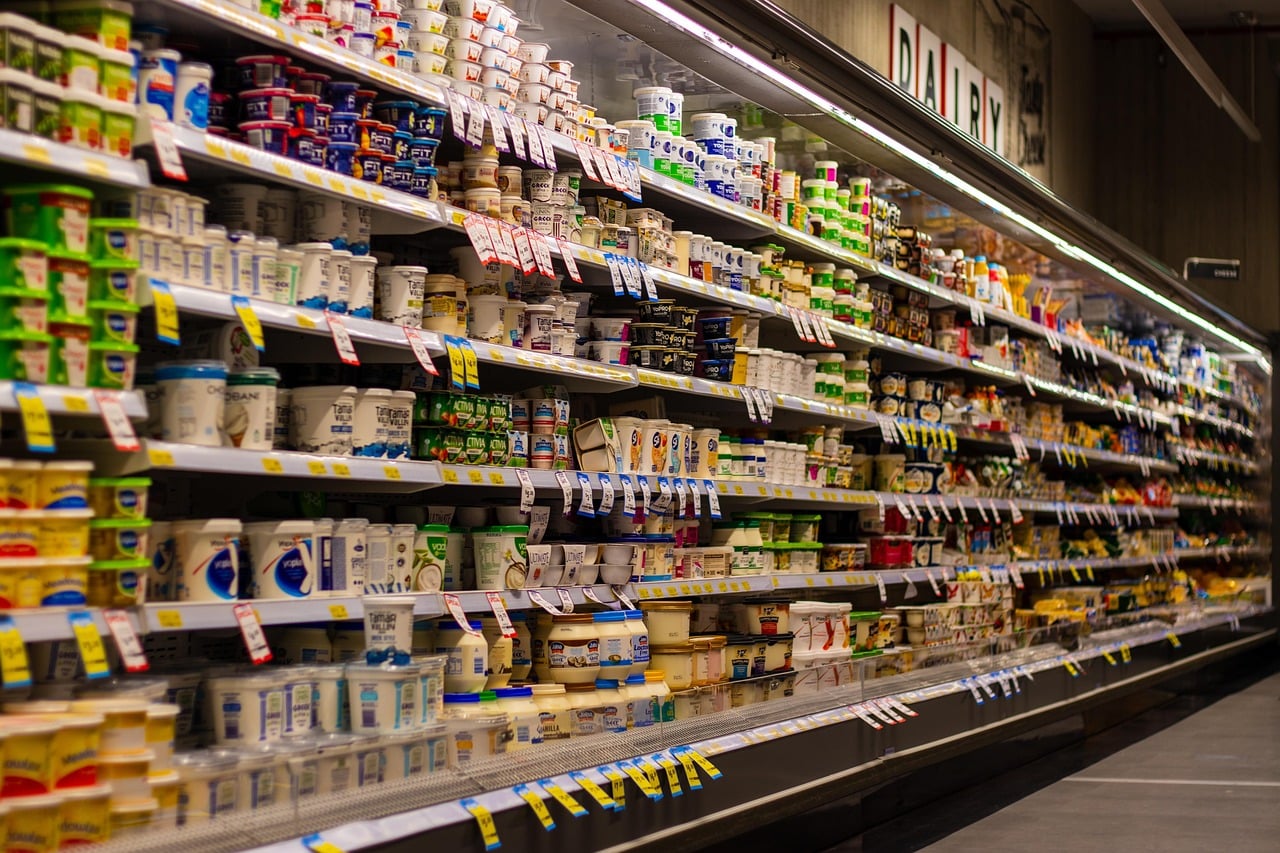
For many Canadians, the clearest food worry is still the weekly grocery bill. Statistics Canada reported that food purchased from stores rose 2.8 percent year over year in August 2024, while food purchased from restaurants rose 3.4 percent. Those increases were slower than earlier inflation spikes, but they still meant many staples cost more than they did a year before.
That pressure shows up sharply in public polling. The Agri Food Analytics Lab at Dalhousie University found in its 2025 Canadian Food Sentiment Index that 32.5 percent of Canadians said they were spending more than 15 percent of their budget on food, up from 20.1 percent in 2024. The same report said 67.5 percent were very concerned about food prices, making cost the country's top food issue.
Food bank demand is staying near record highs

One of the most serious signs of strain is what is happening at food banks. Food Banks Canada reported more than 2 million visits in March 2024, the highest number in its history for a single month. The organization said that was a 6 percent increase from March 2023 and a 90 percent increase from 2019.
The concern here is not just demand, but persistence. Food Banks Canada said one third of food bank users were children, and many working people were also turning to food support. When high housing and food costs rise together, the result is simple but severe, more households have to make tradeoffs between rent, transportation and meals.
Climate shocks are making food supply feel less predictable
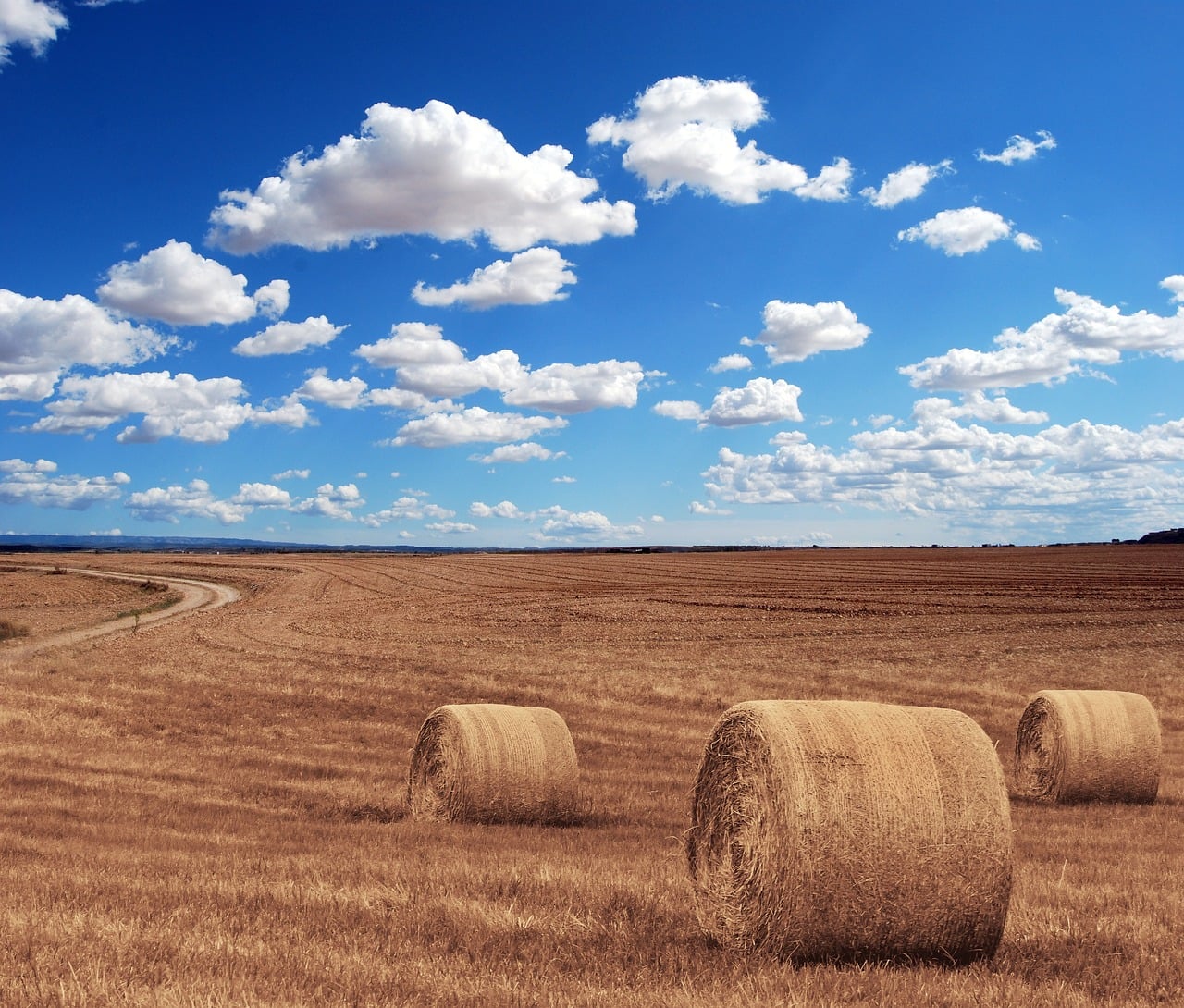
A quieter worry sits behind the shelf price, the weather. Agriculture and Agri Food Canada has warned that climate change is affecting growing conditions through more frequent drought, floods and extreme heat. Those disruptions can reduce yields, damage crops and add uncertainty to both farm income and retail supply.
Recent seasons have made that risk feel more real. The 2023 wildfire season disrupted transportation and agricultural activity in parts of the country, while drought has continued to pressure some farming regions. For shoppers, climate stress does not always appear as an empty shelf. More often, it shows up as tighter supplies, higher prices and less confidence that familiar foods will stay steady in cost.
School food insecurity is becoming harder to ignore

Food worry can be most visible in the meals children bring to school, or do not. Breakfast Club of Canada has said that millions of children in Canada are at risk of going to school hungry, and UNICEF has ranked Canada poorly among wealthy countries on child food insecurity measures. The issue reaches beyond very low income households and affects learning, concentration and well being.
In April 2024, the federal government announced a national school food program with a plan to invest $1 billion over five years. That move reflected a growing recognition that food insecurity is affecting children in a broad, ongoing way. School meal support is not only about nutrition. It also helps families facing high grocery costs keep up with one more daily expense.
Trust in food labels and ultra processed products is under pressure
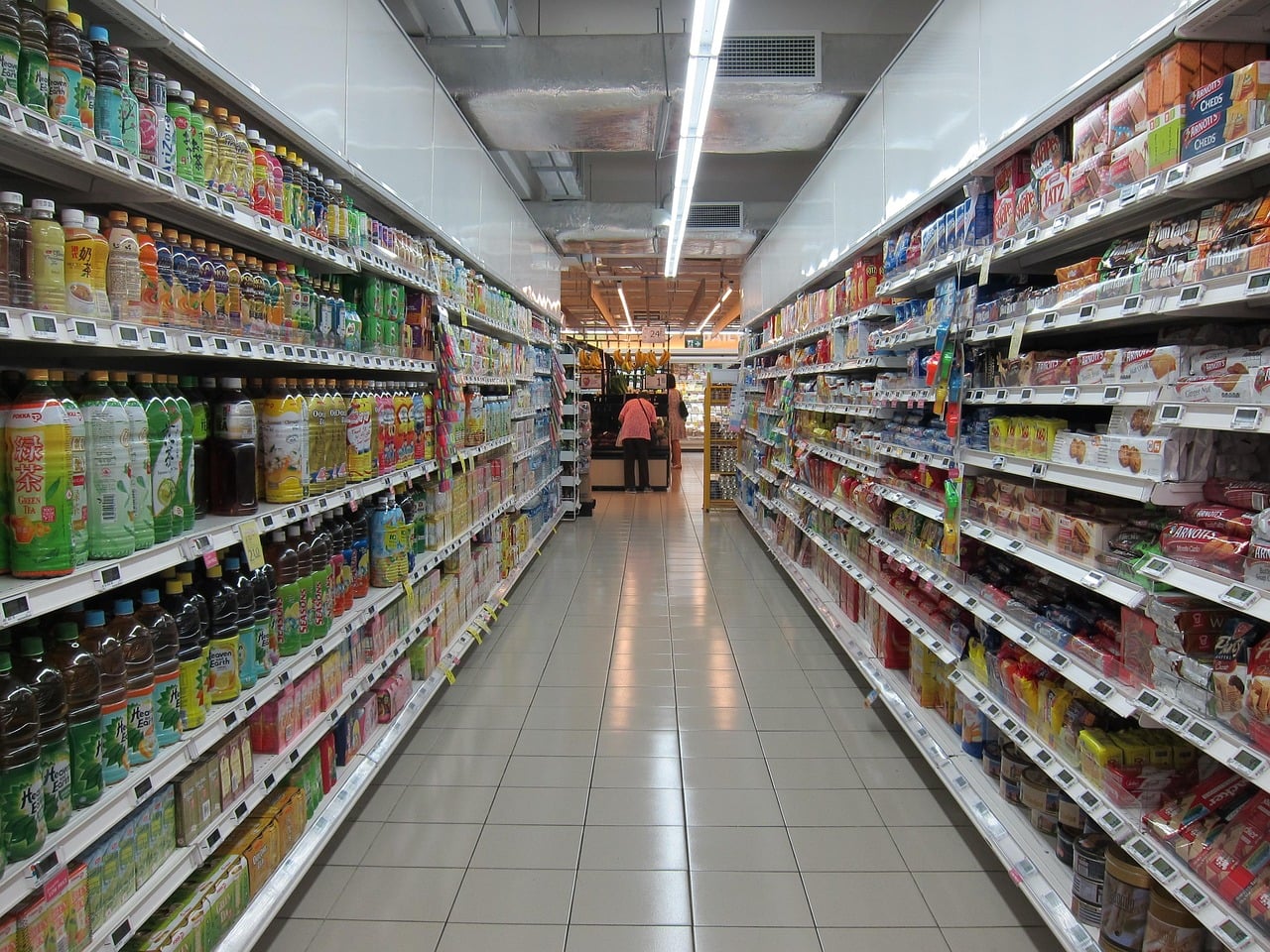
Another growing concern is not just price or access, but confidence in what people are buying. Health Canada has continued to warn that too much sodium, sugars and saturated fat in packaged foods can raise health risks. At the same time, many shoppers are paying closer attention to ingredient lists and front of pack claims as they try to sort healthier choices from heavy marketing.
That skepticism is growing in a food environment full of convenience products. Canada's new front of package nutrition symbol rules are being phased in to help consumers quickly spot foods high in sodium, sugars or saturated fat. For households trying to balance cost, speed and health, the worry is practical, affordable food is not always the easiest food to judge.




Leave a Reply