
The 1960s reshaped the American table with futuristic shortcuts, flashy presentation, and a deep faith in processed convenience. Many of those once-trendy foods now feel charming, strange, or surprisingly controversial. This gallery revisits five major food fads from the era and explores why they would likely divide diners today.
Gelatin Salads and Savory Aspic

Nothing says mid-century optimism quite like dinner suspended in Jell-O. In the 1960s, gelatin molds were seen as elegant, modern, and perfect for entertaining, especially when filled with vegetables, seafood, or even bits of ham. Home cooks embraced them because they photographed beautifully and suggested a kind of domestic sophistication.
Today, the idea of trapping tuna, olives, or celery in shimmering gelatin would split a room instantly. Some people would defend the nostalgic charm, but many would question the texture, the flavor logic, and the heavy reliance on processed ingredients. What once looked refined now reads to many diners as a triumph of presentation over appetite.
Fondue Parties
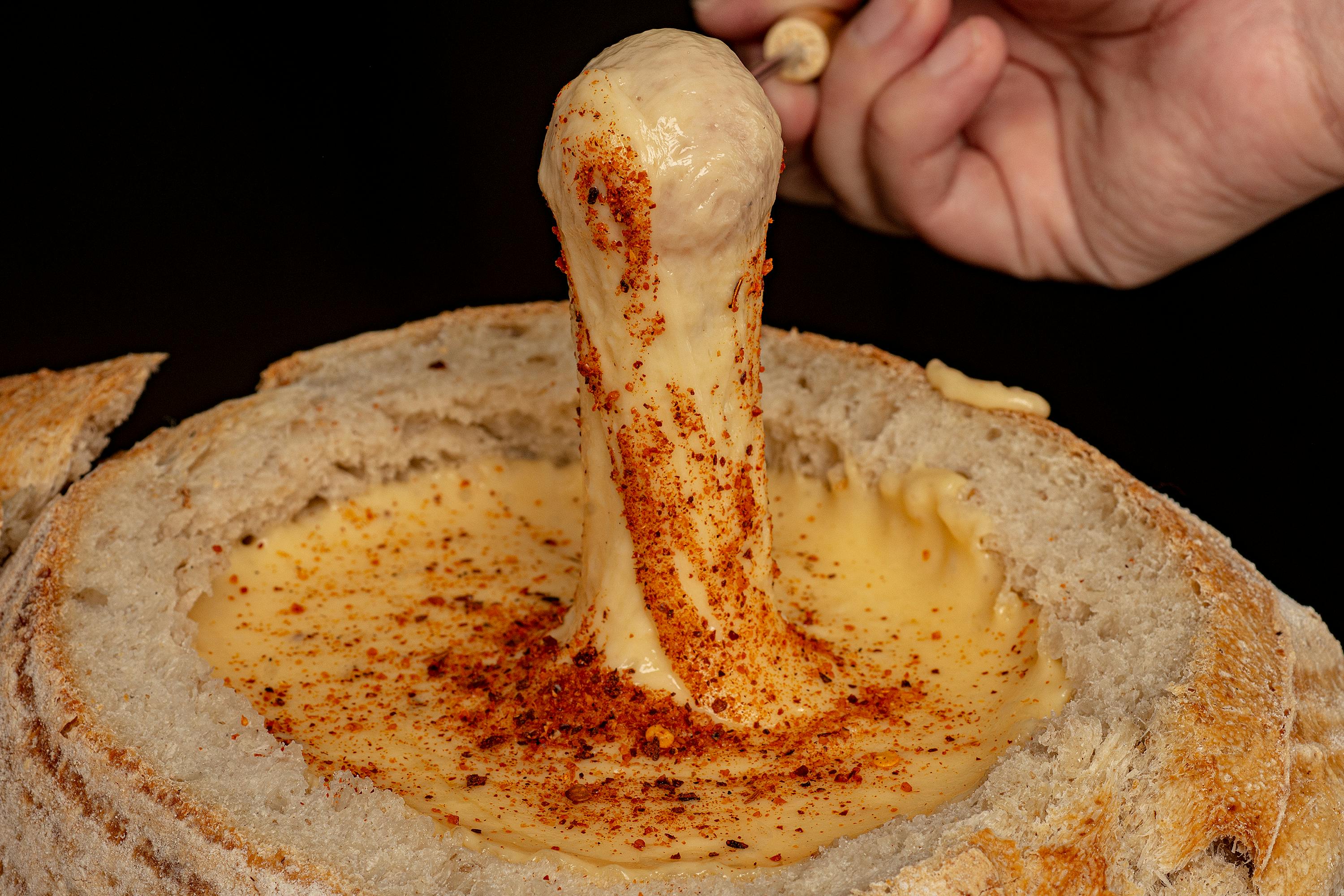
Fondue turned dinner into an event, and that was a huge part of its 1960s appeal. Borrowed from Swiss tradition and repackaged for American entertaining, the bubbling pot of melted cheese felt worldly, interactive, and slightly glamorous. It fit perfectly with the decade's growing love of casual social dining at home.
Still, fondue would invite debate today for reasons beyond nostalgia. Shared dipping can make modern diners think about hygiene, and the classic cheese-and-bread formula can feel heavy by current health standards. Fans would argue that communal eating creates warmth and conversation, while critics might see it as rich, messy, and better in theory than in practice.
Convenience Casseroles Made With Canned Soup
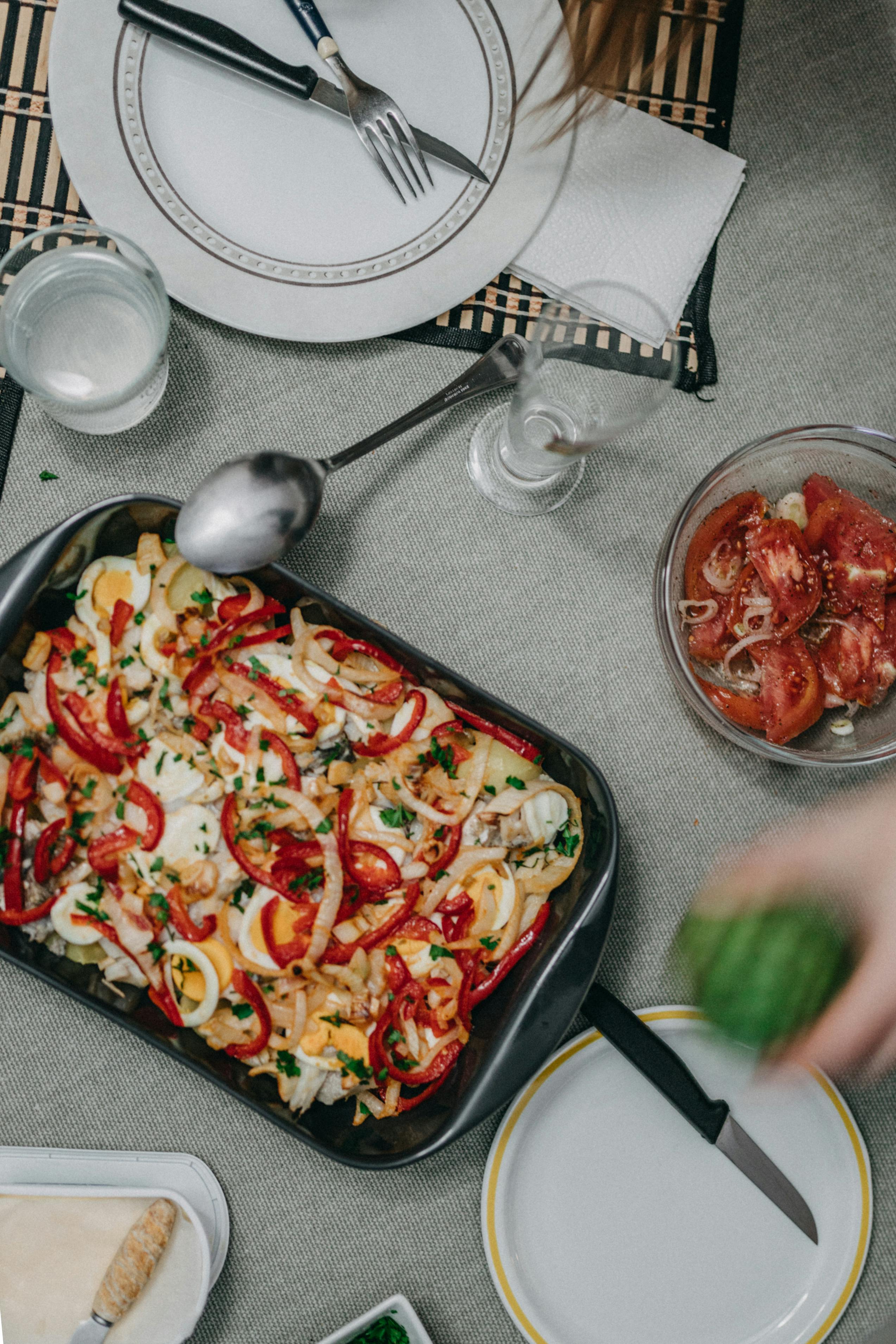
The casserole was the weeknight hero of the 1960s, and canned condensed soup was its secret weapon. Recipes built around noodles, canned vegetables, packaged mixes, and creamy mushroom or chicken soup promised speed, thrift, and reliability. For busy families, this was not lazy cooking. It was efficient cooking shaped by postwar supermarket culture.
That same formula would draw criticism now from anyone focused on sodium, additives, or fresher ingredients. Yet the debate is not so simple. Plenty of people still associate these dishes with comfort, community suppers, and practical home economics. What critics call overly processed, supporters often call realistic, affordable, and deeply rooted in family memory.
The Rise of TV Dinners

Few foods captured the modern mood of the 1960s like the TV dinner. Packed in compartment trays and designed for easy heating, these meals matched a culture that increasingly valued convenience, technology, and time-saving routines. They also changed the ritual of eating by making it easier to dine in front of the television instead of around the table.
That shift would spark major debate today. Critics would point to processed ingredients, excess packaging, and the social cost of isolated meals. Others would note that ready-made dinners opened new options for working households and people who needed speed. The real argument is not only about nutrition. It is about what convenience does to family life and food expectations.
Artificially Bright Party Foods
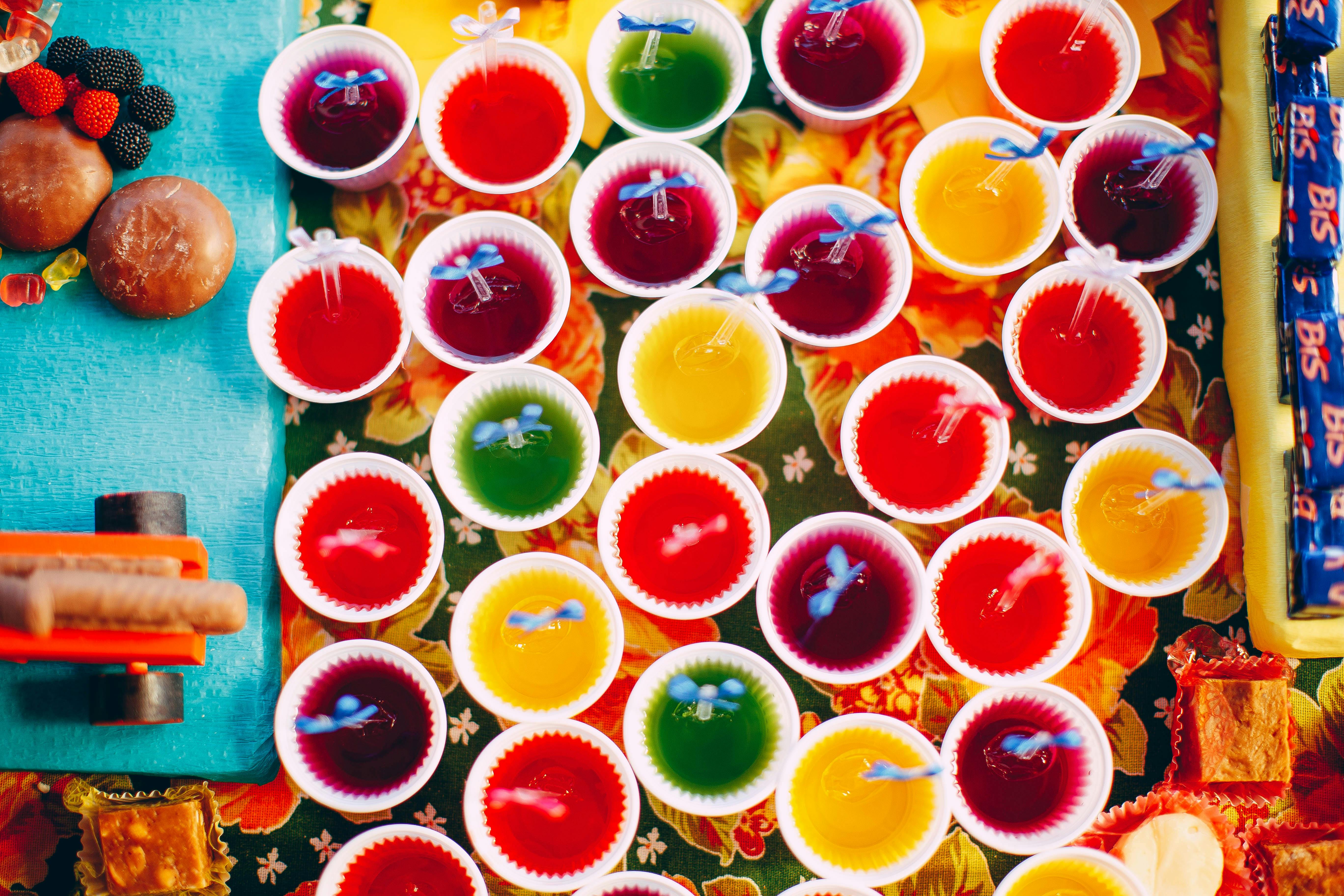
If a dish glowed in pastel green, neon orange, or rosy pink, it probably fit right in at a 1960s gathering. This was the era of vivid frostings, dyed coconut cakes, bright punches, and snacks made to look playful and futuristic. Color signaled fun, abundance, and modern food science, especially at birthdays, holidays, and neighborhood parties.
Today, those same shades would trigger instant scrutiny. Many consumers are wary of synthetic dyes and suspicious of foods that look more decorative than edible. Still, defenders might say the visual drama was the whole point. These dishes were built for celebration, not purity. The debate would center on a familiar modern question: should food prioritize delight, or should it always prove its natural credentials first?



Leave a Reply